What is a Kidney Infection?

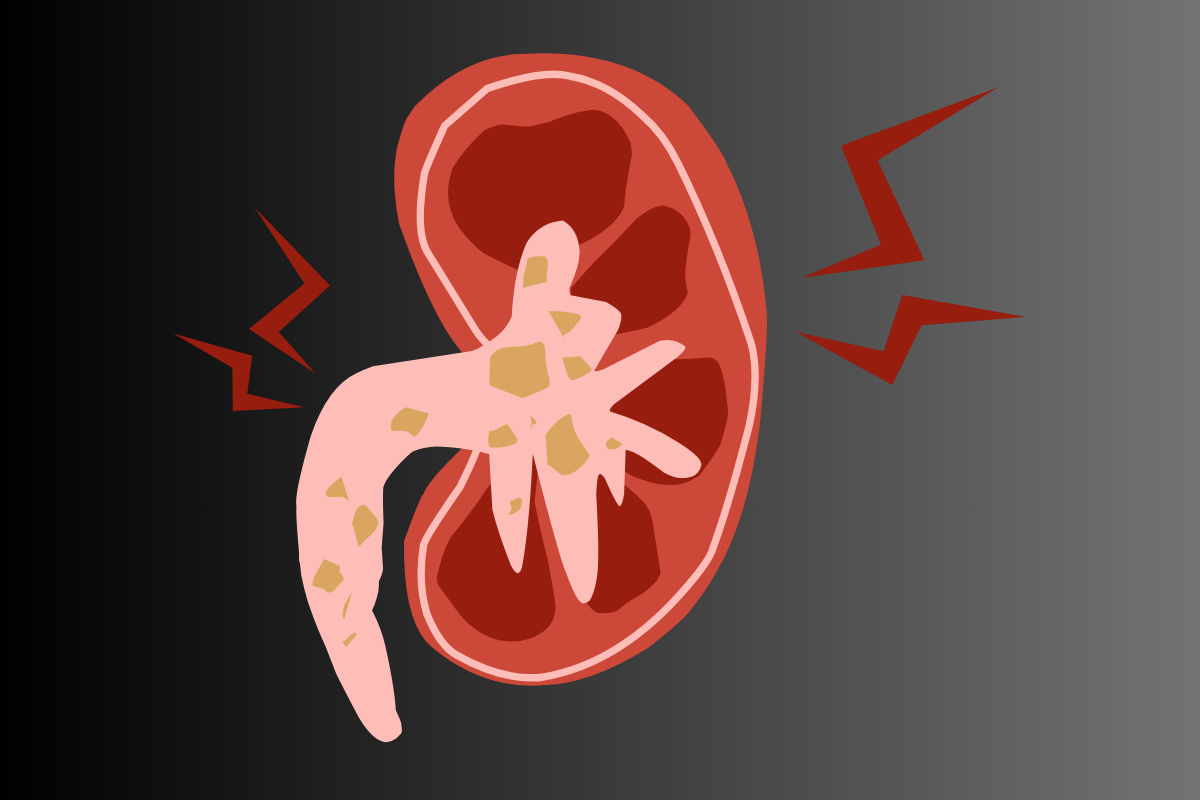
A kidney infection (pyelonephritis) is a bacterial infection of the upper urinary tract and kidneys. Symptoms commonly include fever, flank/back pain, painful or frequent urination, nausea, vomiting and malaise. Left untreated the infection can damage the kidney and spread to the bloodstream (sepsis) — urgent medical evaluation is required.

Common signs & investigations

  • Symptoms: fever, chills, flank or lower back pain, burning urination, cloudy or foul-smelling urine, nausea/vomiting.
  • Key tests: urine analysis & culture, blood tests (CBC, creatinine), ultrasound/CT if obstructive cause suspected.
  • Treatment usually requires prompt antibiotics and monitoring; severe cases may need IV therapy or hospitalization.

Ayurvedic perspective (brief)

In Ayurveda kidney/urinary infections are treated as disturbances of Mutravaha srotas with Vata-Pitta imbalance and Ama/infection. Management combines immediate conventional care for infection with supportive Ayurvedic medicines and targeted Panchakarma (after acute control) to restore urinary tract health.

Critical medical safety — read first

Do not delay conventional care: suspected kidney infections must be assessed and usually treated with antibiotics. Ayurveda can support recovery and prevent recurrence, but it does not replace indicated antibiotic or emergency care. If you have fever, severe pain, vomiting, faintness or decreased urine output — seek urgent medical attention or hospital care immediately.

(See evidence-based guidance on prompt antibiotic treatment for pyelonephritis and when to hospitalize.)

Integrated Ayurvedic Care Pathway (practical)

  • Immediate medical coordination: urine & blood tests, start appropriate antibiotics and correct dehydration/electrolytes where needed.
  • Symptomatic & supportive Ayurveda (acute phase): rest, hydration, gentle Abhyanga (if tolerated), soothing decoctions and diuretic herbs under supervision — avoid strong detox (Virechana/Basti/Uttara Basti) during uncontrolled acute infection.
  • Rehabilitation & recurrence prevention (after medical stabilization): targeted Panchakarma (Uttara Basti, Basti, Kati/Prishtha Vasti, local fomentation) and oral herbal formulations (Gokshura, Punarnava, Varuna-based blends) to restore Mutravaha srotas, reduce inflammation, and support renal function.
  • Lifestyle & diet: clear fluids, easily digestible meals, avoid alcohol, reduce heavy/spicy food, timed voiding, hygiene measures and follow-up urine cultures as advised.

Clinic Therapies We Use for Kidney/Urinary Infections

The therapies listed below are selected for their role in supporting urinary tract healing, reducing inflammation, relieving flank pain, improving bladder function and preventing recurrence. Each entry includes a reference photo. All procedures require medical clearance and are individualized.

Uttara Basti therapy

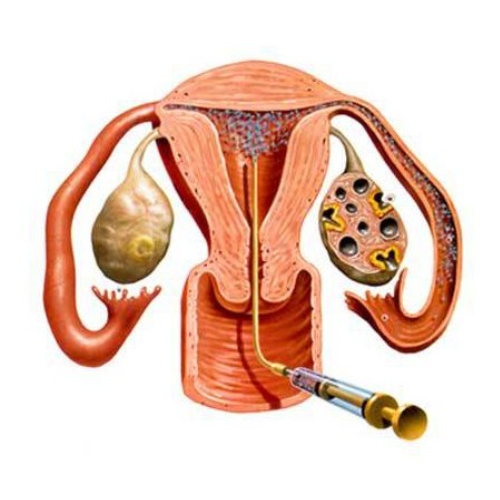
Uttara Basti (Medicated Instillation) Key

What it is: Administration of medicated oil/ghrita or decoction into the urinary passage/bladder (urethral route) under strict asepsis. It is a classical therapy for Mutravaha (urinary) disorders.

  • Used for chronic/recurrent urinary infections, dysuria, retention, post-infective rehabilitation and to improve bladder mucosal health.
  • Performed only after infection is controlled or under strict clinical judgement; aseptic technique and experienced practitioners are essential.
Basti medicated enema therapy

Basti (Medicated Enema) — Selected Use

What it is: Therapeutic enemas (oil or decoction) to balance Vata and support the gut–urinary axis, improving elimination and reducing referred pain.

  • Helps restore gut-liver-kidney coordination, reduces Vata-related flank pain and promotes systemic cleansing in the rehabilitative phase.
  • Prescribed selectively after medical stabilization and under physician supervision.
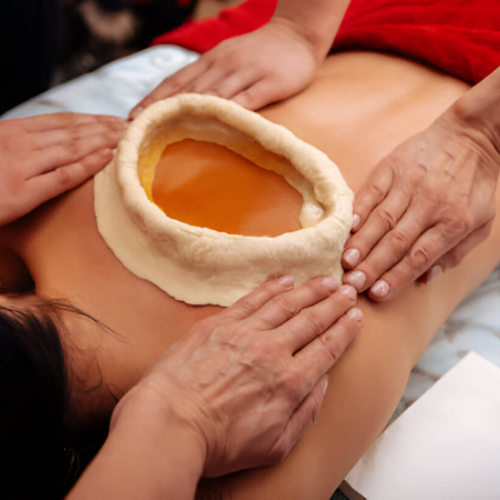
Kati Vasti lower back oil pooling

Kati Vasti (Local Oil Retention on Lower Back)

What it is: Warm medicated oil held over the lumbar region using a dough dam to relieve low-back and flank pain.

  • Reduces muscular spasm, soothes referred renal pain and improves local circulation around kidneys.
  • Useful in both acute (as a gentle supportive measure) and recovery phases if tolerated.
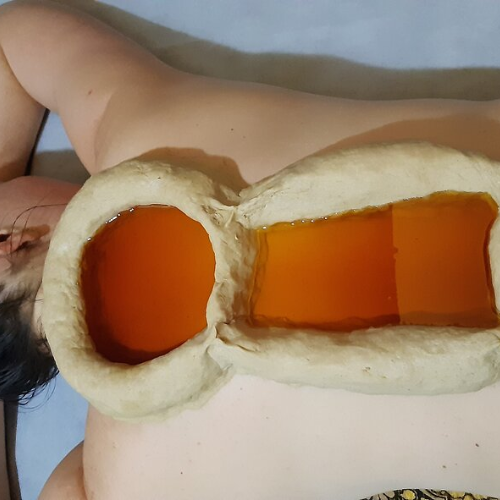
Prishtha Vasti back therapy

Prishtha Vasti (Back Retention Therapy)

What it is: Similar to Kati Vasti but covering a larger back area; medicated decoction or oil is retained to ease severe flank/back discomfort and support local healing.

  • Helps reduce inflammatory pain and improves local tissue nourishment after acute infection is controlled.
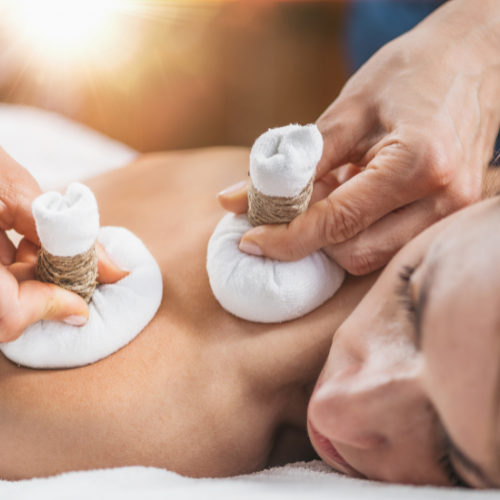
Patra Potli fomentation

Patra Potli & Churn Potli (Herbal Fomentation)

What it is: Warm herbal boluses (Patra potli) or powdered boluses (Churn potli) applied to the lower back/abdomen to relieve spasm and improve circulation.

  • Excellent for easing renal colic-like pain, soothing muscles, and supporting local lymphatic drainage.
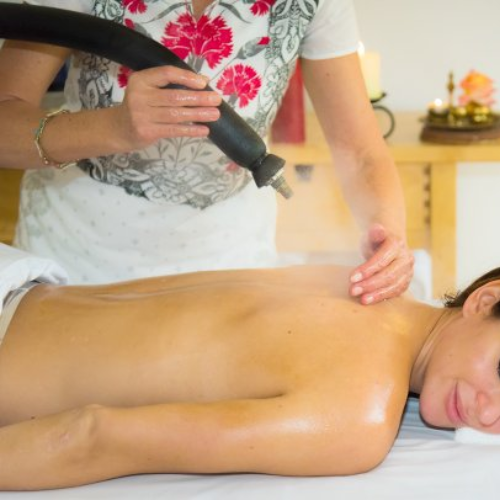
Nadi Swedan localized steam

Nadi Swedan (Localized Steam Fomentation)

What it is: Focused steam therapy to the lumbar/abdominal region to relieve muscle spasm and improve local blood flow.

  • Used as adjunct for pain relief and to support drainage; avoid if fever or uncontrolled infection is present (check with physician).
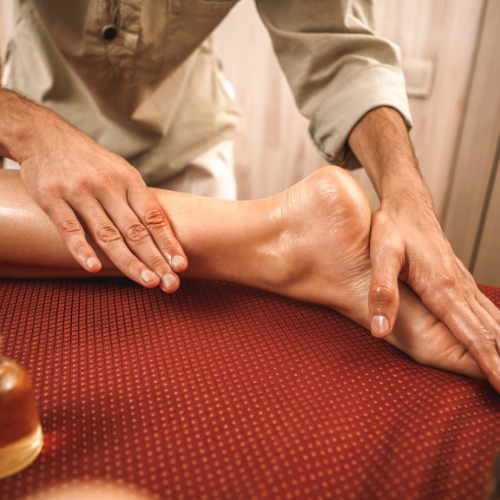
Abhyanga full body oil massage

Abhyanga (Gentle Full-Body Oil Massage)

What it is: Warm herbal oil massage to relax the body, improve circulation and lymphatic flow, reduce stress and aid recovery.

  • Useful supportive therapy during recovery — techniques and pressure are modified for patients recovering from infection.
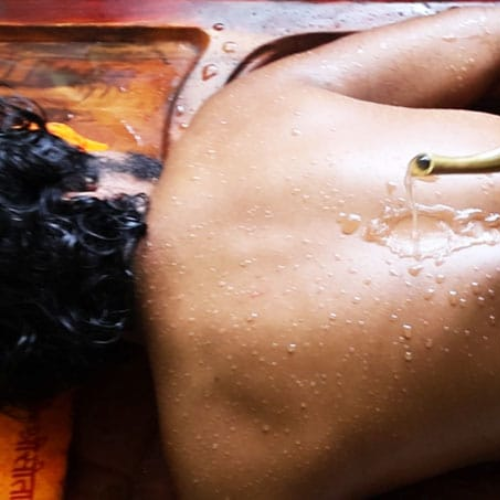
Kashaya Dhara herbal decoction pouring

Kashaya Dhara (Herbal Decoction Pouring)

What it is: Gentle pouring of warm, soothing herbal decoction on the abdomen/lower back to reduce local inflammation and support healing.

  • Used in sub-acute or recovery phase, with decoctions chosen for urinary safety and anti-inflammatory effect.

Herbs & Nutritional Support

Herbs traditionally used to support urinary health (chosen and dosed by clinicians):

  • Gokshura (Tribulus terrestris): diuretic, lithotriptic and urinary-cleansing actions; commonly used in Mutravaha disorders.
  • Punarnava (Boerhavia diffusa): diuretic, anti-inflammatory and renal-supportive properties used in classical formulations.
  • Varuna (Crataeva nurvala): useful in urinary inflammation, stones and promoting healthy urine flow.
  • Formulations: Gokshuradi, Varunadi, Punarnavadi combinations and clinician-made decoctions/gugguls are commonly used — always clinician-prescribed after labs.

All internal herbs are chosen for renal safety and adjusted by clinicians according to kidney function tests (creatinine, eGFR) and urine culture results.

Sample Clinic Plans (examples)

Acute / Emergency (first 48–72 hrs)
  • Immediate medical assessment, urine culture, start antibiotics as indicated.
  • Hydration, antipyretics, symptomatic Ayurveda: oral soothing decoctions only; no invasive Panchakarma.
  • Referral/hospitalize if severe, vomiting, renal impairment or sepsis signs.
Recovery & Rehabilitation (after stabilization)
  • Reassess labs & culture. Begin gentle supportive therapies: Abhyanga, Kati/Prishtha Vasti, Nadi Swedan, Patra/Churn Potli.
  • When infection controlled and clinician permits — Uttara Basti or Basti courses for recurrent/chronic cases.
  • Oral renal-supportive herbs (Gokshura, Punarnava, Varuna) and dietary rehab.
Maintenance & Prevention
  • Hygiene, timed voiding, hydration, bladder-healthy diet.
  • Periodic urine testing, tailored herbal prophylaxis if recurrent infections occur.

Every plan begins with medical clearance. Procedures like Uttara Basti/Basti are done only after infection control and under aseptic conditions by experienced practitioners.

Quick Reference — Therapies & Roles

TherapyPrimary roleNotes
Uttara BastiDirect bladder/urethral therapy for urinary tract healthUsed post-infection; aseptic, clinician-led
BastiRestore gut–urinary axis, Vata balanceSelected use; part of rehabilitation
Kati / Prishtha VastiRelieve flank / low back painLocal nourishment & relaxation
Patra / Churn PotliHerbal fomentation for pain reliefGood for colicky pain and muscle spasm
AbhyangaGeneral nourishment, stress reductionSupportive in recovery

Need an evidence-aware Ayurvedic plan for kidney recovery?

Book a consultation — we review your urine & blood tests, coordinate with your physician, and design a stepwise, monitored Ayurvedic plan focused on safety and long-term urinary health.

Book Consultation

All procedures are performed by qualified Ayurvedic physicians. Medical clearance (labs, clinician review) is mandatory before invasive Panchakarma procedures.