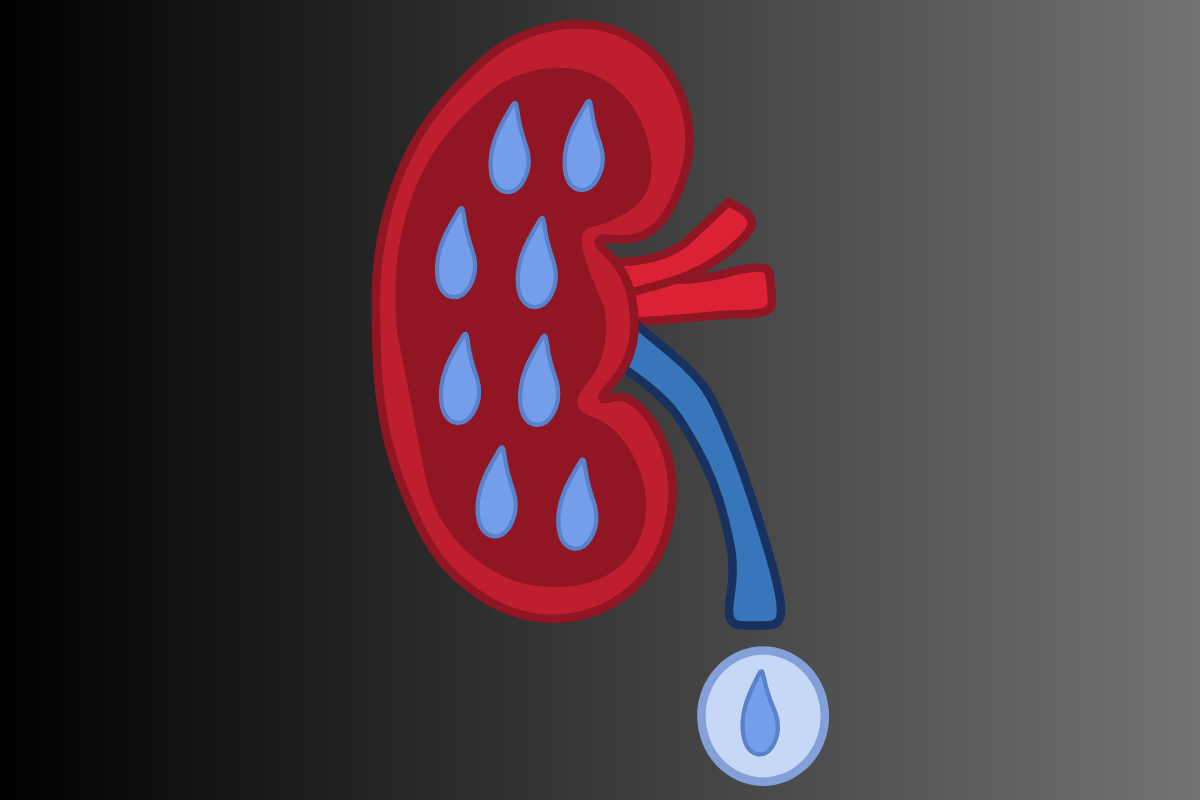
What is Diabetic Nephropathy?
Diabetic nephropathy (diabetic kidney disease) is progressive kidney damage caused by long-standing diabetes. Early signs include microalbuminuria (protein in urine), progressive rise in serum creatinine, edema, hypertension and reduced glomerular filtration. Early detection and tight glycemic, blood pressure and supportive care slow progression.
Common signs & investigations
- Symptoms: swelling (especially feet/ankles), frothy urine or reduced urine output, fatigue, poor appetite in advanced stages.
- Important tests: urine albumin-to-creatinine ratio (microalbuminuria), 24-hr urine protein, serum creatinine/eGFR, blood pressure monitoring and glycemic control (HbA1c).
- Early-stage detection (microalbuminuria) allows interventions that can delay progression.
Ayurvedic perspective
Ayurveda frames kidney disorders within Mutravaha srotas (urinary channels) and often views diabetic nephropathy as a combined derangement of Kapha–Vata with ama and dhatu (tissue) depletion. Therapeutic goals: control Ama, balance doshas (esp. Vata/Kapha), protect and nourish renal tissue, improve diuresis and control systemic metabolic drivers (blood sugar, BP).
Important Safety & Medical Coordination
Diabetic nephropathy is a medical condition that may progress to renal failure. Ayurvedic therapies can be supportive and in some clinical studies have shown improvements in urine albumin and renal parameters, but they must be used only alongside conventional medical care (glycemic & BP control) and after clearance from the treating nephrologist. We require baseline labs and periodic monitoring when using detox/major Panchakarma procedures.
Ayurvedic Care Strategy (integrated)
- Coordinate with nephrology/endocrinology: confirm stage, current meds, BP and glycemic control; correct reversible causes before Panchakarma.
- Support metabolic control: stabilize blood sugars and blood pressure first; Ayurveda focuses on diet, lifestyle and blood-sugar friendly herbs under supervision.
- Detox & balance: selected internal oleation and targeted Basti therapies (esp. Gokshura-Punarnava Basti / Yapana Basti variants) are classically used for kidney support and for reducing microalbuminuria in clinical trials.
- Rehabilitation & rasayana: nourishing therapies (Yapana/Matra Basti, Njavara Kizhi, gentle Abhyanga) to rebuild dhatus and improve vitality.
- Maintenance: long-term diet, herbs chosen for renal safety, fluid balance, and regular monitoring of urine albumin and creatinine.
Therapies Useful in Diabetic Nephropathy — with reference images
Only therapies commonly used for diabetic nephropathy are included below. Each therapy entry shows a clinic reference photo. Implementation is individualized and requires medical clearance.
Gokshura–Punarnava Basti (Medicated Decoction Basti) Primary
What it is: A medicated enema prepared with gokshura (Tribulus) and punarnava (Boerhavia) formulations given in a course to positively influence urinary channels and reduce proteinuria.
- Used specifically to reduce microalbuminuria and improve urinary function in diabetic patients in several clinical studies.
- Given as a supervised course (Niruha/Niruhabasti or Yapana type) depending on individual constitution and kidney status.
- Requires close monitoring of urine protein, creatinine and overall fluid/electrolyte status during therapy.
Yapana / Mustadi Yapana Basti (Nourishing Basti)
What it is: A nourishing, long-acting basti used to rebuild dhatus and support renal function, commonly used in chronic diabetes-related complications.
- Acts as a rasayana for Mutravaha srotas and is used to improve general strength, reduce neuropathic symptoms and support kidney resilience.
- Selected for patients with chronic but stable kidney disease and used only with nephrologist oversight.
Njavara Kizhi (Rejuvenative Bolus Therapy)
What it is: Warm boluses of Njavara rice cooked in herbal decoction applied over the body to nourish tissues and improve metabolism.
- Used in the rehabilitative phase to restore strength, reduce catabolism and improve appetite and general well-being.
- Helps systemic nourishment after a course of basti or when the patient is weak due to long-standing disease.
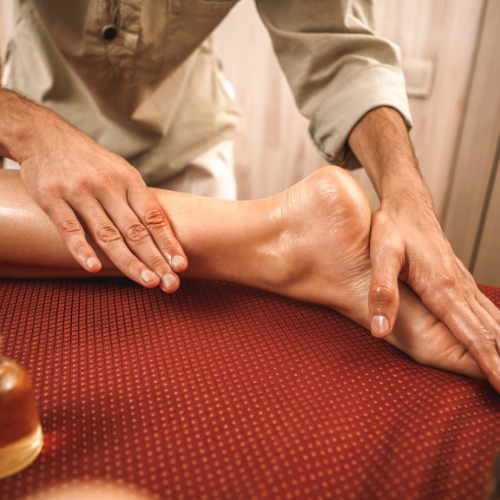
Abhyanga (Warm Oil Massage)
What it is: Gentle full-body herbal oil massage adapted to the frail or diabetic patient to improve circulation and reduce catabolic stress.
- Prepares the body for basti, improves peripheral circulation and reduces neuropathic discomfort.
- Performed with mild, non-oily oils and shorter duration in patients with edema or fragile skin.
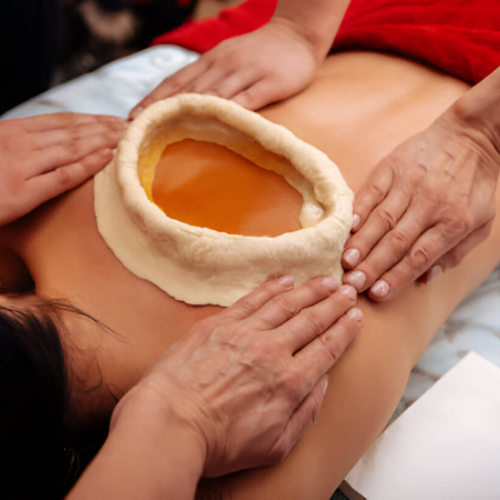
Kati Vasti (Lumbar Oil Retention)
What it is: Localized oil retention on the lower back to relieve lumbar pain, improve local circulation and support renal-region discomfort.
- Useful when low-back pain or renal-region discomfort accompanies nephropathy; supportive and symptomatic relief only.
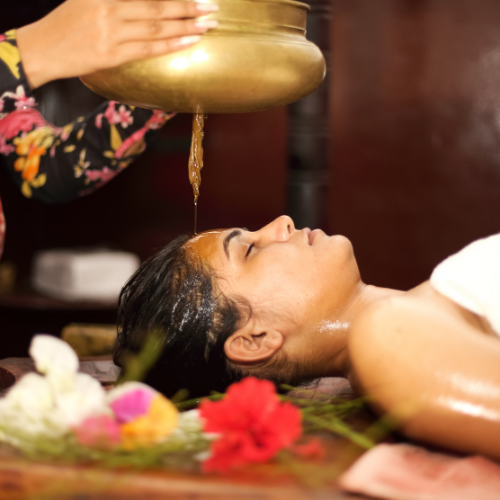
Shirodhara (Nervous-System Support)
What it is: Continuous warm oil pouring on the forehead to reduce stress, improve sleep and help autonomic regulation which supports metabolic control.
- Adjunctive therapy to reduce stress and support metabolic balance during rehabilitation.
Herbal Medicines & Nutritional Support
Herbs are selected for nephroprotective properties and renal safety; they must be prescribed by an Ayurvedic physician aware of the patient's renal stage and current medications.
- Punarnava (Boerhavia diffusa): Traditionally used for reducing edema and supporting renal function (diuretic and anti-inflammatory properties).
- Gokshura (Tribulus terrestris): Used for urinary health and as a component of basti formulations for diabetic kidney support.
- Varuna (Crataeva nurvala) / Varunadi formulations: Used in mutravaha (urinary) disorders for supporting urine flow and reducing urinary tract inflammation.
- Diet: Low-salt, balanced protein (as per nephrology guidance), complex carbohydrates with low glycemic index, and Pitta-/Kapha-balancing foods as individually advised.
- Avoid: Excessive protein without nephrologist approval, alcohol, sweetened drinks and unmonitored herbal self-medication.
- Monitoring: Regular urine albumin checks, serum creatinine and electrolytes; fluid recommendations tailored to kidney stage.
Herbs that affect fluid or electrolyte balance must be used with caution in advanced renal impairment. Always coordinate with the patient's nephrologist.
Sample Clinic Plans (examples)
Early-stage (microalbuminuria)- Confirm microalbuminuria and optimize glycemic/BP control with medical team
- Course of Gokshura–Punarnava Basti (as indicated) + dietary rehab
- Supportive Abhyanga and lifestyle counseling
Chronic but stable disease- Yapana / Mustadi Yapana Basti cycles to strengthen dhatus
- Njavara Kizhi and targeted rasayana therapy to improve nutrition
- Regular lab monitoring and co-management with nephrology
Symptom management & rehab- Kati Vasti for lumbar discomfort, Shirodhara for stress and sleep
- Long-term diet, exercise, and renal-safe herbal supplements under supervision
All interventions are individualized, implemented only after informed consent and lab-based clearance, and coordinated with the patient's medical team.
Quick Reference — Therapies & Roles
| Therapy | Primary role | Notes |
|---|
| Gokshura–Punarnava Basti | Reduce microalbuminuria; renal support | Evidence from clinical trials for microalbuminuria (used with monitoring). |
| Yapana / Mustadi Yapana Basti | Nourishment & rasayana for Mutravaha srotas | Used for chronic, stable cases to rebuild tissues. |
| Njavara Kizhi | Rejuvenation & strength | Rehabilitative phase to improve vitality. |
| Abhyanga | Supportive nourishment & circulation | Gentle technique; prepares body for basti. |
| Kati Vasti | Local lumbar support | Symptomatic relief for low-back/renal-region pain. |
| Shirodhara | Stress & sleep support | Adjunct to improve autonomic/metabolic balance. |
Need an Ayurvedic plan for diabetic kidney support?
Book a consultation — we will review your labs, coordinate with your nephrologist/endocrinologist, and design a monitored, individualized Ayurvedic plan to support kidney health.
Book ConsultationAll procedures are performed by qualified Ayurvedic physicians. Medical clearance and periodic lab monitoring are mandatory before offering Basti or other major procedures.