What is a Viral Infection?
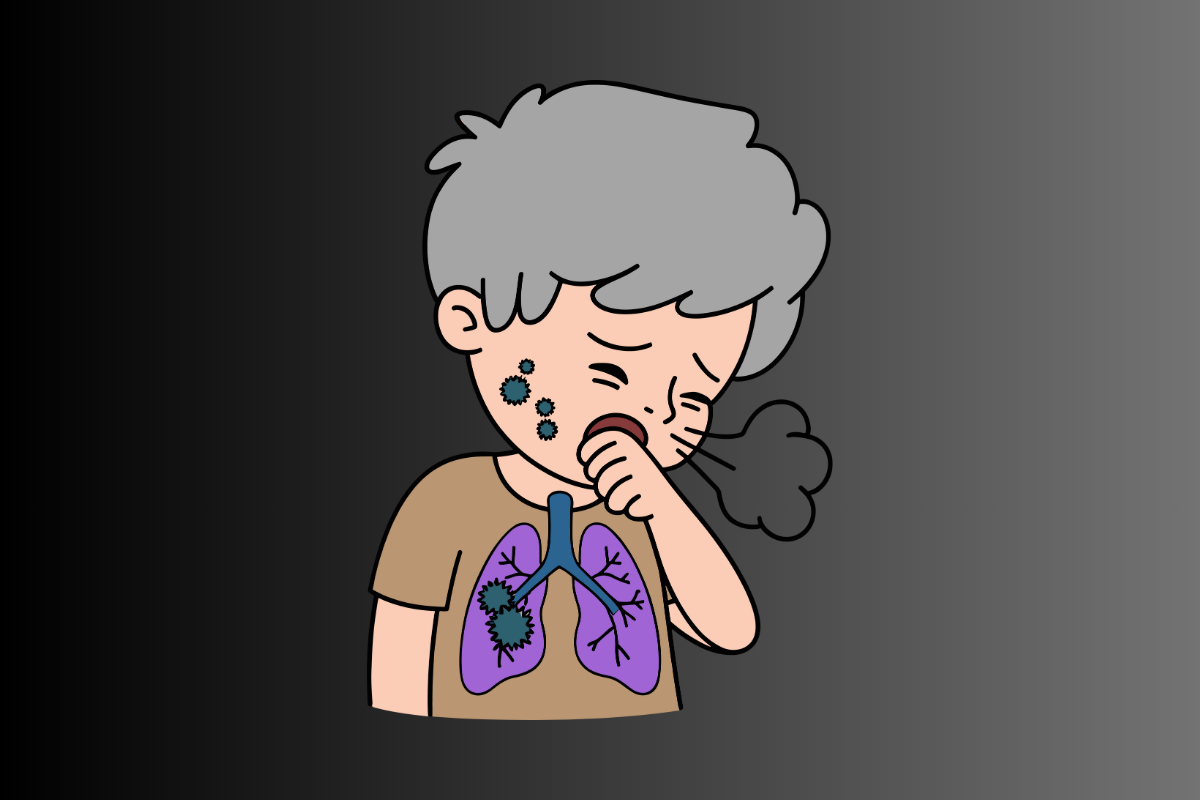
Viral infections are illnesses caused by viruses (influenza, common cold viruses, dengue, chikungunya, many respiratory viruses, and others). Presentation ranges from mild (fever, fatigue, sore throat, cough) to severe (dehydration, respiratory distress, organ involvement). Accurate diagnosis, appropriate medical care (antivirals, hydration, oxygen when needed) and public-health measures (isolation, contact tracing) are primary. Ayurveda can provide complementary supportive care to reduce symptoms, support immunity and aid recovery when coordinated with medical care.
Common symptoms & red flags
- Fever, body aches, headache, sore throat, cough, nasal congestion, loss of appetite, nausea/diarrhoea (depending on virus).
- Red flags: high persistent fever, breathlessness, chest pain, confusion, severe dehydration, altered consciousness — seek urgent medical care.
- Tests: pathogen-specific tests (PCR/antigen), CBC, basic metabolic panel; follow local public-health guidance.
Ayurvedic perspective (brief)
In Ayurveda acute infectious states are often treated as Agantuja (external) fevers or Agnimandya-related states with Ama and vitiation of doshas (commonly Vata-Kapha-Pitta patterns depending on presentation). The immediate focus is symptom control, reducing Ama, supporting Agni (digestion) and strengthening Ojas (immunity) — while avoiding harsh cleansing during acute unstable phases.
Critical Safety Note
If you suspect a serious viral infection (high fever, breathlessness, chest pain, confusion), seek medical attention immediately. Ayurvedic therapies here are described as supportive and rehabilitative — they do not replace indicated medical treatments, isolation procedures, or emergency care. We always coordinate with treating physicians and require medical clearance before in-clinic procedures.
Integrated Ayurvedic Care Pathway (Supportive)
- Medical triage & coordination: Confirm diagnosis, rule out complications, and stabilise. Ayurveda is adjunctive — not first-line — in severe/complicated cases.
- Acute symptomatic support: Rest, hydration, antipyretic measures (as advised by physician), gentle Ayurvedic modalities to relieve congestion, fever and body ache.
- Subacute & rehabilitation: Therapies to reduce lingering fatigue, rebuild strength and support immunity (rejuvenation, mild local therapies, nasal therapy for ENT recovery).
- Herbal & nutritional support: Short-term, evidence-aware herbal prescriptions (Guduchi, Tulsi, Yashtimadhu etc.) chosen for safety and in coordination with labs/physician.
Therapies Useful in Viral Infection — with reference images
Below are clinic therapies commonly used as supportive measures for viral infections or for post-viral rehabilitation. Each therapy includes a reference photo. Therapies are selected and individualized after medical clearance.
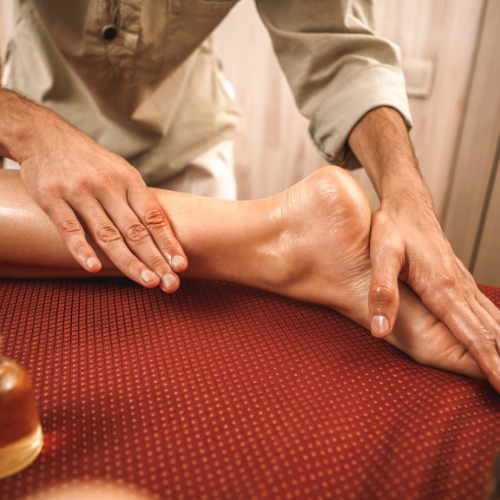
Abhyanga (Warm Oil Massage)
Why used: Gentle whole-body oil massage to relieve body ache, improve circulation and reduce fatigue.
- Soothes muscles and joints, improves sleep and supports lymphatic drainage.
- Helps restore appetite and general wellbeing during recovery phase.
- Technique and intensity adapted during/after febrile phase — light strokes preferred when fever is present.
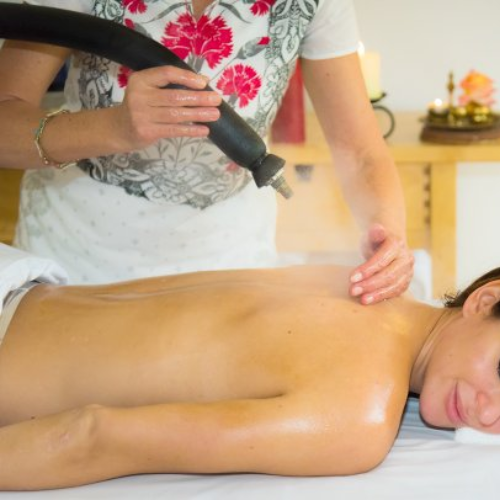
Swedan (Whole-body Steam/Decoction Steam)
Why used: Promotes sweating to relieve congestion, ease stiffness and support detoxification of superficial tissues.
- Useful for body ache, nasal congestion and stiffness — performed gently and only when patient is hemodynamically stable and not febrile with dangerous signs.
- Local or whole-body steam with appropriate herbal decoctions can ease chest and sinus congestion when indicated.
Nadi Swedan (Localized Steam)
Why used: Focused steam to chest, neck or sinuses to relieve local congestion and support breathing and sinus drainage.
- Preferable when whole-body sweating is not advisable; used for targeted symptomatic relief (sinusitis, bronchial congestion).
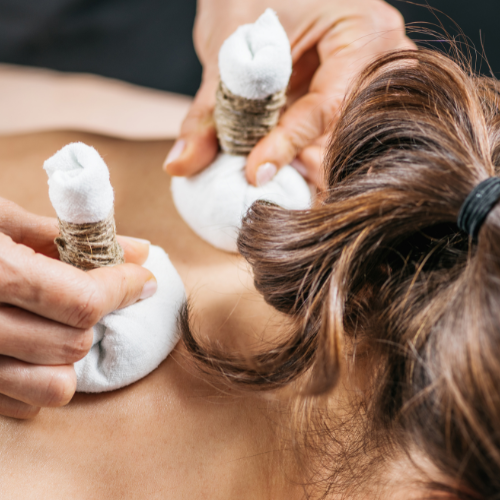
Churn Potli / Patra Potli (Herbal Poultice)
Why used: Warm herbal boluses applied to chest, sinuses or limbs to relieve congestion, muscle ache and local inflammation.
- Herbal contents selected to ease respiratory symptoms, reduce stiffness and improve local circulation.
- Patra Potli (leaf-filled) and Churn Potli (powder-filled) are used based on symptom location and sensitivity.
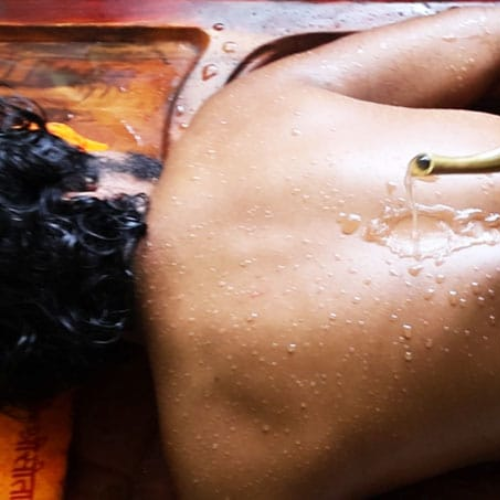
Kashaya Dhara (Herbal Decoction Pouring)
Why used: Warm decoction poured over chest/abdomen for symptomatic relief and mild anti-inflammatory effect.
- Can help soothe chest discomfort and systemic malaise in recovery phases; formulations chosen for safety and symptom-match.
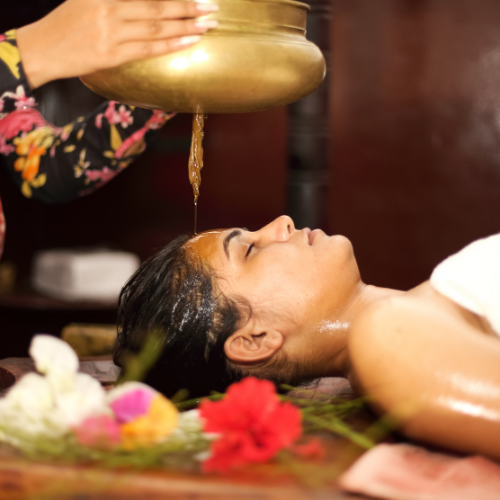
Shirodhara (Forehead Oil Pouring)
Why used: Calms the nervous system, improves sleep and reduces post-viral anxiety, headaches and insomnia.
- Very helpful in post-viral fatigue syndromes and for restoring quality sleep and autonomic balance.
Nasyam (Nasal Therapy)
Why used: Lubricates and heals nasal mucosa, reduces post-viral nasal symptoms, improves smell and clears upper airway.
- Useful for lingering nasal congestion, loss of smell/taste (post-viral), and recurrent sinus complaints after infection.
- Only used when there is no active severe mucosal damage and under clinician supervision.
Njavara Kizhi (Rejuvenative Bolus Therapy)
Why used: Nourishing rice-bolus therapy used in rehabilitation to rebuild strength and reduce prolonged weakness.
- Supports recovery from post-viral fatigue, improves appetite and helps tissue nourishment.
Oil Bath (Abhyanga + Steam Combination)
Why used: Combines oil application and warm water/steam bath to relax muscles, reduce chills and support restorative sleep.
- Useful when patients feel chilled, have body ache, and need gentle warming and nourishment during recovery.
Herbal Medicines & Nutritional Support
We use short-course, safety-focused herbal support aimed at symptom relief, immune support and mucosal healing. All internal medicines are prescribed after clinical assessment and coordinated with the treating physician.
- Guduchi (Tinospora cordifolia): Immunomodulatory and supportive; used in many clinic protocols under supervision.
- Tulsi (Ocimum sanctum): Traditionally used for respiratory infections and symptomatic relief.
- Yashtimadhu / Licorice (Glycyrrhiza glabra): Soothing for throat and mucosa; used carefully and for short durations in patients without hypertension.
- Diet: Light, warm, easy-to-digest foods — khichdi, soups, stewed vegetables, moong dal, rice porridge; avoid heavy, oily or very cold foods.
- Hydration & electrolytes: Oral rehydration, warm liquids, broths; avoid sugary, caffeinated and alcoholic drinks.
- Rest & isolation: Adequate rest, isolation as per public health guidance until non-infectious; gradual return to activity.
Herbs can interact with prescription medicines and may be contraindicated in some medical conditions (pregnancy, severe hepatic or renal impairment, uncontrolled hypertension). Always use under clinician supervision and after disclosure of all medications.
Sample Supportive Clinic Plans
Acute symptomatic support- Medical assessment and basic investigations
- Rest, hydration, antipyretic as advised; avoid in-clinic detox during unstable phases
- Gentle Nadi Swedan / local steam for congestion; light Abhyanga if patient tolerates
Early recovery (post-acute)- Targeted Nasyam for sinonasal recovery; Kashaya Dhara for chest discomfort where indicated
- Short-course supportive herbs (Guduchi, Tulsi) & dietary rehab
- Monitor symptoms and liaise with physician
Rehabilitation & rejuvenation- Njavara Kizhi and restorative Abhyanga, Shirodhara for fatigue and sleep
- Gradual return to activity, nutritional counselling and follow-up
All plans are individualized. In-clinic therapies are provided only after medical clearance and when the patient is clinically stable and non-infectious as per current guidelines.
Quick Reference — Therapies & Roles
| Therapy | Primary role | Notes |
|---|
| Abhyanga | Relieve body ache, improve circulation | Light strokes during/after fever; restorative |
| Swedan / Nadi Swedan | Reduce congestion, ease stiffness | Localised steam preferred in unstable patients |
| Churn/Patra Potli | Relieve chest/sinus congestion & muscle ache | Used topically with warming herbs |
| Kashaya Dhara | Soothing pouring for chest/abdomen | Supportive in subacute recovery |
| Nasyam | Support nasal mucosa, smell & taste recovery | Only when mucosa is suitable and no active severe damage |
| Shirodhara | Calm nervous system, improve sleep | Helpful in post-viral fatigue/insomnia |
| Njavara Kizhi | Rejuvenation & strength | For rehabilitative strengthening |
Need supportive Ayurvedic care for a viral illness?
Book a consultation — we will review your symptoms and tests, coordinate with your physician, and design a safe, stepwise supportive plan to aid recovery.
Book ConsultationAll procedures performed by qualified Ayurvedic physicians. Medical clearance and adherence to public-health infection-control guidelines are mandatory before in-clinic therapies.