What is Dandruff?
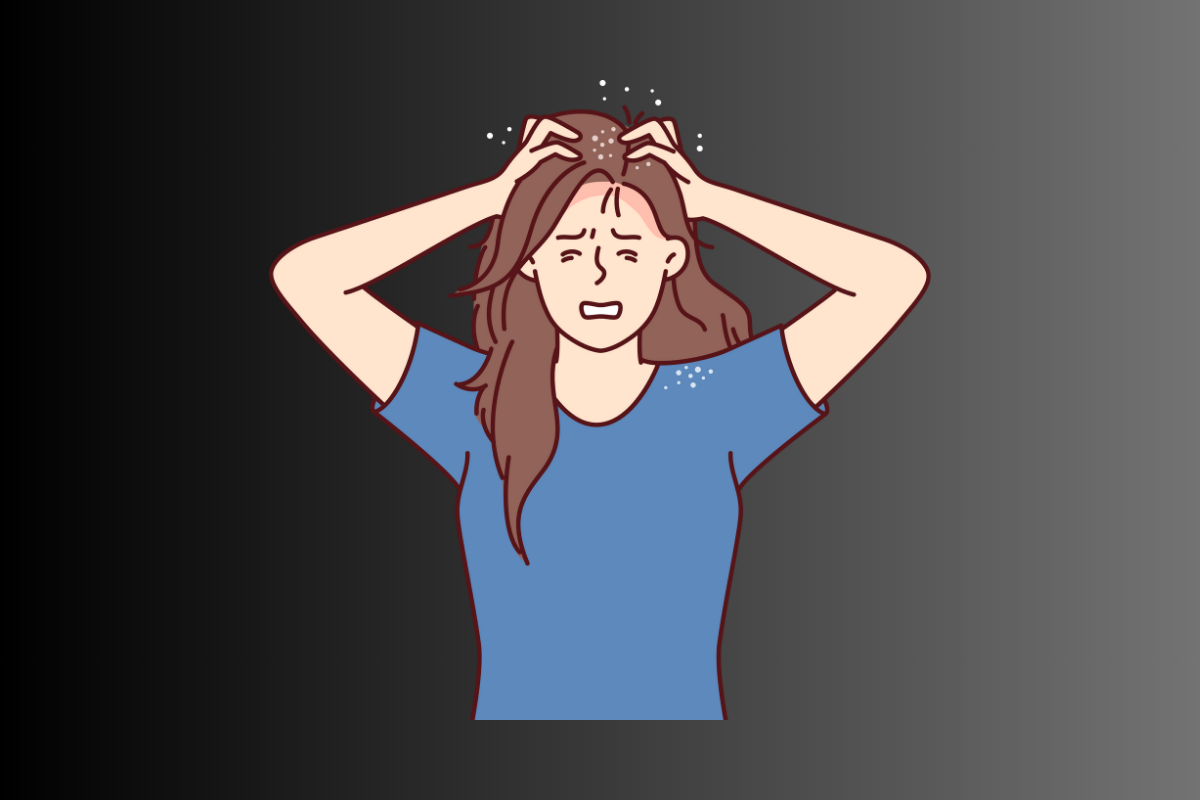
Dandruff is visible flaking of the scalp due to rapid shedding of dead skin cells. It may be accompanied by itching, irritation and oily or dry scalp. Causes range from microbial imbalance (Malassezia), excess sebum, skin inflammation, dry skin, to stress and dietary factors. In Ayurveda, dandruff-like conditions are described under Indralupta/Darunaka patterns with Kapha or Pitta–Kapha imbalance affecting the scalp (sira-tarpana level).
Common symptoms & triggers
- White or yellow flakes on scalp and shoulders.
- Itchiness, occasional redness, greasy or dry patches.
- Triggers: oily scalp, poor hygiene, harsh detergents, fungal overgrowth, stress, hormonal changes, diet high in fried/spicy foods.
Ayurvedic perspective
Dandruff is commonly seen as Kapha–Pitta imbalance with accumulation of Ama (toxins) and impaired scalp Agni. Treatment focuses on removing scalp blockage, balancing sebum production, reducing inflammation and normalizing microbial flora while nourishing hair roots.
Safety Note
Mild dandruff can often be managed with topical therapies and lifestyle changes. If you have severe scalp inflammation, hair loss, painful lesions, pus, or if over-the-counter measures fail, consult a dermatologist. Ayurvedic clinic therapies should be selected after scalp assessment and, if needed, in coordination with dermatology care.
Ayurvedic Care Pathway
- Assessment: Scalp examination (oiliness, inflammation, lesions), hair pull test and history of triggers (diet, stress, products).
- Local therapies: Remove flakes, reduce microbial load, soothe inflammation and nourish follicles — using safe oils, pastes and decoctions.
- Adjunct systemic care: Herbs to improve digestion, immunity and skin metabolism where needed (short courses as prescribed).
- Home care & maintenance: Weekly scalp oiling, mild shampooing, cooling diet and stress management.
Clinic Therapies Helpful for Dandruff — with reference images
Below are common Ayurvedic scalp therapies used specifically for dandruff, itching and scalp inflammation. Each entry includes a clinic reference photo. Treatments are individualized and require a brief clinical scalp check before starting.
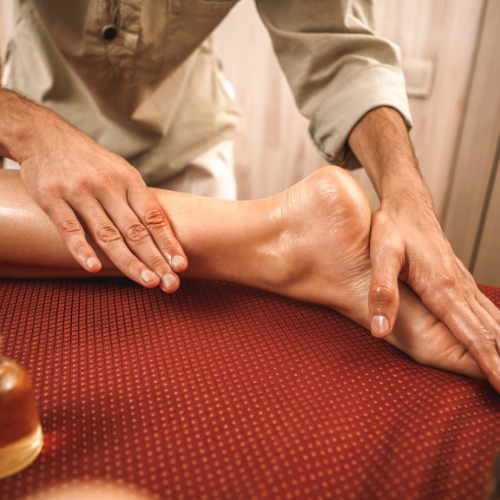
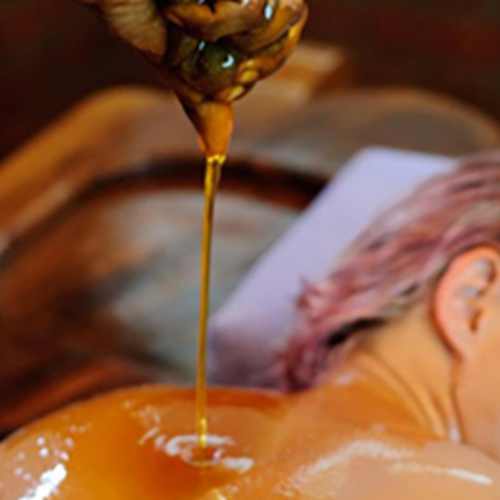
Abhyanga (Scalp & Head Oiling)
What it is: Gentle scalp and head massage using warm, medicated oils (Bhringraj, Neem, Coconut with herbal decoctions) to loosen flakes and nourish follicles.
- Reduces dryness and scaling, improves circulation and helps normalize sebum balance.
- Helps remove superficial flakes when combined with mild cleansing; used 1–2 times weekly in clinic or guided home program.
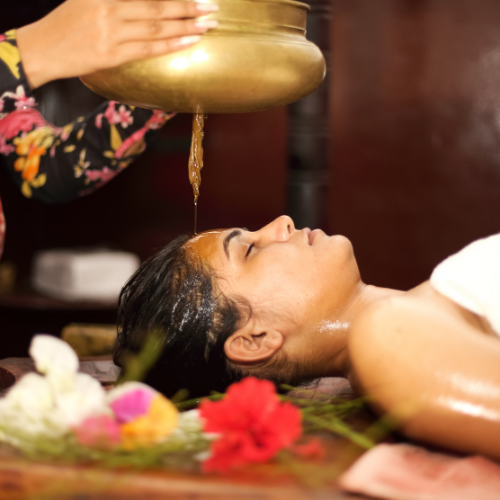
Shirodhara (Nervous-System & Stress Modulation)
What it is: Continuous, gentle pouring of warm oil or decoction on the forehead to calm nervous system and lower stress-related exacerbations of scalp conditions.
- Beneficial when dandruff flares are linked to stress, anxiety or poor sleep.
- Adjunct therapy — supports overall scalp healing and sleep quality.
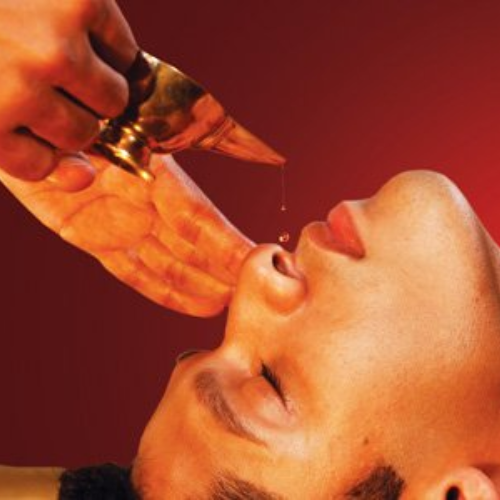
Nasyam (Nasal Instillation) — Adjunct
What it is: Application of small amounts of medicated oil or herbal drops into the nostrils to influence head and scalp channels, appetite and autonomic balance.
- Used when scalp symptoms associate with headaches, nasal congestion or altered taste; supports better outcomes when combined with topical therapies.
- Given carefully in clinic with liver- and mucosa-safe oils.
Lepam (Medicated Scalp Paste)
What it is: Topical application of herbal pastes (eg. Neem, Haritaki, Triphala, Yashad bhasma in some preparations) to the scalp to reduce flaking, itching and microbial load.
- Applied for 20–40 minutes then washed off with mild cleansing; soothes inflammation and lowers scaling.
- Formulation chosen after scalp assessment to avoid irritants and ensure skin safety.
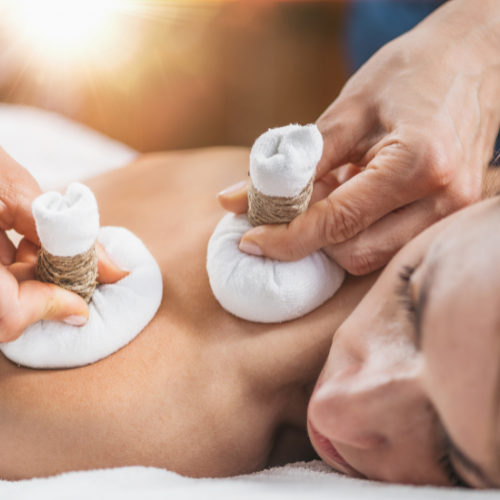
Patra Potli & Churn Potli (Herbal Poultices)
What it is: Warm herbal boluses (fresh leaves or powdered herbs in cloth) applied to the scalp to reduce local inflammation and encourage gentle exfoliation.
- Useful for focal areas of thick scales or inflamed patches; increases local circulation and helps dislodge adherent flakes.
- Applied briefly and followed by gentle cleansing.
Oil Bath (Hair Oil Treatments)
What it is: Warm medicated oil applied over scalp and hair, allowed to sit (often with gentle steam) and then washed with a mild herbal shampoo.
- Helps loosen flakes, nourish follicles and restore scalp lipid balance. Oils commonly used: coconut base with Neem, Bhringraj, Amla or tea-tree additions (clinician-formulated).
- Frequency: weekly or as advised; not recommended for very oily scalp without prior descaling treatment.
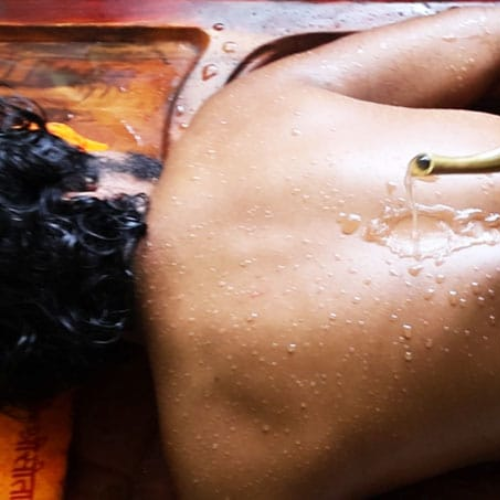
Kashaya Dhara (Herbal Decoction Pouring) — Scalp Adaptation
What it is: Gentle pouring or application of warm, mild herbal decoctions over the scalp (short-duration) to soothe inflammation and support local healing.
- Used selectively for inflamed, itchy scalps where oil alone may aggravate; decoctions include cooling, anti-inflammatory herbs chosen for scalp safety.
Herbal Medicines & Home Support
Clinic therapies work best when combined with an evidence-informed home routine. Below are commonly used herbs, topical recipes and lifestyle tips (all to be personalized by a clinician).
- Topical herbs & oils: Neem, Bhringraj, Amla, Licorice, Tea tree adjuncts—used in oils or pastes for antifungal, anti-inflammatory action.
- Scalp paste recipe (clinic-version): Neem leaf powder + Triphala powder + yogurt/warm water to make a paste — apply 20–30 mins, then rinse. (Clinic formulations vary and are skin-tested first.)
- Mild cleansing: Use gentle herbal shampoos (laukika/hair cleansers) rather than harsh surfactants; alternate oil treatments with mild cleansing.
- Oral support (when indicated): Short courses of herbs that improve digestion and skin metabolism (eg. Neem in low dose, Guduchi) — only under clinician supervision.
- Diet & lifestyle: Reduce fried/spicy/heavy foods, reduce sugar, eat cooling foods (cucumber, greens), hydrate, manage stress and ensure adequate sleep.
- Avoid: Overuse of oils when scalp is very oily without prior descaling; avoid harsh chemical treatments during active inflammation.
Weekly home plan (example):- 1x gentle scalp oiling (clinic or home-guided) followed by mild shampoo next day.
- 1–2x topical paste or medicated wash in clinic for resistant scaling.
- Stress-management session (breathwork/yoga) or Shirodhara adjunct if flares linked to stress.
All topical/herbal recipes should be patch-tested. Avoid self-prescribing strong medicated pastes or internal medicines if you have known allergies, skin breaks or are pregnant — consult a trained Ayurvedic practitioner.
Sample Clinic Plans (examples)
Mild dandruff (dry scalp)- Scalp assessment & advice
- Weekly warm oil scalp Abhyanga + mild herbal paste (Lepam) for 4 weeks
- Home plan: gentle shampooing, cooling diet, topical oil 1x/week
Oily/Greasy dandruff (seborrheic pattern)- Deep descaling with light oiling and medicated wash
- Patra/Churn potli to reduce focal inflammation
- Scalp-friendly Kashaya Dhara & weekly cleansing regimen
Stress-exacerbated flares- Shirodhara sessions for stress relief
- Nasyam where indicated and supportive herbal tonics
- Dietary & lifestyle counselling, sleep hygiene
Treatment duration varies by scalp type and response. We recommend follow-up at 2–4 week intervals initially and modification based on clinical response.
Quick Reference — Therapies & Roles
| Therapy | Primary role | Notes |
|---|
| Abhyanga (scalp) | Nourish scalp, loosen flakes | Use medicated oils; gentle technique |
| Lepam (paste) | Soothe inflammation, reduce scaling | Clinic-formulated; patch test first |
| Patra/Churn Potli | Local decongestion, exfoliation | Warm poultice for focal thick scales |
| Oil Bath | Restore lipid balance, nourish follicles | Follow with mild cleansing |
| Shirodhara | Stress modulation to prevent flares | Adjunct therapy |
| Nasyam | Support head channels & appetite | Used selectively |
| Kashaya Dhara | Anti-inflammatory scalp decoction | Selective use for inflamed scalps |
Want a safe Ayurvedic plan for your dandruff?
Book a consultation — we will assess your scalp, recommend the most suitable clinic therapies and create a stepwise home-care program to clear flakes and restore scalp health.
Book ConsultationTherapies are performed by qualified Ayurvedic practitioners. Serious or infected scalp conditions require dermatology coordination before topical procedures.