What are Fungal Infections?
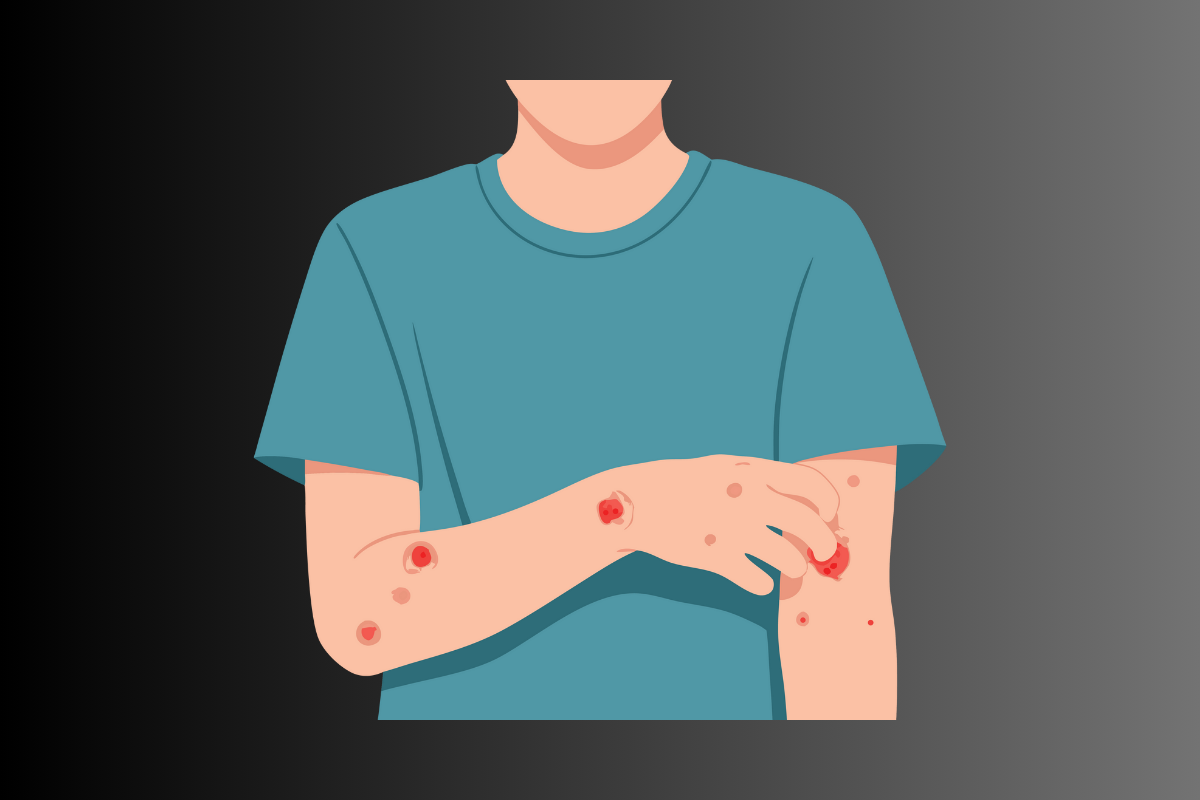
Fungal infections are caused by fungi (dermatophytes, Candida, Malassezia and others) that affect skin, nails, mucosa (oral/vaginal), scalp and sometimes deeper tissues. Common presentations include ring-shaped rashes (tinea), athlete's foot, candidal intertrigo, onychomycosis (nail infection) and seborrheic dermatitis. Effective care combines topical measures, hygiene, immune support and—when needed—antifungal medications. Ayurveda offers topical and systemic supportive therapies that help clear infection, reduce recurrence and restore skin health.
Safety First
If there is spreading infection, fever, pus, involvement near the eyes/genitals, severe nail destruction or suspected systemic infection, seek medical care. Ayurvedic therapies below are supportive and often used for superficial skin and mucosal fungal infections, chronic/recurrent cases and rehabilitation — we coordinate with medical teams and advise confirmation (KOH/microscopy or culture) when appropriate.
Ayurvedic Approach
- Local cleansing & antisepsis: Clean, dry the area; medicated washes and pastes (Kashaya, Haridra, Neem) reduce fungal load.
- Topical phytotherapy: Lepams (herbal pastes), medicated oils/lotions and poultices that are anti-fungal, anti-inflammatory and drying.
- Local heat & debridement: Controlled swedan (steam), nadi swedan and Udvartana or gentle exfoliation to remove scales and improve penetration of topical medicines.
- Systemic support: Antifungal herbs in short, supervised courses, immune-supportive rasayanas and digestive correction to reduce recurrence.
- Hygiene & lifestyle: Keep skin dry, wear breathable fabrics, avoid occlusive creams/ointments unless prescribed, treat nails and footwear concurrently.
Clinic Therapies Useful for Fungal Infection — with reference images
Therapies below are those commonly used in Ayurvedic clinics for superficial fungal infections and recurrent cases. Each entry includes a reference photo. Treatments are individualized and require assessment.
Lepam (Herbal Pastes) Topical
What it is: Medicinal pastes made from anti-fungal herbs (e.g., Haridra/turmeric, Neem, Manjistha, Daruharidra) applied directly to lesions.
- Drying, antiseptic and anti-inflammatory — reduces fungal load and soothes itching.
- Applied after gentle cleaning; left for several hours or as advised, then washed off.
- Useful for tinea corporis, intertrigo, ringworm and limited candidal lesions.
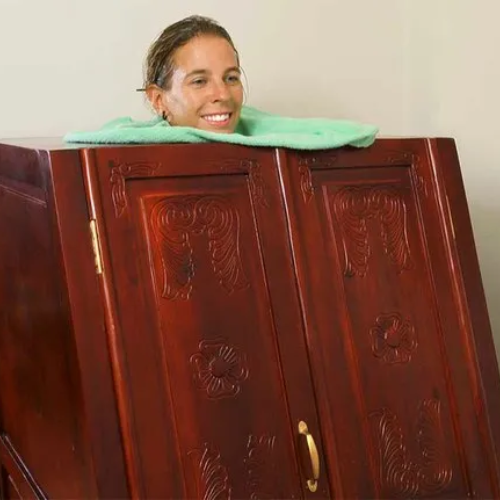
Swedan / Nadi Swedan (Local Steam) Adjunct
What it is: Controlled local steam to the affected area (Nadi Swedan) to soften scales and improve circulation.
- Aids removal of crusts and enhances penetration of topical medicines.
- Used cautiously — avoid in moist, weeping or acutely inflamed fungal lesions where moisture worsens growth.
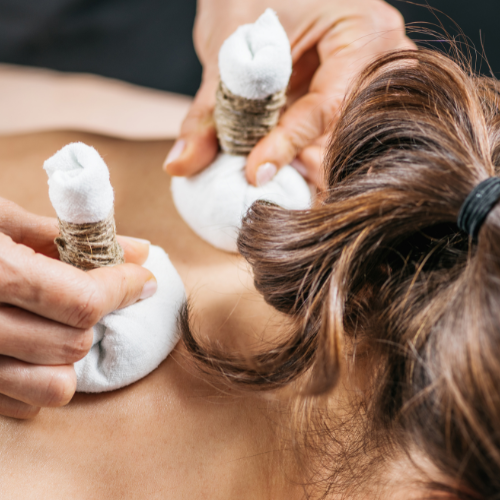
Churn Potli / Patra Potli (Herbal Poultices)
What it is: Warm herbal boluses or leaf-wrapped poultices applied locally to lesions using antiseptic herbs.
- Provide gentle heat, antimicrobial phytochemicals and local decongestion.
- Good for localized, stubborn patches and for symptomatic relief of itching.
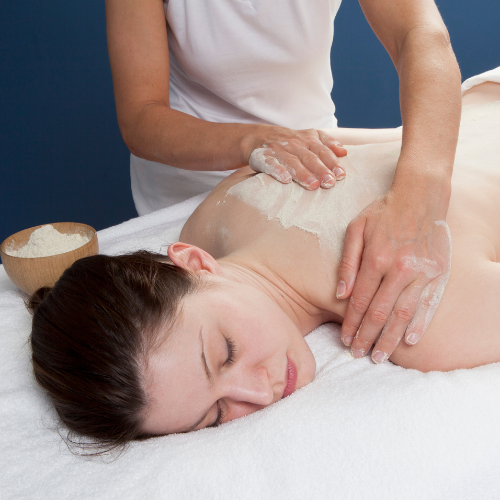
Udvartana (Powder Massage / Exfoliation)
What it is: Dry powder massage using herbal powders that gently exfoliate and help remove scales and improve local circulation.
- Helps debride infected skin layers and reduces scaling — improves topical drug access.
- Not recommended on raw, weeping or acutely inflamed lesions.
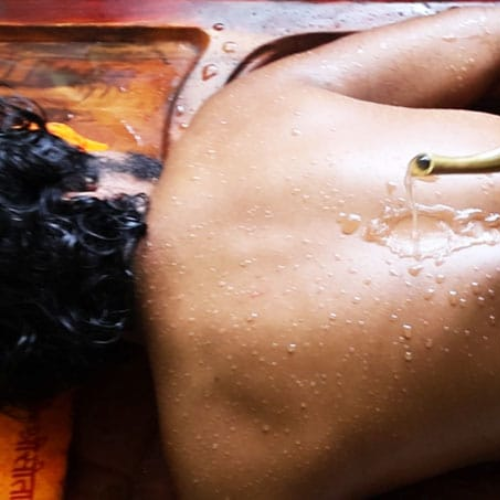
Kashaya Dhara (Medicated Decoction Wash / Pouring)
What it is: Warm medicated decoctions (Kashayas) used as local washes or gentle pouring over affected areas with antiseptic/antifungal herbs.
- Used to cleanse, reduce microbial load and soothe inflammation.
- Decoctions chosen to be antifungal and skin-safe (clinician-selected).
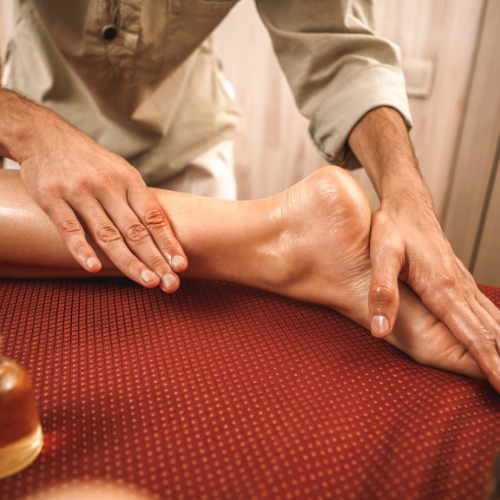
Abhyanga (Gentle Oil Massage) Supportive
What it is: Gentle, short oil massage to improve circulation and systemic immunity; tailored oils are used and care taken to avoid applying oils directly on actively infected/moist areas unless prescribed.
- Improves skin health, sleep and immunity — used as part of a broader plan.
- Avoid heavy occlusive oils on moist fungal lesions; clinician guides local oil use.
Medicated Oil/Herbal Washes
What it is: Short, medicated oil baths or herbal washes that cleanse and apply antifungal phytochemicals to the skin. Used selectively and rinsed off to avoid prolonged moisture.
- Useful for large-surface involvement when using skin-safe formulations and immediate drying.
Topical Herbs & Formulations
Commonly used topical herbs and agents (clinician-directed):
- Haridra (Curcuma longa / Turmeric): Antimicrobial, anti-inflammatory and helps healing (used as paste or in formulations).
- Neem (Azadirachta indica): Broad-spectrum antimicrobial and antifungal — used in washes and pastes.
- Daruharidra (Berberis aristata): Contains berberine — antifungal and antimicrobial activity.
- Manjistha (Rubia cordifolia): Blood-purifying and used in topical formulations for chronic skin issues.
- Yashtimadhu (Glycyrrhiza glabra): Soothing and immune-modulatory; used carefully for mucosal candidiasis.
- Formulations: Medicated pastes (lepams), kashayams (decoctions) and gentle oil washes — chosen based on site and moisture status.
Topical herbal medicines should be selected for antifungal efficacy and skin safety. Avoid formulations that increase moisture in intertriginous (skin fold) areas unless they are drying and antifungal.
Sample Clinic Treatment Plan (example)
Initial (cleansing & topical)- Confirm diagnosis (KOH microscopy or clinical)
- Local cleaning, gentle Kashaya wash and Lepam application daily
- Keep area dry; footwear and clothing hygiene
Adjunct clinic procedures- Scheduled Nadi Swedan or local steam (if dry lesions)
- Udvartana (light exfoliation) for scaly plaques
- Repeat Lepam & medicated washes until resolution
Follow-up & prevention- Short courses of systemic antifungal herbs or coordination with medical antifungals if needed
- Hygiene, diet adjustments and treat household contacts if required
Duration depends on site (skin vs nail vs mucosa). Nail (onychomycosis) often requires prolonged care and may need medical antifungals — Ayurveda can help support but usually cannot clear deep nail infections alone.
Quick Reference — Therapies & Roles
| Therapy | Primary role | When to use / notes |
|---|
| Lepam | Topical antifungal & soothing | First-line local therapy for skin lesions |
| Kashaya Dhara / Wash | Local antiseptic wash | Use as cleansing/drying adjunct |
| Nadi Swedan | Softens scales, improves penetration | Use on dry scaly lesions only |
| Udvartana | Debridement / exfoliation | Useful for scaly plaques; avoid raw lesions |
| Abhyanga | Supportive systemic care | Short, gentle sessions; avoid applying oils directly on moist lesions unless prescribed |
Want integrated Ayurvedic care for fungal infections?
Book a consultation — we'll assess the lesion, coordinate with medical tests if needed, and design a topical + clinic therapy plan to clear infection and prevent recurrence.
Book ConsultationTreatments are provided by qualified Ayurvedic clinicians. Severe, spreading or systemic infections must be managed medically first.