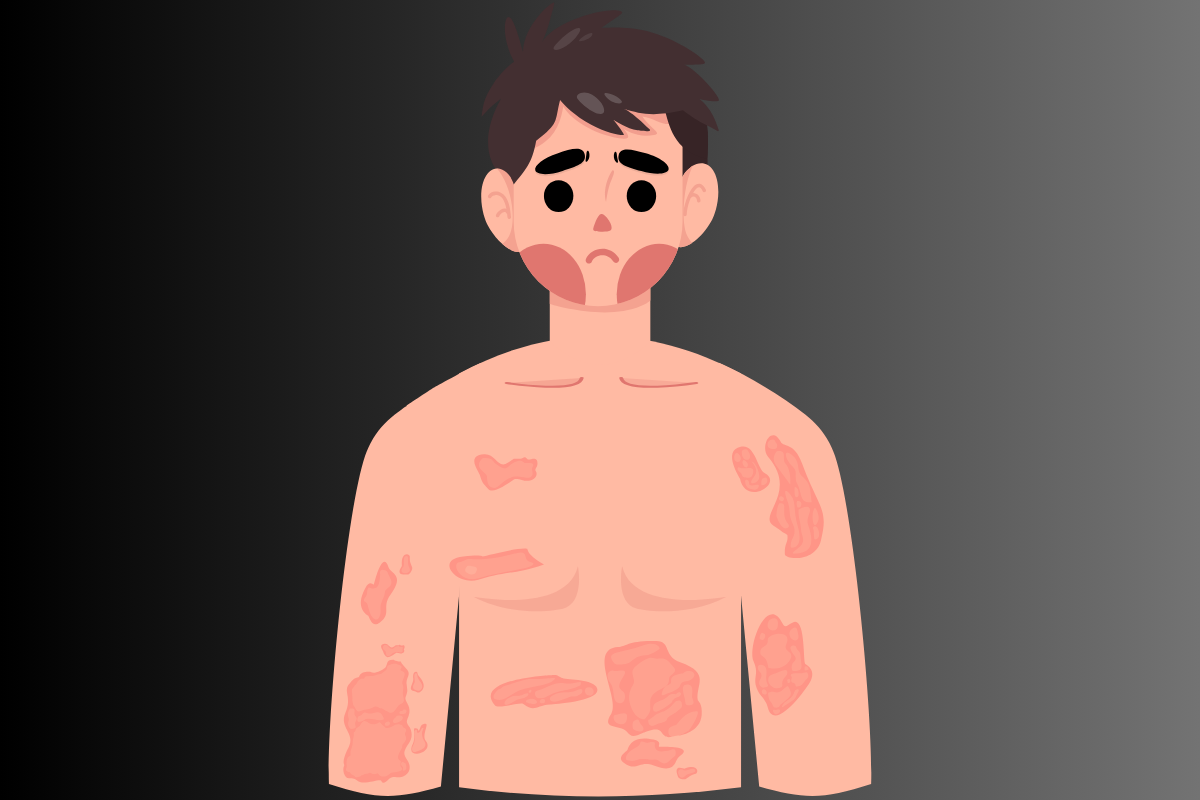
What is a bacterial infection?

A bacterial infection is caused by pathogenic bacteria that invade tissues or blood and may trigger local inflammation, fever, pus formation and systemic illness. Presentation varies by site (skin, respiratory, urinary, wound, bloodstream). Prompt clinical assessment and diagnosis (culture, labs, imaging) determine if antibiotic therapy or urgent interventions are required.

Critical safety — medical care first

Important: Many bacterial infections require timely antibiotics or surgical care — delaying appropriate medical treatment can cause harm. Ayurvedic therapies may be used only as adjunctive supportive care (symptom relief, local wound care, immune support) and never as a substitute for indicated antibiotics, drainage of abscesses, or hospital care. Clinical testing (microbiology, relevant blood tests) and clinician-guided antibiotic stewardship are essential.

If you suspect a serious infection (high fever, spreading redness, rapid heart rate, shortness of breath, severe pain, pus, signs of sepsis), seek emergency medical care immediately.

Common symptoms by site

General / systemic

  • Fever, chills, sweats
  • Fatigue, body aches
  • Elevated white cell count, CRP on blood tests

Local signs

  • Skin/wound: redness, warmth, swelling, pus/abscess
  • Respiratory: productive cough, chest pain, breathing difficulty
  • Urinary: burning, frequency, flank pain
  • ENT/upper airway: sore throat, nasal discharge, sinus pain

Ayurvedic principles for infections

  • Identify acute vs. chronic — acute severe infections need modern medical care first.
  • Reduce Ama and local inflammation, support Agni (digestion) and Bala (immunity) with physician-prescribed herbs and diet.
  • Use topical/local measures (lepa/poultices, fomentation, cleanses) for wounds and localized infections under supervision.
  • Maintain strict hygiene, wound care and follow microbiology results — do not rely on topical measures alone for deep/ systemic infections.

Therapies commonly used as adjuncts (with photos)

Only therapies listed here are those commonly used as **adjunctive supportive measures** for symptomatic relief, local wound management and to support recovery — each requires professional assessment and, for infected/wet wounds or systemic infections, must be coordinated with medical care.

Lepam herbal paste therapy

Lepam (Herbal Pastes) — Local care

What it is: Application of freshly prepared herb pastes (antiseptic/anti-inflammatory herbs) to infected or inflamed skin areas to cool, draw out toxins and support wound care.

  • Used for superficial wounds, local skin inflammation and as a dressing adjunct after clinical debridement.
  • Formulations and sterility must be managed by clinicians; not for deep abscesses that require drainage.
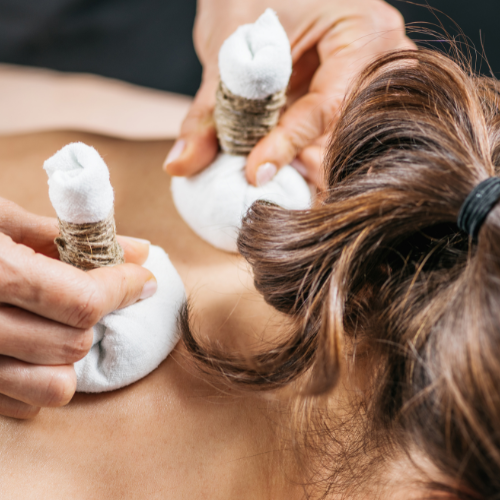
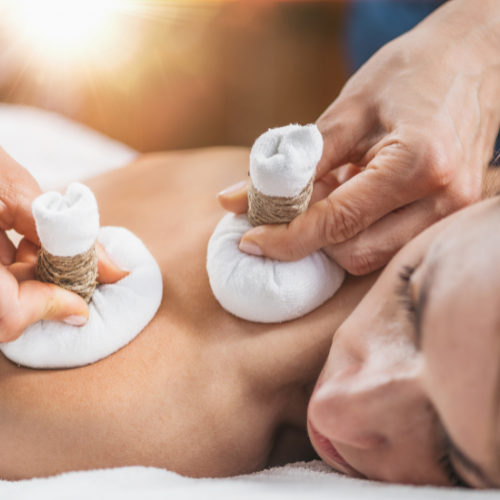
Churn potli herbal warm poultice

Churn Potli (Herbal Powder Poultice)

What it is: Warm poultice prepared from powdered herbs tied in cloth and applied to localized painful, inflamed areas to reduce pain and promote circulation.

  • Helpful for local pain and to stimulate local circulation; used after assessment and when there is no uncontrolled infection requiring surgical care.
Patra potli herbal leaf poultice

Patra Potli (Leaf Poultice)

What it is: Poultice made from medicinal leaves (e.g., turmeric, neem in traditional practice) used topically to cool inflammation and protect skin.

  • Used as an adjunct dressing or compress for superficial inflammatory wounds; choice of leaves/formula depends on clinical context.
Swedan steam therapy

Swedan (Local/General Fomentation / Steam)

What it is: Controlled steam or fomentation to relieve local pain, improve circulation and help local drainage in selected cases.

  • Useful for sinus/respiratory congestion (as adjunct to medical treatment) or for local muscle/soft tissue pain; avoid heat over actively spreading wound without clinical approval.
Nasyam nasal therapy

Nasyam (Nasal Therapies) — ENT adjunct

What it is: Administration of suitable medicated drops or oils into the nose to support mucosal health, reduce nasal congestion and improve drainage in non-severe upper respiratory infections.

  • Used as adjunct in selected sinus / upper respiratory conditions under clinician guidance; not a replacement for antibiotics when bacterial infection is confirmed.
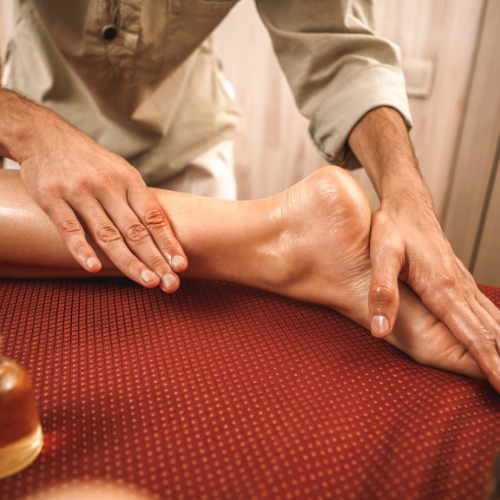
Abhyanga warm oil massage

Abhyanga (Gentle Oil Massage) — Systemic support

What it is: Gentle full-body massage to reduce systemic stress, support circulation and help recovery in convalescent phase.

  • Useful during recovery to reduce fatigue and support immunity; intensity reduced in frail patients or while fever is high.
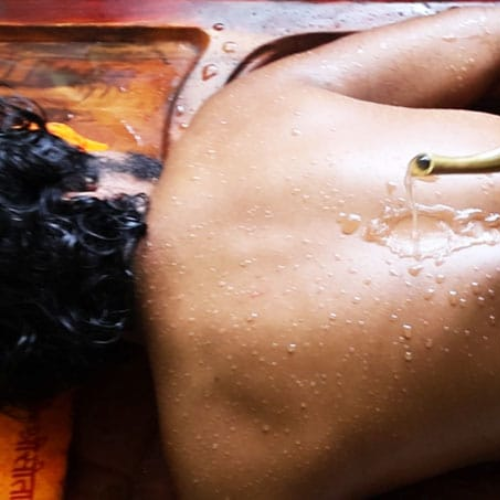
Kashaya Dhara herbal decoction pouring

Kashaya Dhara (Herbal Decoction Pouring) — Soothing adjunct

What it is: Continuous pouring of a carefully chosen warm decoction (e.g., anti-inflammatory, antiseptic herbs) over chest/abdomen to soothe and support local circulation in select cases.

  • Used only when clinically appropriate and with liver-safe, infection-aware formulations.

Herbs & supportive measures

Commonly used medicines (by qualified physician)

  • Guduchi (Tinospora cordifolia): immunomodulatory and anti-inflammatory—used under supervision.
  • Triphala / Haritaki / Neem / Turmeric (Curcuma): used topically or internally in physician-prescribed formulations for mild superficial infections or as supportive measures.
  • Local antiseptic washes & hygienic wound dressing: essential—Ayurvedic pastes do not replace sterile care when needed.

Diet & lifestyle

  • Light digestible foods, adequate fluids, avoid heavy oily meals while infection is active.
  • Rest and sleep to support immune function; avoid unprescribed self-medication.
  • Follow hygiene & wound care instructions strictly to prevent spread or worsening.

All internal medicines must be prescribed by a qualified Ayurvedic physician and coordinated with lab results and any required antibiotics. Herbs can interact with drugs—always disclose medications to your provider.

Sample clinic pathway (adjunctive)

Acute suspected bacterial infection
  • Urgent medical assessment, cultures, start antibiotics if indicated
  • Local wound care, drainage if abscess present
  • No heat/poultices over spreading infection unless surgeon approves
Adjunctive clinic support
  • After medical stabilization: Lepam / Patra Potli / Churn Potli for local inflammation (sterile technique)
  • Nasyam for selected ENT support, Swedana for congestion after assessment
  • Gentle Abhyanga and nourishing measures during recovery
Rehabilitation
  • Herbal immune-nourishing formulas (physician-prescribed)
  • Diet, hygiene counseling, follow-up labs

Individualization and infection-control practices are mandatory; any sign of worsening requires immediate return to medical care.

Quick reference — therapies & roles

TherapyPrimary role (adjunct)Notes
LepamTopical cooling / local antiseptic pasteFor superficial inflamed wounds; sterile prep
Churn Potli / Patra PotliLocal poultice for pain, inflammationUse after clinical assessment
SwedanaFomentation for congestion / painAvoid heat on spreading infections without approval
NasyamUpper airway / sinus adjunctAdjunct—does not replace antibiotics when needed
AbhyangaSystemic support during recoveryGentle; avoid during high fever
Kashaya DharaLocal soothing pourUsed selectively with infection-aware formulations

Need a safe, coordinated plan?

Book a consultation — we'll review your tests, coordinate with medical teams, and design a safe adjunctive Ayurvedic plan that complements evidence-based medical care.

Book Consultation

Treatments are provided by qualified Ayurvedic clinicians. Severe, spreading or systemic infections must be managed medically first.