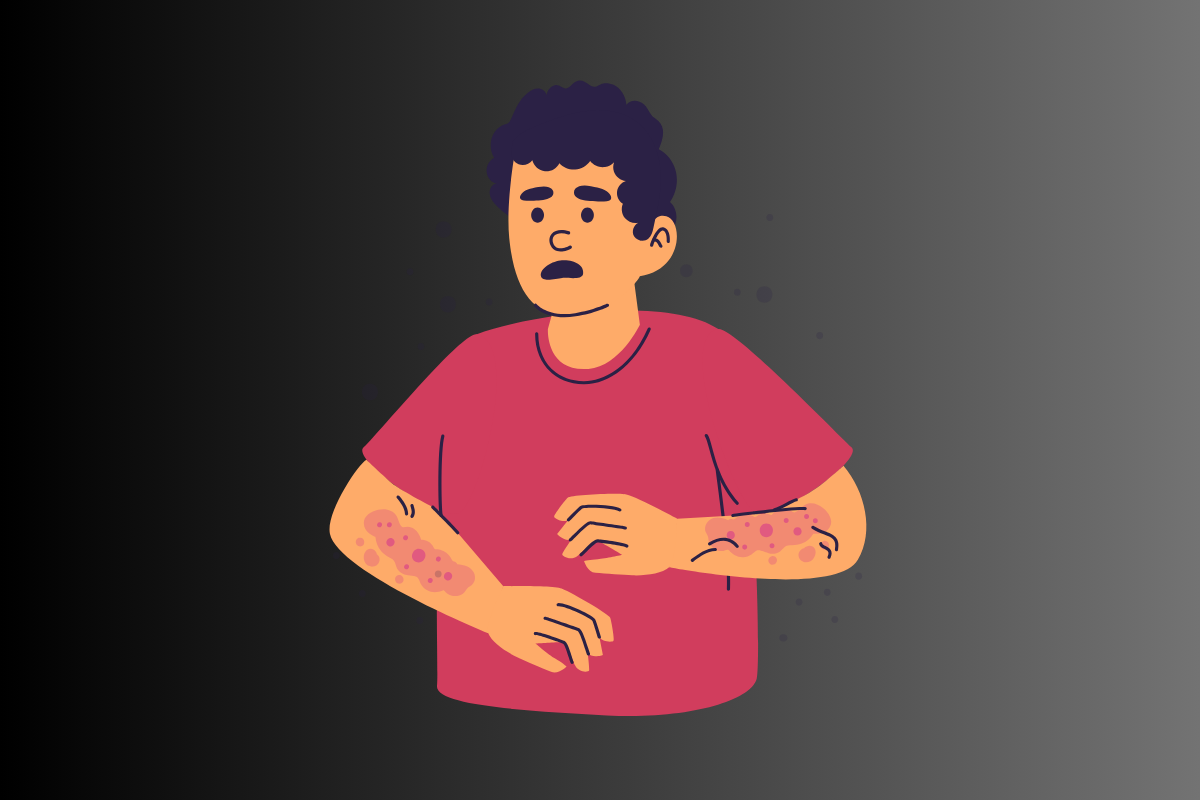
What are Skin Rashes?
Skin rashes are visible inflammation or alteration of the skin presenting as redness, bumps, itching, scaling, blisters or patches. Causes include allergic contact, infections (bacterial, fungal), insect bites, drug reactions, autoimmune conditions, heat/rash (intertrigo), and systemic metabolic causes. Accurate medical evaluation is essential to determine the cause and rule out urgent conditions (e.g., severe drug reactions).
Common signs & investigations
- Symptoms: itching (pruritus), redness, raised lesions, oozing, scabbing, scaling, burning.
- Important checks: clinical dermatological exam, skin swab or scraping (if infection suspected), patch testing for allergies, relevant blood tests if systemic disease suspected.
- Red flags: rapidly spreading rash, fever, mucosal involvement, blistering, breathlessness — seek immediate medical care.
Ayurvedic perspective
In Ayurveda many skin disorders are classed as Kushtha. Rashes often result from Pitta and/or Kapha imbalance with accumulation of Ama (toxins) and impaired Agni (digestive/metabolic fire). Treatment aims to remove toxins, pacify Pitta/Kapha, restore skin tissue (Rasa/Rakta), and strengthen digestion and immunity.
Critical Safety Note
Before starting Ayurvedic therapies, get a medical assessment to rule out infections, drug reactions, or systemic causes. Some rashes require urgent conventional care. Our Ayurvedic treatments are used as complementary care and are tailored after diagnosis — invasive or detox procedures are only done with clearance.
Ayurvedic Care Pathway for Skin Rashes
- Assessment & diagnosis: Determine type (allergic, infectious, inflammatory) and rule out urgent causes.
- Local management: Topical pastes (Lepam), medicated baths and oil applications to soothe, dry, or moisturize depending on the rash type.
- External therapies: Abhyanga, Udvartana, Swedan and specialized potli therapies to reduce inflammation, clear toxins, and improve circulation to the skin.
- Systemic support: Mild internal herbs to digest Ama and balance Pitta/Kapha; Virechana (therapeutic purgation) is considered selectively for persistent Pitta-dominant dermatoses after clearance.
- Preventive measures: Diet, avoiding triggers (allergens, certain topical products), hygiene and lifestyle changes to prevent recurrence.
Therapies We Use for Skin Rashes — with reference images
Below are clinic therapies particularly helpful for managing various types of rashes. Each therapy includes a clinic reference photo. Therapies are chosen based on rash type (oily/oozing vs dry/scaly vs allergic) and patient stability.
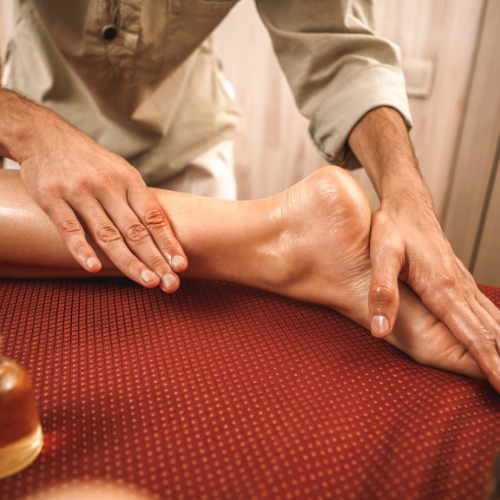
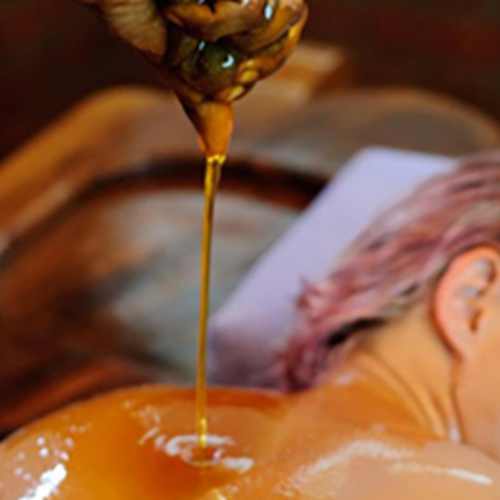
Abhyanga (Warm Oil Massage)
What it is: Gentle full-body herbal oil massage using cooling or balancing oils chosen for skin type.
- Soothes inflammation, calms Pitta, nourishes skin and improves lymphatic drainage.
- Helps reduce itching and promotes skin barrier repair when appropriate oils are used.
- Frequency and oil choice (e.g., coconut, neem-infused oils) are tailored to rash characteristics.
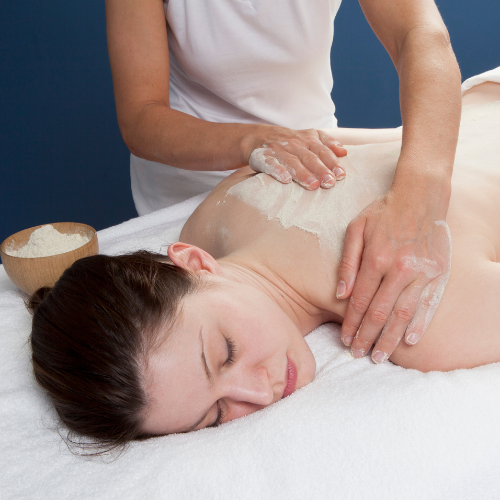
Udvartana (Herbal Powder Massage)
What it is: Dry or slightly oiled powder massage with specific herbal mixes.
- Beneficial for scaly, keratotic, or chronic plaque-like rashes — helps exfoliate, reduce Kapha accumulation and improve circulation.
- Performed gently over affected areas to avoid trauma; useful in restoring skin texture.
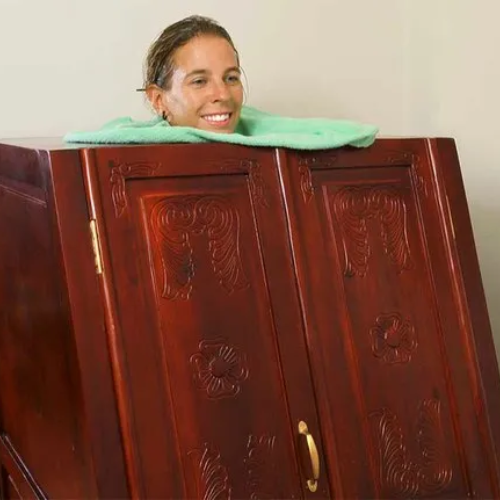
Swedan (Therapeutic Sudation/Steam)
What it is: Local or mild whole-body steam to open pores and support elimination of toxins.
- Helps in cases with blocked pores, reduces stiffness, and prepares the skin for topical treatments.
- Used cautiously in inflamed, oozing rashes — local mild steam preferred over vigorous whole-body steam.
Lepam (Topical Herbal Pastes)
What it is: Direct application of topical pastes made from skin-soothing herbs (e.g., neem, turmeric, yashtimadhu) tailored to the rash.
- Immediate local anti-inflammatory, antiseptic and cooling effects for pustular, itchy or inflamed rashes.
- Formulations and duration selected to avoid irritation; excellent for contact dermatitis, fungal adjunct care (with medical coordination).
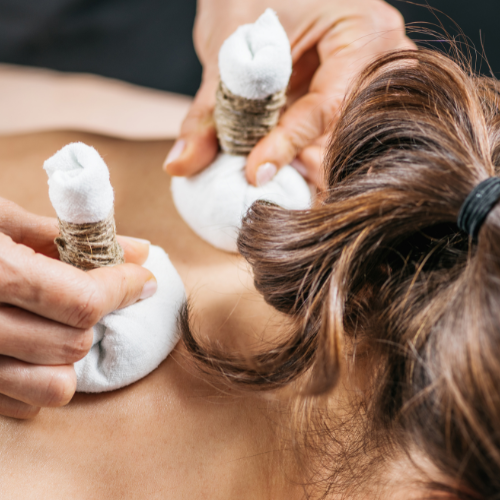
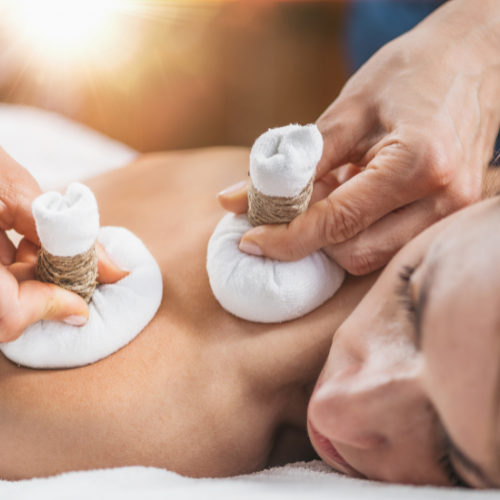
Churn Potli (Herbal Poultice)
What it is: Warm herbal boluses (powder packs) applied locally to affected areas.
- Delivers herbal actives directly, reduces local swelling and soothes itching.
- Useful for localized eczematous patches, insect-bite reactions and stubborn plaques.
Patra Potli (Leaf/Herb Poultice)
What it is: Fresh herb/leaves (e.g., neem, turmeric, patra) heated and applied as a poultice.
- Natural antiseptic and cooling action — good for inflamed and oozing lesions when performed under supervision.
- Chosen when a cooling, leafy extract is preferable to an oil-based application.
Medicated Oil Bath (Sneha Snana)
What it is: Lukewarm medicated oil or decoction bath to cleanse and nourish skin.
- Helps soothe widespread dryness, reduce scaling and support repair of the skin barrier.
- Used as a wash or short soak depending on the rash (avoid long oily soaks for infected/oozing rashes).
Kashaya Dhara (Herbal Decoction Pouring)
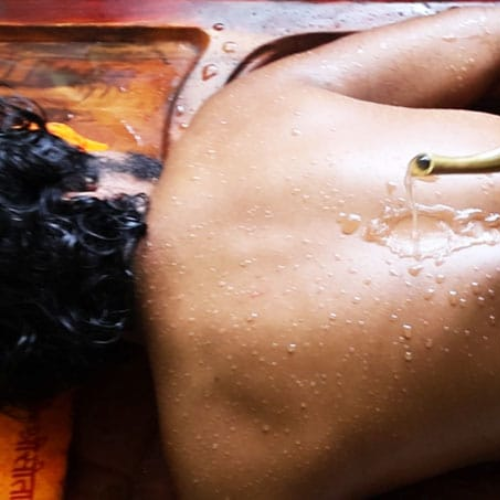
What it is: Gentle pouring of a warm herbal decoction over affected regions (or body) for soothing effect.
- Selected decoctions provide local anti-inflammatory and antiseptic support for sensitive rashes.
- Useful in sub-acute or recovery phases to calm persistent redness and irritation.
Virechana (Therapeutic Purgation) — Selective
What it is: Controlled purgation to eliminate Pitta-related toxins systemically.
- Considered for chronic, Pitta-dominant dermatoses that do not respond to topical care — only after thorough medical and Ayurvedic assessment.
- Requires preparatory oleation, monitoring and post-procedure care.
Herbal Medicines & Nutritional Support
Internal medicines and diet are selected for safety and efficacy. We prioritize herbs with topical and systemic benefits while avoiding hepatotoxic or irritant agents. All internal medicines are prescribed after assessment.
- Neem (Azadirachta indica): Antiseptic, anti-inflammatory — used topically and internally in controlled doses.
- Turmeric (Curcuma longa): Anti-inflammatory and wound-healing support when appropriate.
- Manjistha (Rubia cordifolia): Blood purifier traditionally used in skin conditions; used carefully with monitoring.
- Diet: Cooling, Pitta-pacifying foods — rice, buttermilk, cooked vegetables, fresh fruits like pears and melons (if tolerated).
- Avoid: Spicy foods, alcohol, fried/oily heavy foods and known allergens.
- Topical hygiene: Gentle cleansers, avoid harsh soaps, pat dry and apply prescribed medicated pastes/oils.
In suspected infectious rashes (bacterial/fungal), combine Ayurvedic local care only after appropriate antimicrobial treatment or diagnostics as directed by your clinician.
Sample Clinic Plans (examples)
Mild / Acute allergic/contact rash- Clinical evaluation and remove trigger
- Topical Lepam (cooling paste), short course of Abhyanga with cooling oil, local Swedan if needed
- Dietary adjustments & topical hygiene
Chronic dry/scaly rash (Kapha/Vata features)- Udvartana sessions to exfoliate + Abhyanga with nourishing oils
- Medicated oil bath and Njavara-style nourishment if weakness present
- Internal herbs to strengthen skin and digestion
Inflamed/pustular or persistent Pitta rash- Topical Lepam, Patra/Churn potli for local antisepsis
- Consider systemic clearance (Virechana) only after full medical and Ayurvedic assessment
- Follow-up and maintenance with diet and periodic topical therapy
Every plan is individualized. Procedures are modified for children, pregnant women and patients with significant comorbidities.
Quick Reference — Therapies & Roles
| Therapy | Primary role | Notes |
|---|
| Abhyanga | Soothing, nourishment | Cooling oils for Pitta rashes; gentle technique |
| Udvartana | Exfoliation, Kapha reduction | Good for scaly chronic rashes |
| Lepam | Topical anti-inflammatory/antiseptic | Used directly on lesions under supervision |
| Churn / Patra Potli | Local poultice, antiseptic | Warm or cool application based on rash |
| Swedan | Pore opening, preparation | Prefer local mild steam for inflamed lesions |
| Virechana (selective) | Systemic Pitta detox | Only for chronic Pitta dermatoses after clearance |
Need a safe Ayurvedic plan for your skin?
Book a consultation — we will examine the rash, run/coordinate necessary tests, and design a stepwise, monitored plan combining topical therapies and sensible internal support.
Book ConsultationTreatments are supervised by qualified Ayurvedic physicians. Medical clearance and tests are required when infection or systemic involvement is suspected.