What are Skin Infections?
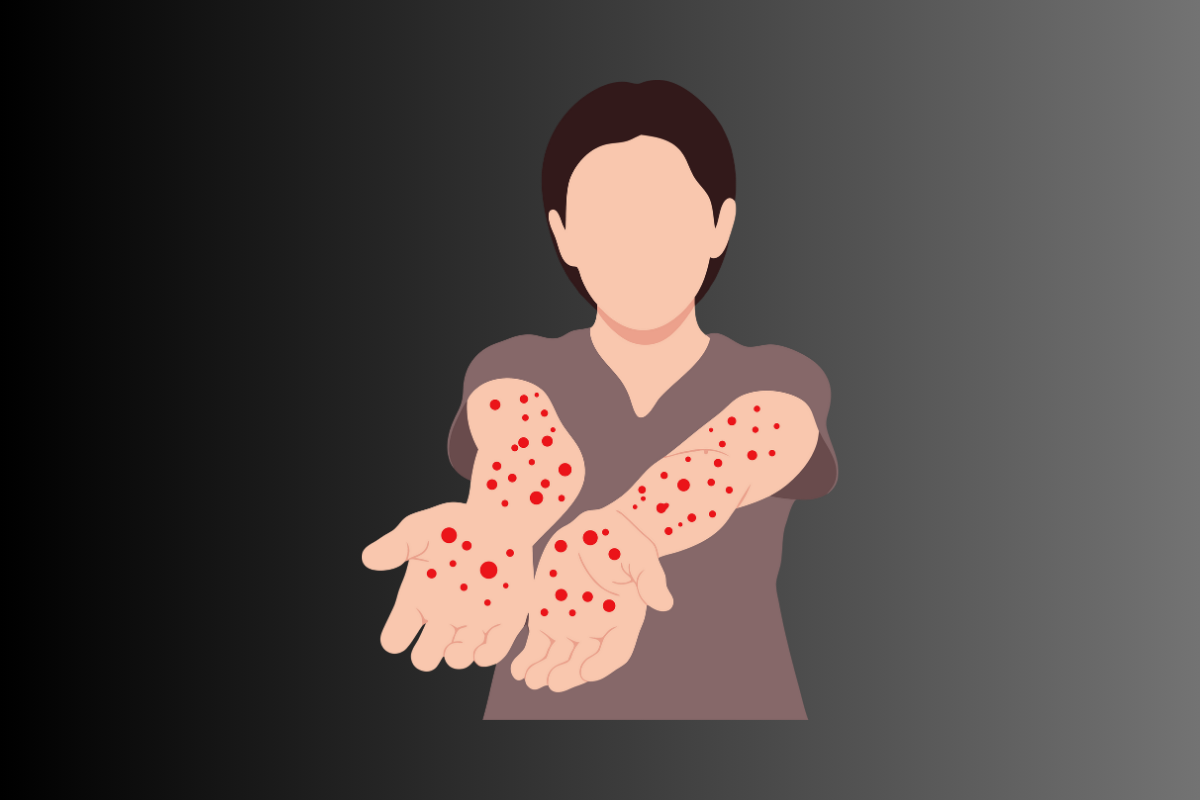
Skin infections are invasions of the skin by bacteria, fungi, parasites or viruses causing local inflammation, irritation and sometimes systemic illness. Common types include bacterial cellulitis/impetigo, fungal tinea/candidiasis, viral lesions and secondary infected eczema. Accurate diagnosis (clinical exam, swab/culture, KOH, dermatologist consult) determines whether immediate medical therapy (antibiotics/antifungals) is required.
Common signs & investigations
- Symptoms: redness, warmth, swelling, pain/tenderness, pustules, oozing, crusting, scales, itching and sometimes fever.
- Investigations: skin swab for bacterial culture, KOH mount for fungus, Wood's lamp, CBC if systemic signs; referral to dermatologist when needed.
- Red flags: spreading redness, high fever, lymphangitic streaking, systemic toxicity — seek emergency medical care.
Ayurvedic perspective
In Ayurveda, many skin infections fall under Kustha and Vraṇa categories — typically Pitta or Kapha-Pitta imbalances with accumulation of Ama (toxins) and impaired local Agni. Treatment aims to remove local toxins, pacify doshas, heal tissue and restore skin immunity using topical therapies, internal medicines and selective detoxification.
Critical Safety Note
If you suspect an active bacterial/fungal infection, get a medical diagnosis first. Ayurvedic therapies can complement antimicrobial therapy during healing and recurrence prevention, but they do not replace indicated systemic antibiotics or antifungals for acute infections. We coordinate with treating physicians and require diagnostic confirmation before proceeding with clinic procedures.
Ayurvedic Care Pathway (Integrated)
- Medical evaluation & diagnosis: Confirm organism (bacterial/fungal), assess severity and need for systemic antimicrobials.
- Topical & local therapies: Antiseptic washes, herbal pastes (Lepam), decoction fomentation and medicated oil applications for local cleansing and healing.
- Systemic support: Shamana (internal herbal support) such as Neem, Manjistha, Haridra (turmeric) and Triphala under clinician supervision.
- Selective clinic procedures: Abhyanga, Swedana, Udvartana, Patra/Churn Potli, Oil Bath and Lepam — chosen to reduce local inflammation, promote cleansing and speed epithelial healing.
- Hygiene & diet: Gentle cleansing, avoid irritants, Pitta/Kapha-pacifying diet and strategies to reduce recurrence (avoid tight clothing, keep affected area dry).
Clinic Therapies Useful for Skin Infections — with reference images
Below are clinic therapies frequently used to support healing of skin infections and inflammatory skin lesions. Each entry includes a reference photo. Therapies are individualized and performed only after medical clearance.
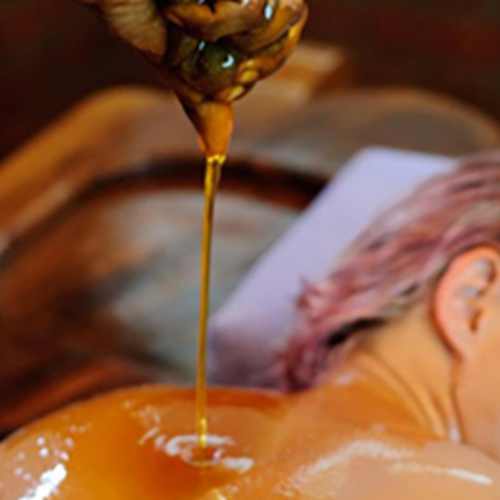
Oil Bath (Local Medicated Bath)
What it is: Warm medicated oil or decoction bath applied locally or as a partial bath to cleanse and soothe infected/irritated areas.
- Helps soften crusts, loosen debris and allows gentle cleansing without harsh soaps.
- Oils combined with antiseptic herbs (e.g., Neem or Haridra extracts) support local microbial control and reduce inflammation.
Lepam (Herbal Pastes & Poultices)
What it is: Topical application of cooling/antiseptic herbal pastes (Neem, Manjistha, turmeric, trikatu blends) to infected or inflamed skin.
- Directly reduces local inflammation, supports debridement of crusts and promotes epithelialisation.
- Applied in clean clinic settings with sterile technique; formulation chosen based on infection type and skin sensitivity.
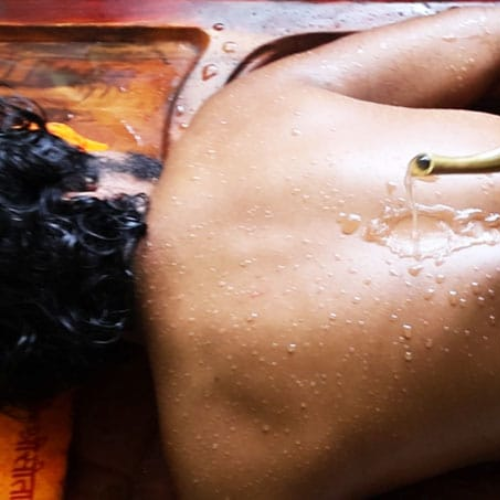
Kashaya Dhara (Herbal Decoction Pouring)
What it is: Controlled pouring of warm medicinal decoctions over affected areas (or local compresses soaked in decoction) with antiseptic and anti-inflammatory herbs.
- Soothes burning, reduces local inflammation and aids gentle cleansing without irritating the tissue.
- Decoctions are selected for skin safety and antimicrobial properties (e.g., neem, manjistha, daruharidra).
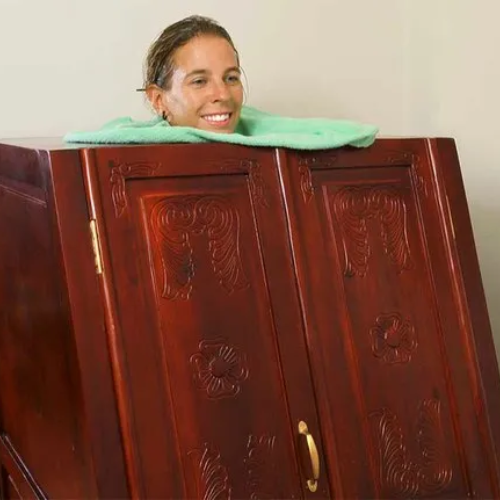
Swedan (Local Steam / Sudation)
What it is: Gentle localized steam therapy to open pores, aid softening of lesions and improve circulation for healing.
- Helps drainage of small pustules (under clinician supervision) and prepares tissue for topical applications.
- Used carefully — not indicated for widely weeping or heavily infected tissue; contraindicated when systemic infection signs present.
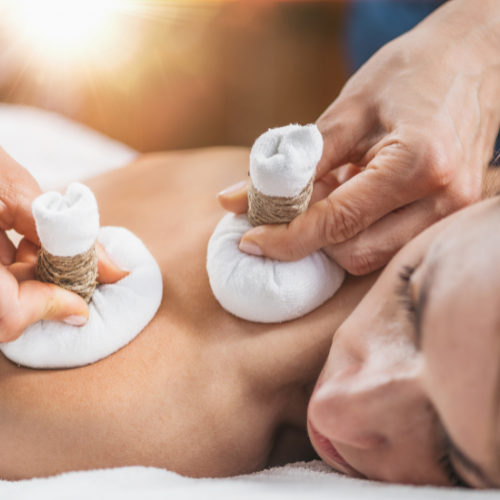
Patra Potli (Herbal Leaf Poultice)
What it is: Warm poultices made from specific medicinal leaves (e.g., Neem, Tulsi) applied to lesions to reduce infection and inflammation.
- Useful for localized infected patches and inflamed nodules — delivers antiseptic phytochemicals locally.
- Applied and changed under hygienic clinic conditions to avoid secondary contamination.
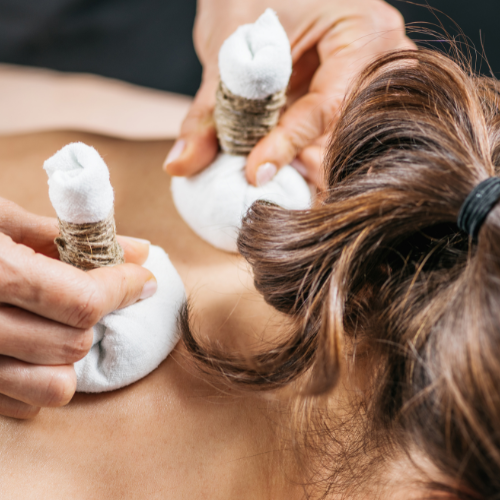
Churn Potli (Powdered Bolus Poultice)
What it is: Boluses of powdered herbs heated and applied locally to absorb exudate, draw out impurities and stimulate healing.
- Helps dry oozing lesions, reduce local discharge and support tissue repair when used appropriately.
- Selection of powders is individualized (e.g., turmeric-based, manjistha-based powders).
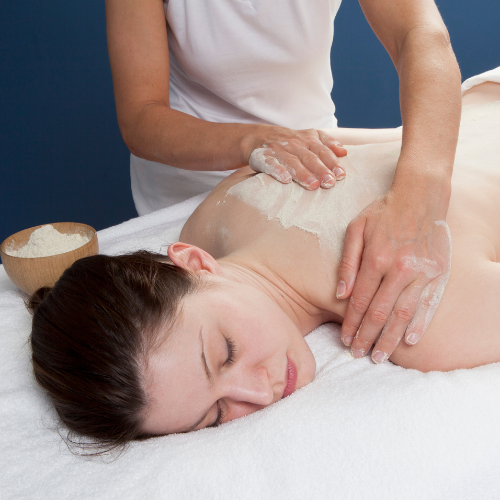
Udvartana (Medicated Powder Massage)
What it is: Gentle medicated powder massage that exfoliates dead skin, improves local circulation and helps remove superficial fungal elements and debris.
- Useful for scaly/fungal conditions (e.g., tinea) as an adjunct to antifungal therapy and topical Lepam.
- Applied carefully — avoided on raw open wounds; useful on surrounding skin and early lesions.
Virechana (Therapeutic Purgation) — Selective
What it is: Supervised purgation to remove Pitta-related toxins — used in chronic, recurrent Pitta-dominant skin diseases under strict medical evaluation.
- Considered only when indicated after stabilization and laboratory assessment; not for acute infected wounds requiring antibiotics.
- Performed with monitoring and as part of a full Panchakarma protocol when appropriate.
Herbs, Topicals & Hygiene
Topicals and internal herbs used in clinic are chosen for antimicrobial, anti-inflammatory and wound-healing properties — and vetted for skin safety.
- Neem (Azadirachta indica): Antibacterial, antifungal and anti-inflammatory — widely used topically and in washes.
- Manjistha (Rubia cordifolia): Blood-purifying and wound-healing; used in pastes and decoctions.
- Haridra / Turmeric (Curcuma longa): Antimicrobial and wound-healing; used topically (paste) and internally as adjunct.
- Triphala: Gentle internal detox, digestive support and immune-modulation.
- Topical care: Clean the area with mild medicated decoction/soaps, apply Lepam or antiseptic oil as advised, avoid occlusive dressings unless instructed.
- Hygiene: Keep lesions clean and dry, change dressings with sterile technique, avoid sharing towels/clothing.
- When to use medical antimicrobials: In clearly proven bacterial or deep infections, follow dermatologist/physician prescriptions first — Ayurveda complements during healing.
All internal medicines and topical formulations are prescribed after clinical assessment and considering drug–herb safety, especially when the patient is on systemic antifungals/antibiotics.
Sample Clinic Plans (examples)
Acute local infection (medical first)- Medical assessment & swab/KOH; start antibiotics/antifungals if indicated
- Local cleansing in clinic, antiseptic oil bath, sterile Lepam application
- Advice on wound care, dressings and hygiene; follow-up in 48–72 hours
Subacute / healing phase- Topical Lepam/Patra Potli or Churn Potli for cleaning and healing
- Supportive Kashaya Dhara or local oil bath and gentle Udvartana on surrounding skin
- Oral herbs (Neem, Manjistha, Triphala) to support immune response and digestion
Chronic recurrent lesions- Comprehensive assessment for underlying causes (diabetes, moisture, immunosuppression)
- Consider Virechana (selective) for Pitta-dominant recurrent Kustha after full medical workup
- Long-term hygiene, diet modification and periodic topical maintenance
We obtain informed consent, follow sterile clinic protocols for topical procedures and coordinate care with medical/specialist teams when systemic therapy is required.
Quick Reference — Therapies & Roles
| Therapy | Primary role | Notes |
|---|
| Lepam | Topical antimicrobial/anti-inflammatory | Used for direct lesion healing; sterile application |
| Oil Bath | Gentle cleansing & softening of crusts | Preferred over harsh soaps for infected areas |
| Kashaya Dhara | Soothing decoction pouring for inflammation | Decoctions chosen for antiseptic properties |
| Patra / Churn Potli | Local poultice to draw out impurities | Used in controlled clinic settings |
| Udvartana | Exfoliation & improved local circulation | Good for scaly/fungal conditions (not on open wounds) |
| Swedan | Local steam to prepare tissue | Helpful before topical applications; avoid on severe weeping lesions |
| Virechana | Systemic Pitta detox (selective) | Considered only for chronic recurrent Pitta-type skin disease after workup |
Have a persistent or recurrent skin infection?
Book a consultation — we'll review diagnostics, coordinate with your physician/dermatologist and design a safe, stepwise Ayurvedic plan to support healing.
Book ConsultationClinic procedures performed by qualified Ayurvedic physicians. Medical clearance is mandatory before certain procedures.