What is Autism?
Autism Spectrum Condition (ASC) is a neurodevelopmental condition characterized by differences in social communication, restricted and repetitive behaviours, and sensory processing differences. Presentation and severity vary widely. Early, multidisciplinary intervention (behavioural therapy, speech/occupational therapy, educational supports) is the standard of care. Ayurveda can provide supportive therapies to improve sleep, digestion, sensory regulation and overall resilience — as an adjunct to mainstream care.
Common features & assessments
- Social communication differences (eye contact, joint attention, spoken language delays in some).
- Restricted/repetitive behaviours, sensory hypersensitivity or hyposensitivity.
- Assessments: developmental pediatrics, psychological testing, speech & language, occupational therapy (sensory profile).
- Comorbidities: sleep problems, GI issues, anxiety, attention differences — address these with coordinated care.
Ayurvedic perspective (brief)
Classical Ayurveda describes neurodevelopment and behaviour under concepts like Balavriddhi, Manas (mind) and Vata/Kapha imbalances impacting sensory processing and neuro-motor coordination. Traditional strategies focus on early nurturing (Bala), strengthening digestion and ojas (vitality), calming Vata, and supporting brain tissue (Medha). In clinical practice we individualize treatment by age, developmental status and medical needs.
Important safety & realistic expectations
Autism is a lifelong neurodevelopmental condition. Ayurvedic therapies may help with sleep, digestion, sensory regulation, attention, and overall quality of life — but **they should not be presented as a guaranteed cure**. All plans must be coordinated with the child’s pediatrician, developmental pediatric team, and therapists. We recommend baseline medical review, developmental assessment and ongoing monitoring while providing any Ayurvedic interventions.
Clinic Care Pathway (Integrated & Child-safe)
- Multidisciplinary coordination: Work alongside pediatricians, speech & occupational therapists and developmental specialists.
- Gentle supportive therapies: Focus on calming the nervous system, improving sleep and digestion, regulating sensory thresholds and strengthening overall resilience.
- Pediatric modifications: Techniques and doses adapted for age — many adult Panchakarma procedures are modified or avoided in young children.
- Nutrition & behavior: Digestive rehabilitation, nutrient-dense food, consistent routines, sleep hygiene and sensory-friendly environments.
- Individualized herbs & supplements: Traditional herbs that support cognition or calm (e.g., Brahmi, Shankhapushpi) can be considered under physician supervision and after safety review.
Therapies We Use for Autism — with reference images
The therapies below are commonly used in clinic-based Ayurvedic programs for children and adolescents to support sleep, sensory regulation, digestion and neuro-restoration. Each therapy is individualized, performed by trained therapists and requires pediatric medical clearance.
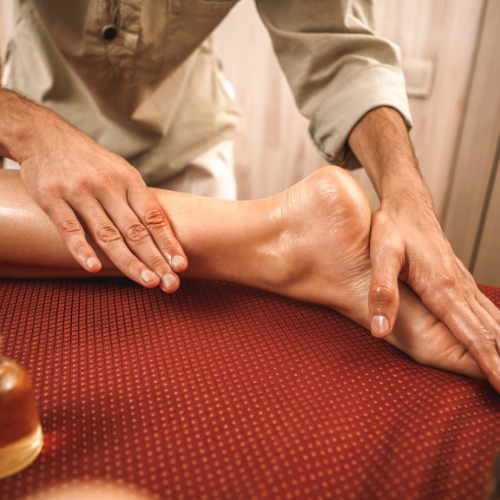
Abhyanga (Gentle Warm Oil Massage)
What it is: Age-appropriate warm herbal oil massage tailored to infants, children and adolescents to calm the nervous system and improve sleep.
- Calms Vata, reduces restlessness and improves sleep quality.
- Supports sensory modulation — regular gentle massage helps children with sensory-seeking or sensory-avoiding behaviours.
- Technique and oil selection (e.g., sesame with calming herbs) are adapted by age and skin sensitivity.
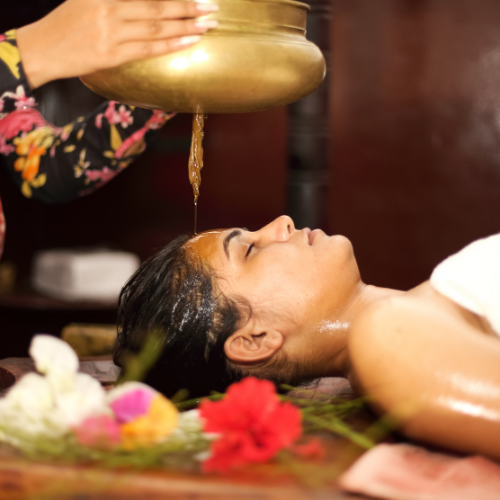
Shirodhara (Forehead Pouring) Calming
What it is: Gentle continuous stream of warm herbal oil or decoction on the forehead administered for a short, pediatric-modified duration.
- Helps reduce hyperarousal, improves sleep and supports attentional regulation.
- Used selectively in older children/adolescents under close supervision; session length and medium are modified for safety.
Nasyam (Nasal Therapy) — Adjunct
What it is: Very mild, age-appropriate nasal applications (small drops or oils) used to support appetite, smell, sensory processing and autonomic balance.
- Given only in carefully selected children and typically in modified, low-volume forms.
- May help with sleep, attention and sensory-related head symptoms when clinically indicated.
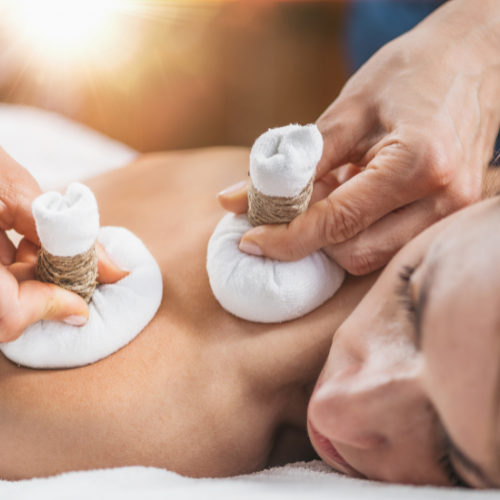
Njavara / Bal Kizhi (Nourishing Bolus Therapy)
What it is: Warm rice or herbal boluses (Njavara or specially prepared "bal" kizhies) applied to the body to nourish tissues and improve sleep and strength.
- Provides systemic nourishment, improves sleep and may reduce irritability or sensory overload.
- Protocols are modified for children (shorter sessions, milder decoctions).
Patra Potli / Churn Potli (Herbal Poultices)
What it is: Warm herbal poultices massaged over the body; chosen for calming and skin-friendly, sensory-comfort effects.
- Useful for children with sensory hypersensitivity — applied gently to provide comforting, rhythmic stimulation.
- Herbal contents are chosen for safety and calming properties.
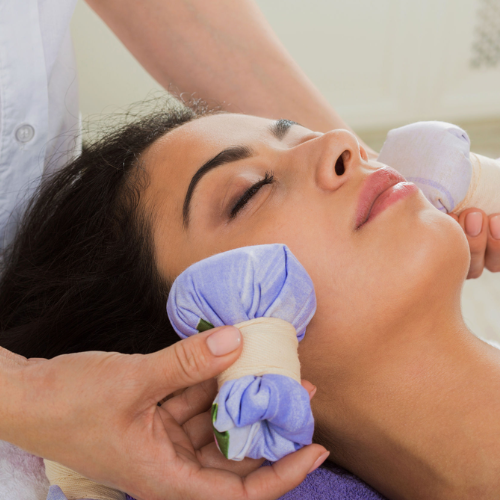
Navara Facial / Gentle Face Therapy
What it is: Gentle face and cranial-supportive treatments using soft boluses or poultices to soothe sensory overload and support sleep.
- Can be calming for children who have sensitivity around the head/face area.
- Performed with parent presence and clear consent, using child-safe, fragrance-free formulations.
Basti (Selected Use in Older Children / Adolescents)
What it is: Medicated enemas used selectively to support gut-brain axis and Vata balance in carefully selected, older children or adolescents.
- Only considered after careful pediatric & medical review; not used in very young children.
- May be part of a wider protocol aimed at regulating bowel habits, sleep and autonomic balance.
Herbs, Nutritional & Developmental Support
Herbs and nutrition below are used traditionally and clinically as supportive measures. All internal medicines must be prescribed by a qualified Ayurvedic physician with pediatric experience and only after medical review.
- Brahmi (Bacopa monnieri): Traditionally used to support cognition, memory and attention; dosing and formulation vary by age.
- Shankhapushpi: Used traditionally for calming and cognitive support in children (under supervision).
- Ashwagandha (carefully): Adaptogenic support for sleep and stress in older children/adolescents; avoid unless prescribed by clinician.
- Dietary basics: Regular, nourishing meals; simple warm preparations (rice, moong dal, cooked vegetables). Address gastrointestinal issues (constipation, reflux) which commonly affect behaviour and sleep.
- Micronutrients: Screen and correct deficiencies (iron, vitamin D, B12, zinc) in coordination with pediatrician — deficiencies can worsen attention and behaviour.
- Probiotics & Gut health: Gut-brain axis plays a role in sleep and behaviour; any supplementation should be evidence-based and supervised.
- Routine & environment: Consistent daily routines, sensory-friendly spaces, sleep hygiene and behavioural therapies are essential.
Herbal and supplement choices must be individualized and safety-checked (age, weight, concurrent medications, allergies). We avoid untested, aggressive detox interventions in children.
Sample Clinic Supportive Plans (examples)
Early support (infants & toddlers)- Parental guidance, sensory diet & structured routines
- Gentle oil massage (Abhyanga) and cranial soothing therapies
- Coordination with early intervention and pediatric review
Preschool & school-age- Individualized Abhyanga, poultice sessions, Navara facial and short Shirodhara (older children)
- Herbal support (Brahmi/clinically indicated) and digestive rehabilitation
- Ongoing speech/OT and behavioural therapy coordination
Adolescents- Modified Shirodhara, Nasyam (if indicated), selected Basti protocols in older adolescents under supervision
- Focus on sleep regulation, anxiety management and school support planning
All plans are examples. Actual protocols depend on developmental profile, medical history, concurrent therapies and family preferences. We prioritise less-invasive, child-friendly approaches.
Quick Reference — Therapies & Roles
| Therapy | Primary role | Child-safety notes |
|---|
| Abhyanga | Calming, sleep improvement, sensory regulation | Adapt oil & pressure; parental presence recommended |
| Shirodhara | Nervous system regulation, sleep | Short, modified sessions for older children only |
| Nasyam | Autonomic & appetite support | Very low-volume, selective use |
| Njavara / Bal Kizhi | Nourishment, improved sleep & strength | Use mild decoctions and short sessions |
| Patra/Churn Potli | Comforting sensory stimulation | Use gentle technique, watch for skin sensitivity |
Looking for a safe, child-centred Ayurvedic program?
Book a pediatric consult — we review development reports, coordinate with your child’s care team, and design a gentle, monitored plan that complements early intervention and therapies.
Book ConsultationAll pediatric procedures are performed by qualified Ayurvedic physicians and experienced therapists. Medical and developmental clearance is required before starting any clinic protocols.