What is Parkinson’s Disease?
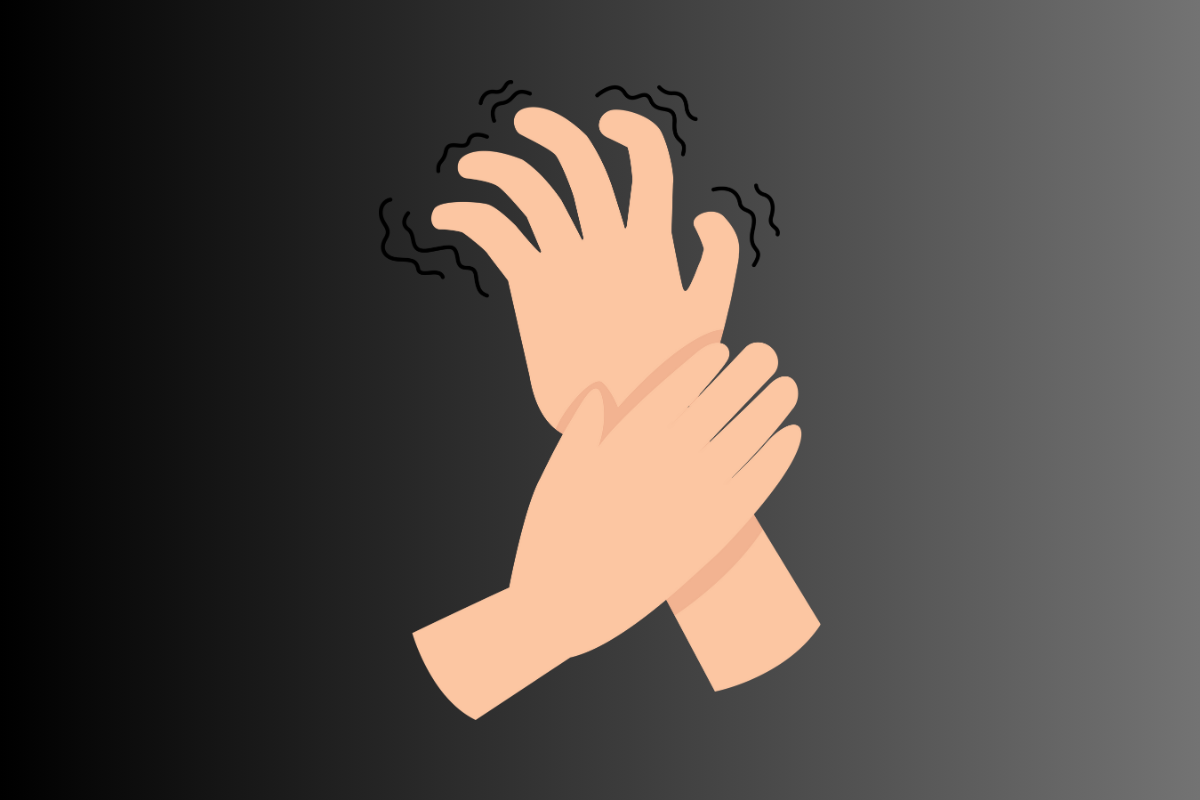
Parkinson’s disease (PD) is a progressive neurological disorder characterized mainly by tremor, slowness of movement (bradykinesia), rigidity and balance difficulties. It is caused by progressive loss of dopaminergic neurons in specific brain regions. Symptoms also include speech changes, sleep problems, mood changes and reduced automatic movements.
Common features
- Resting tremor (hands, legs), slowness of movement, muscle stiffness.
- Postural instability and gait difficulty in advanced stages.
- Non-motor symptoms: sleep disturbance, constipation, depression, cognitive changes.
Ayurvedic perspective
Ayurveda views Parkinson’s-like syndromes under Vatavyadhi or nervous system disorders where aggravated Vata affects motor control and nervous tissue. Treatment aims to pacify Vata, nourish Nervous system (Majja), improve circulation, and support mobility and sleep.
Ayurvedic Approach & Goals
Our clinic provides supportive, integrative care with these goals:
- Reduce tremor, rigidity and bradykinesia through Vata-pacifying local and systemic therapies.
- Improve sleep, mood and autonomic symptoms (constipation, digestion).
- Nourish nervous tissue (Majja) and strengthen muscles and balance.
- Coordinate with neurologist-prescribed medications — Ayurveda complements but does not replace conventional PD medications.
Clinic Therapies We Use for Parkinson’s Support (with photos)
Therapies below are selected for symptom relief, nervous system nourishment and functional improvement. Each entry includes a reference image from our clinic.
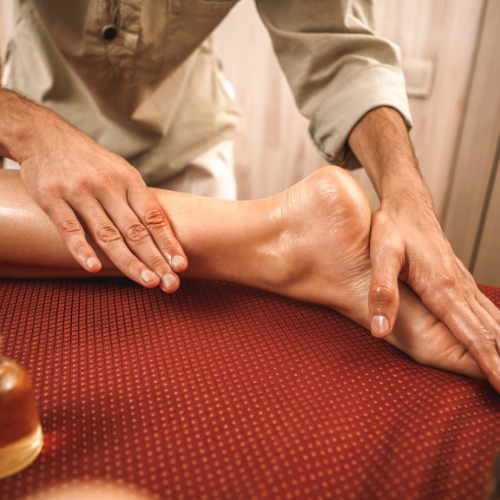
Abhyanga (Warm Oil Massage) PD
What it is: Full-body warm herbal oil massage tailored to pacify Vata and improve circulation.
- Reduces rigidity and muscle stiffness; improves microcirculation to nerves and muscles.
- Promotes relaxation, better sleep and reduced anxiety which can worsen motor symptoms.
- Used regularly (daily or alternate days in intensive phases) as part of a multi-modal program.
Herbal & Nutritional Support
We combine targeted Ayurvedic herbs and nutritional strategies that support nervous tissue, reduce oxidative stress and improve energy — all prescribed individually and coordinated with neurological care.
- Ashwagandha (Withania somnifera): Nervine tonic, supports strength, reduces fatigue and stress.
- Brahmi (Bacopa): Supports cognitive function and nervous system resilience.
- Shankhapushpi, Jatamansi: Calming herbs used for sleep, anxiety and neuroprotection.
- Dashmoola & Majja-nourishing rasayanas: Support Vata balance and nourish Majja (nervous tissue).
- Nutrition: Protein adequacy, omega-3 fats, B-vitamin rich foods and antioxidant-rich fruits/vegetables to support neuronal health.
All internal medicines are prescribed after assessment; we always coordinate with neurologists to avoid interactions with dopaminergic medications. Ayurveda is used to support symptoms and function — it does not replace prescribed PD drugs.
Rehabilitation, Exercise & Lifestyle
Physical therapy, movement training and daily routine are crucial to preserve function in Parkinson’s disease.
- Physio & movement therapy: Cueing, gait training, balance exercises and strength training to reduce falls and improve mobility.
- Speech & swallowing: Speech therapy for voice and swallowing support where needed.
- Sleep hygiene & stress management: Shirodhara, pranayama and guided relaxation improve sleep and reduce symptom burden.
- Home support: Safety modifications and caregiver education to optimize daily function.
Sample Clinic Plans — Examples
Symptom Relief Phase (2–3 weeks)- Daily Abhyanga + Njavara Kizhi (alternate days)
- Shirodhara sessions for sleep & anxiety
- Gentle Nasyam and localized Vasti as indicated
Stabilization & Nourish Phase (4–6 weeks)- Course of Basti with preparatory Snehapana when indicated
- Continued Shirodhara & Njavara cycles; integrated physio program
- Herbal rasayanas to nourish Majja and systemic Vata balance
Maintenance & Functional Care- Weekly/biweekly Abhyanga or Shirodhara as needed
- Ongoing physiotherapy, home exercise plan, dietary & sleep support
Treatment is tailored individually. Some procedures require medical clearance; coordination with neurologists ensures safe integration with PD medications.
Quick Reference — Therapies & Roles
| Therapy | Primary benefit | Used for |
|---|
| Abhyanga | Reduce rigidity, improve circulation | General motor symptoms, sleep |
| Shirodhara | Calm nervous system, improve sleep | Insomnia, anxiety, cognitive fatigue |
| Nasyam | Head-region nourishment | Speech, drooling, cranial symptoms |
| Basti | Systemic Vata pacification | General Vata-driven motor dysfunction |
| Njavara Kizhi | Muscle & nervine nourishment | Stiffness, mobility support |
Evidence, Safety & Medical Coordination
Ayurvedic therapies may help manage symptoms and improve quality of life in Parkinson’s disease, but PD is a progressive neurological disorder. Important safety notes:
- Ayurveda is used as supportive care and does not replace neurologist-prescribed dopaminergic or disease-modifying medications.
- We coordinate all interventions with the patient’s neurologist; some therapies require adjustments of timing relative to medication.
- Procedures such as Basti and Nasyam need medical assessment and are chosen with caution in frail or comorbid patients.
- Baseline assessments (neurological status, vital signs, medication review) are done before initiating therapy.
Interested in supportive Ayurvedic care for Parkinson’s?
Book a detailed assessment — we will review neurological history, medications, and design a safe, individualized plan combining therapies, herbs and rehabilitation to help manage symptoms and improve daily function.
Book ConsultationAll therapies are provided by qualified Ayurvedic physicians and coordinated with neurological care for safety and effectiveness.