What is Migraine?

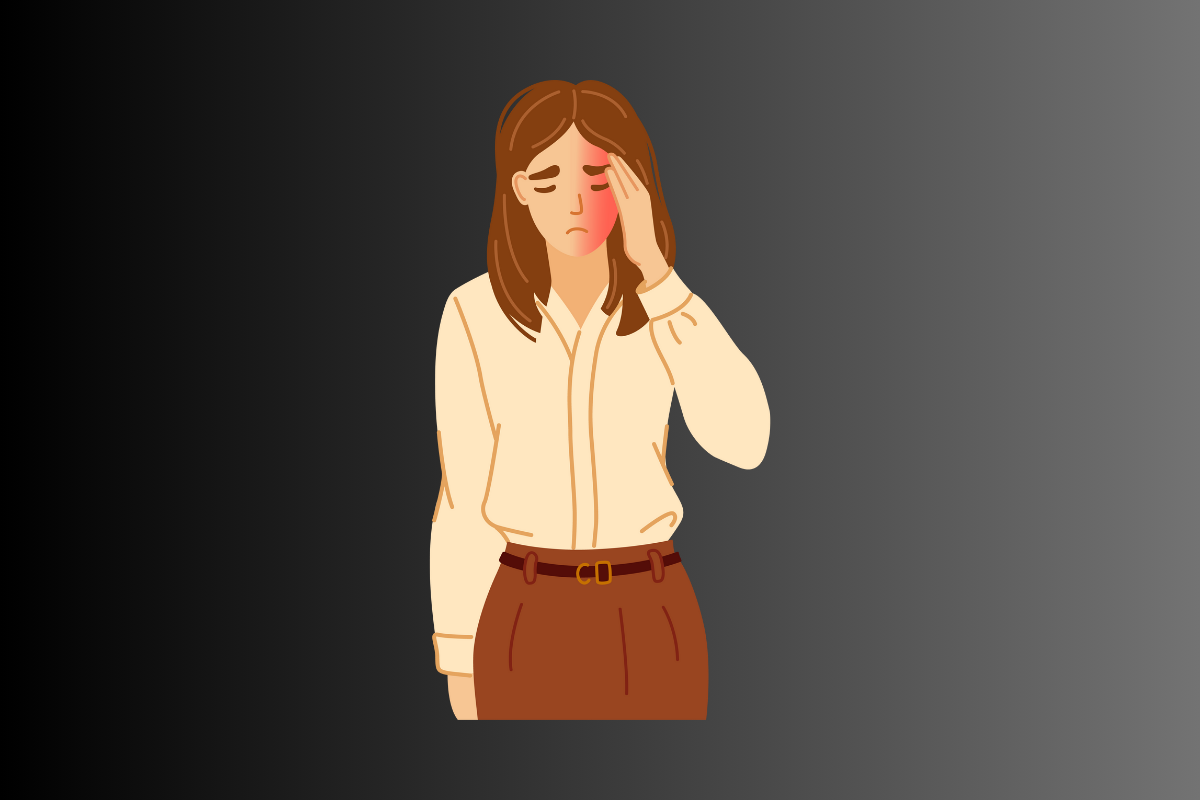
Migraine is a neurological disorder characterized by recurrent moderate-to-severe headaches, often unilateral, pulsating, and associated with nausea, sensitivity to light/sound, and sometimes aura. Attacks can last from hours to days and significantly impact quality of life.

Common features

  • Pulsatile or throbbing headache, often one-sided
  • Nausea, vomiting, photophobia and phonophobia
  • Possible aura (visual/neurological symptoms) before headache
  • Triggers: stress, sleep disturbance, certain foods, hormonal changes

Ayurvedic perspective

Migraines are commonly seen as a Vata and/or Pitta imbalance involving the head (Shiro) and nerves (Nadi). Ayurveda treats migraine by calming Vata, cooling Pitta when needed, clearing nasal channels, strengthening the nervous system and improving sleep and digestion.

Ayurvedic Approach to Migraine

Our clinic uses targeted, evidence-informed Ayurvedic therapies aimed at three goals:

  • Acute relief: rapid calming of pain and nausea using topical & local measures (lepam, mild Abhyanga, Shiro application) and nasya where appropriate.
  • Attack reduction: reduce frequency & severity through Shirodhara, Nasya, and neurotonic herbal medicines that strengthen nerves and reduce hyperexcitability.
  • Trigger control & resilience: diet, sleep hygiene, stress management (Shirodhara, Shiro Abhyanga), and tailored rasayanas.

Clinic Therapies — Useful for Migraine (with photos)

Below are therapies we provide that are particularly useful for migraine sufferers. Each therapy has a short practical note on when and how we use it.

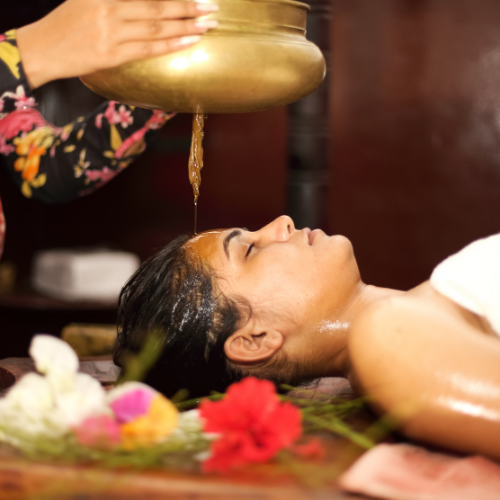
Shirodhara - warm oil poured on forehead

Shirodhara Migraine

What it is: Gentle, continuous pouring of warm herbal oil (or decoction/oil mix) over the forehead (Brow centre) in a steady stream.

  • Calms the autonomic nervous system and reduces stress-related triggers.
  • Helps reduce frequency and intensity of migraine by stabilizing the nervous system and improving sleep.
  • Best used as a series (e.g., 5–14 sessions) for preventive benefit; also excellent as an adjunct during recovery/post-attack phases.
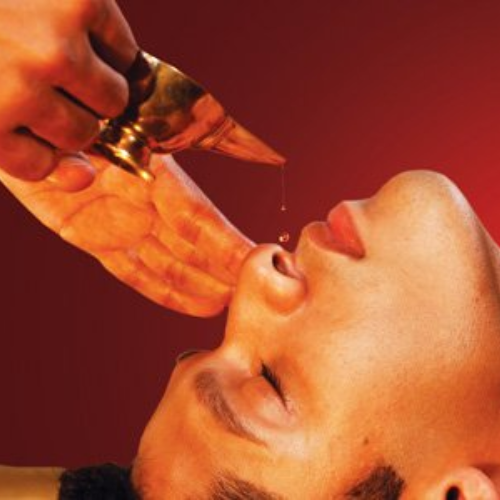
Nasyam - nasal administration of medicated oil

Nasyam (Nasya)

What it is: Administration of specialized medicated oils or drops into the nostrils under physician supervision.

  • Clears and calms the head region, improves nasal-pulmonary clearance and influences cranial circulation.
  • Useful for acute aura, early-stage migraine and for preventive maintenance in chronic migraineurs.
  • Requires precise dosing and selection of medicament — done only after assessment.
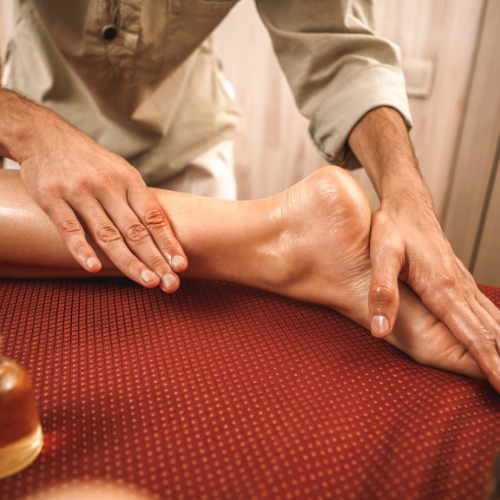
Abhyanga - warm oil massage

Abhyanga (Head & Neck focus)

What it is: Warm herbal oil massage — can be full body or focused to head, neck and shoulders for migraine relief.

  • Relieves muscular tension in neck/shoulders (cervicogenic contributors to migraine).
  • Improves circulation to cranial tissues and promotes relaxation.
  • Often combined with Shirodhara or Nasya for enhanced effect.
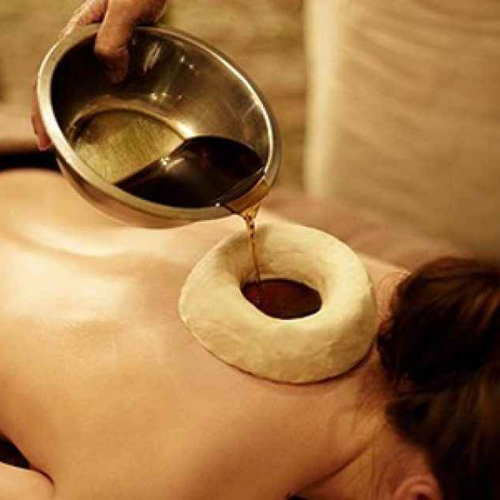
Greeva Vasti - neck oil retention therapy

Greeva Vasti (Cervical oil retention)

What it is: A dough ring is placed on the neck and warm medicated oil retained for a period to nourish cervical structures.

  • Highly effective in cervicogenic headaches and migraines aggravated by neck stiffness.
  • Reduces nerve compression, soothes muscles and improves neck mobility.
  • Used for patients with pronounced neck involvement or who have MRI/clinical signs of cervical strain.
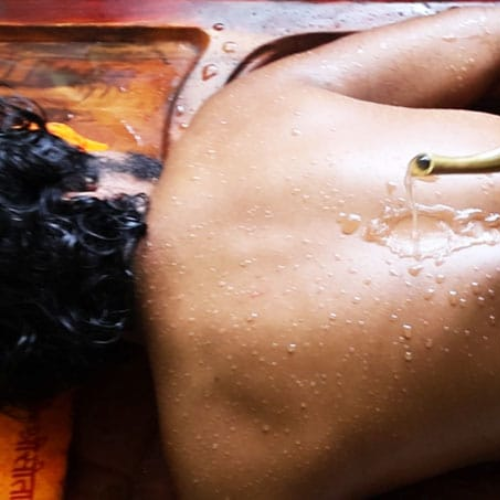
Kashaya Dhara - herbal decoction poured on head/region

Kashaya Dhara (Herbal decoction pouring)

What it is: Continuous pouring of warm, specific herbal decoctions over the forehead or head region.

  • Used when cooling / anti-inflammatory effect is required (Pitta-associated migraine).
  • Helps reduce local inflammation and relieves throbbing head pain.
  • Choice of decoction is individualized per the patient’s prakriti and migraine type.

Herbal & Supportive Medicines

We use neurotonic, calming and anti-inflammatory herbs/formulations under physician supervision. Examples include:

  • Brahmi (Bacopa monnieri) — cognitive support, calms nervous system.
  • Shankhapushpi — calming, improves sleep and mental balance.
  • Ashwagandha — adaptogen, reduces stress response.
  • Turmeric / Ginger — anti-inflammatory and GI-supportive to reduce trigger sensitivity.
  • Herbal rasayanas — individualized tonics that rebuild nervous system resilience.
  • Nasya oils — selected medicated oils for nasal therapy and head nourishment.

All medicines are dosed per individual factors (age, pregnancy, concurrent meds). We screen for interactions with any conventional migraine drugs (triptans, beta-blockers, anticonvulsants) before prescribing.

Triggers, Diet & Lifestyle

Controlling triggers and improving baseline resilience is central to migraine control.

  • Avoid common triggers: irregular sleep, missed meals, excessive caffeine, aged cheese, alcohol, MSG and processed foods.
  • Regular sleep schedule, hydration, light exercise (walking, gentle yoga), and stress management (pranayama, meditation).
  • Small, regular warm meals with grounding foods (whole grains, root vegetables); include ginger, turmeric and fresh herbs to support digestion.

Sample Clinic Treatment Plans

Individualization is essential. Below are common pathways we use:

Acute Soothing (immediate relief)
  • Head & neck Abhyanga (gentle) + cold/warm compress per assessment
  • Nasya with appropriate oil (short protocol)
  • Lepam for local calming (if indicated)
Stabilize & Reduce Frequency (2–4 weeks)
  • Series of Shirodhara sessions (5–10) tailored to migraine type
  • Greeva Vasti for neck involvement
  • Oral neurotonic herbs (Brahmi, Shankhapushpi) and sleep-hygiene plan
Maintenance & Resilience
  • Monthly Shirodhara or Nasya maintenance
  • Daily lifestyle practices (pranayama, regular meals, sleep)
  • Periodic rasayana courses for nervous system strengthening

We coordinate with neurologists for patients on migraine prophylactics or abortive medications and adjust Ayurvedic timing accordingly.

Quick Reference — Therapies & Roles

TherapyPrimary role for migraineWhen to use
ShirodharaCalm nervous system, reduce attack frequencyPreventive series; post-attack recovery
NasyamClear head channels, early aura reliefAcute onset / maintenance
Abhyanga (head & neck)Relieve muscular triggers, improve circulationCervicogenic migraine or tension component
Greeva VastiTarget cervical causes of headacheNeck stiffness/nerve compression
Kashaya DharaCooling, anti-inflammatory pourPitta / throbbing migraine types

Safety & Clinical Coordination

  • Serious or changing headache patterns, focal neurological deficits, or first-ever severe "thunderclap" headaches require immediate medical evaluation (imaging, neurologist).
  • We coordinate with neurologists for patients on prophylactic or acute migraine drugs — herbs and Panchakarma timing are planned to avoid interactions and ensure safety.
  • Nasya and Shirodhara should be performed by trained clinicians; oil selection and dosing are individualized.

Ready to reduce your migraine burden naturally?

Book a consultation — we’ll assess triggers, neurologic red flags, and design a safe Ayurvedic program (therapies, herbs & lifestyle) tailored to you.

Book Consultation

All therapies are delivered by qualified Ayurvedic practitioners and coordinated with conventional care when required.