Medical safety: Epilepsy is a serious neurologic disorder. Do not stop, reduce or change anticonvulsant medications without explicit approval from your neurologist. Ayurvedic therapies can be adjunctive and supportive — they are not a replacement for medical epilepsy care. Any Panchakarma or herbal medicines must be coordinated with your treating physician.
What is Epilepsy?
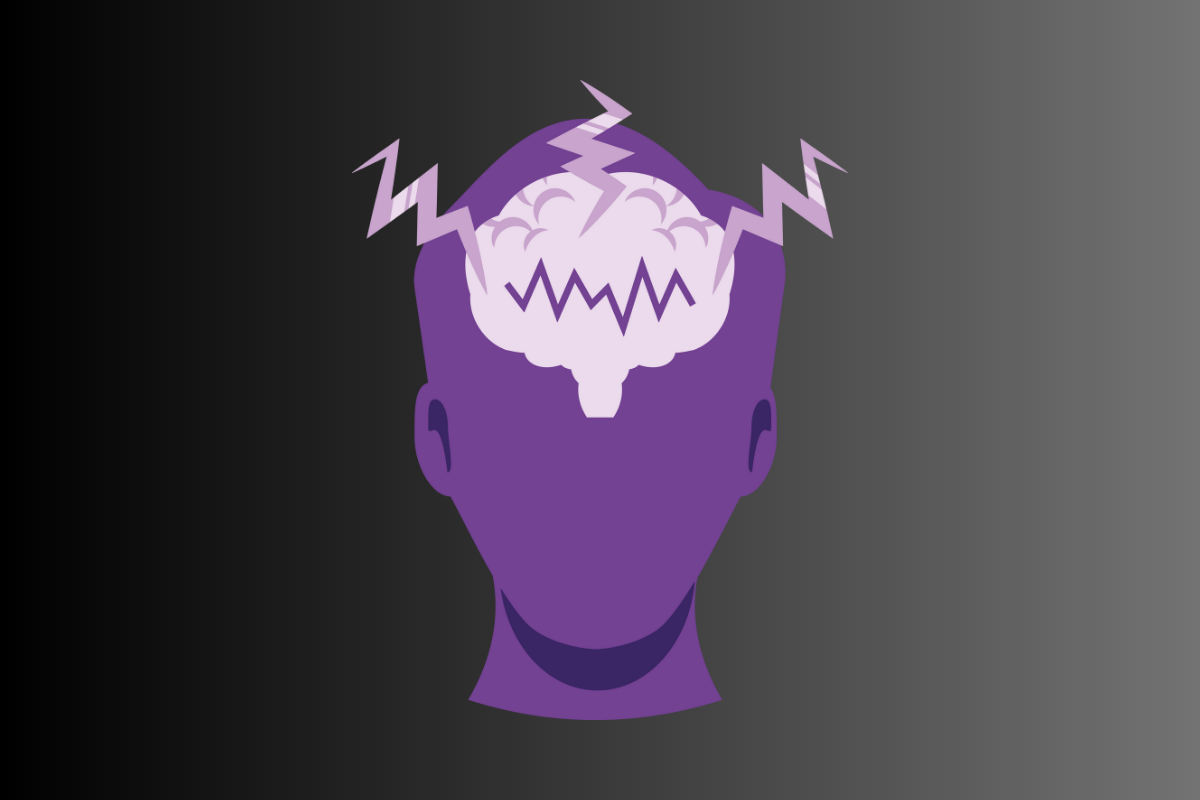
Epilepsy is a neurological disorder characterized by recurrent, unprovoked seizures — transient signs or symptoms caused by abnormal electrical activity in the brain. Seizures vary from brief lapses of attention to convulsions with loss of consciousness.
Common presentations
- Focal seizures (one part of the brain) or generalized seizures (both hemispheres)
- Loss of awareness, staring spells, jerking movements, sensory changes
- Triggers: sleep deprivation, stress, alcohol, concurrent illness, medication changes
- Requires neurological diagnosis (EEG, imaging, specialist care)
Ayurvedic perspective
In Ayurveda, epilepsy is commonly mapped to Apasmara, often linked to aggravated Vata and ama (toxins), with involvement of the nervous (Majja) dhatu. Treatment focuses on calming Vata, clearing Ama, supporting Majja (nerve/bone marrow tissues), and stabilizing sleep and digestion.
Ayurvedic Approach — Key Principles
Our clinic follows a conservative, stepwise approach for patients with epilepsy:
- Medical coordination: Ensure neurology oversight; baseline EEG/imaging and medication review before starting Ayurvedic procedures.
- Reduce triggers: Improve sleep, stress management, avoid dietary triggers and substance use.
- Panchakarma & calming therapies: Procedures that calm the nervous system (Shirodhara, Nasyam), pacify Vata (Basti) and nourish Majja (Njavara Kizhi, Abhyanga).
- Herbal neuro-protective support: Evidence-informed nervine herbs like Brahmi, Jatamansi, Ashwagandha, Shankhapushpi used under physician guidance.
- Rehabilitation & lifestyle: Yoga, pranayama, sleep hygiene and slow, monitored exercise to improve resilience and recovery.
Clinic Therapies We Use (Relevant to Epilepsy)
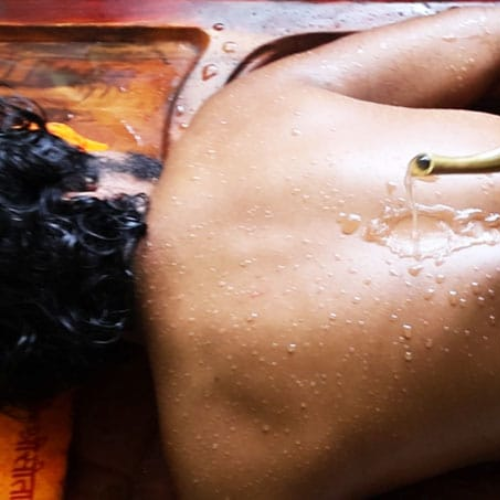
Therapies below are selected for their calming, nervous-system-nourishing and Vata-pacifying effects. Images are shown for reference.
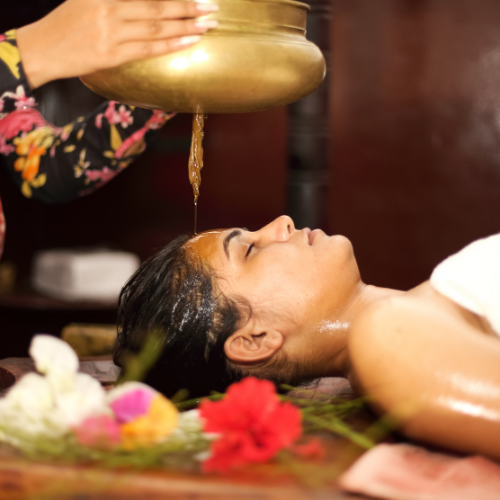
Shirodhara Apasmara
What it is: Continuous pouring of warm, medicated oil over the forehead (third eye area) for a prolonged period.
- Profoundly calms the mind, reduces hyperexcitability and anxiety — useful in seizure-prone patients for stabilizing sleep and stress.
- May improve sleep, cognitive clarity, and reduce frequency of stress-triggered episodes.
- Used as a regular adjunct (course of sessions) under clinical supervision; not during acute seizure or immediately post-seizure.
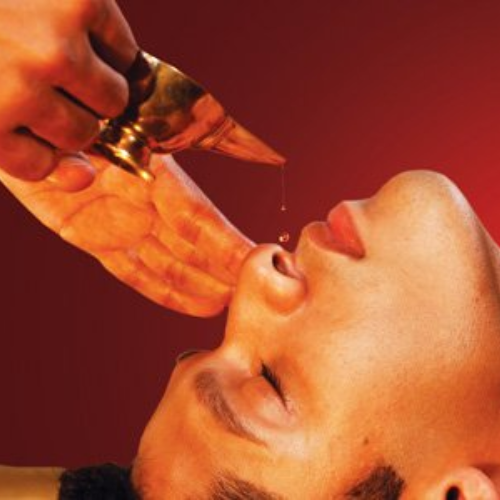
Nasyam (Nasal Therapy)
What it is: Medicinal oils, ghee or herbal drops administered through the nostrils to clear head channels and nourish the brain.
- Direct route to the head — helpful in pacifying Vata and reducing nervous irritability.
- Indicated in chronic neurological conditions to improve clarity, reduce aura-like sensory disturbances and support seizure threshold.
- Must be administered by trained practitioner; contraindicated during active infections or severe nasal pathology.
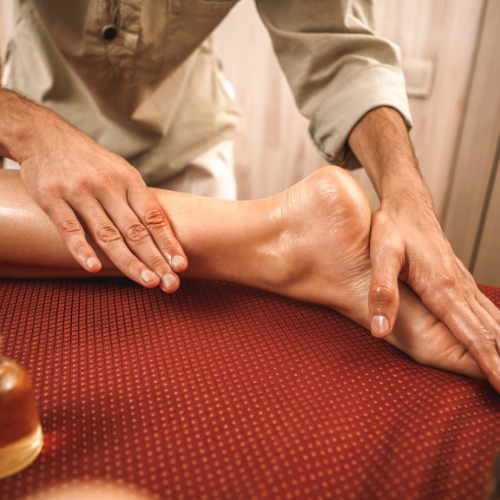
Abhyanga (Warm Oil Massage)
What it is: Daily or frequent full-body herbal oil massage tailored to calm Vata and nourish nervous tissues.
- Improves circulation, relaxes muscles, reduces stress and improves sleep — all factors that can lower seizure triggers.
- Prepares the body for internal therapies and improves absorption of nervous-system supportive oils/herbs.
- Recommended as part of a maintenance program (frequency individualized).
Basti (Medicated Enema)
What it is: Medicated oil or decoction administered rectally to pacify Vata and support systemic balance.
- Powerful Vata-pacifying therapy — used in chronic neurological disorders to stabilize Vata-related dysfunctions.
- Can improve gut-brain axis health, digestion and systemic nourishment which indirectly supports seizure control.
- Given as a supervised course; individualized based on patient condition and neurologist coordination.
Njavara Kizhi
What it is: Warm Njavara rice boluses cooked in herbal decoction and applied rhythmically over body and spine.
- Nourishes Majja (nerve/bone marrow tissue), calms Vata and supports recovery in chronic neurological weakness.
- Helpful in improving overall vitality, reducing fatigue and improving sleep.
- Used as a supportive rejuvenation therapy following assessment.
Kashaya Dhara (Herbal Decoction Pouring)
What it is: Continuous pouring of warm herbal decoction over the head or body for calming and anti-inflammatory effect.
- Can be used when heat-neutral, anti-inflammatory herbs are indicated to soothe the nervous system.
- Often combined with Shirodhara or as an alternative depending on therapeutic goals and patient tolerance.
Herbal & Medicinal Support (Nervine / Neuro-modulatory)
Herbs and classical formulations are chosen to calm the nervous system, support Majja dhatu and improve seizure threshold. All internal prescriptions are individualized and coordinated with neurologic care.
- Brahmi (Bacopa monnieri): Cognitive support, calming, may help seizure threshold.
- Jatamansi (Nardostachys jatamansi): Calms mind, anxiolytic effects, supportive in epilepsy.
- Ashwagandha (Withania somnifera): Adaptogen and nervine tonic; supports resilience and sleep.
- Shankhapushpi: Nervine tonic for calming and cognition.
- Guduchi (Tinospora cordifolia): Immune-modulatory and supportive in systemic balance.
- Classical formulations: Medicated oils & rasayanas for Majja nourishment (prescribed cautiously).
Some herbs can interact with anticonvulsants — prescriptions are provided only after reviewing current medications and tests.
Diet, Triggers & Lifestyle
Controlling triggers and strengthening general health is central to epilepsy management.
- Avoid sleep deprivation and maintain regular sleep schedule.
- Avoid alcohol, recreational drugs, and excessive caffeine — these lower seizure threshold.
- Balanced diet with adequate protein, healthy fats, and micronutrients — avoid long fasting and crash diets.
- Stress management: daily pranayama, guided relaxation, and therapies like Shirodhara to reduce sympathetic overactivity.
Sample Clinic Programs (individualized)
Below are sample packages; your actual plan will be personalized after neurological review and Ayurvedic assessment.
Stabilize & Calm (2–3 weeks)- Daily Abhyanga with nervine-oil → Shirodhara sessions (3–5 sessions)
- Nasyam (short course) under supervision
- Oral nervine herbs & sleep hygiene plan
Deep Rebalance (4–6 weeks)- Preparatory Abhyanga → Course of Basti (if Vata-dominant)
- Njavara Kizhi for Majja nourishment
- Longer-term herbal rasayana & lifestyle counseling
Maintenance & Support- Periodic Shirodhara / Abhyanga
- Ongoing herbal program and stress-management
- Coordination with neurology for medication review
Therapies and herbs are adjusted if a patient is on antiepileptic drugs (AEDs) — we always coordinate schedules to avoid interactions and ensure safety.
Quick Reference — Therapies & Roles
| Therapy | Main role in epilepsy support | Notes |
|---|
| Shirodhara | Calms nervous system, improves sleep | Not during acute seizure |
| Nasyam | Head channel nourishment, Vata pacification | Admin by trained practitioner |
| Basti | Systemic Vata pacification | Course-based, clinical supervision |
| Abhyanga | Relaxation, circulation, prepares for other therapies | Safe and supportive |
| Njavara Kizhi | Majja nourishment and rejuvenation | Used in rejuvenation cycles |
Evidence, Safety & Coordination
Some clinical reports and traditional use suggest Ayurvedic calming therapies and nervine herbs can help reduce seizure triggers and improve quality of life. Key safety points:
- Do not discontinue antiepileptic drugs (AEDs) without neurologist approval.
- Certain herbs may interact with AEDs — we review medicines and labs before prescribing.
- Panchakarma (e.g., Basti) is performed only after stabilization and medical clearance.
- Patients with uncontrolled seizures, recent status epilepticus, or implantable devices require neurologist clearance before in-clinic therapies.
Coordinate Care — Start a Safe Ayurvedic Support Plan
Book a consultation. We will review your neurology reports, medications and design a safe, individualized program combining therapies, herbs and lifestyle support.
Book ConsultationAll therapies are performed under the supervision of qualified Ayurvedic physicians and coordinated with your neurologist when necessary.