What is Alzheimer’s Disease?
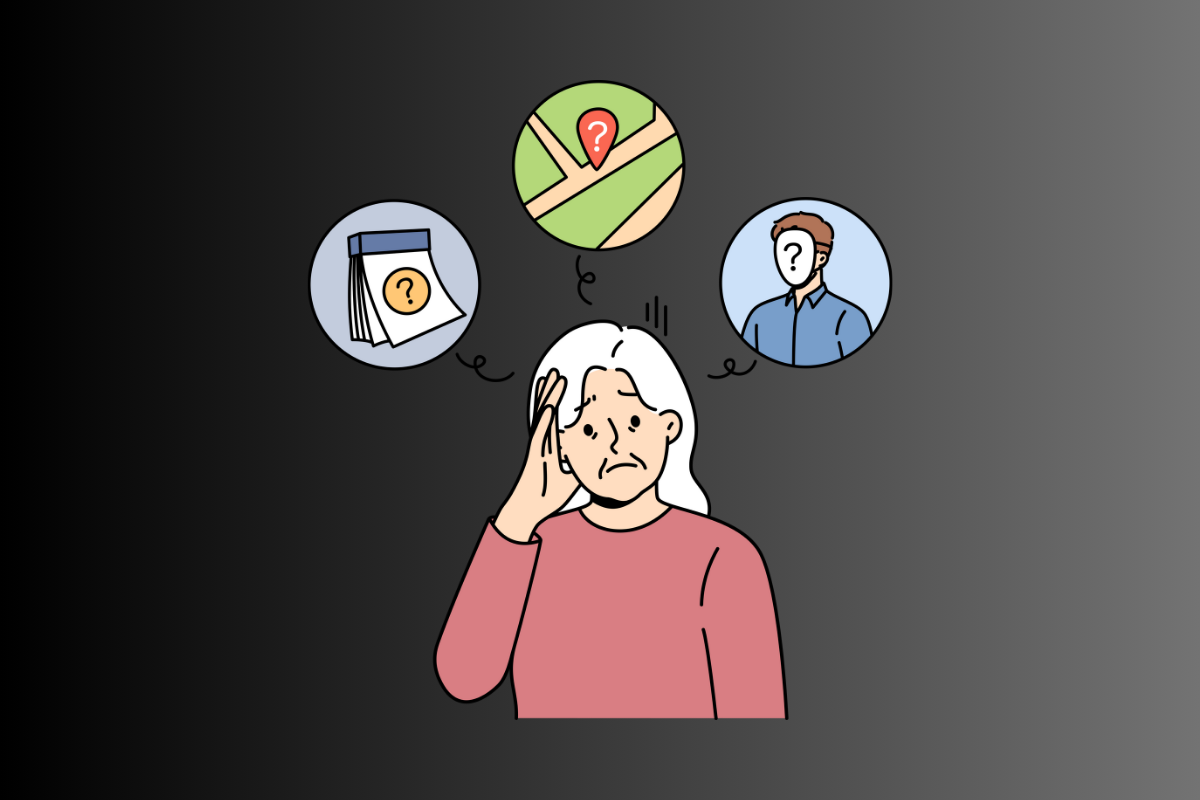
Alzheimer’s disease is a progressive neurodegenerative disorder that primarily affects memory, thinking, behavior and the ability to perform daily activities. It is characterized by progressive cognitive decline, and currently there is no proven cure. Management focuses on slowing decline, symptom control and improving quality of life.
Core Features
- Gradual memory loss, especially recent events and short-term recall.
- Difficulty with language, planning, orientation and daily tasks.
- Behavioral changes: apathy, irritability, sleep disturbances.
- Progressive functional decline requiring multidisciplinary care.
Ayurvedic perspective
From an Ayurvedic viewpoint, Alzheimer’s is related to aggravated Vata (nervous system dryness & degeneration), reduced Ojas (vitality), and impaired Medha (intellect). Treatment aims to pacify Vata, nourish Medha & Ojas, improve circulation to head tissues, enhance sleep and reduce stress.
How Ayurveda Supports Alzheimer’s (Supportive Care)
Ayurvedic care is complementary — it focuses on symptomatic relief, slowing functional decline where possible, improving sleep & mood, and enhancing patient comfort and caregiver support. We always coordinate with neurologists and primary care providers.
- Shirodhara & Nasya: Calming the nervous system, improving mind clarity and nasal-to-brain therapeutic delivery.
- Abhyanga & oil therapies: Improve circulation, reduce stiffness, promote relaxation and improve sleep.
- Basti (selected): Vata pacification for systemic neurological support when indicated.
- Njavara Kizhi & rejuvenation: Tissue nourishment and gentle stimulation for overall vitality.
- Herbal & rasayana support: Medha- and ojas-promoting herbs (Brahmi, Ashwagandha, Shankhapushpi) used under supervision.
- Rehabilitation & caregiver training: Cognitive stimulation, structured routines, fall prevention and safety plans.
Clinic Therapies We Offer (Useful for Cognitive Support)
Therapies below are chosen for calming the nervous system, improving sleep, promoting circulation to head tissues, and supporting Vata-related neurological imbalance. Their role is supportive; they do not replace medical treatments.
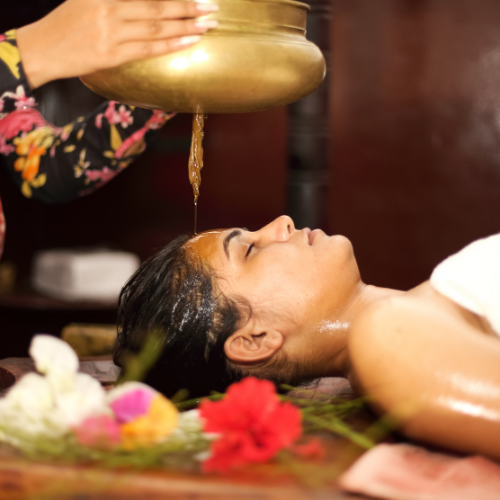
Shirodhara Support
What it is: Continuous, gentle pouring of warm herbal oil over the forehead (third eye area) for an extended period.
- Has a profound calming effect on the nervous system — reduces anxiety, agitation and improves sleep quality.
- May indirectly support cognitive function by improving restorative sleep and reducing stress-related memory impairment.
- Typical course: 8–14 sessions depending on tolerance and response; performed under supervision.
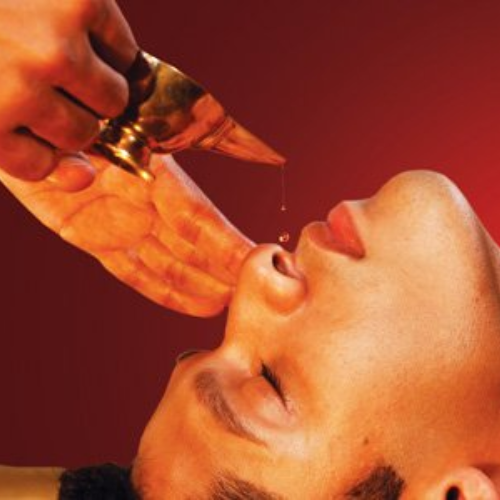
Nasyam (Nasal Therapy) Support
What it is: Administration of specific medicated oils or herbal drops into the nostrils.
- Nose is considered a direct route to head tissues in Ayurveda — Nasya is used to clear, nourish and balance the head region.
- Used to improve clarity of mind, reduce mental fog, and support cognitive functions as an adjunctive therapy.
- Given in carefully selected formulations and doses; contraindicated in active nasal infection or excessive secretions.
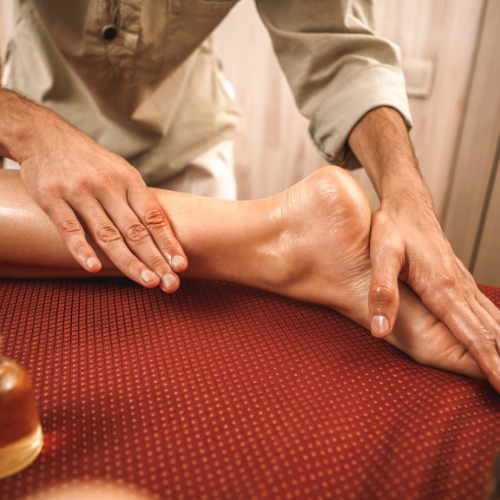
Abhyanga (Therapeutic Oil Massage)
What it is: Warm, rhythmic full-body oil massage using herb-infused oils chosen for cognitive support and Vata pacification.
- Improves overall circulation, promotes relaxation and better sleep, reduces agitation and muscular tension.
- Enhances absorption of subsequent therapies (Nasya, Shirodhara) and supports systemic nourishment.
- Frequency: used daily or alternate days during an intensive phase, then maintenance as scheduled.
Njavara Kizhi (Nourishing Bolus Therapy)
What it is: Warm boluses of Njavara rice cooked in herbal decoctions, applied over the body in rhythmic strokes.
- Promotes deep tissue nourishment, calms Vata and enhances overall vitality (Ojas), which supports cognitive resilience.
- Useful in frail or elderly patients to improve general strength, sleep and well-being.
- Often used as part of a rejuvenation cycle alongside Abhyanga and internal rasayanas.
Basti (Medicated Enema) — Selected Use
What it is: Administration of medicated oil or decoction via rectum to pacify Vata and support systemic neurological balance.
- Basti is one of the principal therapies for Vata disorders — it may help systemic Vata pacification and indirectly support neurological symptoms.
- Usually prescribed only after careful assessment; not suitable for all patients (contraindications exist).
- Delivered as a monitored course with preparatory and post-procedure care.
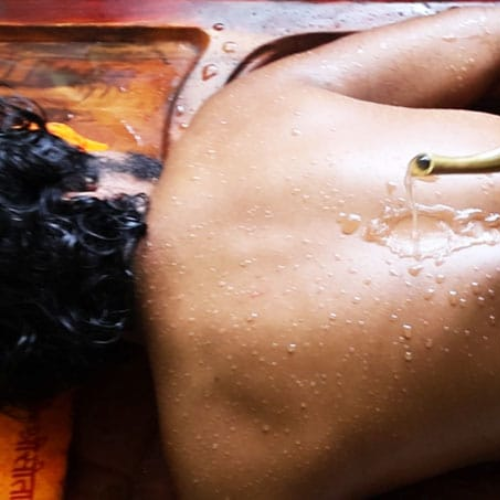
Kashaya Dhara & Head Decoction Therapies
What it is: Continuous pouring of warm herbal decoction (kashaya) over the head or body in controlled sessions.
- Used to soothe inflammation, calm the nervous tissue and help reduce headaches, restlessness and agitation.
- Often combined with other head therapies to enhance relaxation and mental clarity.
Herbal & Rasayana Support (Medha & Ojas)
We focus on herbs that are traditionally understood to support cognition (Medha), nerve strength and vitality (Ojas). Prescriptions are individualized and coordinated with medical care.
- Brahmi (Bacopa monnieri): Traditionally used as a Medha herb to support memory, attention and cognitive function.
- Ashwagandha (Withania somnifera): Adaptogen that reduces stress, supports sleep and nervous system resilience.
- Shankhapushpi: Used for cognitive clarity, calmness and memory support.
- Medhya rasayanas: Classical rejuvenators combining herbs to nourish brain tissues and Ojas.
- Nutritive tonics & oils: To support absorption and tissue nourishment in elderly or malnourished patients.
- Monitoring: Herbs are dosed considering interactions with prescription medications; we coordinate with prescribing physicians.
Herbal therapy aims to support symptoms and resilience; it is not a substitute for memory clinics, neuroimaging or pharmacologic disease-modifying treatments when indicated.
Lifestyle, Cognitive Rehabilitation & Caregiver Support
Practical interventions that we integrate with therapies:
- Structured routine: Regular sleep-wake cycle, consistent mealtimes and familiar daily activities reduce confusion.
- Sleep hygiene & calming practices: Shirodhara, warm oil footbaths, guided breathing (pranayama) and gentle yoga for carers/patients.
- Cognitive stimulation: Memory exercises, familiar music, reminiscence therapy and occupational therapy as indicated.
- Caregiver training: Safe environment setup, fall prevention, routine design and stress management for family caregivers.
Sample Support Programs (examples)
Calm & Sleep Support (2 weeks)- Daily Abhyanga (gentle) + Shirodhara sessions (3–5 sessions)
- Nighttime Nasya (if indicated) + sleep-support herbs
- Caregiver guidance for bedtime routines
Rejuvenation & Nourish (3–6 weeks)- Abhyanga + Njavara Kizhi cycles
- Medhya rasayanas and Nasya courses
- Progressive cognitive stimulation & physiotherapy
Maintenance & Home Program- Monthly Shirodhara / Abhyanga as tolerated
- Daily caregiver-led cognitive activities and scheduled routines
- Periodic follow-up and medication coordination
All programs are individualized — therapy choice, intensity and duration depend on stage of disease, comorbidities and concurrent medications.
Quick Reference — Role of Therapies
| Therapy | Main supportive role | Notes |
|---|
| Shirodhara | Deep CNS calming, improves sleep | Helpful for agitation/insomnia |
| Nasyam | Direct head nourishment & clarity | Use with caution; physician-guided |
| Abhyanga | Relaxation, circulation, systemic nourishment | Prepares body for other therapies |
| Njavara Kizhi | Rejuvenation & tissue nourishment | Good for frailty & general weakness |
| Basti | Vata pacification (systemic) | Selected cases only |
Evidence, Safety & Coordination
Important safety and evidence points:
- No proven cure: There is no clinically proven cure for Alzheimer’s disease at present. Ayurvedic care is supportive and complementary.
- Coordination required: We always coordinate with neurologists, geriatricians and primary care physicians, especially when patients are on prescription cognitive medications, anticoagulants or other drugs.
- Contraindications: Some procedures (Nasya, Basti, certain rasayanas) may be contraindicated in acute illnesses, infections, unstable cardiac conditions or severe comorbidities.
- Monitoring: We perform baseline assessments, monitor vitals and functional scores, and adapt treatment according to response and safety.
Want a tailored, supportive Ayurvedic plan for cognitive health?
Book a consultation. We’ll review medical history and medications, coordinate with your neurologist, and design a safe, individualized supportive program combining therapies, herbs and caregiver guidance.
Book ConsultationAll therapies are delivered by qualified Ayurvedic physicians and allied therapists. We emphasize safety, monitoring and integration with conventional care.