What is Gilbert’s Syndrome?
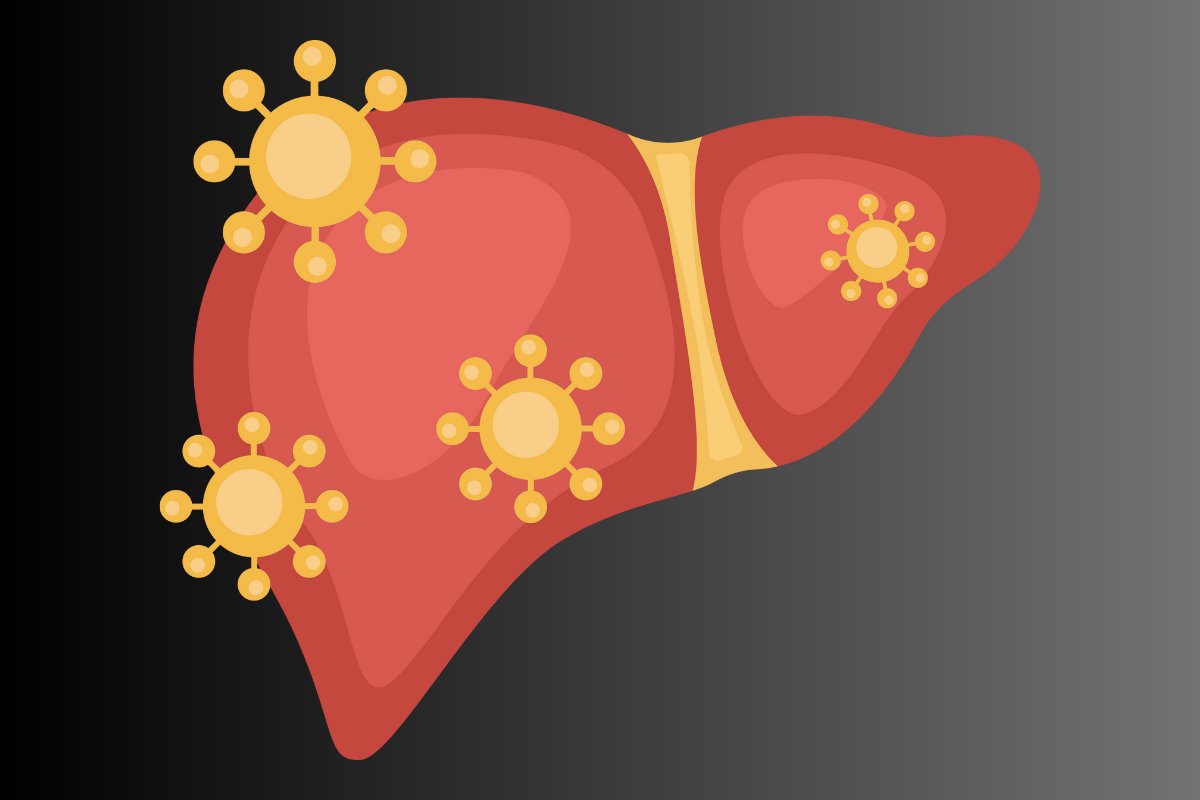
Gilbert’s Syndrome is a common, benign hereditary condition caused by mild reduction in the liver enzyme that conjugates bilirubin (UGT1A1). This produces intermittent, mild unconjugated hyperbilirubinaemia and occasional jaundice, especially when triggered by fasting, illness, dehydration, stress, heavy exercise or certain drugs. Most people are asymptomatic and have normal life expectancy.
Clinical features & testing
- Typical findings: mild, fluctuating elevation of unconjugated bilirubin; normal or near-normal liver enzymes (AST/ALT) and otherwise normal liver function.
- Diagnosis: fasting bilirubin rise, genetic testing (UGT1A1 variants) or characteristic lab pattern; important to rule out other liver diseases if clinical concern arises.
- Usual course: benign — treatment focuses on trigger management and supportive care rather than 'curing' the genetic trait.
Ayurvedic perspective
From an Ayurvedic lens Gilbert’s-like presentations are seen within subtle Pitta imbalance involving the Yakrit (liver) and metabolic Agni. The goal is to stabilise Agni, pacify Pitta, remove occasional Ama (if present) and strengthen general tissue nutrition (Rasa/Prana) to reduce frequency/intensity of episodic hyperbilirubinaemia.
Important Medical Note
Gilbert’s Syndrome is a genetic enzymatic variant — there is currently no evidence of a definitive 'cure' that changes the underlying gene. Ayurvedic care aims to minimise triggers and support liver metabolism and resilience. Always coordinate with your physician for medication safety checks, periodic labs and if jaundice or other symptoms are unexpected or severe.
Ayurvedic Strategy — Goals
- Stabilise and support digestion (Agni) to reduce production/absorption of Ama.
- Pacify Pitta gently and lower systemic inflammatory tone.
- Provide nourishment and nervous-system support to reduce stress-related bilirubin spikes.
- Avoid aggressive detox when not indicated — preference for gentle, restorative therapies and lifestyle corrections.
Clinic Therapies Useful in Gilbert’s Syndrome — with reference images
Therapies listed below are conservative, primarily supportive and non-invasive — chosen because they help digestion, calm Pitta, reduce stress and nourish tissues. All procedures are individualized and performed only after basic medical review.
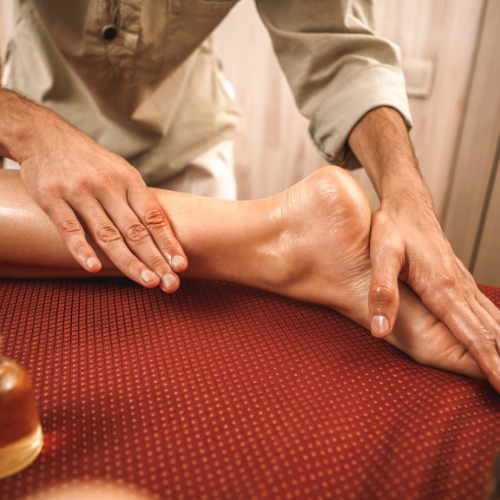
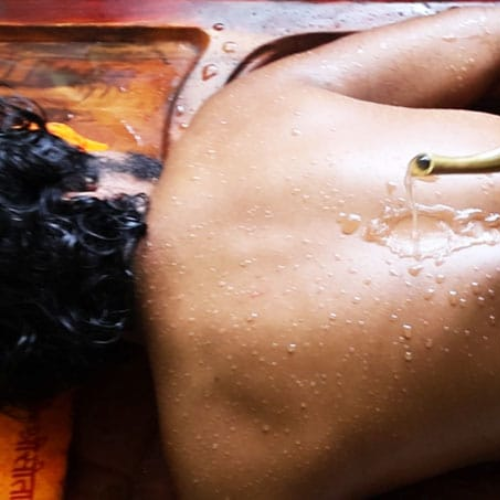
Abhyanga (Gentle Warm Oil Massage)
Role: Nourishes tissues, calms Pitta, supports lymphatic circulation and reduces stress — helpful before episodes or as regular supportive care.
- Use mild, Pitta-pacifying oils (e.g., coconut/medicated oil blends) and gentle techniques.
- Helps prevent dehydration-related stress and supports overall resilience.
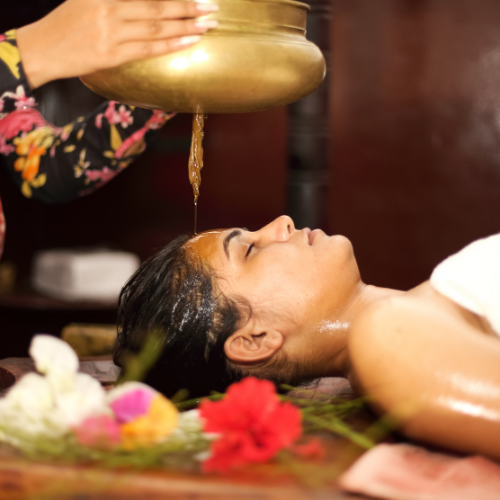
Shirodhara (Nervous-System & Stress Support)
Role: Calms the mind, improves sleep and reduces stress-related autonomic triggers that can precipitate bilirubin rises.
- Short courses may reduce frequency of stress-precipitated episodes.
- Safe, non-invasive adjunct for symptomatic relief (performed by trained therapists).
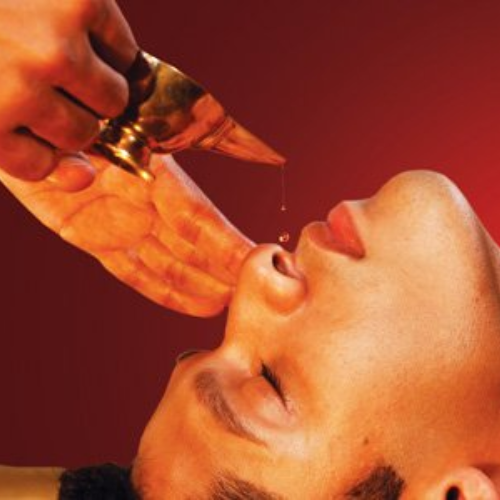
Nasyam (Mild Nasal Therapy) — Adjunct
Role: Supports appetite, smell/taste normalization and autonomic balance — used in short, mild courses with liver-safe oils/powders.
- Can be useful when appetite or digestion is blunted during mild episodes.
Kashaya Dhara (Herbal Decoction Pouring)
Role: Gentle local application of warm, liver-friendly decoctions to soothe the abdomen and support metabolic comfort in mild episodes or recovery.
- Used selectively to relieve discomfort and support local circulation — decoctions chosen for safety.
Njavara Kizhi (Nourishing Bolus Therapy)
Role: Rejuvenation and nutritive support — helps rebuild strength, appetite and general tissue nourishment after episodes.
- Best in rehabilitation phase or as periodic nourishment; helps stabilise energy and digestion.
Herbs, Diet & Lifestyle — Practical Guidance
Because Gilbert’s is genetic and usually mild, Ayurvedic treatment emphasises safe, gentle herbs, consistent diet and trigger avoidance. All herbal prescriptions must be given by a qualified clinician with knowledge of hepatic safety and current medications.
- Gentle hepatoprotective herbs (used cautiously): Guduchi (Tinospora cordifolia), Kutki (Picrorhiza kurroa) and Bhringraj — only under clinician supervision and with periodic labs.
- Digestive support: Small, regular meals, light spices (cumin, coriander, fennel), warm water and avoidance of prolonged fasting.
- Adequate hydration: Maintain fluids to prevent dehydration-induced bilirubin spikes.
- Avoid common triggers: prolonged fasting, extreme exercise, severe illness, dehydration, and unsupervised use of hepatotoxic drugs or supplements.
- Medication safety: Check all prescription and OTC medicines with a physician or pharmacist — some drugs affect bilirubin metabolism.
- Stress & sleep: Prioritise regular sleep, relaxation practices (breathwork, meditation) and paced exercise.
If your bilirubin rise is sudden, marked, or accompanied by other concerning symptoms (abdominal pain, fever, intense weakness), seek medical evaluation to exclude other causes.
Sample Clinic Support Plans (examples)
Maintenance & prevention- Regular Abhyanga once weekly or biweekly (mild oil)
- Stress reduction plan: short Shirodhara course or weekly relaxation sessions
- Dietary counselling to avoid fasting and maintain steady meals
During mild episodes- Hydration, light diet, brief Shirodhara or Kashaya Dhara for comfort
- Nasyam to improve appetite and autonomic balance if indicated
- Herbal supportive formula under clinician supervision
Rehabilitation / Nourishment- Njavara Kizhi for strengthening and rebuilding appetite
- Short supportive courses of liver-safe herbs with lab monitoring
- Regular follow-up and lifestyle reinforcement
All plans are tailored. Avoid aggressive detox (strong purgation, emesis) unless a specific clinical rationale is documented by both Ayurvedic and medical teams — Gilbert’s usually requires conservative care.
Quick Reference — What Helps / What to Avoid
| Focus | Recommended | Avoid |
|---|
| Hydration & meals | Regular small warm meals, ample fluids | Prolonged fasting |
| Therapies | Abhyanga, Shirodhara, Nasyam, Njavara Kizhi, Kashaya Dhara | Aggressive purgation/emesis without clear indication |
| Herbs | Guduchi, Kutki, Bhringraj (clinician-prescribed) | Unsanctioned herbal combinations or unknown supplements |
| Medications | Check safety with clinician/pharmacist | Self-medication with hepatotoxic drugs |
Want a personalised, safe plan for Gilbert’s Syndrome?
Book a consultation — we'll review your labs/medications, identify triggers, and design a gentle Ayurvedic support plan focused on prevention and wellbeing.
Book ConsultationMedical coordination is essential. Ayurvedic care supports wellbeing but does not alter inherited genes — focus is on symptom reduction and prevention.