What is a Slip Disc (Herniated Disc)?
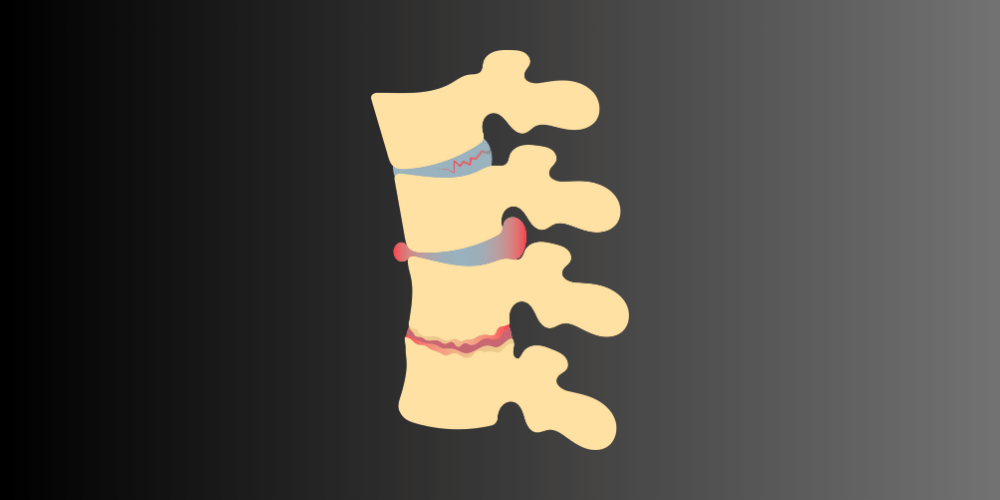
A slip disc (herniated or prolapsed intervertebral disc) occurs when the soft inner gel (nucleus pulposus) of a spinal disc pushes through the outer ring (annulus) and presses on nearby nerves. This can cause sharp back pain, sciatica (radiating leg pain), numbness, tingling, and weakness. Cervical slips produce neck/arm symptoms; lumbar slips produce low-back/leg symptoms.
Common causes & risk factors
- Age-related disc degeneration (wear & tear)
- Sudden strain, heavy lifting with poor mechanics
- Repetitive microtrauma, poor posture, prolonged sitting
- Genetic predisposition and weakened core musculature
Red flags — seek urgent medical care
- Severe progressive weakness in legs/arms
- Loss of bladder or bowel control (cauda equina signs)
- High fever or signs of infection with back pain
Ayurvedic Perspective & Treatment Goals
In Ayurveda, slip disc symptoms are primarily attributed to aggravated Vata dosha with structural weakness of Asthi (bone), Sandhi (joints) and Snayu (ligaments/tendons). The therapeutic goals are:
- Reduce nerve compression and pain (Vata pacification)
- Relieve local inflammation and swelling
- Restore structural support by nourishing spinal tissues
- Rehabilitate core and spinal musculature to prevent recurrence
Clinic Therapies Useful for Slip Disc (with reference photos)
Therapies listed below are the primary in-clinic procedures we use to manage slip disc conservatively. Images are provided for reference.
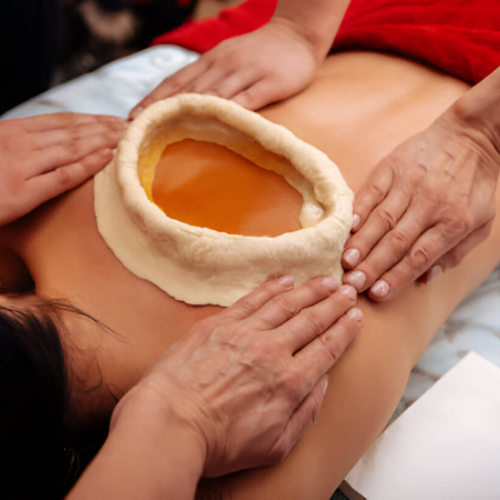
Kati Vasti (Lumbar Oil Retention) Core
What it is: Warm medicated oil is retained over the lower back in a dough ring for a controlled duration to penetrate and soothe deeper tissues.
- Directly soothes paraspinal muscles, ligaments and facet joints — reduces local spasm and pain.
- Creates sustained local warmth that helps reduce nerve root irritation and improves circulation to the lumbar region.
- Helps in early to moderate lumbar disc protrusions as part of a conservative plan, often combined with Basti and strengthening.
- Typical course: multiple sessions (e.g., daily during intensive phase) as advised by physician.
- Precautions: avoid overpressure on acute severe radicular pain; medical assessment required first.
Herbal Support, Nutrition & Rehabilitation
Herbal & Oral Support
- Guggulu & Shallaki: Anti-inflammatory and pain-modulating herbs helpful in musculoskeletal disorders.
- Dashmoola formulations: Vata-pacifying combination used for spine-related Vata conditions.
- Ashwagandha: Strengthens muscles and supports recovery.
- We prescribe customized formulations and monitor interactions with conventional pain medicines.
Rehabilitation & Lifestyle
- Physio-guided core strengthening and stabilization exercises to protect the spine.
- Posture correction, ergonomic advice (lifting mechanics, sitting posture).
- Gradual graded mobilization; avoid abrupt bending/twisting during acute phase.
- Weight optimization to reduce spinal load and recurrence risk.
Sample Clinic Treatment Plans (examples)
Acute Pain Relief (1–2 weeks)- Gentle Abhyanga + Nadi Swedan to reduce spasm
- Short course of Kati/Prishtha Vasti (as tolerated)
- Analgesic herbs & strict activity modification
Stabilization & Repair (3–6 weeks)- Course of Njavara Kizhi and potli therapies to rebuild soft tissues
- Basti series for Vata pacification
- Physiotherapy: core stabilization & progressive mobilization
Maintenance & Prevention- Monthly targeted Vasti / Kati maintenance sessions as needed
- Home exercise program, ergonomic habits and periodic herbal rasayana courses
Plans are examples — actual sequence, duration and combination are individualized after full evaluation (MRI, neurological exam when indicated).
Quick Reference — Therapies & Roles
| Therapy | Main role in Slip Disc | Best for |
|---|
| Kati Vasti | Localized deep oil retention — reduces lumbar spasm & nourishes tissues | Lumbar disc protrusion with local pain |
| Greeva Vasti | Cervical oil retention — soothes neck & radicular pain | Cervical disc bulge |
| Njavara Kizhi | Tissue nourishment & loosening adhesions | Sub-acute / chronic cases |
| Nadi Swedan | Localized heat — reduces spasm and improves circulation | Acute muscular spasm and stiffness |
| Basti | Systemic Vata pacification | Chronic Vata-predominant spinal disorders |
Safety Notes & When to Refer
- If neurological deficits (progressive weakness, numbness, bladder/bowel dysfunction) are present — urgent medical/surgical evaluation is required; do not rely solely on conservative therapies.
- Imaging (MRI) and neurological assessment are recommended when symptoms are severe, progressive, or not improving with initial conservative care.
- Panchakarma procedures (Basti, Vasti) and oil-retention therapies should be delivered by qualified practitioners and preceded by appropriate assessment.
- We coordinate with orthopedics, neurology and physiotherapy when needed to ensure safe, integrated care.
Ready to reduce nerve pain and rebuild your spine naturally?
Book a consultation — we will evaluate your condition, review imaging if available, and design a safe, individualized Ayurvedic + rehabilitation plan to reduce pain and restore function.
Book ConsultationAll therapies are performed under qualified Ayurvedic physicians. Urgent neurological signs require immediate medical attention.