What is Sciatica?
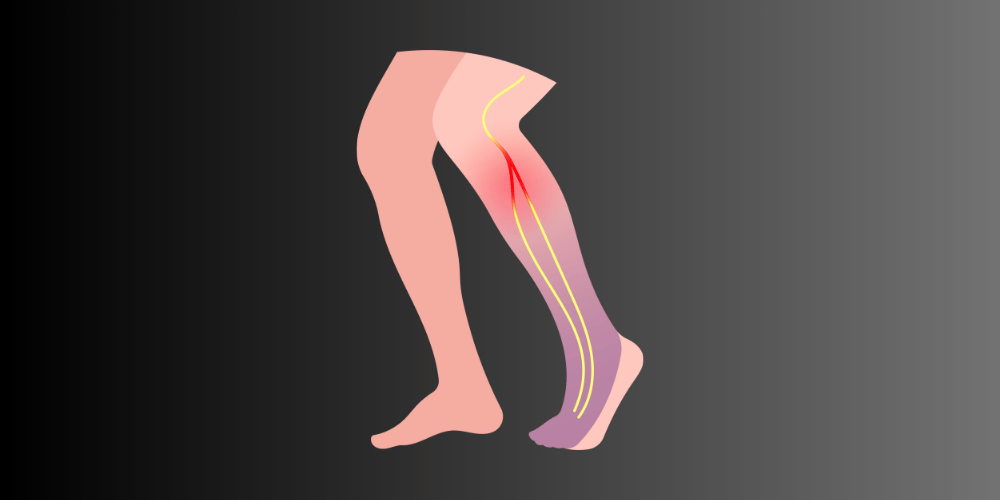
Sciatica refers to pain radiating along the course of the sciatic nerve — from the lower back through the buttock and down the back of one or both legs. It is commonly caused by nerve compression (disc herniation, spinal stenosis, piriformis syndrome) and presents with shooting pain, tingling, numbness, or weakness in the affected leg.
Common symptoms
- Sharp, shooting pain radiating from lower back to buttock and leg
- Paresthesia (tingling / numbness), burning sensation along nerve distribution
- Worsening pain on sitting, coughing or sneezing
- Muscle weakness in severe or chronic compression
Ayurvedic view
Sciatica is often classified under Vataja Vatavyadhi or Gridhrasi in Ayurveda — predominantly a Vata disorder resulting in nerve compression, pain and loss of function. Treatment aims to pacify Vata, reduce inflammation, relieve nerve compression, nourish nerves and muscles, and correct underlying structural and lifestyle causes.
Ayurvedic Strategy for Sciatica
At our clinic we follow a structured multi-modality plan:
- Local therapies to relieve nerve compression and muscle spasm (Kati Vasti, Kati Basti-style oil retention, Kati massage, Prishtha Vasti).
- Heat & potli therapies (Nadi Swedan, Churn/Patra Potli) to reduce stiffness and adhesions.
- Deep nourishment & nerve support (Abhyanga, Njavara Kizhi, Oil baths) to strengthen surrounding muscles and improve circulation.
- Detox & Vata pacification where appropriate (Basti course) to address chronic Vata imbalance.
- Rehabilitation — physiotherapy-guided strengthening, posture correction, ergonomics and yoga.
Therapies We Use for Sciatica (with reference photos)
The therapies listed below are selected for their direct benefit in relieving sciatica pain, releasing nerve compression, improving spinal flexibility and nourishing nerve/muscle tissues. Each includes an image for clinic reference.
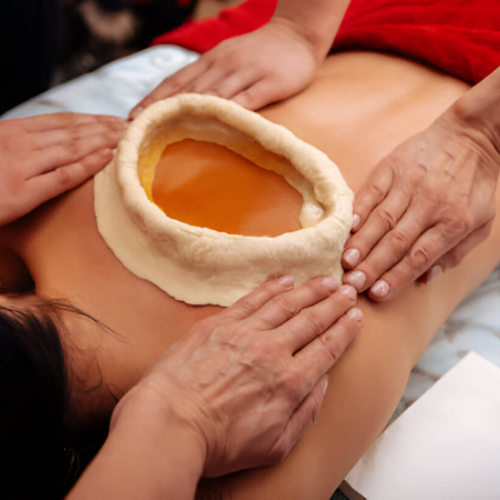
Kati Vasti (Lower Back Oil Retention) Sciatica
What it is: Medicated warm oil retained over the lower back in a dough ring for a specified duration.
- Directly nourishes lumbar tissues, reduces muscle spasm and local inflammation.
- Creates sustained warmth and softens tight muscles that compress the sciatic nerve.
- Ideal for disc-related lower back pain and sciatica originating from the lumbar region.
- Protocol: daily or alternate-day sessions during intensive phase; oil selection individualized.
Herbal & Oral Support
Oral herbs and nutraceuticals complement in-clinic therapies to reduce nerve inflammation, protect nerves and support soft tissue healing. All internal prescriptions are individualized.
- Ashwagandha: Nervine tonic — supports nerve repair, reduces pain and fatigue.
- Ginger / Turmeric: Anti-inflammatory agents to reduce local inflammation and pain.
- Dashmoola: Vata-pacifying classical decoction helpful in musculoskeletal inflammation.
- Medicated oils (e.g., Mahanarayan taila variants): For oral topical protocols and Basti oil selection.
- Nutritional support: Protein, omega-3 fats and micronutrients to support repair.
Herbs are prescribed after assessing medication interactions, comorbidities and diagnostics.
Rehabilitation — Exercises & Posture
Active rehabilitation is essential to free the nerve, rebuild muscle support and prevent recurrence.
- Neural gliding exercises: Gentle nerve mobilization to reduce adhesions and improve nerve mobility.
- Core & glute strengthening: Improve spinal support to reduce disc load (physio-guided).
- Hamstring flexibility: Gradual stretching to reduce traction on the sciatic nerve.
- Postural correction & ergonomics: Modify sitting posture, reduce prolonged sitting, and use correct lifting techniques.
- Yoga & pranayama: Tailored poses (avoid extremes) and breathing techniques to reduce Vata and improve circulation.
Sample Clinic Plans for Sciatica
Acute Relief (3–7 days)- Region-specific Abhyanga + Nadi Swedan
- Kati Vasti or Prishtha Vasti in short sessions
- Topical Lepam for focal pain, short anti-inflammatory herbs
Deep Rebalance (3–4 weeks)- Preparatory Abhyanga → Njavara Kizhi (nutritive bolus) → Kati/Prishtha Vasti
- Churn/Patra Potli to break adhesions
- Begin physiotherapy strengthening from week 1–2
Chronic / Recurrent (monthly maintenance)- Basti course (if indicated) for systemic Vata pacification
- Monthly Njavara or oil-bath maintenance
- Home exercise program and ergonomic plan
Individual plans are adjusted for severity, imaging findings, neurologic deficits and response. If progressive weakness or bowel/bladder changes occur, urgent medical referral is arranged.
Quick Reference — Therapies & Roles
| Therapy | Primary benefit for Sciatica | When best used |
|---|
| Kati Vasti | Local lubrication, reduce lumbar spasm | Disc-related lower back sciatica |
| Prishtha Vasti | Back nourishment & pain relief | Paraspinal tension & referred pain |
| Nadi Swedan | Deep tissue warming & relaxation | Acute stiffness before mobilization |
| Churn/Patra Potli | Break adhesions, relieve myofascial trigger points | Chronic myofascial sciatica |
| Njavara Kizhi | Tissue nourishment & long-term relief | Subacute / chronic sciatica |
| Basti | Systemic Vata pacification | Recurrent / chronic Vata-dominant sciatica |
Safety, Diagnostics & Red Flags
- We perform or request baseline assessment (clinical neurologic exam, imaging like MRI when indicated) before intensive procedures.
- Red flags requiring urgent medical attention: progressive leg weakness, loss of bowel/bladder control, severe unremitting pain — these are referred immediately to neurosurgery/orthopedics.
- Panchakarma and Basti are done under medical supervision; certain procedures may be deferred if infection, uncontrolled systemic disease, or acute neurologic deficit is present.
- We coordinate with physiotherapists and medical specialists to ensure safe integrated care.
Ready to relieve sciatic pain and restore function?
Book a consultation — we'll assess your history, examine your condition, review imaging if any, and design a safe, individualized Ayurvedic + rehab plan.
Book ConsultationAll procedures are performed by qualified Ayurvedic physicians. If urgent neurologic signs are present, we will refer to emergency care immediately.