What is Lumbar Spondylosis?
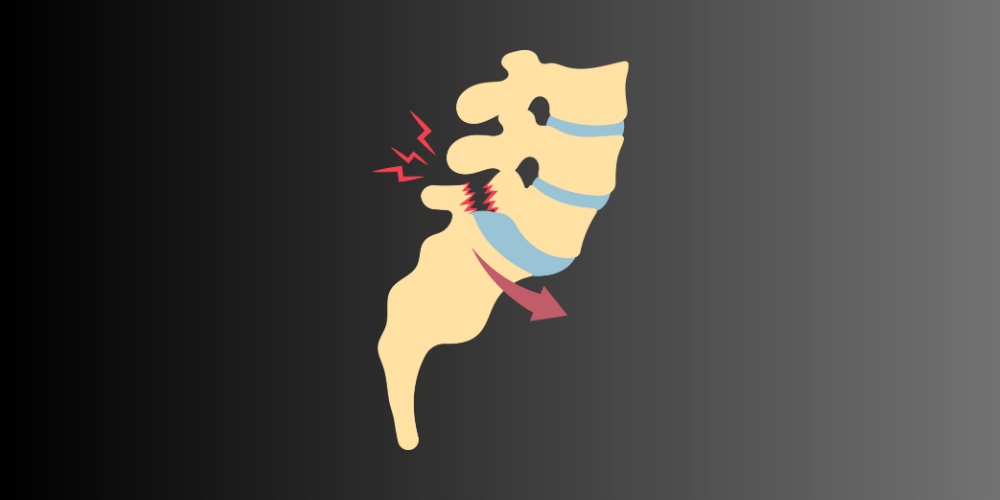
Lumbar spondylosis is age-related degeneration of the lumbar spine structures — intervertebral discs, facet joints and ligaments — which causes chronic lower back pain, stiffness and sometimes nerve compression (radiculopathy). It commonly results from wear-and-tear, poor posture, repetitive strain or previous injury.
Key clinical features
- Chronic low back pain and stiffness (worse on standing / movement)
- Reduced lumbar flexibility and restricted daily activities
- Radiating pain or numbness into buttock, thigh or leg when nerves are compressed
- Muscle spasm, tenderness and occasional weakness
Ayurvedic perspective
In Ayurveda this condition is often related to aggravated Vata causing degeneration of Asthi (bone) and Majja (marrow/nervous tissue), compounded by muscle imbalance and poor circulation. Treatments focus on reducing Vata, nourishing spinal tissues, and removing local stiffness.
Treatment Goals for Lumbar Spondylosis
- Reduce pain and muscle spasm
- Improve spinal flexibility and local circulation
- Nourish discs, facet joints and surrounding soft tissues
- Relieve nerve compression symptoms where possible
- Rehabilitate with strengthening and postural correction to prevent recurrence
Clinic Therapies Useful in Lumbar Spondylosis (with reference photos)
Below are therapies provided in-clinic that are especially useful for lumbar spondylosis. Each includes a photo for reference and concise clinical notes.
Kati Vasti
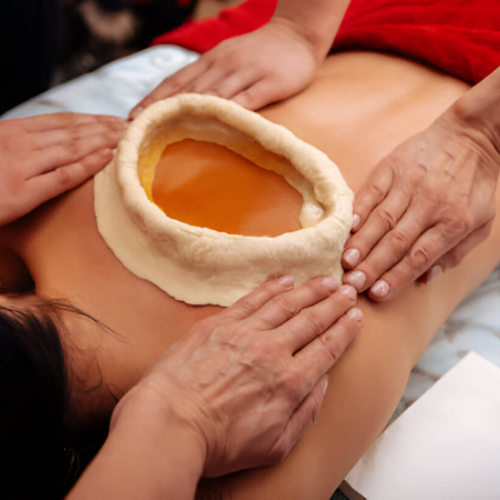
What it is: Warm, medicated oil retained over the lower back inside a dough boundary for a set duration.
- Delivers deep heat and sustained herbal oil contact to lumbar muscles, facet joints and ligaments.
- Reduces muscle spasm, eases stiffness and nourishes spinal tissues to improve mobility.
- Particularly effective in mechanical low back pain, early degenerative changes, and chronic stiffness.
- Typically performed daily or alternate days during an intensive phase; duration and oil selection are individualized.
Herbal & Nutritional Support
Herbal therapies aim to reduce inflammation, strengthen muscles and nourish spinal tissues. All internal prescriptions are individualized.
- Dashmoola preparations: Classic anti-inflammatory and Vata-pacifying herbs for back pain.
- Guggulu formulations: For anti-inflammatory, analgesic and tissue-repair support.
- Ashwagandha & Bala: To strengthen muscles and support spine stability.
- Topical medicated oils: Customized oils used for Kati/Prishtha Vasti and home application.
- Nutrition: Adequate protein, anti-inflammatory spices (turmeric, ginger), and hydration to support tissue healing.
We coordinate herbal prescriptions with any ongoing medications and tailor doses by age, comorbidity and severity.
Rehabilitation — Strength, Mobility & Posture
Rehabilitation is essential to prevent recurrence and improve function.
- Core strengthening: Gentle physiotherapy to strengthen lumbar stabilizers (transverse abdominis, multifidus) and gluteal muscles.
- Flexibility: Guided stretching to reduce hamstring and hip tightness that worsens lumbar load.
- Postural correction: Ergonomic advice, lumbar support and activity modification to avoid repeated strain.
- Pacing & activity modification: Gradual return to activities with timed breaks, weight management if indicated.
Sample Clinic Treatment Plans
Acute Pain Relief (1–2 weeks)- Abhyanga focused on lower back + Nadi Swedan
- Kati Vasti daily (or alternate days) to relieve spasm
- Lepam for focal tender points
Deep Rehabilitative Cycle (3–4 weeks)- Preparatory Abhyanga → Njavara Kizhi → Prishtha Vasti / Kati Vasti
- Course of Basti (if indicated) for Vata pacification
- Physiotherapy integration from week 2
Maintenance & Prevention- Monthly Kati Vasti / Abhyanga
- Home topical oil regimen and exercise program
- Periodic Njavara Kizhi for chronic stiffness
All plans are individualized following clinical assessment and imaging/lab review when needed. Panchakarma procedures are administered under qualified supervision.
Quick Reference — Therapies & Roles
| Therapy | Main role in Lumbar Spondylosis | Best for |
|---|
| Kati Vasti | Deep local nourishment & pain relief | Mechanical low back pain, stiffness |
| Prishtha Vasti | Back region nourishment & relaxation | Diffuse paraspinal involvement |
| Njavara Kizhi | Tissue rejuvenation & reduced stiffness | Chronic degenerative stiffness |
| Churn/Patra Potli | Break adhesions, loosen muscles | Peri-articular fibrosis |
| Lepam | Topical anti-inflammatory | Focal tenderness |
| Basti | Vata pacification, systemic support | Chronic Vata-driven degeneration |
| Nadi Swedan / Kashaya Dhara | Localized heat & anti-inflammatory pouring | Pre-therapy warming, focal inflammation |
Safety, When to Seek Medical Care
- If neurological signs appear (progressive weakness, loss of bladder/bowel control, severe numbness) seek urgent medical assessment — such red-flag signs may need surgical/radiological evaluation.
- Panchakarma and internal herbal therapy are provided after assessment; imaging (X-ray/MRI) and physician coordination are used when nerve compression is suspected.
- We coordinate with orthopedics/neurology where necessary and individualize therapy for comorbidities (diabetes, hypertension).
Ready to relieve lower back pain and restore mobility?
Book a consultation — we will evaluate your lumbar condition, recommend appropriate imaging/tests if needed, and prepare a tailored Ayurvedic therapy + rehabilitation plan.
Book ConsultationAll therapies are administered by qualified Ayurvedic physicians with individualized assessment and safety monitoring.