What is Low Back Pain?
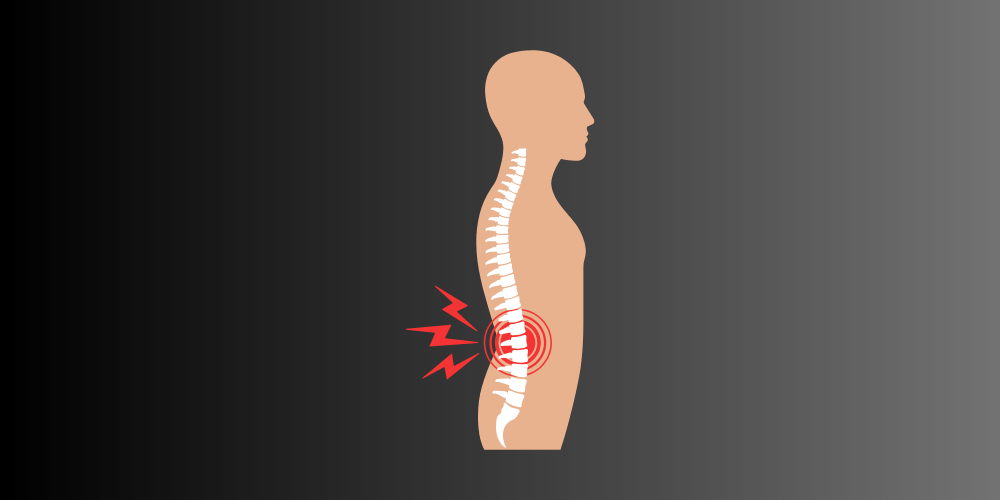
Low back pain (LBP) is discomfort in the lumbar region that ranges from acute strain to chronic mechanical or inflammatory pain. Causes include muscle strain, disc problems, lumbar spondylosis, nerve compression (sciatica), and Vata imbalance in Ayurveda.
Common signs & symptoms
- Localized pain in the lower back, may radiate to buttocks or legs (sciatica).
- Stiffness, reduced range of motion, difficulty bending or standing.
- Muscle spasm, tenderness, and chronic discomfort affecting daily activities.
Ayurvedic view
In Ayurveda, low back pain is often a manifestation of Vata aggravation affecting Mamsa, Majja and Asthi (muscle, marrow, bone) tissues. Accumulated Ama (toxins), poor digestion and poor posture exacerbate symptoms. Therapies seek to pacify Vata, remove Ama, nourish tissues and restore strength.
Our Ayurvedic Strategy for Low Back Pain
A staged, individualized program combining local therapies, systemic detox when needed, herbs, pain control and rehabilitation:
- Immediate symptomatic relief: Local oil therapies (Kati Vasti), Lepam, Abhyanga to relieve spasm and pain.
- Root correction: Basti (medicated enemas) and metabolic correction to pacify Vata and remove Ama in chronic cases.
- Tissue nourishment: Njavara Kizhi, oil baths and Rasayanas to rebuild muscle and supportive tissues.
- Rehabilitation: Post-therapy physiotherapy, lumbar strengthening and posture correction to prevent recurrence.
Clinic Therapies — Directly Useful for Low Back Pain (with photos)
Below are the therapies we use in-clinic specifically for low back pain. Each therapy includes a reference photo and practical details about indications and usage.
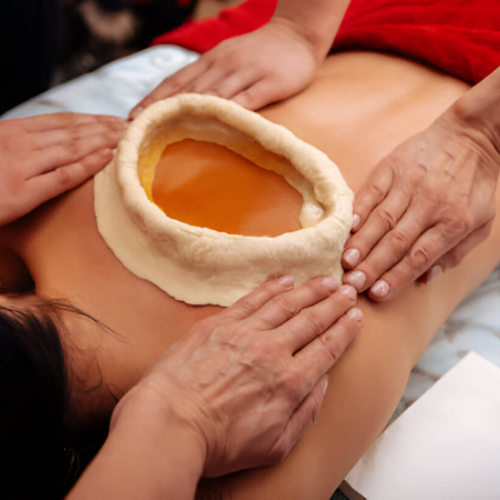
Kati Vasti LBP
What it is: Warm medicated oil retained over the lumbar area inside a dough boundary for a fixed duration.
- Directly nourishes spinal muscles, ligaments and facet joints; relieves chronic and acute low back pain.
- Reduces muscle spasm, improves flexibility and reduces nerve irritation in lumbar region.
- Often used daily during intensive phase (20–40 minutes), then tapered to maintenance.
Herbal, Nutritional & Exercise Support
Herbs & Formulations
- Dashmoola: A classical Vata-pacifying anti-inflammatory formulation effective for back pain.
- Guggulu (Yogaraj Guggulu/Dashmool Guggulu): Anti-inflammatory, helps joint and soft tissue pain.
- Ashwagandha: Nourishes muscles, reduces pain and supports recovery.
- Local medicated oils: Mahanarayana oil, Sahacharadi oil (clinically chosen) for topical use in Kati/Prishtha Vasti.
Nutrition & Home Care
- Warm, easy-to-digest meals; include ghee and healthy fats to lubricate tissues.
- Avoid cold, raw, and heavy foods that increase Vata and Ama.
- Hydration with warm water, herbal teas (ginger, licorice) as advised.
- Use hot fomentation at home after sessions if recommended; follow therapist instructions for home oil application.
Rehabilitation & Exercises
Active rehabilitation is essential once acute pain reduces. Typical components:
- Core strengthening (guided by physiotherapist): plank progressions, transversus abdominus activation, lumbar stabilizers.
- Gentle lumbar mobilization and stretching (hamstring, piriformis stretches).
- Postural correction and ergonomic advice for sitting/standing/lifting.
- Low-impact aerobic conditioning (walking, stationary bike) to improve circulation.
Sample Clinic Treatment Plans
Acute Relief (3–7 days)- Abhyanga (gentle) + localized Swedana
- Kati Vasti daily and Lepam for painful points
- Short course of anti-inflammatory herbal medicines
Stabilize & Rehabilitate (2–4 weeks)- Course of Kati/Prishtha Vasti + Njavara Kizhi
- Basti course if chronic Vata predominance or recurrent sciatica
- Start physiotherapy-guided strengthening in week 2
Maintenance & Prevention- Periodic Abhyanga / Kati Vasti as needed
- Daily home oil application (if advised) and exercise routine
- Herbal tonic course and ergonomic counseling
Plans are individualized after clinical assessment — imaging or specialist referral is arranged when red flags (neurological deficit, trauma, infection) are present.
Quick Reference — Therapies & Roles
| Therapy | Main benefit | When used |
|---|
| Kati Vasti | Local lubrication, deep pain relief | Acute & chronic lumbar pain |
| Prishtha Vasti | Back nourishment & flexibility | Broad posterior back pain |
| Njavara Kizhi | Tissue rejuvenation | Chronic stiffness & degeneration |
| Abhyanga | Muscle relaxation & circulation | Preparatory & maintenance |
| Basti | Systemic Vata pacification | Chronic/recurrent Vata-driven LBP |
| Churn/Patra Potli | Break adhesions & increase mobility | Peri-articular fibrosis / stiffness |
Safety, Red Flags & Coordination
- If you have neurological deficits (progressive weakness, loss of bladder/bowel control), fever, unexplained weight loss, or severe trauma — seek immediate medical attention; some cases require surgical or emergency care.
- Panchakarma procedures and Basti require pre-assessment and are performed under qualified supervision.
- We coordinate imaging (X-ray, MRI) and orthopedics/physio referrals when indicated.
Ready to reduce your back pain and restore function?
Book a personalized consultation — we will assess, create a safe Ayurvedic plan (therapies + herbs + rehab) and coordinate further investigations if needed.
Book ConsultationAll procedures performed under qualified Ayurvedic physicians with physiotherapy coordination as required.