What is a UTI?
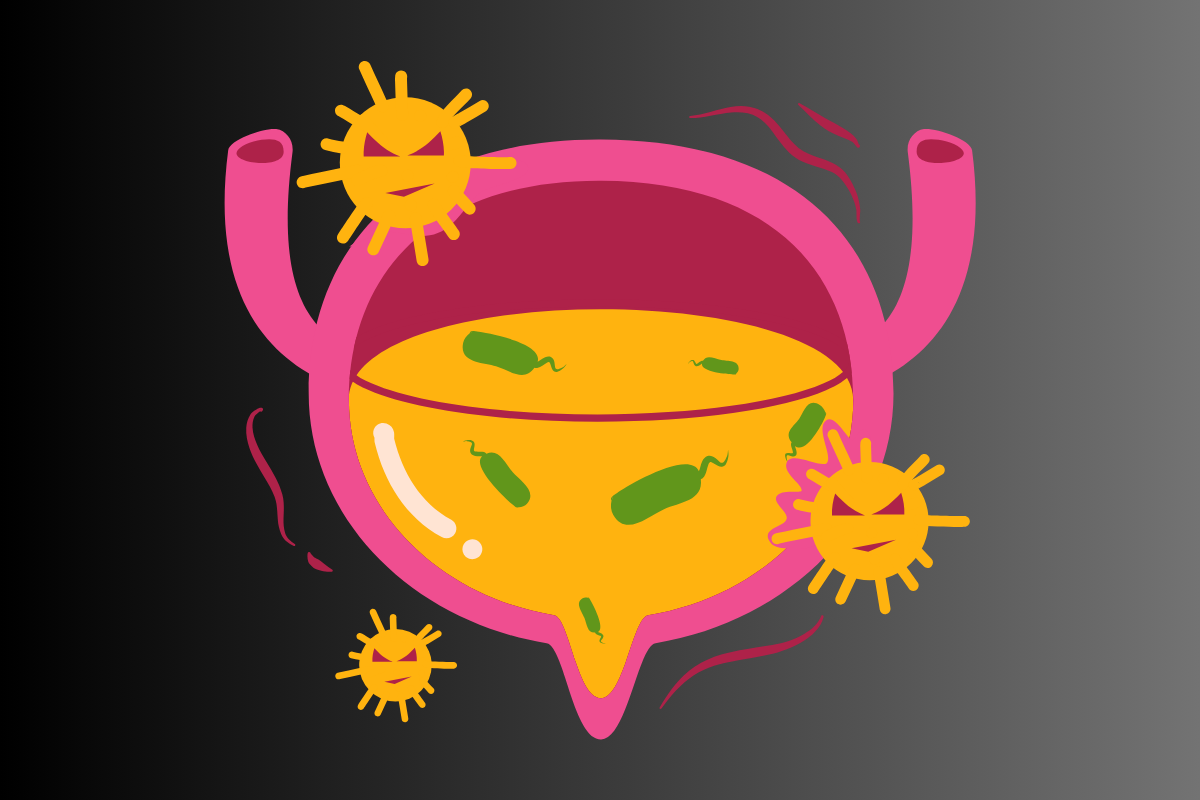
A urinary tract infection (UTI) is an infection of any part of the urinary system — urethra, bladder (cystitis), ureters or kidneys (pyelonephritis). Typical symptoms include burning on urination, frequency, urgency, lower abdominal discomfort, cloudy or strong-smelling urine and sometimes fever. Prompt medical evaluation is important to rule out complicated infection and kidney involvement.
Common causes & investigations
- Bacterial infection (most commonly Escherichia coli) ascending from the urethra into the bladder.
- Risk factors: female anatomy, sexual activity, urinary retention, catheterization, diabetes and poor hygiene.
- Investigations: urine routine & microscopy, urine culture & sensitivity, blood tests if systemic symptoms, and imaging if recurrent or complicated UTI.
Ayurvedic perspective
In Ayurveda urinary infections are commonly seen under Mutravaha Srotas disorders — often involving Vata and Pitta dosha with presence of Ama (toxins) and impaired Agni (digestive/metabolic function). Treatment aims to clear infection, reduce inflammation, restore urinary flow and strengthen urinary tract tissues.
Critical Safety Note
If you suspect a UTI (painful urination, high fever, flank pain, blood in urine), seek immediate medical care. Acute bacterial UTIs often require antibiotics guided by urine culture. Ayurvedic therapies may complement medical treatment — especially for symptom relief, recurrence prevention and recovery — but do NOT replace indicated antibiotics or urgent care for complicated infections.
Ayurvedic Care Pathway (Integrated)
- Medical coordination: Urine tests and physician-directed antibiotics when needed; rule out complicated UTI or pyelonephritis before clinic therapies.
- Acute symptom control: Supportive measures (hydration, bladder rest, sitz steam), mild herbal diuretics and antimicrobials as adjuncts under supervision.
- Clinic therapies (selective): Localized steam (Nadi Swedan), Uttara Basti (when indicated and after evaluation), Kati Vasti for pelvic/lower back pain, medicated poultices (Patra/Churn Potli), gentle Abhyanga and selected Basti protocols to restore balance.
- Herbal & dietary rehabilitation: Antimicrobial and diuretic Ayurvedic herbs (e.g., Gokshura, Punarnava, Varuna) with attention to liver/renal safety and in coordination with labs.
- Prevention: Lifestyle measures — adequate hydration, timely urination, hygiene, post-coital care, manage blood sugar and follow-up urine cultures for recurrent cases.
Clinic Therapies Useful in UTI — with reference images
Therapies below are commonly used in Ayurvedic clinics to support symptom relief, local inflammation reduction and urinary tract healing. Each includes a reference photo. All procedures require prior medical clearance in acute bacterial infection.
Uttara Basti (Genito-urinary Instillation) Key
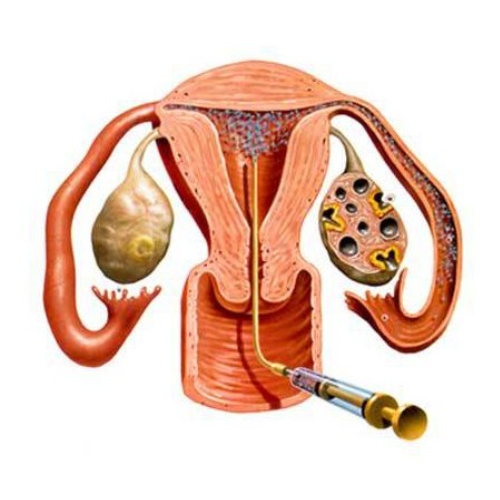
What it is: Controlled instillation of medicated oil or decoction into the urinary tract (urethra/bladder) — used in selected mutravaha (urinary) disorders.
- Directly targets lower urinary tract to reduce inflammation, promote healing and aid clearance of residual irritants.
- Indicated primarily in non-acute, well-evaluated cases and under strict aseptic conditions; contraindicated during active high-grade infection without antibiotics and medical oversight.
- Performed only by experienced Ayurvedic clinicians with informed consent and prior urine testing.
Nadi Swedan (Localized Steam)
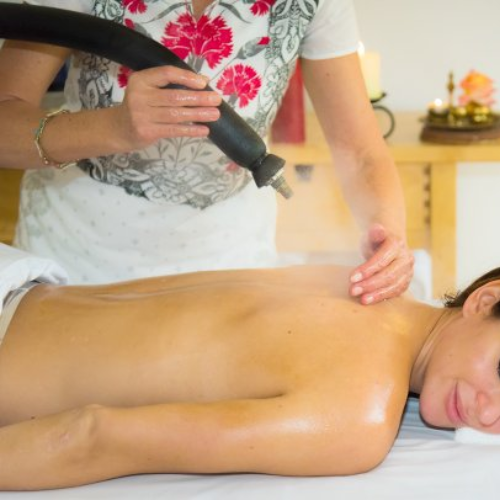
What it is: Targeted warm herbal steam over the pelvic/lower abdominal area.
- Helps relieve burning and spasms, promotes local circulation and eases urinary urgency/frequency.
- Used as an adjunct during acute symptomatic phase (alongside medical therapy) and during recovery to encourage drainage and comfort.
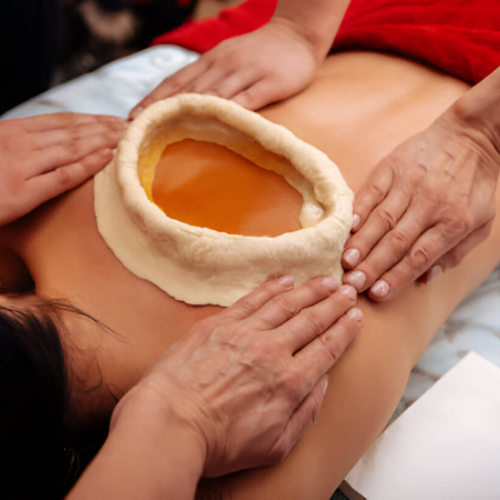
Kati Vasti (Localized Oil Retention on Lower Back)
What it is: A ring of warm medicated oil retained over the lower back/pelvic region to relieve pain and pelvic tension.
- Soothes lower abdominal and back discomfort often associated with UTIs and supports pelvic circulation.
- Useful when UTI symptoms include suprapubic or low-back ache; applied in short, monitored sessions.
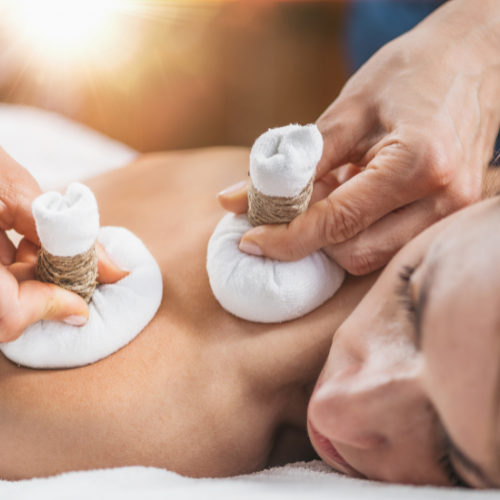
Patra Potli / Churn Potli (Medicated Poultice)
What it is: Warm poultices made of fresh medicinal leaves or powdered herbs, applied over the lower abdomen and bladder region.
- Reduces localized inflammation, relieves spasm and provides soothing symptomatic relief.
- Patra (leaf) potli is used for cooling/anti-inflammatory action; churn potli (powder bolus) may be used depending on indication.
Lepam (Herbal Paste Application)
What it is: Topical application of specially prepared herbal pastes over the suprapubic area.
- Used to reduce local inflammation, pain and irritation of the bladder region when chosen herbs are safe and appropriate.
- Applied for short cycles and combined with internal medicines and supportive therapies.
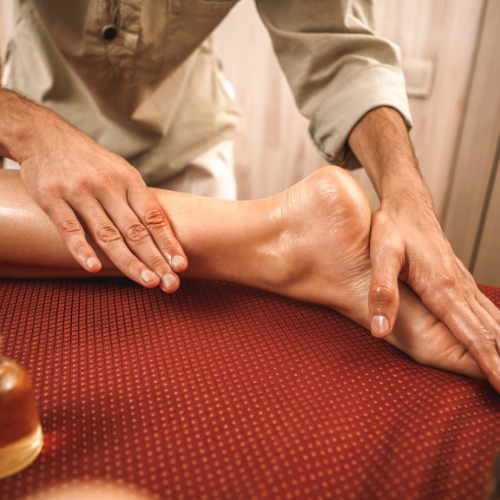
Abhyanga (Supportive Warm Oil Massage)
What it is: Gentle full-body herbal oil massage to calm doshic imbalance and support systemic immunity.
- Helps reduce systemic stress, improves circulation and supports overall recovery.
- Techniques and oils are chosen to be gentle and non-irritating in patients with urinary symptoms.
Basti (Medicated Enema) — Selected Use
What it is: Medicated decoction or oil administered rectally to correct Vata and improve pelvic physiology when indicated.
- Used in chronic or recurrent UTI patterns where Vata imbalance or pelvic stasis is a contributing factor.
- Prescribed selectively after full evaluation and not used during uncontrolled acute infection.
Herbal Medicines & Nutritional Support
Herbs are selected for antimicrobial, anti-inflammatory and diuretic properties while ensuring renal and hepatic safety. Internal medicines must be prescribed by a qualified clinician after reviewing labs and current medications.
- Gokshura (Tribulus terrestris): Traditionally used as a urinary tonic and to support urinary flow.
- Punarnava (Boerhaavia diffusa): Diuretic and anti-inflammatory; helps reduce edema and supports renal function in appropriate doses.
- Varuna (Crateva nurvala): Known for urinary tract support and antimicrobial properties in classical use.
- Diet: Plenty of fluids (water, warm water), light soups, steamed vegetables, moong dal; avoid caffeine, alcohol, and overly spicy or fried food during acute illness.
- Hygiene & lifestyle: Timely voiding, avoid tight synthetic garments, post-coital hygiene, control blood sugar if diabetic.
- Note: Cranberry products may help prevention in some cases but discuss with your clinician — they are not a substitute for treatment when infection is present.
If urine culture indicates bacterial infection, antibiotics may be necessary. Ayurvedic herbs can be integrated under supervision to support recovery and prevent recurrence.
Sample Clinic Plans (examples)
Acute symptomatic care- Immediate medical evaluation and urine culture
- Antibiotics if indicated; concurrent supportive Nadi Swedan (localized steam), hydration and bladder rest
- Pain relief, bladder soothing herbs and short-course topical poultices for suprapubic discomfort
Recovery & consolidation- After infection control: Uttara Basti (when indicated), Kati Vasti for pelvic pain relief
- Therapeutic poultices (Patra/Churn Potli), Lepam and supportive Abhyanga
- Oral herbal regimen (Gokshura, Punarnava) and diet/lifestyle counseling
Prevention & follow-up- Regular hydration, bladder training and hygiene measures
- Periodic supportive therapies and lab follow-up for recurrent cases
- Investigate anatomical or metabolic contributors (e.g., urinary retention, stones, diabetes)
All invasive or internal procedures (Uttara Basti, Basti) require aseptic technique, urine testing and informed consent. We coordinate with medical specialists for complicated or recurrent UTIs.
Quick Reference — Therapies & Roles
| Therapy | Primary role | Notes |
|---|
| Uttara Basti | Direct lower urinary tract instillation for inflammation/healing | Selected use; requires sterile conditions & prior testing |
| Nadi Swedan | Localized steam for pain, spasm relief | Adjunct during acute symptoms and recovery |
| Kati Vasti | Relieve pelvic/lower back pain | Supportive for suprapubic/back ache |
| Patra / Churn Potli | Local anti-inflammatory poultice | Symptomatic relief for suprapubic area |
| Lepam | Topical anti-inflammatory application | Short course applications as indicated |
| Basti | Correct pelvic Vata, support pelvic physiology | Used in chronic/recurrent patterns after assessment |
Need an integrated Ayurvedic plan for UTI?
Book a consultation — we'll review your urine tests, coordinate with your physician and design a safe, stepwise plan combining medical care and Ayurvedic support to treat the infection and reduce recurrence.
Book ConsultationAcute UTIs may require antibiotics. All internal procedures are performed by qualified Ayurvedic physicians with prior lab review.