What is PID?
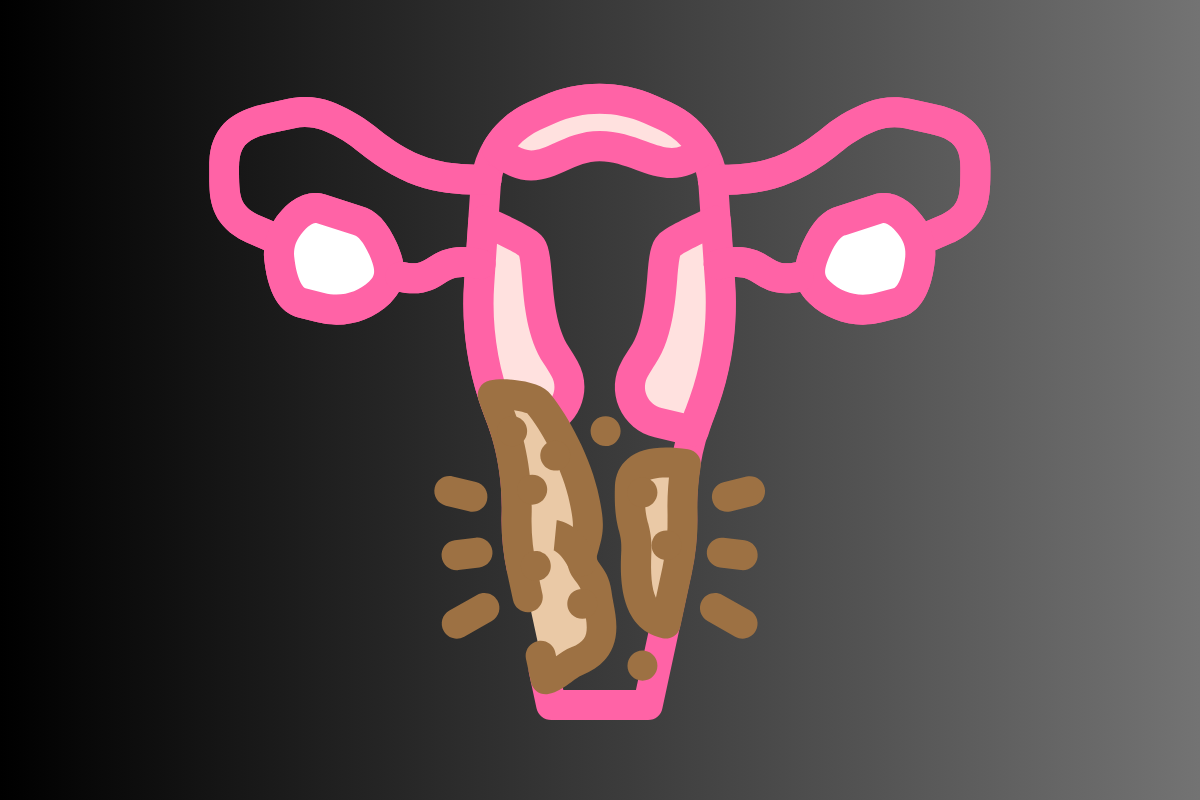
Pelvic inflammatory disease (PID) is an infection and inflammation of the female upper genital tract — uterus, fallopian tubes and adjacent pelvic structures. Symptoms can range from mild pelvic pain and abnormal vaginal discharge to fever, severe abdominal pain and complications such as tubal scarring, infertility or tubo-ovarian abscess. Prompt medical diagnosis and antibiotic treatment are the standard of care for acute PID.
Critical Safety Note (medical first)
If PID is suspected you should seek immediate medical evaluation. Acute PID is treated with appropriate antibiotics and sometimes hospitalization or surgical drainage for abscesses. Ayurvedic therapies below are presented as **complementary** supportive and rehabilitative measures after or alongside medical care — never as a replacement for indicated antibiotics or emergency treatment.
Ayurvedic perspective
In classical and contemporary Ayurveda pelvic inflammatory conditions are commonly discussed under Yoni Vyapad or pelvic inflammatory/uterine disorders. These presentations often involve a mixture of Pitta (inflammation, infection) and Vata (pain, scarring) derangements with local Ama (toxins) and obstruction. Treatment aims at controlling infection/inflammation (as allowed by medical care), removing local toxins, correcting dosha imbalance, reducing pain and supporting tissue healing.
Therapies used for PID — reference photos included
Below are the clinic therapies commonly used in Ayurvedic management of PID (supportive, rehabilitative, or locally therapeutic). Each therapy requires individualized assessment and appropriate medical coordination before use.
Uttara Basti (Vaginal/Uterine Instillation) Key
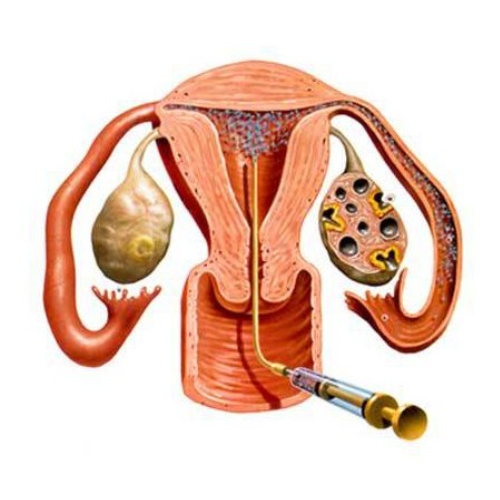
What it is: Medicinal oil or decoction gently instilled into the uterus/vagina (Uttara Basti) to locally nourish, reduce inflammation and help resolve adhesions/obstructions.
- Used for uterine, tubal and pelvic pathology (post-infection scarring, chronic pelvic inflammation) as a targeted local therapy.
- Often described as helpful in improving endometrial and tubal conditions and to support local tissue healing — performed only by trained physicians with sterile technique and after gynecological clearance.
Basti (Medicated Enema) — Selected Systemic Use
What it is: Medicated oil or decoction administered rectally to pacify Vata and support gut–pelvic axis and systemic detoxification.
- Helps correct Vata that contributes to pelvic pain/spasm and promotes systemic elimination pathways; selected protocols are used to reduce chronic pelvic symptoms and support tissue healing.
- Prescribed selectively after medical assessment and when the patient is stable; used as part of a coordinated Panchakarma programme.
Abhyanga (Warm Oil Massage)
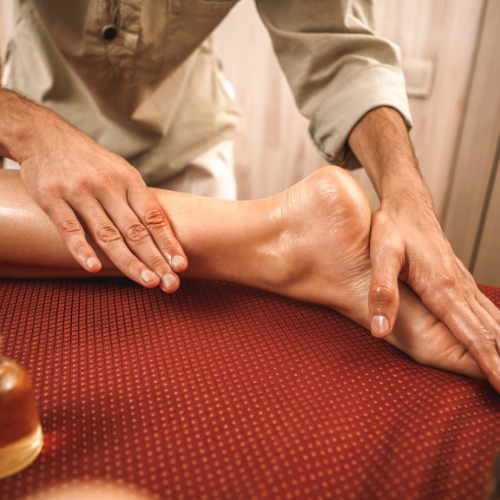
What it is: Gentle full-body herbal oil massage tailored to pacify Pitta/Vata, improve circulation and reduce pain and stiffness.
- Prepares the body for local therapies, reduces pelvic and lower-back muscular tightness, improves lymphatic drainage and supports systemic recovery.
- Techniques and oils are chosen to be gentle and cooling in the presence of active inflammation.
Swedan / Nadi Swedan (Fomentation / Local Steam)
What it is: Therapeutic steam or local fomentation to the pelvic/lower-abdomen area to relieve pain, improve circulation and aid removal of toxins.
- Local steam (yoni steam, nadi swedan) is used cautiously to reduce local congestion and pain when infection is controlled or when used as a supportive measure under supervision.
- Not for use during acute uncontrolled infection/fever without medical clearance.
Kati Vasti & Prishtha Vasti (Local Oil Retention)
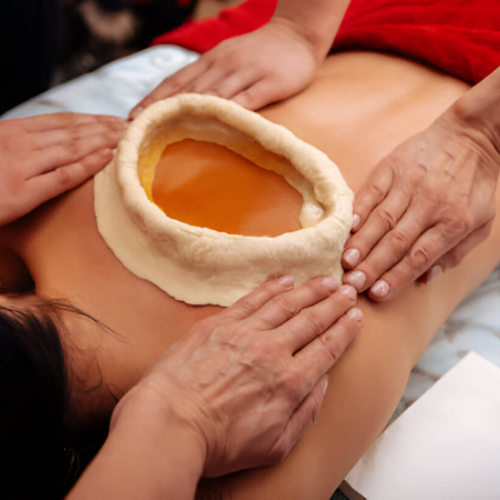
What it is: Warm medicated oil retained over the lower back (Kati) or the pelvic/back area (Prishtha) using a dough frame to relieve pelvic/back pain and inflammation.
- Targets lower-back and pelvic muscular spasm, relieves pain and improves local circulation important in chronic PID presentations.
- Used together with other pelvic therapies for symptomatic relief.
Njavara Kizhi (Rejuvenative Bolus Therapy)
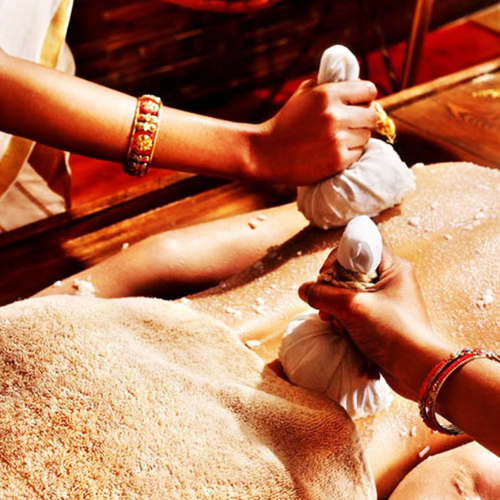
What it is: Warm rice boluses cooked in herbal decoction applied to the body to nourish tissues, improve strength and support recovery.
- Useful in the rehabilitative phase to address weakness, chronic fatigue and to support tissue rebuilding following prolonged or recurrent PID.
Lepam (Herbal Pastes) & Patra/Churn Potli (Herbal Bolus)
What it is: Topical herbal pastes (lepam) or potli fomentation using medicinal leaves/powders to reduce local inflammation and pain when applied to the pelvic/lower abdomen or sacral area.
- Local anti-inflammatory and analgesic action; used as adjuncts to relieve pelvic tenderness and to support healing.
Kashaya Dhara (Herbal Decoction Pouring)
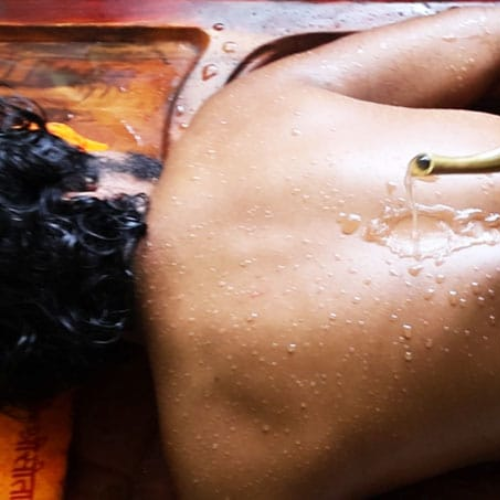
What it is: Continuous pouring of a warm herbal decoction over the lower abdomen or pelvic area for soothing, anti-inflammatory local effects.
- Supportive therapy for localized pelvic discomfort and to promote local circulation during recovery phases.
Shirodhara (Nervous System Support) — Adjunct
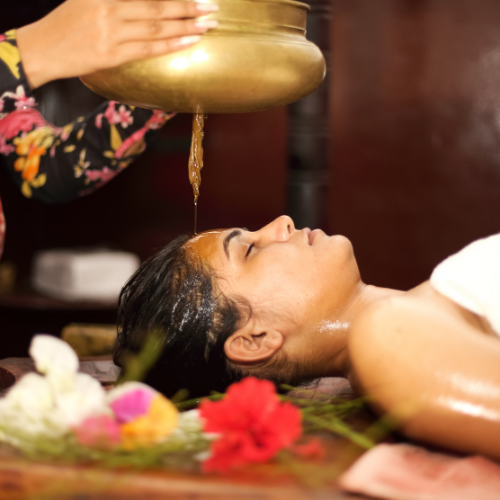
What it is: Continuous pouring of warm herbal oil on the forehead to calm the nervous system, relieve stress and improve sleep — helpful as an adjunct in chronic PID recovery where stress/sleep disturbance exist.
Herbal Medicines & Nutritional Support
Ayurvedic internal medicines are selected for anti-inflammatory, anti-infective (as supportive), scar-softening and tissue-nourishing actions — always used after clinical assessment and in coordination with conventional medical care.
- Guduchi (Tinospora cordifolia): Immunomodulatory and anti-inflammatory properties; used under supervision.
- Kutki / Bhumyamalaki: Supportive hepatic/metabolic care and detoxification when needed.
- Guggulu / Triphala (carefully): Used in specific formulations to support tissue healing and gentle detox.
- Diet: Small, warm, easily digestible meals; favor cooked vegetables, mung dal, rice, soups and bone or vegetable broths.
- Avoid: Alcohol, smoking, heavy oily foods, unprotected sex until infection fully cleared.
- Hydration & rest: Adequate fluids, sleep and avoidance of strenuous activity during recovery.
All internal herbs/formulations must be prescribed by a qualified Ayurvedic physician in coordination with your treating clinician and baseline tests.
Sample Clinic Plans (examples)
Acute medical stabilization- Immediate medical evaluation and antibiotics as indicated (gynecology/infectious disease).
- Pain control, rest, avoid local steam or invasive therapies until infection controlled.
Early supportive phase (post-antibiotics)- Gentle Abhyanga, Kati Vasti/Prishtha Vasti for pelvic/back pain relief.
- Local Lepam, Kashaya Dhara for pelvic tenderness; begin oral supportive herbs under supervision.
Rehabilitation & targeted therapy- Uttara Basti cycles (if indicated and clinically safe) to address tubal/endometrial healing and scar modulation.
- Selected Basti (systemic) and Njavara Kizhi for nourishment and Vata correction.
- Long-term follow up and coordination with gynecology for fertility/structural assessment.
Uttara Basti, Basti and all local instillations require gynecologic clearance, sterile procedures and informed consent; they are not used during active high-grade infection, sepsis, or when abscess requires surgical management.
Quick Reference — Therapies & Roles
| Therapy | Primary role | Notes |
|---|
| Uttara Basti | Local uterine/tubal instillation — nourish & reduce local inflammation | Key gynecological procedure after clearance |
| Basti | Correct Vata, support gut–pelvic axis | Selected systemic use; part of Panchakarma |
| Abhyanga | Supportive nourishment, circulation | Gentle techniques during recovery |
| Kati/Prishtha Vasti | Local pain & muscle spasm relief | Useful for lower back / pelvic pain |
| Njavara Kizhi | Rejuvenation & strength | Rehabilitation phase |
| Lepam / Potli | Local anti-inflammatory & analgesic | Adjunct for pelvic tenderness |
Need a safe, integrated Ayurvedic plan for PID recovery?
Book a consultation — we will review your medical records/labs, coordinate with your gynecologist, and design a stepwise, monitored Ayurvedic plan to support healing and pelvic health.
Book ConsultationAll procedures are performed by qualified Ayurvedic physicians using sterile technique. Medical clearance and ongoing coordination with your physician are mandatory before local or Panchakarma therapies.