What is PCOS / PCOD?
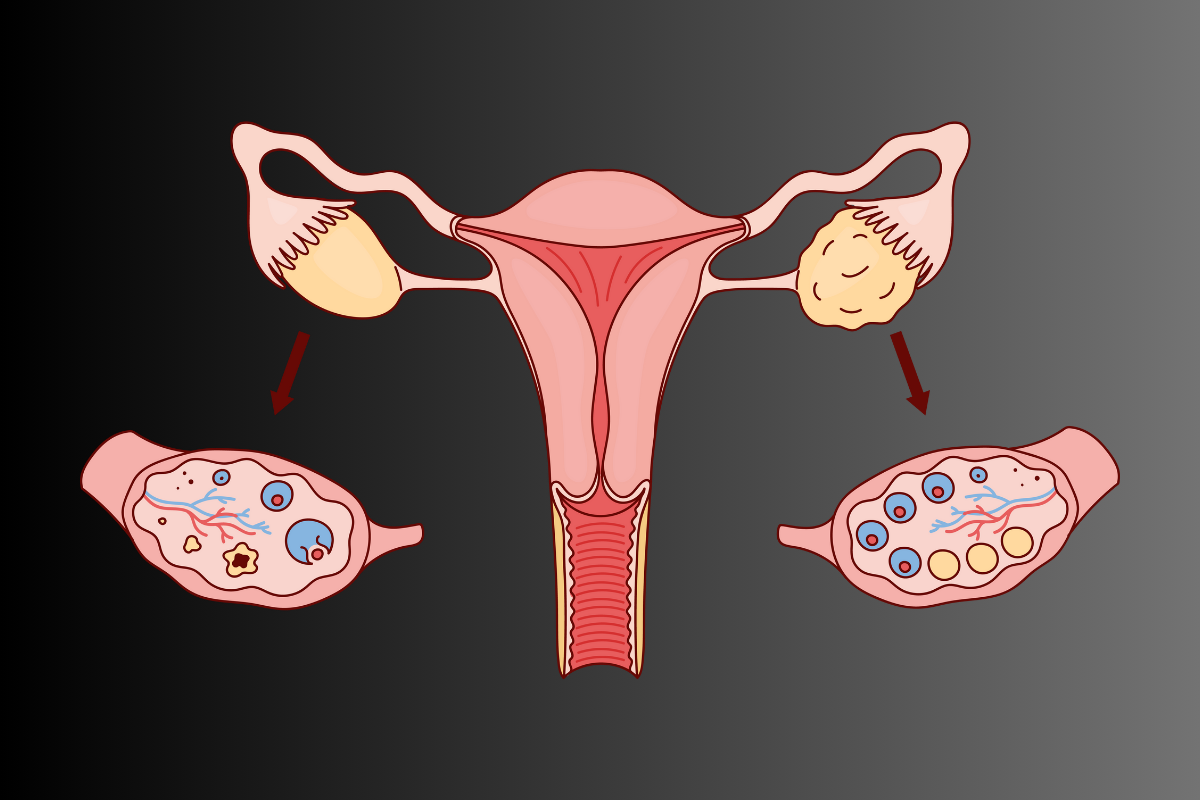
Polycystic Ovarian Syndrome (PCOS), also called Polycystic Ovarian Disease (PCOD), is a hormonal-metabolic condition characterized by irregular cycles, hyperandrogenism (acne, hirsutism), polycystic ovarian morphology and insulin resistance in many patients. Management requires addressing hormones, metabolism, ovulatory function and lifestyle.
Common signs & investigations
- Irregular or absent periods, heavy bleeding, infertility or subfertility.
- Hirsutism, acne, weight gain (central adiposity), hair thinning (androgenic alopecia).
- Investigations: serum testosterone/DHEA, fasting insulin/glucose, HbA1c, pelvic ultrasound (ovarian morphology), TSH, prolactin.
- Metabolic screening (lipids, BMI, BP) is essential because of long-term cardiometabolic risk.
Ayurvedic perspective
PCOS is seen as an interplay of Vata (ovulatory dysfunction), Kapha (obstruction, weight/metabolic stagnation) and Meda (adipose) aggravation with accumulation of Ama (metabolic toxins). Ayurvedic care focuses on removing obstruction, improving ovarian function, balancing hormones, correcting metabolism and strengthening reproductive tissues (Shukra/Artava).
Safety & Integration
Ayurvedic therapies complement conventional reproductive and metabolic care. We coordinate with your gynecologist/endocrinologist, review labs and imaging, and avoid therapies that conflict with active medical treatments (for example, certain detox procedures during pregnancy). Treatment is individualized and requires baseline tests and informed consent.
Ayurvedic Care Pathway (Focused for PCOS)
- Comprehensive evaluation: History, cycle mapping, metabolic labs and ultrasound to stage the problem (weight/metabolic, hyperandrogenic, infertility-focused).
- Shodhana (selective cleansing): When indicated and after assessment — mild Panchakarma like Basti (selected) and Uttara Basti for uterine health; systemic purificatory procedures are considered case-by-case.
- Local & systemic therapies: Abhyanga & Swedana to mobilize toxins, Udvartana to reduce Kapha/Medas, Kati/Griva Vasti for pelvic/back support, Uttara Basti to directly nourish the reproductive tract.
- Shamana medicines: Hormone-modulating & insulin-sensitizing herbs (e.g., Shatavari, Ashoka, Guduchi, Triphala) with physician supervision and lab monitoring.
- Diet & lifestyle: Low-glycemic, Pitta-Kapha balancing principles, weight management, exercise, sleep and stress reduction (Shirodhara/Nidra therapies when indicated).
Clinic Therapies Helpful for PCOS — with reference images
Therapies below are commonly used in PCOS-focused protocols. Each listing includes an image for clinician/patient reference. All procedures require clinical evaluation and baseline tests.
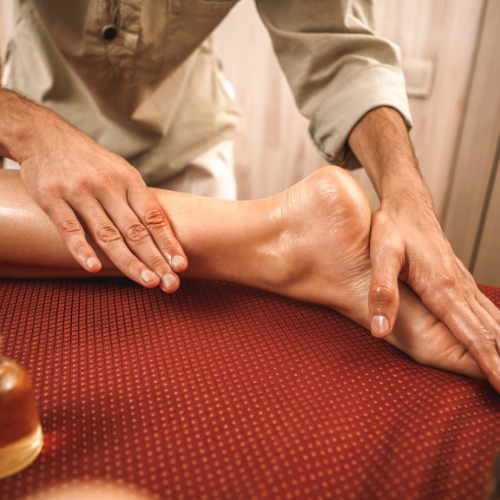
Abhyanga (Warm Oil Massage)
What it is: Gentle full-body herbal oil massage tailored to reduce Kapha stagnation, improve circulation and support lymphatic and metabolic function.
- Mobilizes metabolic stagnation, improves circulation to pelvic organs and calms the nervous system.
- Useful as preparatory therapy before Swedana or Basti; frequency individualized for metabolic goals.
Swedan (Therapeutic Steam)
What it is: Superficial or localized fomentation/steam to promote sweating and reduce Kapha/Medas congestion.
- Used after Abhyanga to open channels and enhance metabolic clearance.
- Improves circulation to pelvic region and supports weight-loss protocols when combined with diet and exercise.
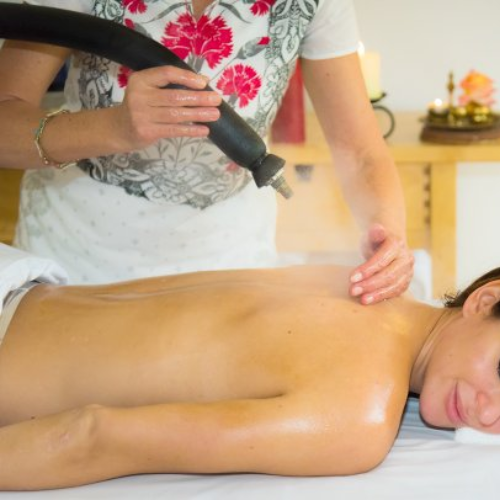
Nadi Swedan (Localized Steam)
What it is: Focused steam (via pipes/nozzles) applied to lower abdomen/ovarian region to relieve pelvic congestion and pain.
- Helps reduce local stiffness, improves ovulatory blood flow and eases dysmenorrhea associated with PCOS.
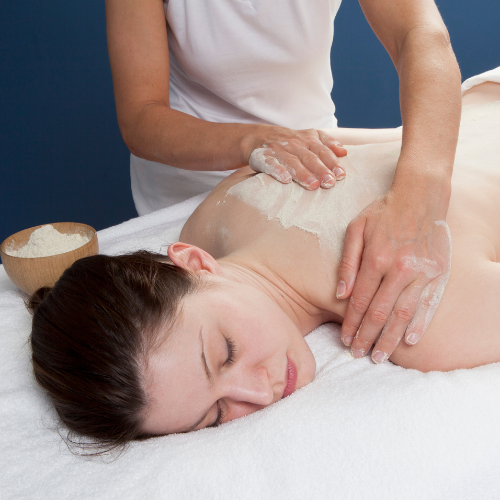
Udvartana (Herbal Powder Massage)
What it is: Vigorous massage using herbal powders to reduce Kapha and Meda (fat), stimulate circulation and promote lymphatic drainage.
- Part of weight-management and metabolic correction protocols — helps reduce subcutaneous fat and cellulite-like deposits.
- Often combined with dietary changes and exercise for sustained benefit.
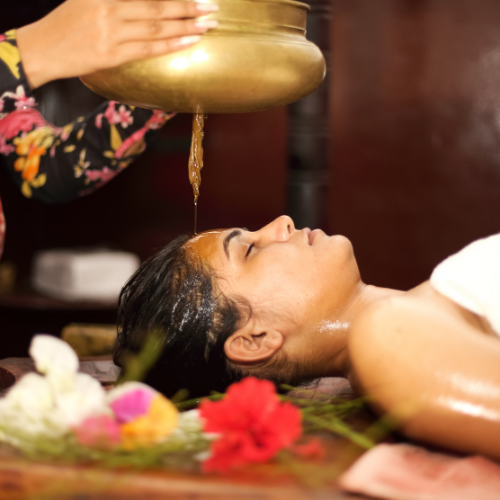
Shirodhara (Nervous System & Stress Support)
What it is: Continuous gentle pouring of warm oil/decoction on forehead to calm the nervous system and reduce stress-related hormonal dysregulation.
- Reduces stress, improves sleep and helps rebalance HPA axis — important because stress worsens insulin resistance and cycle irregularities.
- Used adjunctively during lifestyle and medical treatment for PCOS.
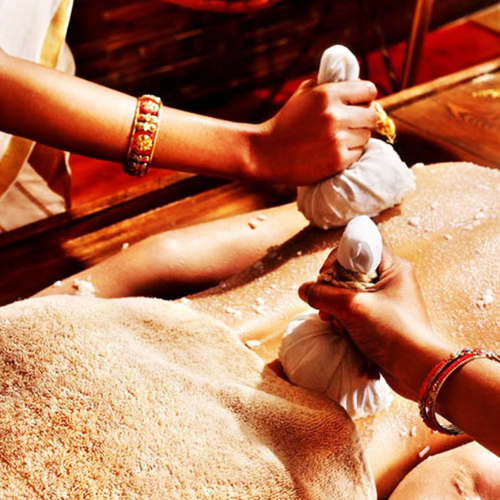
Njavara Kizhi (Nourishing Bolus Therapy)
What it is: Warm boluses of Njavara rice cooked in therapeutic decoctions applied to the body to nourish tissues and support reproductive health.
- Supports systemic nourishment, reproductive tissue health and recovery after detoxification.
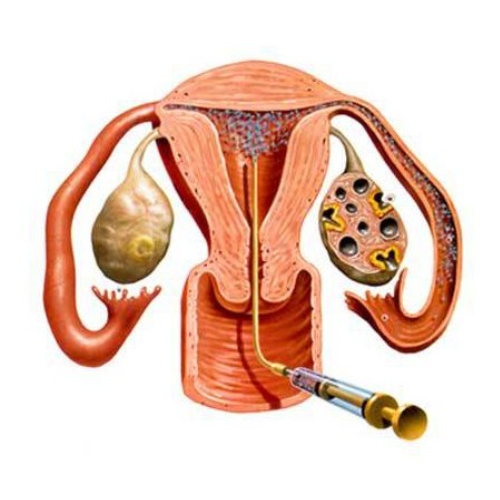
Uttara Basti (Uterine/Therapeutic Instillation) Key
What it is: Medicated oil or medicated decoction introduced into the uterine/vaginal canal under clinical supervision to directly nourish and support endometrial and ovarian function.
- Considered one of the most important local therapies for gynecological disorders — used to improve uterine environment and regulate cycles.
- Strictly clinician-administered with sterile technique and after assessment (not used during active infection or pregnancy unless specifically indicated).
Basti (Medicated Enema) — Selected Use
What it is: Medicated oil/decoction enemas to correct Vata, improve gut-liver-reproductive axis and support ovulation.
- Helps correct Vata-related ovulatory dysfunction and supports hormonal rhythm when used as part of a comprehensive Panchakarma package.
- Prescribed selectively after evaluation and when patient is stable.
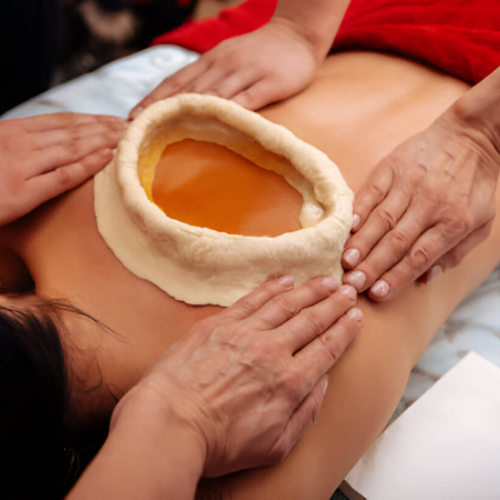
Kati Vasti (Lower Abdominal/Back Oil Retention)
What it is: Localized oil retained on the lower abdomen or sacral region to relieve pelvic congestion and support reproductive organ circulation.
- Useful for pelvic discomfort, lower back pain and improving local blood flow to reproductive organs.
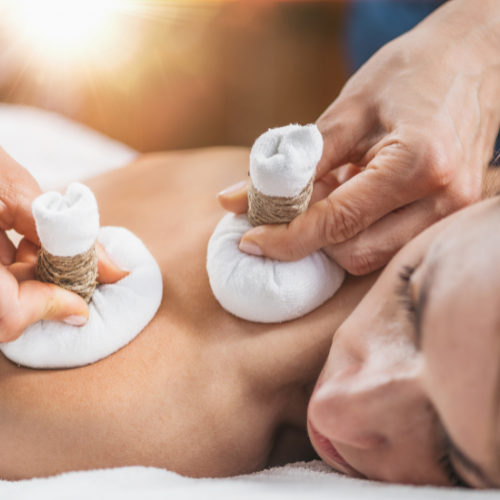
Patra Potli / Churn Potli (Herbal Bolus & Powder Compresses)
What it is: Warm herbal leaf/powder boluses applied topically to lower abdomen to relieve congestion and stimulate local circulation.
- Used as adjunct to reduce abdominal fullness, improve menstrual cramps and enhance local tissue response.
Lepam (Therapeutic Pastes)
What it is: Topical herbal pastes applied to the abdomen or lower back to reduce inflammation, support ovulatory function and relieve pain.
- Used for symptomatic relief and to enhance local absorption of therapeutic herbs.
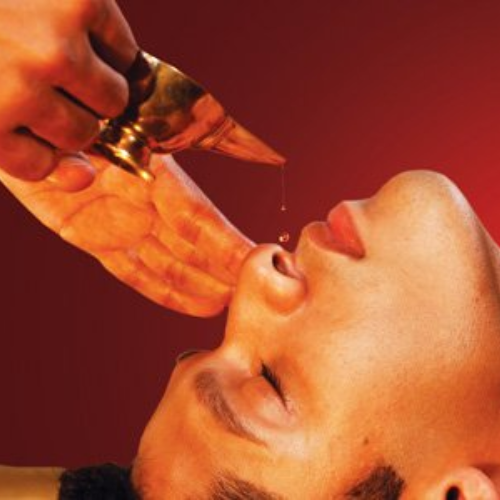
Nasyam (Nasal Therapy) — Adjunct
What it is: Administration of specific herbal oils/powders via the nasal route to balance neuroendocrine function and autonomic tone.
- Used when indicated for stress-related menstrual irregularities and autonomic imbalance; administered carefully with liver-friendly formulations.
Herbal Medicines & Nutritional Support
Oral medicines are prescribed after evaluation and in coordination with metabolic and hormonal labs. Commonly used herbs/formulations (clinician-prescribed):
- Shatavari (Asparagus racemosus): Reproductive tonic, supports ovarian function and hormonal balance.
- Guduchi (Tinospora cordifolia): Metabolic modulator and immune-supportive herb.
- Triphala: Gentle digestive support, promotes detox and bowel regularity (improves insulin sensitivity indirectly).
- Fenugreek & Ashwagandha: Used selectively for insulin-sensitizing and stress-modulating effects (under supervision).
- Diet: Low glycemic index foods, lean proteins, whole grains (limited), legumes, cooked vegetables; avoid refined sugars and ultra-processed foods.
- Exercise & Weight Management: Regular moderate exercise (aerobic + strength) to improve insulin sensitivity and cycle regularity.
- Sleep & Stress: Prioritize sleep hygiene and stress reduction (yoga, meditation, supportive therapies such as Shirodhara).
Herbal medicines should be physician-prescribed after reviewing labs (liver, thyroid, fasting insulin/glucose). Some herbs interact with metabolic drugs — coordination with your medical team is essential.
Sample Clinic Plans (examples)
Initial Stabilization & Lifestyle Reset- Baseline labs: hormones, metabolic panel, ultrasound.
- Diet plan + exercise prescription; Abhyanga + Swedana sessions for 1–2 weeks.
- Shatavari + Triphala based supportive medicines.
Detox & Hormonal Regulation (selected)- Targeted Panchakarma package (mild Basti series, Uttara Basti when indicated).
- Udvartana for Kapha/Medas reduction; Njavara Kizhi for nourishment post-cleansing.
- Follow-up labs and cycle-tracking.
Fertility Support & Maintenance- Uttara Basti cycles + local therapies, dietary optimization and timed ovulation support.
- Stress-management (Shirodhara), sleep optimization and continued herbal tonic therapy.
- Collaboration with reproductive specialists for assisted reproduction if indicated.
Plans are illustrative — every protocol is individualized, and certain procedures are only done after thorough assessment and clearance. Pregnancy or active infection changes therapy choices.
Quick Reference — Therapies & Roles
| Therapy | Primary role | When used / Notes |
|---|
| Abhyanga | Circulation, metabolic activation | Preparatory & supportive |
| Uttara Basti | Uterine/ovarian nourishment, cycle regulation | Key gynecological therapy — clinician-administered |
| Udvartana | Reduce Kapha/Medas, assist weight management | Used in metabolic/pachaka protocols |
| Basti | Correct Vata, support ovulation | Selected as part of Panchakarma |
| Shirodhara | Stress & sleep support | Adjunct to hormonal regulation |
| Nadi Swedan / Swedana | Pelvic decongestion, pain relief | After Abhyanga or as local therapy |
Need a tailored Ayurvedic plan for PCOS?
Book an assessment — we will review your labs, ultrasound and medical history, then design a stepwise, monitored Ayurvedic plan focused on metabolic correction, hormonal balance and reproductive goals.
Book ConsultationAll procedures are performed by qualified Ayurvedic physicians. Baseline labs and coordination with your medical team are mandatory before advanced therapies.