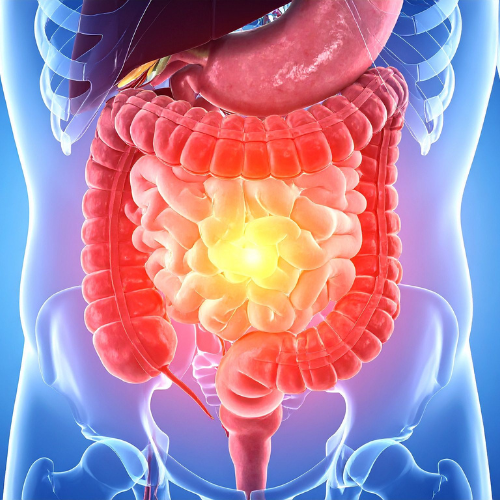
What is Endometriosis?
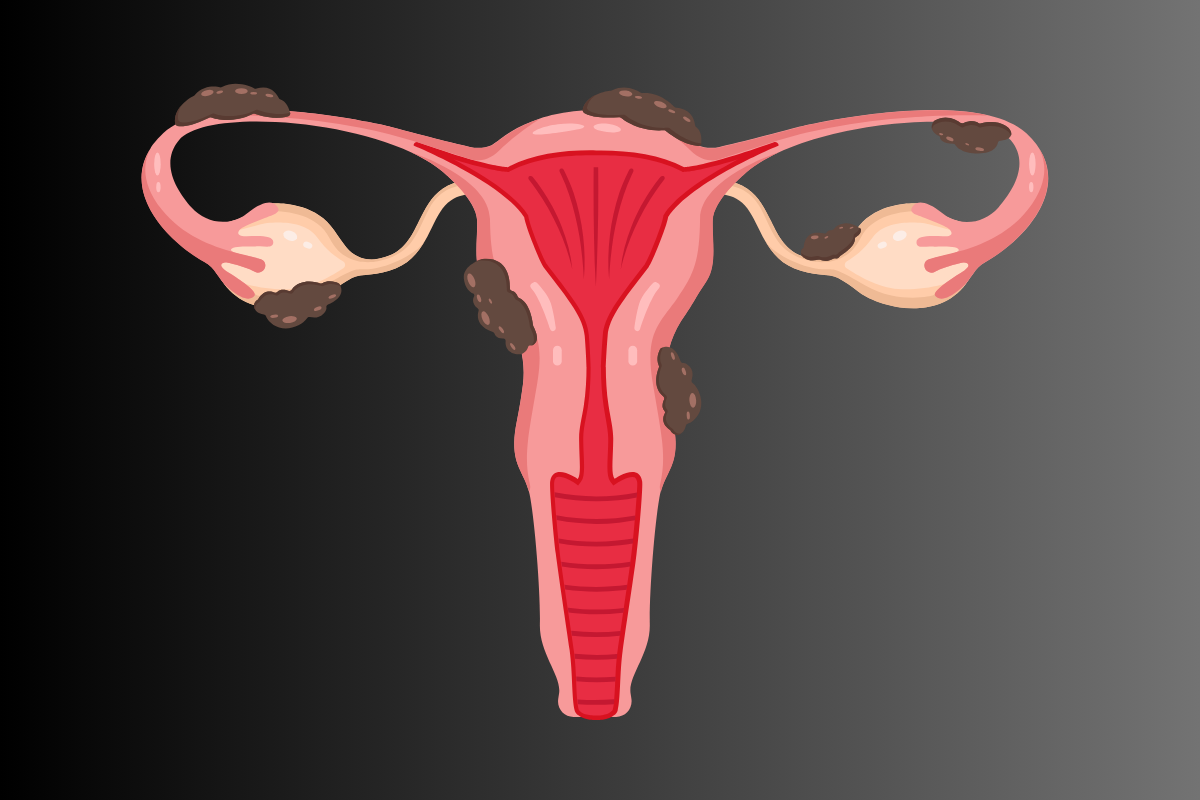
Endometriosis is a condition in which tissue similar to the lining of the uterus appears outside the uterine cavity, leading to pain, inflammation, menstrual irregularities and often infertility. Conventional treatments often involve hormonal therapy, pain-management or surgery. :contentReference[oaicite:1]{index=1}
Symptoms & Investigations
- Severe painful periods (dysmenorrhea), pelvic pain, pain during intercourse (dyspareunia). :contentReference[oaicite:2]{index=2}
- Infertility, ovarian cysts (endometrioma), adhesions. :contentReference[oaicite:3]{index=3}
- Diagnosis: Laparoscopy is gold-standard; imaging (ultrasound/MRI) + clinical correlation. (Note: Ayurveda uses clinical pattern more than histology.)
Ayurvedic Perspective
Ayurveda sees endometriosis mainly as an imbalance of Apana Vata (a subtype of Vata governing downward functions) causing abnormal movement/settling of menstrual tissue outside the uterus. :contentReference[oaicite:5]{index=5} Associated toxins (Ama), impaired digestion (Agni), inflammation (Pitta) and stagnation (Kapha) also play roles. :contentReference[oaicite:6]{index=6}
Critical Safety Note
Endometriosis may require timely medical/hospital intervention. Ayurvedic therapies can **support** conventional care but do **not** replace diagnostics, hormonal therapies, or surgery when indicated. Coordination with your gynaecologist is essential.
Ayurvedic Care Pathway (Integrated)
- Root-cause removal (Nidāna Parivarjana): Avoid suppression of natural urges, reduce stress, correct diet & lifestyle. :contentReference[oaicite:7]{index=7}
- Balancing Apana Vata: Through Vata-pacifying therapies and Panchakarma (especially Vasti). :contentReference[oaicite:8]{index=8}
- Detoxification (Shodhana): Mild purgation or enema based protocols if patient is eligible. :contentReference[oaicite:9]{index=9}
- Supportive therapies & rejuvenation: To reduce pain, inflammation, improve fertility and restore tissue balance.
- Diet & lifestyle: Anti-inflammatory, warm, cooked foods; avoid cold/raw/processed foods. :contentReference[oaicite:10]{index=10}
Therapies We Use for Endometriosis — with reference images
These are the clinic-therapies that are particularly helpful in managing endometriosis via Ayurvedic protocols. Each requires prior medical review and must be supervised.
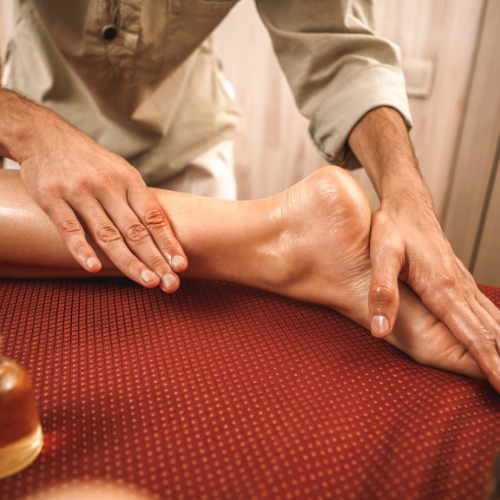
Abhyanga (Warm Oil Massage)
What it is: Full-body warm herbal oil massage tailored to pacify Vata and nourish tissues.
- Enhances circulation in pelvic and reproductive regions, helps reduce pain and stiffness.
- Helps calm nervous system and improve digestion (Agni), which is important in endometriosis. :contentReference[oaicite:11]{index=11}
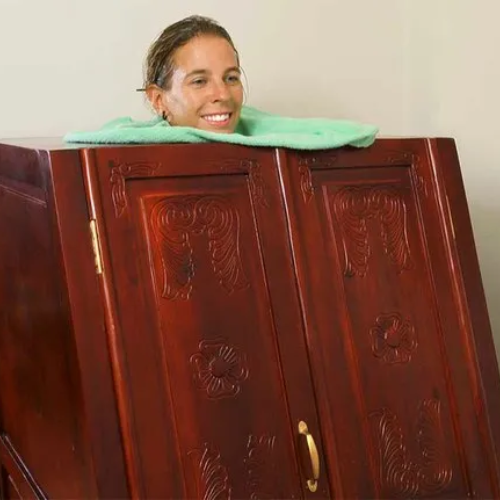
Swedan (Herbal Steam Therapy)
What it is: Herbal steam applied to whole body or lower abdomen to induce sweating, remove toxins, relieve stagnation.
- Helps relieve congestion in pelvic channels (Artavavaha srotas) and dissipate Ama (toxins). :contentReference[oaicite:12]{index=12}
- Used after gentle massage like Abhyanga in the preparatory phase.
Vasti (Medicated Enema) Key
What it is: Administration of medicated oil or decoction via the rectal or vaginal/uterine route (Uttara Vasti) to normalize Apana Vata and clear blocked channels.
- Often regarded as the prime therapy for Vata-dominant female disorders like endometriosis. :contentReference[oaicite:13]{index=13}
- Improves elimination, relaxes pelvic adhesions, supports fertility.
Virechana (Therapeutic Purgation)
What it is: Herbal purgation therapy aimed at cleansing Pitta and associated toxins when indicated.
- Used only if Pitta inflammation and bleeding dominance is present. Helps remove deeper toxins impacting reproductive and menstrual system. :contentReference[oaicite:15]{index=15}
Diet & Lifestyle Support
A well-planned diet is essential in Ayurveda for managing endometriosis: warm, nourishing, Vata-pacifying foods, high in fibre and anti-inflammatory. :contentReference[oaicite:16]{index=16}
- Include: Whole grains, cooked vegetables, legumes, warming spices (cumin, coriander), healthy oils and ghee (if allowed after detox).
- Exclude: Cold raw foods, processed foods, excessive oily/spicy foods, red meat, caffeine/alcohol. :contentReference[oaicite:17]{index=17}
Also adopt: stress-management, yoga/ pranayama, regular gentle exercise, maintain healthy menstrual hygiene and avoid suppression of natural urges (“vega dharana”). :contentReference[oaicite:18]{index=18}
Sample Clinic Plans (examples)
Initial Stabilisation & Pain Relief- Gentle Abhyanga + Swedan for 3-5 days
- Herbal medicines to reduce inflammation and manage bleeding
- Rest, diet correction, avoid heavy physical work
Detox & Channel Cleansing (after assessment)- Vasti series to normalize Apana Vata
- Optional mild Virechana if Pitta-dominant
- Continue supportive therapies + herbs for fertility & menstrual health
Maintenance & Fertility Support- Periodic gentle therapies, monthly monitoring
- Diet, lifestyle, yoga & stress support
- Coordinate with gynecologist for infertility or severe lesions
All detox and Panchakarma procedures require appropriate eligibility (blood counts, imaging, stable health), informed consent and post-care supervision.
Quick Reference — Therapies & Roles
| Therapy | Primary role | Notes |
|---|
| Vasti | Normalize Apana Vata & clear channels | Key therapy for endometriosis-protocol |
| Abhyanga | Supportive massage & circulation boost | Gentle version preferred |
| Swedan | Remove stagnation, reduce pelvic congestion | Used after massage |
| Virechana | Clear Pitta-toxins when bleeding/inflammation predominant | Selective use only |
Need a safe Ayurvedic plan for endometriosis support?
Book a consultation — we will review your case, coordinate with your gynecologist, and design a step-wise, monitored Ayurvedic plan for pelvic health and fertility support.
Book ConsultationAll procedures are supervised by qualified Ayurvedic physicians. Medical and gynecological clearance is mandatory before Panchakarma therapies.