What is Intestinal Obstruction?
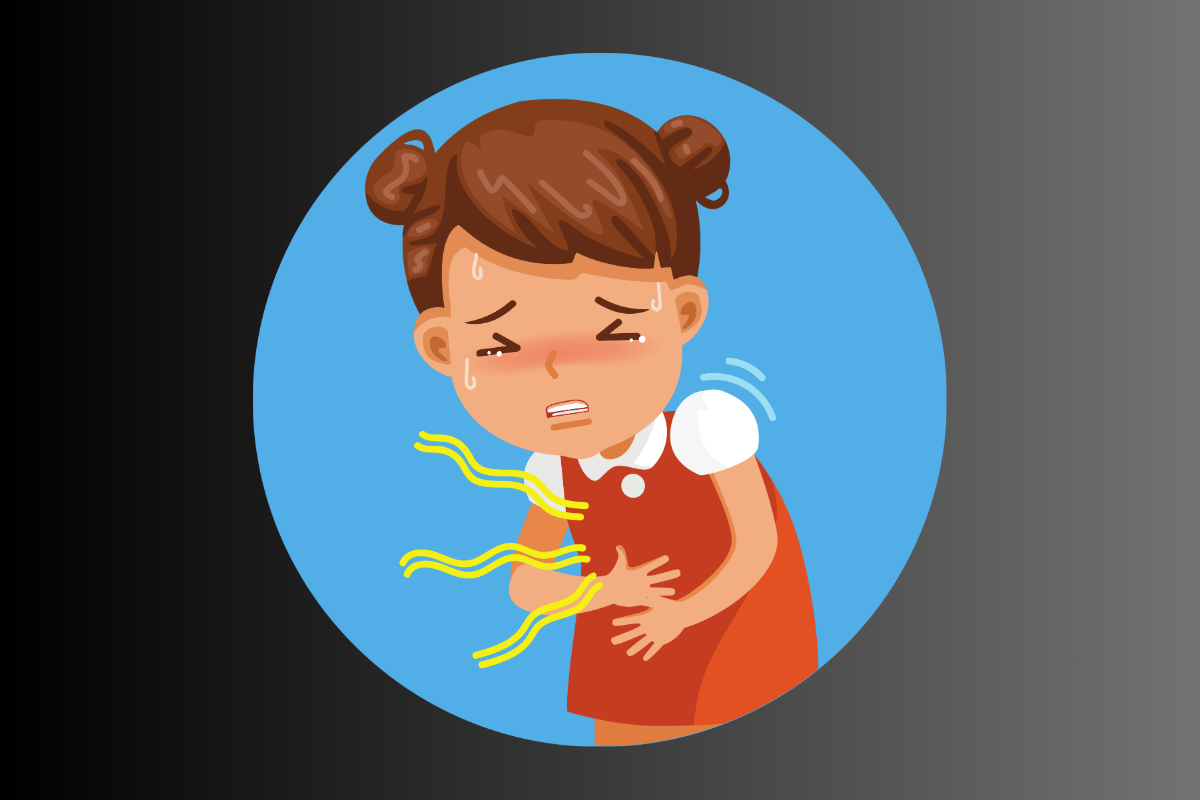
Intestinal obstruction is a blockage of passage of intestinal contents and gases, causing abdominal pain, distension, vomiting, constipation (no passage of flatus/stools) and systemic compromise in severe cases. Causes include mechanical obstruction (adhesions, hernia, tumor, volvulus) or paralytic ileus (functional). Prompt medical assessment (imaging, labs) is essential — complete obstruction and signs of ischemia/peritonitis require urgent surgical care.
In Ayurveda this group of acute abdominal blockages falls under acute udar/antrakulodara/avaranajanya disorders and is recognised as high-risk; many classical and modern Ayurvedic reviews emphasise medical/surgical triage first. :contentReference[oaicite:0]{index=0}
Critical — Medical First
If obstruction is suspected (severe abdominal pain, persistent vomiting, absent bowel sounds, inability to pass flatus, fever, or shock) seek emergency medical/surgical care immediately. Ayurvedic therapies are **NOT** suitable for acute complete obstruction or strangulation — these are contraindications for internal purgation or invasive Panchakarma until the obstruction is resolved. :contentReference[oaicite:1]{index=1}
When Ayurveda Can Help (selected, after stabilization)
- Medical triage & stabilization first: imaging, IV fluids, correction of electrolyte imbalance, decompression/surgery if indicated — only when patient is medically stable and obstruction cause addressed, Ayurvedic support is considered. :contentReference[oaicite:2]{index=2}
- Acute non-surgical / partial obstruction: in carefully selected, monitored cases some conservative measures are used — but selection must be by combined clinical team.
- Post-operative / rehabilitative phase: after surgery or resolution, Ayurveda focuses on resolving Vata derangement, restoring peristalsis and rebuilding strength using fomentation, medicated basti (when safe), poultices and nourishing therapies. :contentReference[oaicite:3]{index=3}
- Strict contraindications: Basti and other internal Panchakarma are contraindicated in acute, severe obstruction/peritonitis; they are used selectively only in sub-acute/recovery settings under supervision. :contentReference[oaicite:4]{index=4}
Ayurvedic Therapies (Relevant Uses & Photos)
Therapies below are only described as they are used in **selected** contexts — either as conservative adjuncts in clinically monitored partial obstruction, or more commonly in the **post-resolution/rehabilitation** phase to restore gut function. All require medical clearance.
Swedana (Fomentation / Steam)
What it is: External heat therapy (steam or local fomentation) to relieve abdominal spasm, reduce Vata obstruction features and improve local circulation.
- Used as a preparatory and symptomatic measure to relieve abdominal colic and improve local tissue perfusion when there is no peritonitis or clear surgical indication.
- Can be applied as whole-body herbal steam or localized abdominal fomentation (Nadi Swedana) depending on patient status. Avoid if there is fever, signs of perforation, or severe sepsis.
Supporting texts and modern reviews mention fomentation combined with subsequent enema therapies in managed cases. :contentReference[oaicite:5]{index=5}
Nadi Swedan (Localized Steam / Fomentation)
What it is: Focused steam/fomentation applied to the abdomen using herbal decoctions to relieve spasm and soften impacted areas.
- Used in partial obstruction or in preparation for therapeutic enemas (Niruha/Anuvasana) once obstruction is ruled out or resolved.
- Always avoid if signs of acute peritonitis, perforation or unstable vitals are present.
Churn/Patra Potli (Herbal Poultice)
What it is: Warm herbal poultices / boluses applied to the abdomen to relieve localized pain, spasm and to encourage softening of impacted areas.
- Act as a localized counter-irritant and relax abdominal musculature; commonly used in conjunction with fomentation in conservative management or rehabilitation.
- Gentle technique, patient-tailored formulations and close monitoring are essential.
Basti (Medicated Enema — Niruha & Anuvasana) Selected Use
What it is: Administration of medicated decoction (Niruha) or medicated oil/ghee (Anuvasana) via the rectum to correct Vata, stimulate peristalsis, and clear the colon.
- Basti is a principal therapy for Vata disorders affecting the large intestine and is used in many chronic digestive conditions; it is referenced for use after appropriate preparatory measures. :contentReference[oaicite:6]{index=6}
- Contraindication: In acute, complete intestinal obstruction, strangulation, perforation or peritonitis, Basti is strictly avoided. It may be considered only after obstruction is resolved and the patient is stable, and always under close clinical and surgical coordination. :contentReference[oaicite:7]{index=7}
- When used, protocols often involve Swedana followed by carefully dosed Niruha/Anuvasana under monitoring (classical & contemporary descriptions). :contentReference[oaicite:8]{index=8}
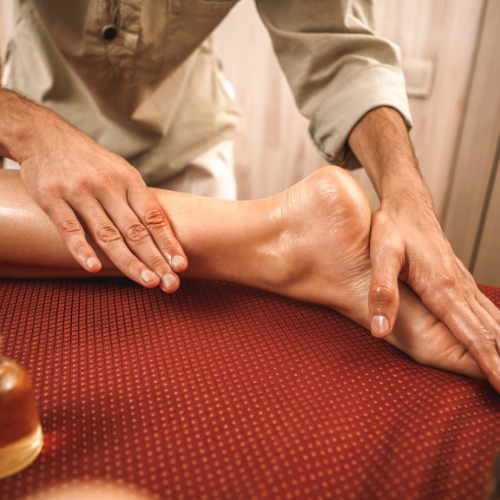
Abhyanga (Gentle Oil Massage)
What it is: Warm, gentle full-body or abdominal massage using oil formulations to calm Vata, relieve colic and prepare the body for other therapies.
- Used as a preparatory or supportive therapy in recovery phases; pressure and techniques are adapted when abdominal tenderness is present.
- Not a substitute for urgent medical care; used only when clinically safe.
Herbs, Diet & Clinical Precautions
Herbal approach (selected & physician-supervised): In post-obstruction or chronic sub-acute gut dysfunction, Ayurvedic clinicians use mild digestive stimulants and Vata-pacifying formulations (for example preparations based on ginger, pippali, haritaki in appropriate forms). All internal medicines are chosen with caution and after medical review—avoid any purgatives or irritants in the presence of unresolved obstruction.
Diet & supportive care: Initially nil by mouth or restricted diet as per medical guidance for acute cases. After resolution: light, warm, easily digestible meals (moong dal gruel, rice, soups), incremental feeding, avoid heavy, fiber-dense meals until gut motility is restored. Reintroduce food under clinician supervision.
Modern Ayurvedic reviews describe a combination of external fomentation and, when safe, carefully administered medicated enemas for selected cases — but emphasize contraindications and the need for medical/surgical oversight. :contentReference[oaicite:9]{index=9}
Sample Care Pathways (illustrative)
Emergency / Suspected Complete Obstruction- Hospital triage — imaging, labs, IV fluids, surgical consult
- No internal Panchakarma or enemas until obstruction resolved
Partial Obstruction / Conservative Medical Management- Hospital observation, decompression if needed; once stable, gentle Swedana and poultices under supervision
- Careful decision on enema use only by combined team
Post-Resolution / Rehabilitation- Swedana (if indicated) → graded Basti (Anuvasana/Niruha) protocols to restore peristalsis
- Abhyanga, dietary rehabilitation and strengthening therapies thereafter
All plans require informed consent, documentation, and lab/imaging follow up. Classical and modern Ayurveda sources caution strongly against inappropriate application of internal purgatives or enemas during active, uncorrected obstruction. :contentReference[oaicite:10]{index=10}
Quick Reference — Therapies & Roles
| Therapy | Primary role | When used / notes |
|---|
| Swedana / Nadi Swedana | Relieve spasm, improve local circulation | Use in partial/resolved obstruction or preparatory to basti; avoid with peritonitis |
| Churn/Patra Potli | Local relaxation & analgesia | Supportive in conservative and rehab phases |
| Basti (Niruha/Anuvasana) | Restore peristalsis, correct Vata | Only after obstruction resolved and patient stable — contraindicated in acute complete obstruction. :contentReference[oaicite:11]{index=11} |
| Abhyanga | General Vata support, comfort | Supportive therapy in recovery |
Need expert assessment & integrated care?
If obstruction is suspected, go to emergency care first. For follow-up or rehabilitation once medically cleared, book a joint medical + Ayurvedic consultation — we coordinate with surgical and medical teams to design a safe, stepwise plan.
Book ConsultationAll Ayurvedic internal therapies are administered only after clinical and imaging-based clearance and under physician supervision.