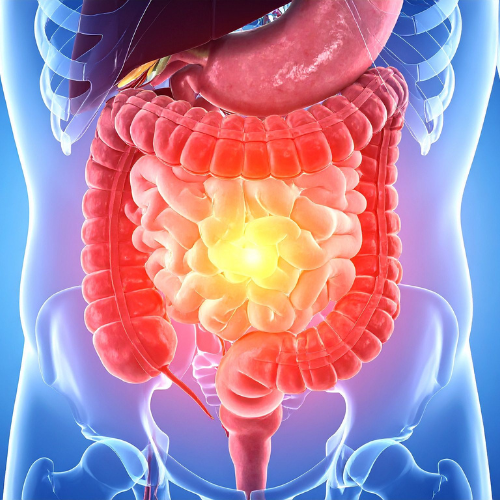
What is Helicobacter pylori?
H. pylori is a bacterium that colonizes the stomach and is a common cause of chronic gastritis, peptic ulcers and is associated with increased gastric cancer risk. Typical symptoms include upper abdominal pain, bloating, nausea, early satiety, heartburn and sometimes gastrointestinal bleeding. Diagnosis is by breath test, stool antigen, blood antibody (less used) or endoscopic biopsy/histology.
Clinical essentials
- Test for eradication when clinically indicated (urea breath test or stool antigen).
- Standard medical eradication therapy (antibiotics + acid suppression) is first-line for confirmed infection; complementary approaches may be combined under supervision.
Ayurvedic perspective
Ayurveda treats chronic dyspepsia, Amlapitta and related conditions by correcting Agni, removing Ama and balancing Pitta. Management blends internal medicines, digestive rehabilitation, and selective panchakarma procedures tailored to the patient's constitution and medical status.
Critical Safety Note
H. pylori infection often requires standard medical eradication (antibiotics + acid suppression). Ayurvedic therapies and botanicals may provide symptomatic relief, mucosal protection and adjunctive anti-microbial effects in some studies, but they do not replace indicated medical therapy. All complementary treatment must be coordinated with the treating physician, and testing/monitoring should guide care.
Ayurvedic Care Strategy (practical)
- Confirm and coordinate: Confirm H. pylori with appropriate tests; discuss integrative plan with the medical team.
- Symptomatic & mucosal support: Herbs and dietary measures that reduce inflammation, protect mucosa and improve Agni (digestive fire).
- Selective Panchakarma: When medically appropriate, Virechana (for Pitta predominance) and selected Basti (to support gut function) are used as adjuncts in rehabilitation — only after careful assessment.
- Rehabilitation: Digestive strengthening, probiotics (as advised), and liver/gut-supportive herbs; avoid irritants while healing.
Clinic Therapies Useful for H. pylori (with reference images)
Only therapies commonly used as part of an Ayurvedic approach to H. pylori / gastritis are listed below. Each entry includes the reference photo you provided. Therapies are individualized and require medical clearance when infection or ulceration is present.
Virechana (Therapeutic Purgation) Primary
What it is: Controlled herbal purgation aimed at eliminating excess Pitta and toxic Ama that aggravate gastric mucosa.
- Used for Pitta-predominant dyspeptic conditions (Amlapitta/Kamala patterns) after careful selection and stabilization.
- Requires preparatory internal oleation (Snehapana) and fomentation (Svedana) and close monitoring of symptoms and labs.
Basti (Medicated Enema) — Selected Use
What it is: Medicated decoction or oil administered rectally to restore gut motility, support the gut–brain axis and correct Vata-related dysregulation.
- Used selectively when Vata involvement or chronic gut dysfunction is identified; supports mucosal healing and digestion during rehabilitation phases.
- Prescribed only after clinical assessment and in stable patients.
Abhyanga (Warm Oil Massage)
What it is: Gentle full-body massage with digestive-supportive oils to calm systemic stress and improve circulation.
- Supports relaxation, reduces sympathetic overdrive that worsens dyspepsia and prepares the body for deeper therapies if needed.
- Intensity and oil choice are adapted for gastric sensitivity.
Kashaya Dhara (Herbal Decoction Pouring)
What it is: Continuous pouring of a warm, mild herbal decoction over the upper abdomen/chest to soothe the gastric area and reduce local inflammation.
- Used as a supportive, symptomatic therapy to ease discomfort and promote local circulation in the epigastric region.
Shirodhara (Stress & Sleep Support)
What it is: Continuous warm oil flow across the forehead to calm the nervous system and improve sleep and stress resilience.
- Adjunct therapy that can reduce stress-related gastric symptoms and help overall recovery during treatment.
Herbs, Botanicals & Nutritional Support
Several herbs and dietary measures used in Ayurvedic practice have shown anti-H. pylori or gastroprotective properties in in-vitro, animal or small clinical studies. Herbal prescriptions must be individualized and checked for interactions with conventional medicines.
- Licorice / Yashtimadhu (Glycyrrhiza spp.): Multiple studies report in-vitro anti-H. pylori activity and clinical benefit with deglycyrrhizinated preparations as adjuncts. (Note: avoid long term/high dose licorice in hypertension or pregnancy). :contentReference[oaicite:3]{index=3}
- Neem (Azadirachta indica) & Turmeric (Curcumin): Shown in reviews to have inhibitory or anti-inflammatory effects against H. pylori and protect gastric mucosa in some studies. :contentReference[oaicite:4]{index=4}
- Green tea, broccoli sprouts, honey & probiotics: May reduce bacterial load or support mucosal healing when used with standard therapy; evidence varies by agent.
- Diet: Bland, easy-to-digest, regular small meals — avoid alcohol, caffeine, very spicy or fried foods, and excessive NSAID use.
- Hydration & simple soups: Help mucosal recovery; avoid very cold, raw or heavy oily meals while active symptoms persist.
- Monitoring: If eradication is intended, use standard testing (urea breath test or stool antigen) after therapy to confirm clearance.
Herbal adjuvants can be helpful but must be chosen to avoid interactions with antibiotics, acid-suppressants or other prescription drugs. Discuss all supplements with your treating physician.
Sample Clinic Plans (examples)
Adjunctive Symptom Care (during medical therapy)- Coordinate with gastroenterologist; continue indicated eradication therapy if prescribed.
- Supportive Abhyanga, Kashaya Dhara for upper abdominal comfort and stress reduction.
- Short-term mucoprotective herbs (e.g., DGL/licorice) as advised by physician.
Rehabilitation & Digestive Restoration- After clinical stability, consider Virechana or selected Basti to correct Pitta/Ama and restore Agni (only after assessment).
- Digestive rebuilding with mild Rasayana/nourishing procedures and herbs; follow-up testing to confirm eradication if required.
Maintenance & Prevention- Dietary & lifestyle counseling, periodic monitoring and probiotic support where indicated.
- Address triggers (stress, NSAIDs, diet) that predispose to recurrence.
These sample plans are illustrative — every patient requires individualized assessment and coordination with medical care providers.
Quick Reference — Therapies & Roles
| Therapy | Primary role | Notes |
|---|
| Virechana | Remove Pitta/Ama, improve digestion | Primary Panchakarma for Pitta gastritis; after clearance |
| Basti | Restore gut motility & gut–brain axis | Selected use in chronic dysfunction |
| Kashaya Dhara | Local soothing & anti-inflammatory | Symptomatic support for epigastric discomfort |
| Abhyanga | Relaxation, circulation & systemic support | Preparatory/supportive |
| Shirodhara | Stress & sleep regulation | Adjunct during recovery |
Want an integrative plan for H. pylori support?
Book a consultation — we will review your diagnostics, coordinate with your physician, and design a monitored, stepwise Ayurvedic plan to support eradication, mucosal healing and digestive rehabilitation.
Book ConsultationMedical testing and coordination are mandatory before starting any Panchakarma or detox procedures.