What is Bronchiolitis?
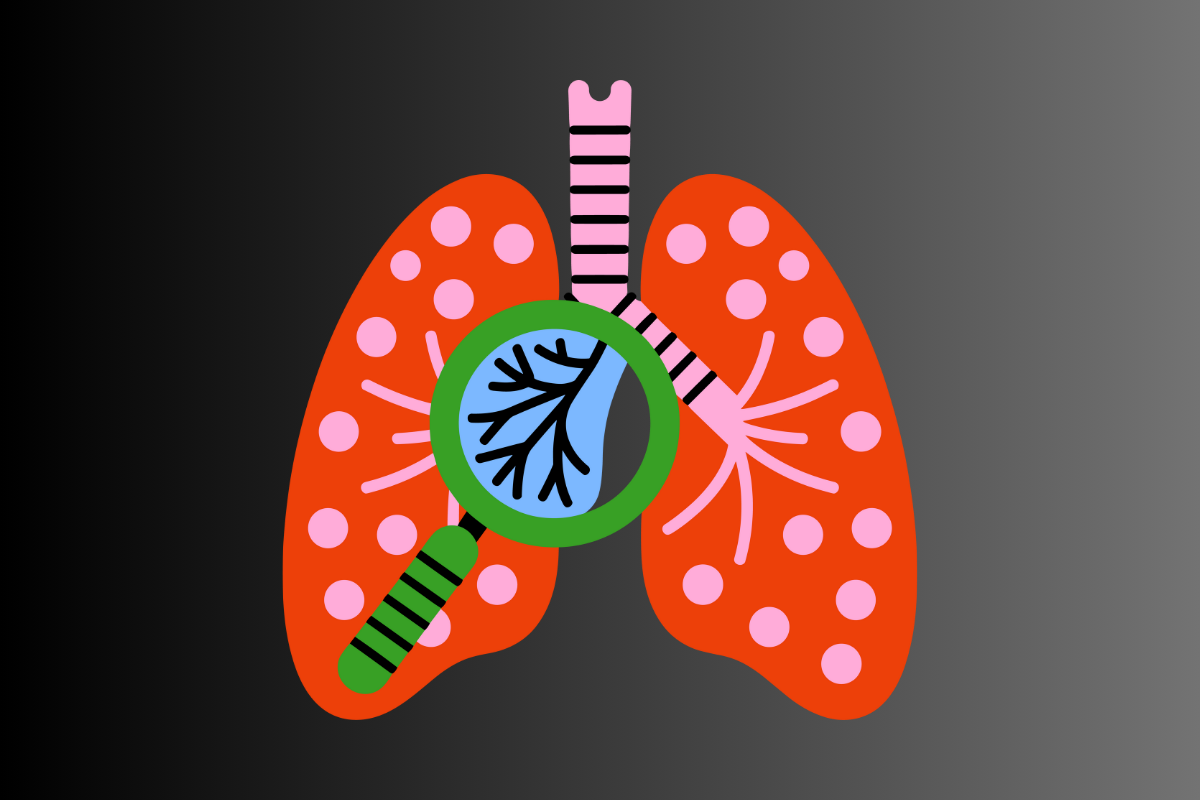
Bronchiolitis is an acute viral infection of the small airways (bronchioles), most commonly affecting infants and children under 2 years. It typically starts with a runny nose and cough and can progress to wheeze, difficulty feeding and breathing problems in some infants. Most cases are mild and self-limited, but some infants develop severe disease requiring hospital care.
Key signs & when to seek urgent care
- Rapid breathing, chest retractions (tummy sucking in), grunting or visible difficulty breathing.
- Poor feeding, dehydration, excessive sleepiness or difficulty waking the child.
- Blue or pale lips/face, pauses in breathing (apnoea) — these require immediate emergency care.
Conventional management (important)
Medical management is primarily supportive: ensure adequate hydration, oxygen if required, minimal handling and monitoring. There is no routine specific antiviral treatment for most infants; hospitalisation is needed for respiratory failure, hypoxaemia or severe dehydration.
Critical medical safety note
Do not rely on Ayurvedic therapies alone for bronchiolitis. If a baby is struggling to breathe, feeding poorly, very drowsy, or shows blue lips/face — seek immediate medical care. Ayurvedic measures below are presented as **supportive** adjuncts after or alongside appropriate medical assessment and under pediatric clearance.
Ayurvedic Supportive Strategy (Integrated)
- Medical first: Always confirm severity with a pediatrician. Obtain guidance before starting any hands-on therapy on infants.
- Symptom relief & airway hygiene: Gentle nasal clearing, safe steam/steam-like local fomentation performed by professionals, and selected topical applications to the chest to ease congestion.
- Age-appropriate selection: Some therapies are adapted or avoided in very young infants — dosing, technique and temperature control are critical.
- Nutrition & rest: Frequent small feeds, suctioning of nasal secretions for infants who cannot breathe through the mouth while feeding, and rest.
Clinic therapies used as supportive care — with reference images
The therapies below are those we commonly apply to support airway clearance, reduce congestion and soothe the chest and respiratory mucosa. Each therapy description notes intended benefits, typical use and important pediatric cautions. Images are provided for clinic reference.
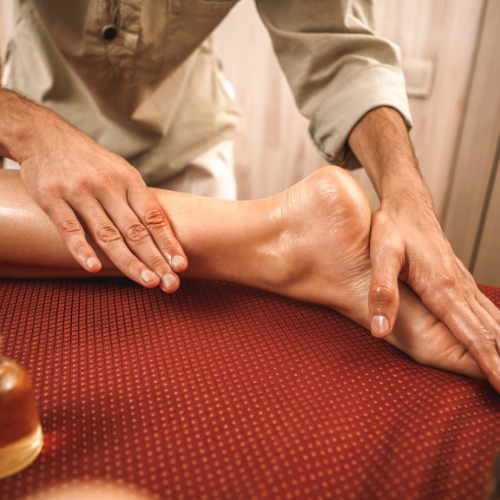
Abhyanga (Gentle oil massage)
What it is: A gentle warm oil massage tailored for infants/children to calm, improve circulation and support comfort.
- Used to soothe the child, improve sleep and relieve general discomfort during recovery.
- For infants, only light strokes with mild, pediatric-safe oils and trained therapists; avoid vigorous pressure or heavy oils that may worsen chest congestion.
Pediatric adaptation and parental consent required.
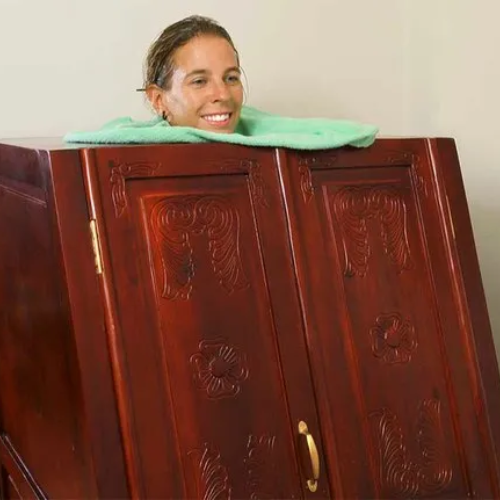
Swedan / Nadi Swedan (Steam / localized steam)
What it is: Controlled fomentation/steam applied locally (e.g., over the chest) to loosen mucus and improve breathing comfort.
- Can help liquefy secretions and ease breathing when done safely in the clinic with temperature control and short duration.
- Not the same as hot steam at home — for infants, only professionally supervised, gentle steam or warm moist fomentation is used.
Avoid unsafe home steam methods for infants (burn risk). Clinic methods use controlled equipment and trained staff.
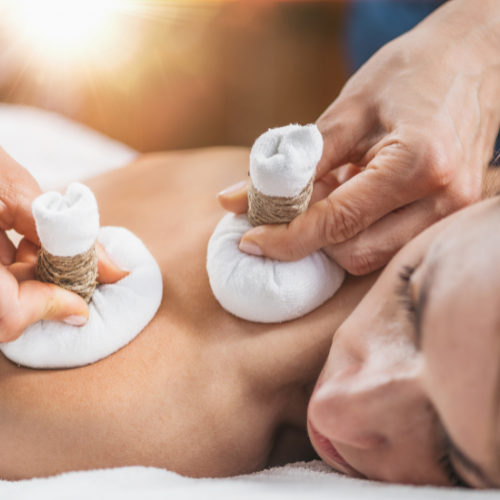
Patra Potli / Churn Potli (Herbal poultice)
What it is: Warm herbal pouches (leaves or powdered herbs) applied gently to the chest/back to relieve congestion and soothe local inflammation.
- Helps local warmth, eases chest tightness and can assist in loosening mucus when used briefly and gently.
- Formulations are chosen to be mild and pediatric-safe; applied by trained therapists avoiding high temperatures near infants.
Temperature and herb selection are critical to avoid skin irritation or overheating.
Lepam (Topical therapeutic pastes)
What it is: Mild herbal pastes applied externally over the chest or back to reduce local inflammation, irritation and to support expectoration.
- Used for short periods; pediatric-safe formulations and patch testing avoided for sensitive skin.
- Supports comfort and may reduce local congestion when combined with gentle fomentation.
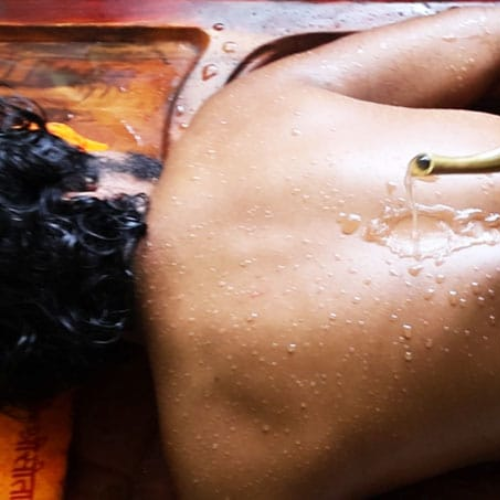
Kashaya Dhara (Warm herbal decoction pouring)
What it is: Gentle pouring of specially prepared warm decoction on the chest/upper back to soothe mucosa and improve local circulation.
- Applied briefly and with careful temperature control in children; chosen decoctions are mild and non-irritant.
- Used as a supportive local therapy in the recovery phase to relieve chest discomfort.
Nasyam / Pratimarsha Nasya (Nasal therapy) — selective
What it is: Very small, gentle nasal applications (e.g., a drop of warm medicated oil/ghee) or saline-like measures to lubricate and support nasal clearance.
- May help nasal passage hygiene and ease breathing in older children when applied by trained practitioners.
- In infants and very young children this is used with extreme caution or avoided; follow pediatric guidance and specialized pediatric Panchakarma protocols.
Strict pediatric protocols and clinician approval required before Nasya in infants.
Herbal & supportive measures (adjuncts)
We use mild, respiratory-friendly herbal choices to support mucus normalization and comfort (examples used under supervision): Sitopaladi-style decoctions or light formulations, licorice-based mild demulcents, and herbal steam blends. Any internal medicine or decoction is prescribed only after pediatric assessment and allergy/safety checks.
- Nasal hygiene: Gentle saline suctioning for infants and saline nose drops to ease nasal obstruction.
- Small frequent feeds: Infants may feed poorly — offer small frequent breastfeeds or formula and monitor hydration closely.
- Avoid: Over-the-counter cough medicines for young children, unregulated home steam methods or strong irritant herbs near infants.
- Rest & warmth: Keep the child comfortably warm, avoid overheating, and minimize excessive handling.
All internal herbs and doses must be decided by qualified clinicians with pediatric experience and with awareness of potential interactions and age limits.
Sample supportive clinic plans (examples)
Mild community-managed case- Pediatric assessment & home observation
- Saline nasal hygiene, gentle Abhyanga, supervised warm fomentation (short duration)
- Hydration, frequent feeds, clinician follow-up
Clinic-supported symptomatic care- Clinic-administered controlled Nadi-Swedan / Patra Potli and mild Lepam to chest (if pediatric clearance)
- Short, supervised Kashaya Dhara or warm moist fomentation to loosen secretions
- Pediatric monitoring and follow-up
Severe/requiring hospital care- Immediate pediatric/hospital referral for oxygen, hydration and monitoring — Ayurvedic adjuncts paused until medically stable.
Therapies are individualized. In severe disease, hospital care takes priority; Ayurvedic supportive therapies resume only after medical stabilisation and pediatric clearance.
Quick Reference — Therapies & roles
| Therapy | Primary supportive role | Pediatric caution |
|---|
| Abhyanga | Comfort, improved sleep | Use very gentle strokes & pediatric-safe oils |
| Nadi Swedan / Swedan | Loosen mucus, ease breathing | Clinic-only; strict temp control to avoid burns |
| Patra / Churn Potli | Local warmth, relief of chest tightness | Short application; check skin sensitivity |
| Lepam | Reduce local irritation & support expectoration | Patch test; avoid strong irritants |
| Kashaya Dhara | Soothing warm decoction on chest | Controlled temp & short duration |
| Nasyam (Pratimarsha) | Support nasal clearance (selective) | Use extreme caution in infants; follow pediatric protocol |
Need a safe clinic-supported plan for respiratory recovery?
Book a pediatric-aware consultation — we'll review the child's clinical status, coordinate with the pediatrician, and design stepwise supportive Ayurvedic measures that are age-appropriate and safe.
Book ConsultationAll procedures performed by qualified Ayurvedic physicians. Pediatric clearance required before any hands-on therapy for infants.