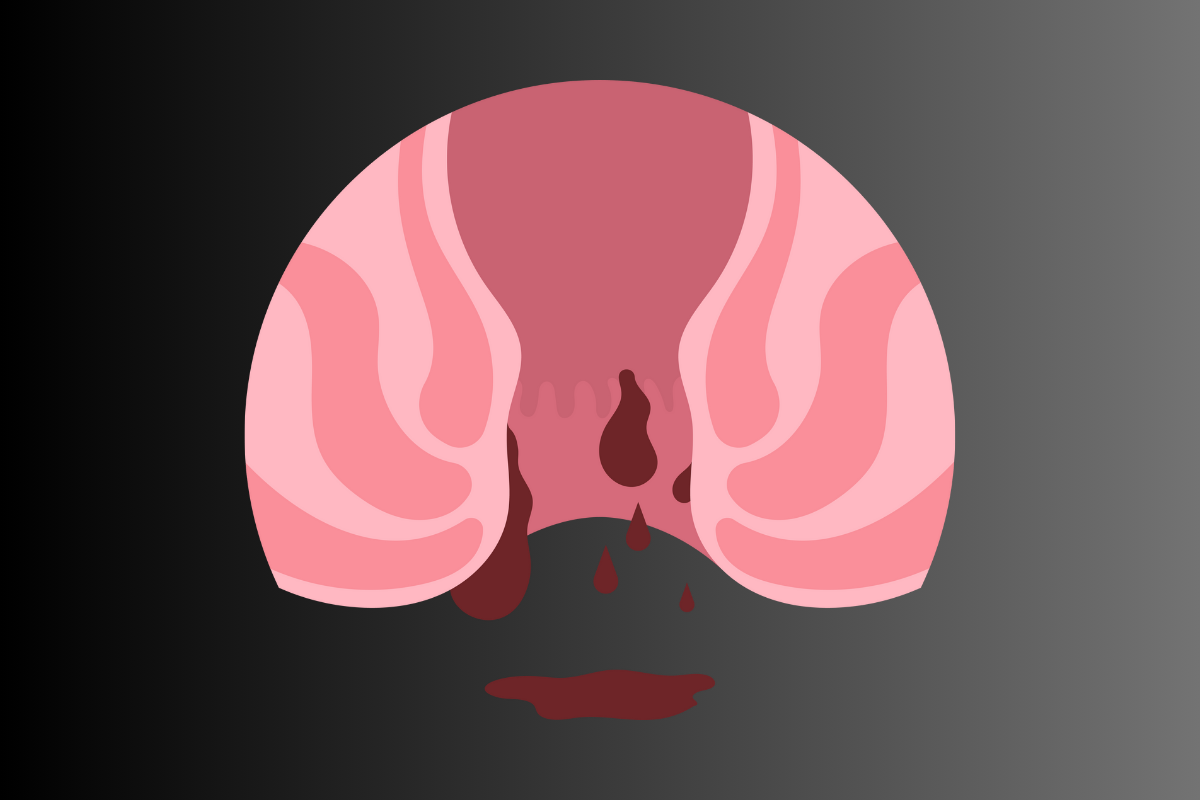
What is an Anal (Perianal) Fistula?
An anal fistula (also called perianal fistula) is an abnormal tunnel that connects the anal canal or rectum to the skin around the anus. It usually follows a perianal abscess and can cause chronic drainage, pain and recurrent infection. Timely clinical assessment by a surgeon or colorectal specialist is essential.
Common causes & mechanism
- An infected anal gland / perianal abscess that drains and leaves a persistent tract.
- Chronic infection, inflammatory bowel disease (in some patients), trauma or post-surgical issues may contribute.
When to seek urgent care
Seek immediate medical attention for fever, spreading redness, severe pain, or any signs of systemic infection; many fistulas require surgical assessment and intervention to avoid complications.
Symptoms to Recognize
Typical symptoms include:
- An opening or small sore near the anus that drains pus or blood.
- Pain and swelling around the anus, worse when sitting or passing stool.
- Foul-smelling discharge or recurrent perianal infections and intermittent fevers.
- Skin irritation, recurrent abscess formation, or persistent seepage at the site.
Critical Medical Safety Note
Anal fistula is commonly a surgical problem. Before any Ayurvedic procedure, obtain a formal surgical/colorectal evaluation (examination, imaging where indicated). Some fistulas require drainage, fistulotomy, seton placement or specialised procedures — delaying appropriate surgical care can cause worsening infection. Ayurveda can be complementary, especially for symptom control, wound care and rehabilitation — but must be coordinated with surgical teams.
Ayurvedic Care — Practical Clinic Role
- Primary goal: Control infection/drainage, reduce local inflammation, promote healing of perianal skin, improve local circulation and bowel regulation.
- Coordination: Work with surgeon/physician — Ayurvedic therapies are used as supportive, pre/post-procedural or rehabilitative measures.
- Local care: Topical medicated pastes, poultices, warm fomentation and sitz-like oil therapies help reduce inflammation and improve comfort.
- Systemic support: Gut regulation (basti where indicated), gentle supportive massages and nutritional guidance to improve healing capacity.
All internal medicines and invasive procedures (basti, Ksharasutra, etc.) must be prescribed after clinical assessment and with appropriate surgical clearance.
Therapies We Use for Fistula — with reference images
Below are clinic-level Ayurvedic therapies commonly used to support local healing, reduce inflammation and manage symptoms of perianal fistula. Each therapy includes a reference photo. Therapies are individualized and require medical clearance.
Lepam (Medicated Pastes)
What it is: Topical application of cooled medicated pastes (lepa) made from anti-inflammatory, antiseptic herbs.
- Used to soothe local inflammation, reduce oozing and support wound healing of the perianal skin.
- Formulations chosen to be non-irritant and safe for perianal application; applied under clinical supervision.
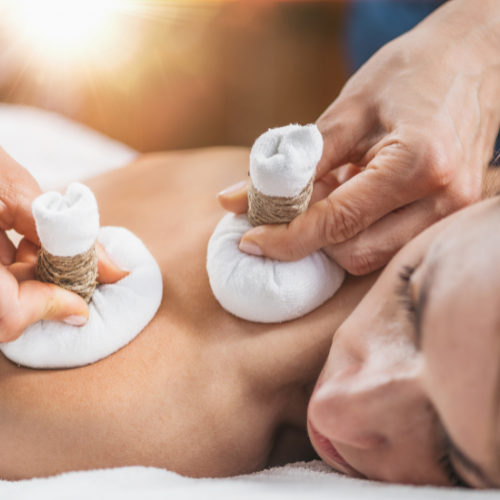
Patra Potli (Herbal Poultice / Pottali)
What it is: Warm herbal pouches (potli) applied externally to the affected area to provide local heat, improve circulation and deliver herbal actives.
- Helps reduce local swelling, eases pain and promotes drainage of chronic superficial collections.
- Used as a localized fomentation — always applied carefully for perianal skin and under clinician guidance.
Churn Potli (Powdered Herbal Compress)
What it is: A warm poultice filled with powdered herbs — similar to Patra Potli but with different preparations for anti-inflammatory/antiseptic action.
- Used to assist local decongestion and reduce surface inflammation; supports comfort and local hygiene.
- Applied in short, monitored sessions to avoid maceration of skin.
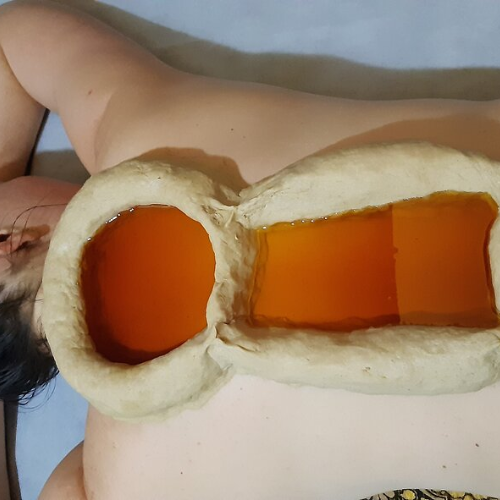
Prishtha Vasti / Kati Vasti (Localized Oil Retention)
What it is: Warm medicated oil is pooled and retained over a compartment covering the lower back/ sacral area (Prishtha/Kati) or applied as a controlled oil bath to the local region.
- Provides local nourishment and improves circulation to the pelvic / perianal region; used as supportive therapy for chronic pain and pelvic congestion.
- Can be adapted to peri-anal care (sitz-like oil applications) in clinic — only by trained practitioners and after wound assessment.
Basti (Medicated Enema) — Selected Use
What it is: Medicated oil or herbal decoction administered rectally to address Vata imbalance and improve local gut–pelvic function.
- Used selectively to regulate bowel movements, reduce constipation/straining (which worsens fistula), and modulate local inflammatory processes.
- Only prescribed when clinically appropriate and after coordination with surgical care — not for acute infected abscesses without drainage.
Abhyanga (Supportive Full-Body Oil Therapy)
What it is: Gentle full-body oil massage to improve circulation, relieve pelvic muscle tension and support overall healing capacity.
- Mostly supportive — helps reduce stress, improve sleep and improve tissue nutrition during the recovery phase.
- Gentle methods used when a patient is stable; avoid aggressive massage near active infected areas.
Oil Bath / Sitz-style Oil Applications
What it is: Localized warm oil applications or controlled sitz-style oil baths to soothe perianal skin, reduce irritation and help desiccation of discharge when clinically indicated.
- Helps protect skin, reduce soreness and support local healing when used under guidance and with attention to hygiene.
Herbs, Topical Medicines & Supportive Care
Topical and internal formulations are selected for antiseptic, anti-inflammatory and wound-supporting properties while prioritising non-irritating, liver-safe systemic herbs. Examples used in clinic (under prescription):
- Topical: Antiseptic herbal washes, non-irritant lepams with turmeric, neem, manjishta (as indicated).
- Local hygiene: Gentle warm water cleansing, avoid harsh soaps; keep area dry and protected between sessions.
- Systemic herbs (examples): Herbs selected to support digestion, mild immunity and wound healing — tailored case-by-case.
- Diet: Soft, non-spicy, fibre-balanced diet to avoid constipation/straining (e.g., cooked vegetables, whole grains, adequate fluids).
If there is active systemic infection or high fever, priority is medical/surgical care. Ayurvedic internal medicines and rectal procedures (basti) are used only after clinical clearance.
Sample Clinic Pathways (examples)
Acute infected abscess / urgent care- Immediate surgical drainage (if abscess), antibiotics as indicated by surgeon
- Local wound care and hygiene; Ayurveda provides supportive post-drainage care (lepam, poultices)
Post-surgical / rehabilitation- Wound-safe topical lepams, gentle sitz oil applications and Kati/Prishtha supportive therapies
- Nutrition, bowel regulation and supportive Abhyanga to improve healing
Chronic non-complex fistula (where indicated)- Coordinate with colorectal surgeon — consider Ksharasutra or seton techniques when appropriate (specialized Ayurvedic surgical procedures)
- Supportive local therapies and periodic follow-up to reduce recurrence risk
Written informed consent, wound assessment and serial follow up are mandatory. Avoid unmonitored home interventions that can worsen infection.
Quick Reference — Therapies & Roles
| Therapy | Primary role | Notes |
|---|
| Lepam | Topical antiseptic / anti-inflammatory | Applied to perianal skin; non-irritant formulations |
| Patra / Churn Potli | Warm poultice for local decongestion & pain relief | Short, supervised sessions |
| Prishtha / Kati Vasti | Local oil retention to nourish pelvic tissues | Supportive; adapt to sitz-style for perianal care |
| Basti (selected) | Regulate bowel / gut-pelvic function | Prescribe selectively after clearance |
| Abhyanga / Oil Bath | Systemic nourishment & comfort | Supportive during rehabilitation |
Concerned about a perianal fistula?
Book a consultation — we will review your clinical findings and imaging (if available), coordinate with surgical teams, and design a safe, stepwise Ayurvedic plan for symptom relief and rehabilitation.
Book ConsultationNo detox procedures or rectal therapies are started without surgical clearance and written informed consent.