What is Pneumonia?
Pneumonia is an infection of the lung tissue (alveoli) caused by bacteria, viruses or fungi. It produces inflammation and accumulation of fluid in the lungs leading to cough, fever, breathlessness and chest pain. Severity ranges from mild outpatient illness to severe life-threatening disease requiring hospitalization and oxygen/antibiotics.
Common signs & investigations
- Symptoms: cough (productive or dry), fever, chills, rapid breathing, shortness of breath, chest pain on breathing, fatigue.
- Important tests: chest X-ray, pulse oximetry (oxygen saturation), blood tests (CBC, inflammatory markers), sputum cultures and, when indicated, CT chest.
- Red flags: breathlessness at rest, SpO₂ < 92% (depending on baseline), high fever, confusion — require urgent medical care.
Ayurvedic perspective
In Ayurveda, acute respiratory infections with cough, breathlessness and chest congestion are managed under Shwasa and Kasa categories with predominance of Vata and Kapha (phlegm/congestion) and secondary Pitta in febrile presentations. Management aims to clear respiratory channels, reduce Kapha/Ama, support immunity and restore lung tissue function.
Critical Safety Note
Pneumonia can be life-threatening. Seek prompt medical assessment — antibiotics/antivirals, oxygen therapy and hospitalization when indicated. Ayurvedic therapies below are supportive and complementary; they should only be used alongside (not instead of) indicated medical treatments and with physician coordination.
Ayurvedic Care Pathway (Integrated)
- Medical coordination: Confirm diagnosis, oxygenation status (SpO₂), chest imaging and decide level of care (home vs hospital).
- Acute supportive care: Antimicrobials/antivirals as indicated, oxygen if needed, antipyretics. Ayurveda contributes gentle supportive measures once patient is stable.
- Local decongestion & expectoration: Steam therapies (Swedan / Nadi Swedan), herbal poultices (Patra/Churn potli), chest lepams and Kashaya Dhara using lung-safe decoctions to help liquefy mucus and ease breathing.
- Naso-respiratory support: Nasyam (nasal oils/medicines) and medicated steam to open upper airways and improve clearance.
- Systemic nourishment & rest: Gentle Abhyanga, warm oil bath and Shirodhara as adjuncts for rest, sleep and systemic recovery when clinically appropriate.
Therapies Useful in Pneumonia — with reference images
The therapies below are chosen for their role in easing chest congestion, supporting expectoration, reducing fever-related discomfort and aiding recovery. Each entry includes a reference photo. All procedures require medical clearance and are adapted to clinical status.
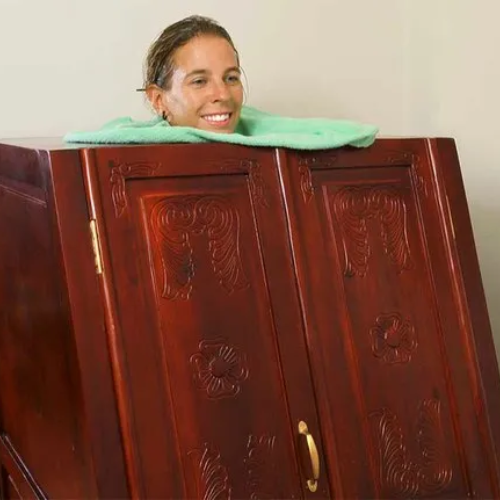
Swedan (Fomentation/Steam Therapy)
What it is: Whole-body or local steam therapy to induce sweating and loosen chest congestion.
- Helps liquefy mucous (Kapha) and aids expectoration when used carefully.
- Used in mild-to-moderate cases under supervision; avoided in high fever, severe breathlessness or unstable patients.
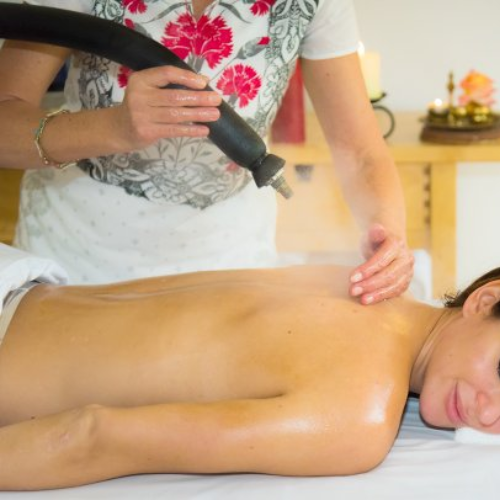
Nadi Swedan (Localized Steam for Chest)
What it is: Focused steam application to the chest and back using herbal decoction vapors.
- Targets bronchial congestion directly; useful to facilitate mucus clearance and ease breathing.
- Often combined with inhalation of medicated vapors (steam with adjuvant herbs).
Patra Potli (Herbal Leaf/Herbal Poultice)
What it is: Warm poultices made from medicinal leaves or herbs applied over the chest/back.
- Soothes inflamed chest, reduces local congestion and eases chest tightness.
- Prepared from mucolytic and anti-inflammatory herbs chosen for lung safety.
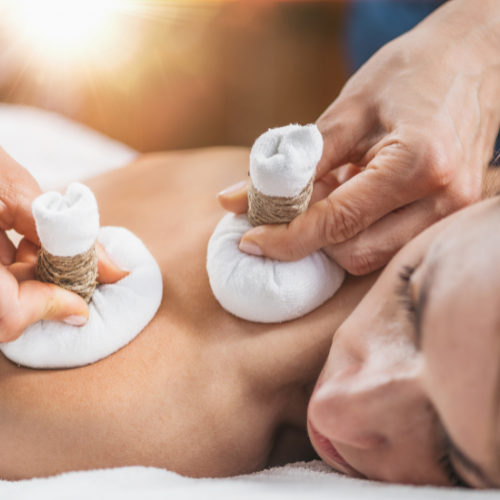
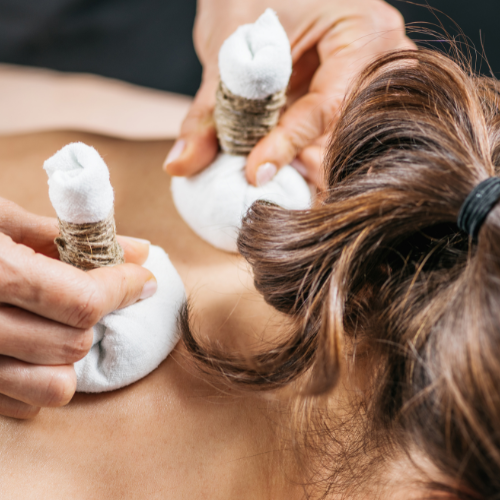
Churn Potli (Powdered Herb Poultice)
What it is: Boluses of powdered medicated herbs heated and applied over the chest or back.
- Effective to relieve chest congestion, break down thick secretions and reduce local stiffness.
- Applied carefully to avoid excessive heat in febrile patients.
Lepam (Medicated Paste / Chest Poultice)
What it is: Topical pastes made from mucolytic, warming herbs applied as chest packs.
- Helps localize heat, reduce congestion and relieve pleuritic chest discomfort.
- Formulations are chosen for safety and to avoid skin irritation.
Kashaya Dhara (Warm Herbal Decoction Pouring)
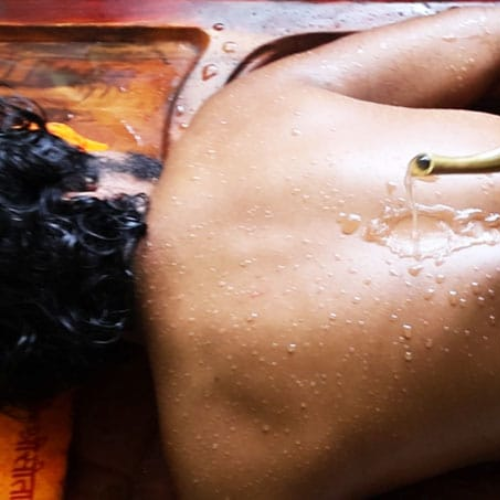
What it is: Gentle, continuous pouring of warm lung-safe herbal decoctions on the chest or upper back.
- Soothes chest, improves local circulation and can reduce cough severity.
- Decoctions are selected to be non-hepatotoxic and appropriate for respiratory support.
Nasyam (Nasal Therapy)
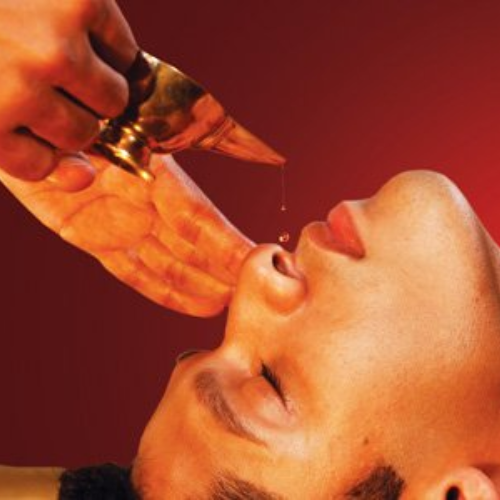
What it is: Administration of gentle medicated oils or medicated powders into the nose.
- Helps clear upper airway blockages, improves mucociliary clearance and can reduce cough triggers.
- Given only when patient is stable and formulations are chosen for respiratory safety.
Abhyanga (Warm Oil Massage)
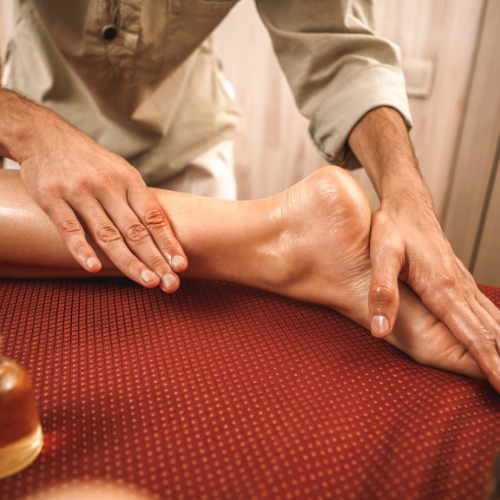
What it is: Gentle full-body herbal oil massage to support circulation, reduce fatigue and improve sleep.
- Supports systemic recovery, reduces anxiety and improves respiratory muscle relaxation when used gently.
- Modified techniques used for breathless or frail patients—no heavy pressure on chest.
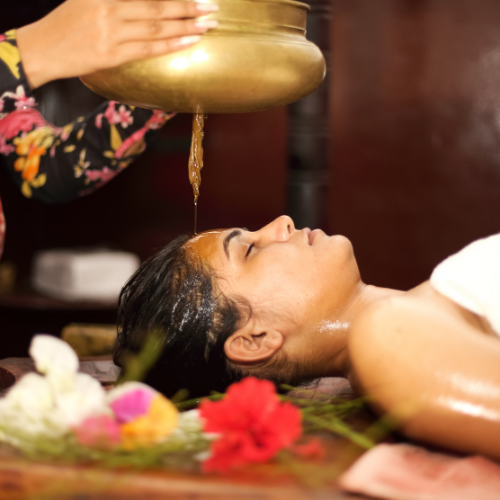
Shirodhara (Nervous System Support)
What it is: Warm oil poured on the forehead to calm the nervous system and support restful sleep.
- Useful adjunct during recovery to help rest and reduce stress-related breathing difficulties.
- Only after the acute infectious and respiratory distress phase has passed.
Oil Bath (Warm Oil Rinse / Steam Bath)
What it is: Warm oil or medicated steam baths to promote relaxation and mild decongestion.
- Provides systemic warmth, supports mucous clearance when combined with steam.
- Applied carefully in febrile patients; hydration and monitoring are important.
Herbal Medicines & Nutritional Support
Herbs are chosen for respiratory benefit and safety. Internal medicines are prescribed only after assessment and in coordination with conventional care.
- Vasa / Vasaka (Adhatoda vasica): Traditionally expectorant and bronchodilatory — used in controlled preparations.
- Tulsi (Ocimum sanctum): Adaptogenic, may help cough and mild airway inflammation.
- Pippali (Piper longum): Enhances bioavailability of other herbs and supports respiratory mucosa when used judiciously.
- Diet: Warm, light, easy-to-digest foods — khichdi, soups, stewed vegetables. Avoid cold, dairy (if it increases phlegm for the patient), and heavy fried foods during acute phase.
- Hydration & humidified air: Adequate fluids, warm broths and gentle humidification to ease expectoration.
If bacterial pneumonia is diagnosed or oxygenation is poor, conventional antibiotics/oxygen are essential. Ayurveda complements recovery and rehabilitation phases under medical coordination.
Sample Clinic Plans (examples)
Acute Medical Stabilization- Immediate medical care: antibiotics/antivirals, oxygen as needed, monitoring.
- No detox procedures during unstable respiratory status.
- Once stable, introduce gentle adjuncts (humidified steam, chest poultices under supervision).
Supportive Clinic Therapy (after stabilization)- Nadi Swedan / localized steam → chest poultices (Patra / Churn potli) to mobilize secretions.
- Kashaya Dhara over chest, gentle Abhyanga and Nasyam as adjuncts.
- Herbal expectorants and dietary rehab to restore appetite & strength.
Rehabilitation & Recovery- Progressive pulmonary rehabilitation: breathing exercises, timed Abhyanga, Shirodhara for sleep restoration.
- Nutritional plans to rebuild strength; periodic follow-up and imaging as advised by physicians.
All in-clinic applications require written informed consent, oxygenation assessment and clinician clearance. We avoid steam or vigorous procedures in patients with poor oxygenation or unstable vitals.
Quick Reference — Therapies & Roles
| Therapy | Primary role | Notes |
|---|
| Nadi Swedan | Local decongestion of chest & bronchi | Useful when sputum clearance is needed; avoid if breathlessness severe |
| Patra / Churn Potli | Warm herbal poultices to loosen mucus | Applied to chest/back; formulations chosen for lung safety |
| Kashaya Dhara | Soothes chest, reduces cough intensity | Use lung-safe decoctions only |
| Nasyam | Clears upper airway, improves mucociliary function | Adjunct for postnasal drip/cough triggers |
| Abhyanga | Systemic support, relaxation | Gentle strokes; avoid heavy chest massage in acute phase |
| Swedan | Promotes sweating, liquefies mucus | Only in selected, stable patients |
Need supervised Ayurvedic support for respiratory recovery?
Book a consultation — we will review your imaging and oxygenation, coordinate with your physician, and design a stepwise, medically-safe Ayurvedic plan to support lung healing.
Book ConsultationTherapies are delivered by qualified Ayurvedic physicians. Medical clearance (oxygenation, imaging, clinician review) is mandatory before in-clinic procedures.