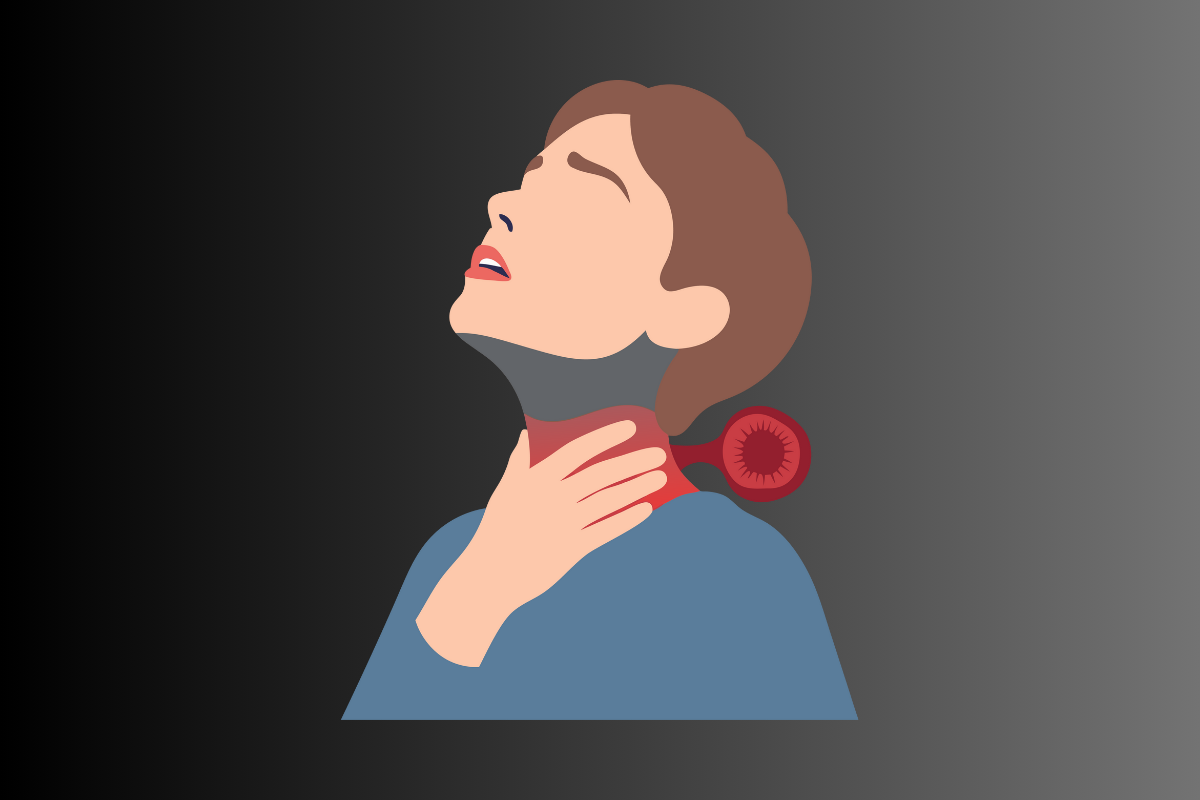
What is Tonsillitis?

Tonsillitis is inflammation of the palatine tonsils (usually due to viral or bacterial infection). Symptoms commonly include sore throat, difficulty swallowing, fever, swollen/tender lymph nodes, white or yellowish exudates on tonsils and general malaise. Recurrent or severe cases require prompt medical evaluation (throat swab, rapid antigen/PCR, antibiotics when bacterial) and ENT follow-up.

Common signs & investigations

  • Symptoms: throat pain, swallowing discomfort, fever, bad breath, muffled voice, referred ear pain.
  • Investigations: Throat swab (bacterial culture / rapid strep), CBC, clinical ENT exam. Imaging rarely needed.
  • Warning signs: severe airway compromise, drooling, high fever, neck stiffness — seek emergency care.

Ayurvedic perspective

In Ayurveda, acute throat inflammation is seen as Kantha Shotha or Kaphaja/Pittaja imbalance in the head and throat region. Ama (undigested toxins), Kapha accumulation and Pitta inflammation are often involved. Management focuses on clearing local congestion (Swedana/Nadi Swedana), reducing inflammation (Kashaya-based therapies), supporting mucosal immunity and restoring Agni.

Critical Safety Note

If you have high fever, breathing difficulty, drooling, severe swallowing problems or signs of systemic infection — seek immediate medical/ENT care. Ayurvedic therapies below are supportive and must be coordinated with conventional care when infection is suspected or confirmed. Clinic procedures are provided only after clinical assessment.

Ayurvedic Care Pathway (Primary goals)

  • Prompt assessment: Distinguish viral from bacterial causes; start indicated antibiotics if bacterial per physician.
  • Local decongestion & anti-inflammatory care: Nadi Swedana (local steam), topical lepa/potli and Kashaya-based applications to the throat and neck.
  • Upper respiratory cleansing: Nasyam (select gentle nasal therapies) to clear modalities that affect the throat and upper airway.
  • Supportive nourishment & calming: Gentle Abhyanga, Shirodhara in recovery, and herbs that are safe and soothing for the mucosa.
  • Diet & oral hygiene: Soft warm light foods, saline/gargles (as advised), avoid cold/icing, spicy or heavy fried foods during acute phase.

Selected Clinic Therapies for Tonsillitis — with reference images

Below are clinic therapies commonly used to reduce throat inflammation, clear upper-respiratory congestion and support recovery. Each entry includes a reference image. Therapies are individualized and performed after clinical evaluation.

Nadi Swedan local steam therapy

Nadi Swedan (Localized Steam)

What it is: Controlled application of warm steam (often medicated) focused on the throat and neck to reduce local congestion and ease pain while liquefying secretions.

  • Useful in acute & subacute tonsillitis to reduce swelling and improve expectoration.
  • Helps open local channels, soften mucous plugs and increases local circulation for healing.
  • Performed gently — avoid excessive heat in febrile or highly inflamed throats; clinician decides suitability.

Swedan steam therapy

Swedan (Fomentation/Steam)

What it is: Mild whole-body or local fomentation to relieve congestion and support immune response. For throat issues, local fomentation or warm compresses on the neck are used.

  • Reduces local stiffness and eases throat pain when applied as warm compresses or steam inhalation.
  • Should be mild; avoid if patient has high fever or bleeding tonsils.
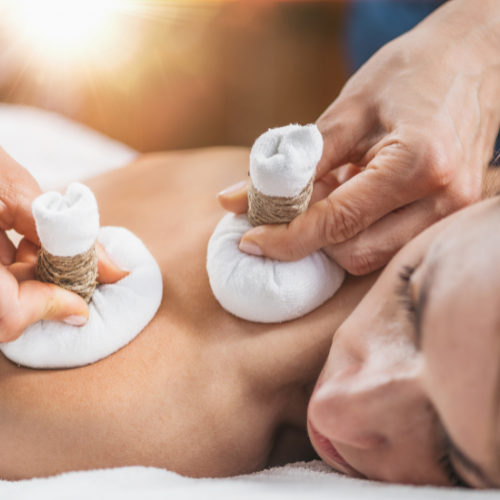
Patra Potli herbal poultice

Patra Potli (Herbal Poultice)

What it is: Warm herbal boluses (leaves/medicated materials) applied externally over the throat/neck region to reduce inflammation and pain.

  • Provides local anti-inflammatory and soothing effect; suitable in subacute and recovery phases.
  • Formulation chosen to be cooling and non-irritating for mucosal conditions.
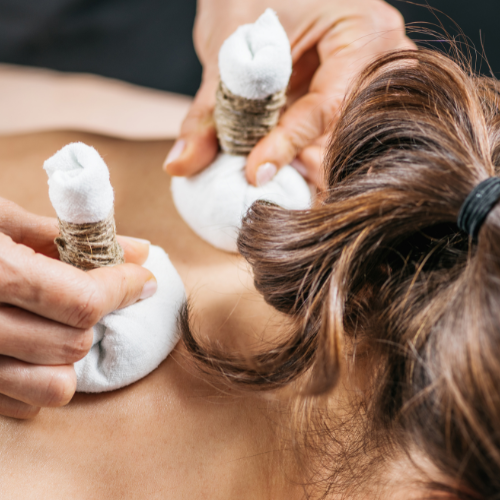
Churn Potli herbal powder poultice

Churn Potli (Powder Bolus Poultice)

What it is: Warm boluses made with powdered herbs and decoction applied externally for local relief and to reduce inflammatory swelling.

  • Used when a slightly deeper heat/penetration is desired for stubborn local congestion.
  • Applied with care and after testing skin tolerance.
Lepam topical paste application

Lepam (Topical Herbal Paste)

What it is: Cooling or mild anti-inflammatory pastes applied externally on the neck/throat to calm pain and swelling.

  • Often formulated with healing & soothing herbs (e.g., aloe preparations, herbal powders) selected for throat safety.
  • Useful in non-ulcerative tonsillitis and recovery phase to reduce residual soreness.
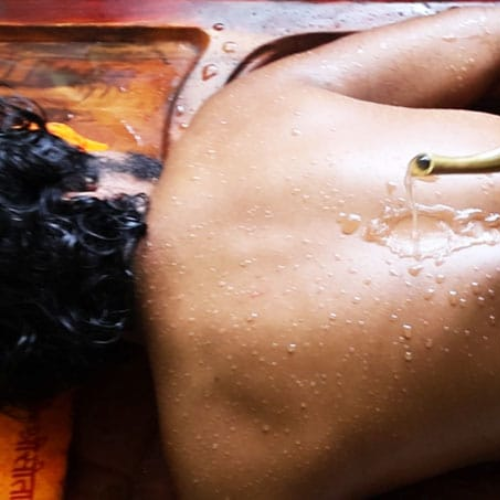
Kashaya Dhara herbal decoction pouring

Kashaya Dhara (Herbal Decoction Pouring)

What it is: Continuous pouring of a warm, mild herbal decoction — for throat issues this can be focused over chest/upper throat to soothe and reduce inflammation.

  • Decoctions chosen for mucosal safety and anti-inflammatory properties.
  • Useful in the subacute/recovery phase to calm lingering inflammation and support local circulation.
Nasyam nasal therapy

Nasyam (Nasal Therapy — Select Use)

What it is: Administration of gentle, appropriate nasal oils or light medicated drops to clear the head and upper respiratory passages, indirectly benefiting the throat.

  • Helps clear post-nasal drip, reduce local congestion and improve mucosal drainage — often helpful in recurrent tonsillitis with upper airway congestion.
  • Only performed when safe and appropriate; formulations selected to be non-irritant.
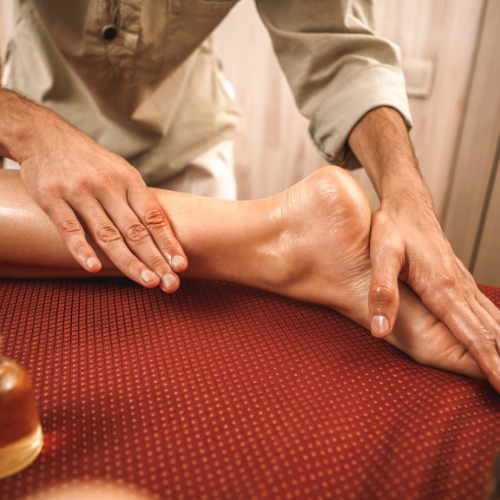
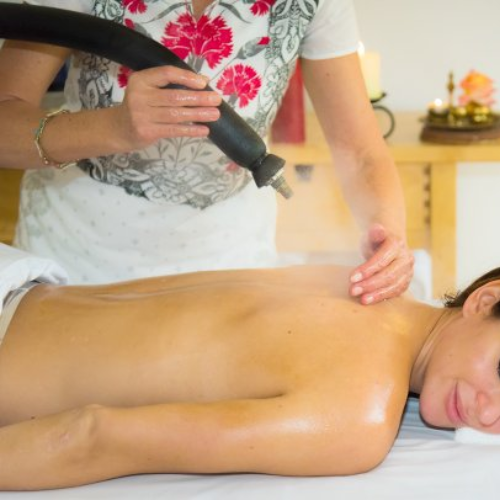
Abhyanga warm oil massage

Abhyanga (Supportive Full-Body Oil Massage)

What it is: Gentle warm oil massage to support immunity, reduce systemic stress and improve circulation during recovery.

  • Not a primary local therapy for tonsils but useful to strengthen overall tissue resistance and aid recovery.
  • Techniques are gentle and calming; chosen oils are mild and non-irritant.
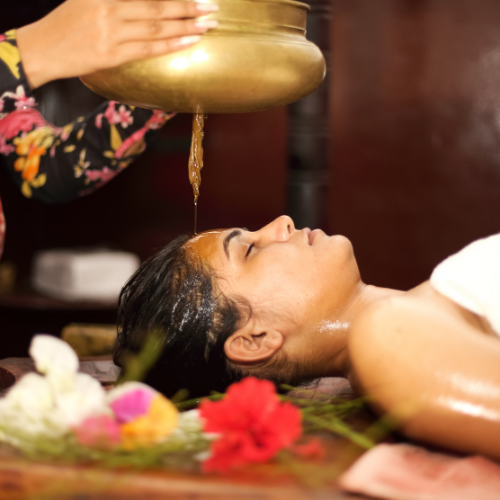
Shirodhara forehead oil pouring

Shirodhara (Nervous System Support)

What it is: Continuous gentle pouring of warm oil on the forehead to reduce stress, improve sleep and support systemic healing during convalescence.

  • Helpful adjunct in the recovery phase when stress or poor sleep slow healing.

Herbs & Supportive Measures

Internal medicines are prescribed after assessment. Below are examples of commonly used, evidence-aware supportive herbs and practices — always under clinician guidance.

  • Licorice (Mulethi/glycyrrhiza): Soothing demulcent for throat (used transiently and with caution in hypertension).
  • Triphala/Haritaki-based gargles (clinical formulations): Support oral hygiene and mild cleansing.
  • Guduchi (Tinospora cordifolia): Immunomodulatory support when indicated.
  • Local gargles: Saline or clinician-advised antiseptic gargles to reduce throat bacterial load (as adjunct — not replacement for antibiotics when indicated).
  • Diet: Soft warm foods (khichdi, dal, soups), avoid cold/raw/fried/very spicy foods during acute phase.
  • Hydration & rest: Adequate fluids and voice rest when painful.

If bacterial tonsillitis is confirmed, follow indicated antibiotic therapy. Ayurveda complements medical care and aims to reduce recurrence and speed recovery when used appropriately.

Sample Clinic Plans (examples)

Acute symptomatic plan
  • Medical/ENT assessment & throat swab.
  • Local Nadi Swedana or steam, warm saline gargles, rest & fluids.
  • Topical Lepam or Patra Potli externally for local relief; short-course internal soothing herbs if appropriate.
Subacute / recovery
  • Kashaya Dhara (mild decoction pouring) for local calming; Nasyam if post-nasal involvement.
  • Abhyanga & Shirodhara to support systemic recovery and sleep.
  • Dietary rehab, oral hygiene & follow-up ENT check if recurrent.
Recurrent tonsillitis (preventive)
  • Address triggers (allergies, post-nasal drip), targeted Nasyam courses, supportive herbs and lifestyle adjustments.
  • Coordinate with ENT regarding tonsillectomy if indicated after exhaustive conservative management.

All clinic procedures require clinician evaluation and informed consent. We coordinate with ENT/physician care when infections are recurrent or severe.

Quick Reference — Therapies & Roles

TherapyPrimary roleNotes
Nadi SwedanLocal decongestion & pain reliefUseful acutely to ease swelling; clinician-controlled heat.
Patra / Churn PotliLocal anti-inflammatory poulticeExternal application for throat/neck inflammation.
LepamTopical soothing pasteCooling or mild anti-inflammatory; used in subacute phase.
Kashaya DharaLocal calming herbal pouringUsed in subacute/recovery to reduce lingering inflammation.
NasyamClear upper airway & post-nasal dripAdjunct in recurrent cases with nasal involvement.
Abhyanga / ShirodharaSystemic support & restAdjuncts for convalescence and immunity support.

Need a safe Ayurvedic plan for tonsillitis?

Book a consultation — we will assess severity, review ENT guidance, and design a stepwise, monitored plan combining local therapies and safe herbs to support healing.

Book Consultation

Clinic therapies performed by trained Ayurvedic physicians. Medical/ENT clearance is obtained when infection is suspected.