📍: 668/4, Masjid Lane, Surya Chowk, Channi Himmat, Jammu

📞: +91 979-6529-999 / +91 849-4008-341

Ringworm Ayurveda: Types, Causes, Symptoms & Treatment

Ringworm (tinea) — causes, Ayurvedic perspective, clinic therapies with reference photos, herbs, hygiene and sample treatment plan.

Ringworm

What is Ringworm?

  • Caused by dermatophyte fungi (e.g., Trichophyton, Epidermophyton, Microsporum).
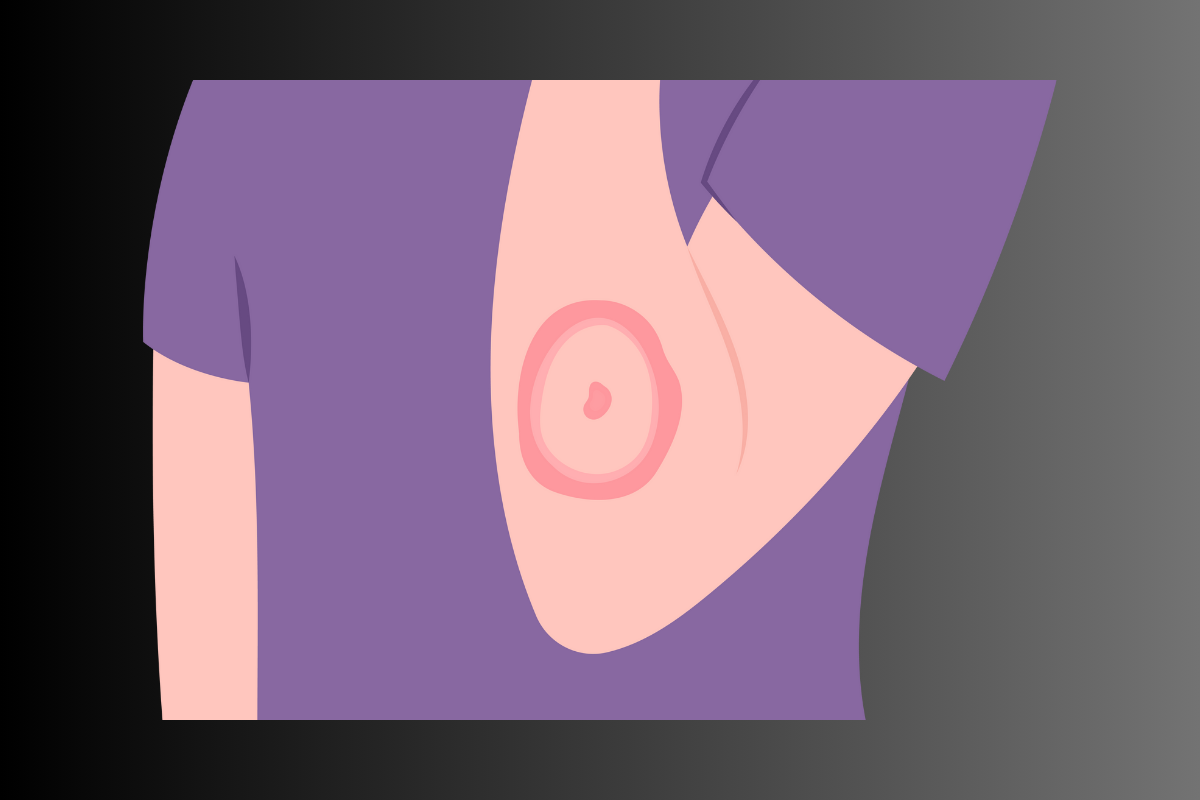
  • Typical signs: round/oval red scaly patches with central clearing and raised edge, itching, sometimes secondary bacterial infection.
  • Commonly affects skin folds, body, scalp (tinea capitis), groin (tinea cruris) and feet (tinea pedis).

Ayurvedic perspective

In classical texts, ringworm-like conditions correspond to Dadru — a Kapha-Pitta and sometimes Kshaudra (external) disorder affecting the skin. Localized treatments (external lepa, poultices, medicated baths) and internal herbs that balance Kapha/Pitta and support skin immunity are used.

Primary Ayurvedic Therapies we use (with reference photos)

Below are the local and supportive clinic therapies commonly used to treat ringworm. These are selected for their topical antifungal, cleansing and skin-repairing actions. All applications are chosen after clinical assessment; severe, spreading or scalp infections may also require dermatology review and antifungal medication.

Lepam - medicated paste

Lepam (Medicated Pastes)

What it is: Topical application of herbal pastes (e.g., neem, turmeric, manjistha, neem+turmeric in a suitable base) directly onto lesions.

  • Antifungal, antiseptic and soothing — reduces scaling, itching and local inflammation.
  • Applied for a defined time, then gently washed off; repeated daily or as prescribed.
  • Formulations chosen to avoid photosensitising or irritant herbs on sensitive skin.
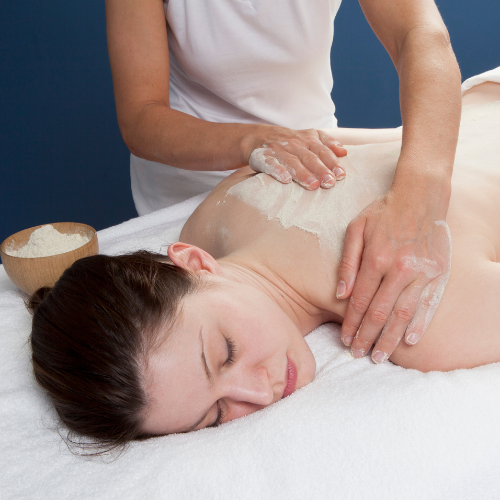
Udvartana - powder massage

Udvartana (Powder Therapy / Mild Scrub)

What it is: Gentle rubbing with herbal powders that cleanse, exfoliate dead skin and reduce local moisture that favors fungal growth.

  • Helps remove scales and improves penetration of topical medicines.
  • Must be applied gently — avoid aggressive scrubbing on fragile or inflamed patches.
  • Often combined with topical lepas and followed by drying/airing the area.
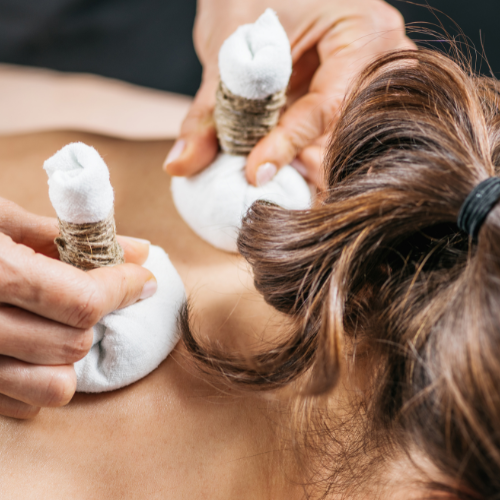
Churn Potli - herbal poultice

Churn Potli / Patra Potli (Herbal Poultice / Fomentation)

What it is: Warm herbal boluses containing powdered herbs (churna) or leaves (patra) applied locally to help antifungal action and improve local circulation.

  • Gentle local heat and herbal vapour assist topical healing and remove local stagnation.
  • Useful for stubborn or thickly scaly lesions; duration and ingredients tailored to skin sensitivity.
Medicated oil bath

Medicated Oil Bath (Herbal Oil / Kizhi bath)

What it is: Short medicated oil baths or sitz-washes using antifungal oils/herbal decoctions to cleanse and soothe affected areas.

  • Helps reduce local irritation and supports the removal of crusts and scales.
  • Not recommended for heavily weeping or infected lesions — such cases need wound/special care and medical review.

Supportive internal care & hygiene

  • Internal herbs: Neem (Nimba), Manjishtha, Haridra (Turmeric), Triphala — used as decoctions or formulated medicines to support skin immunity. Prescribe under clinician guidance.
  • Hygiene: Keep lesions clean & dry, avoid sharing towels/clothes, frequently wash clothes in hot water, avoid tight occlusive clothing until healed.
  • Topical caution: Avoid using heavy occlusive oils alone on active fungal lesions without antifungal herbs; always use clinician-directed formulations.
  • When to see a dermatologist: Extensive infection, scalp involvement (tinea capitis), failure to improve with topical care, or secondary bacterial infection require dermatology/antifungal therapy.

Sample Clinic Plan (example)

  • Assessment: Confirm clinical diagnosis; KOH microscopy or fungal culture if needed for atypical cases.
  • Week 1–2 (Local cleansing & topical therapy): Gentle cleansing, Udvartana (mild), daily Lepam (antifungal paste) and local warm poultices as needed. Hygiene measures.
  • Week 3–4 (Repair & support): Continue topical lepas every other day, medicated oil bath 2–3 times weekly if appropriate, internal supporting herbs for 2–4 weeks.
  • Follow-up: Review healing; repeat or refer to dermatology if no improvement after 4–6 weeks.

Disclaimer: This page offers educational Ayurvedic guidance for superficial fungal skin infections. Severe or spreading infections may need conventional antifungal drugs — coordinate care with a dermatologist. All treatments must be performed or supervised by qualified Ayurvedic practitioners.

Join Our Path to Wellness

Quick Links

Treatments

Contact Us

Start your journey towards a healthier and more balanced life with Ayurveda. Explore our range of Ayurvedic remedies and discover how the ancient wisdom of Ayurveda can transform your health and well-being.
Address: 668/4, Masjid Lane, Surya Chowk, Channi Himmat, Jammu

Email: dracharyasayurveda@gmail.com

Phone: +91 979-6529-999 ;
+91 849-4008-341
Copyright © 2025 Dr. Archaryas Ayurveda. All rights reserved. | Privacy Policy | Terms of Service