What is Worm Infestation?
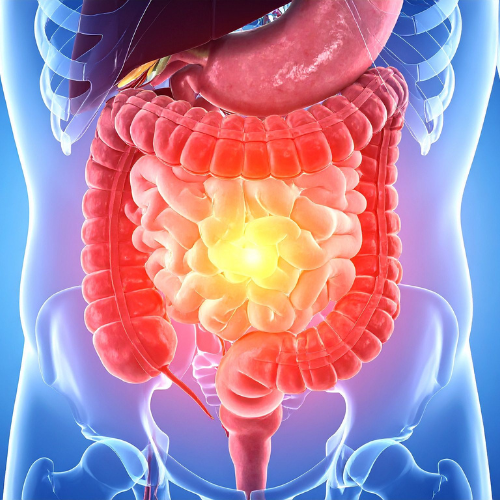
Worm infestation (intestinal helminthiasis) refers to parasitic worms living in the gastrointestinal tract — common types include roundworms (Ascaris), tapeworms, hookworms, pinworms and others. Presentation ranges from mild (itching, disturbed sleep) to significant (abdominal pain, malnutrition, anaemia, bowel obstruction in heavy infestations).
Common symptoms
- Anal or perianal itching (especially at night), disturbed sleep
- Abdominal pain, cramps, bloating, nausea
- Visible worms in stool (sometimes), unexplained weight loss, poor appetite
- Anaemia, fatigue, nutrient deficiencies in chronic infestation
Investigations & red flags
Stool ova & parasite microscopy, complete blood count (for eosinophilia/anaemia) and imaging if complication (e.g., obstruction) suspected. Urgent medical care is required for severe pain, high fever, vomiting, signs of intestinal obstruction, or severe anaemia.
Important Safety Note
Always confirm infestation with appropriate medical tests (stool microscopy, CBC). Ayurveda offers complementary options (herbal anthelmintics and selected therapies) but does not replace urgent medical or surgical care when complications occur. Coordinate care with your primary physician and obtain lab monitoring when appropriate.
Ayurvedic View & Treatment Goals
Ayurveda recognizes intestinal parasitosis under conditions like Krimi. Treatment aims to:
- Expel parasites (Krimi) using anthelmintic herbs and detoxifying measures.
- Restore Agni (digestion), remove Ama (toxins), and repair nutrition (Ras/Annamaya).
- Support gut lining, correct deficiencies (iron, proteins) and prevent re-infection.
Therapies Useful in Worm Infestation — with reference images
Therapies below are commonly used in Ayurvedic management of intestinal worms. Each entry includes a clinic reference photo. All therapies are individualized and used after assessment and testing.
Basti (Medicated Enema) Key
What it is: Administration of medicated decoctions or oils via the rectum to cleanse and balance Vata and the lower GI tract.
- Used as a targeted internal cleansing (Anulomana/Anulomana-type basti) to help dislodge and eliminate intestinal parasites and their toxins.
- Formulations (decoction basti, kashaya basti) are chosen for anthelmintic effect and gut safety.
- Given under supervision; selected when patient is stable and after basic investigations.
Virechana (Therapeutic Purgation)
What it is: Supervised herbal purgation to remove toxins from the GI tract primarily for Pitta-related conditions.
- In certain patterns (especially Pitta-dominant Krimi or mixed presentations) Virechana helps clear intestinal toxins and reduce parasite-associated inflammation.
- Performed only after preparatory measures and medical clearance; contraindicated in dehydrated or severely ill patients.
Vamana (Therapeutic Emesis) — Selective
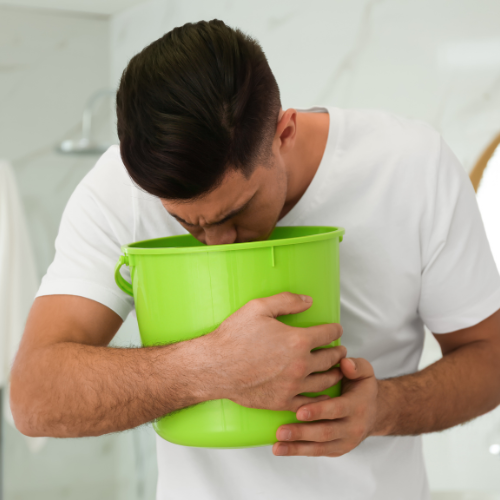
What it is: Induced emesis to expel Kapha-related toxins and obstructive matter.
- Occasionally indicated if Kapha predominance with upper-GI stagnation contributes to Krimi — used rarely and only when clinically appropriate.
- Requires specialized monitoring and is not a routine first-line measure for intestinal worms.
Abhyanga & Svedana (Warm Oil Massage & Steam)
What it is: Preparatory and supportive therapies that improve circulation and help prepare the body for internal cleansing procedures.
- Gentle Abhyanga with warming oils followed by mild Svedana helps mobilize toxins and supports digestion (Agni) before procedures like Basti or Virechana.
- Intensity tailored for age, strength and severity of infestation.
Patra/Churna Potli (Local Fomentation)
What it is: Warm bolus (potli) of herbs applied over the abdomen to relieve pain and spasm.
- Helpful for abdominal cramps, localized pain and to ease gut spasm often accompanying worm infestation.
- Potli ingredients and temperature are selected for safety and efficacy.
Herbal & Oral Ayurvedic Remedies
These herbs and classical formulations have traditional anthelmintic activity in Ayurvedic texts. They should only be used under a qualified practitioner’s prescription and after appropriate testing.
- Vidanga (Embelia ribes): Classical anthelmintic used to expel intestinal parasites.
- Neem (Azadirachta indica): Antiparasitic, helps reduce parasite load and supports immunity.
- Haritaki (Terminalia chebula): Mild laxative and digestive regulator that helps clear intestines and support elimination.
- Turmeric (Curcuma longa): Anti-inflammatory and supportive for gut lining; used as adjuvant.
- Kutaja / Kutaja ghanavati (Holarrhena antidysenterica): Used in diarrhoeal states and for certain parasitic presentations (prescribed carefully).
- Formulations: Classical polyherbal preparations and decoctions (kasayas) tailored to the patient are commonly used.
- Note: Dosing, duration and combination depend on age, weight, type of parasite and lab findings.
Do not self-prescribe strong herbal medicines for children, pregnant or lactating women, or severely ill patients. Always consult a qualified Ayurvedic physician and coordinate with lab tests.
Diet, Hygiene & Prevention
- Diet: Easily digestible, warm foods: steamed rice, moong dal, cooked vegetables, light soups. Avoid cold, raw or heavy foods during acute phase.
- Hygiene: Handwashing, proper disposal of stool, clean drinking water and thoroughly cooked food to prevent reinfection.
- Supplementation: Address anaemia and nutrient deficiencies (iron, protein) as advised by clinicians.
Sample Clinic Plans (examples)
Acute symptomatic care- Confirm with stool tests and CBC
- Symptom relief, potli for cramps, gentle Abhyanga if tolerated
- Antiparasitic herbal decoction as prescribed
Targeted expulsion- Preparatory Abhyanga & mild Svedana (if indicated)
- Basti (decoction or kashaya basti) and/or Virechana in selected cases under supervision
- Oral anthelmintic herbs (Vidanga, Neem, Haritaki formulations)
Rehabilitation & prevention- Nutrition support, iron correction if anaemic
- Hygiene education, follow-up stool testing to confirm clearance
- Maintenance herbal tonics to strengthen digestion and immunity
All procedures require practitioner assessment and informed consent. Children, pregnant women and severely ill patients need special modifications or alternative approaches.
Quick Reference — Therapies & Roles
| Therapy | Primary role | Notes |
|---|
| Basti | Targeted intestinal cleansing and restoration | Key therapy for gut cleansing and parasite expulsion |
| Virechana | Clear Pitta/toxins from GI tract | Selected for Pitta-dominant presentations |
| Vamana | Expel Kapha-related stagnation (rare) | Used selectively and rarely |
| Abhyanga & Svedana | Preparatory support | Gentle techniques to prepare for cleansing |
| Patra/Churna Potli | Local pain and spasm relief | Useful for abdominal cramps |
Suspect worm infestation?
Book a consultation — we will arrange appropriate testing, coordinate care, and design a safe, evidence-minded Ayurvedic plan for expulsion, recovery and prevention.
Book ConsultationWe coordinate with medical providers for lab confirmation. Children, pregnant or very ill patients require special care.