What is Whooping Cough (Pertussis)?
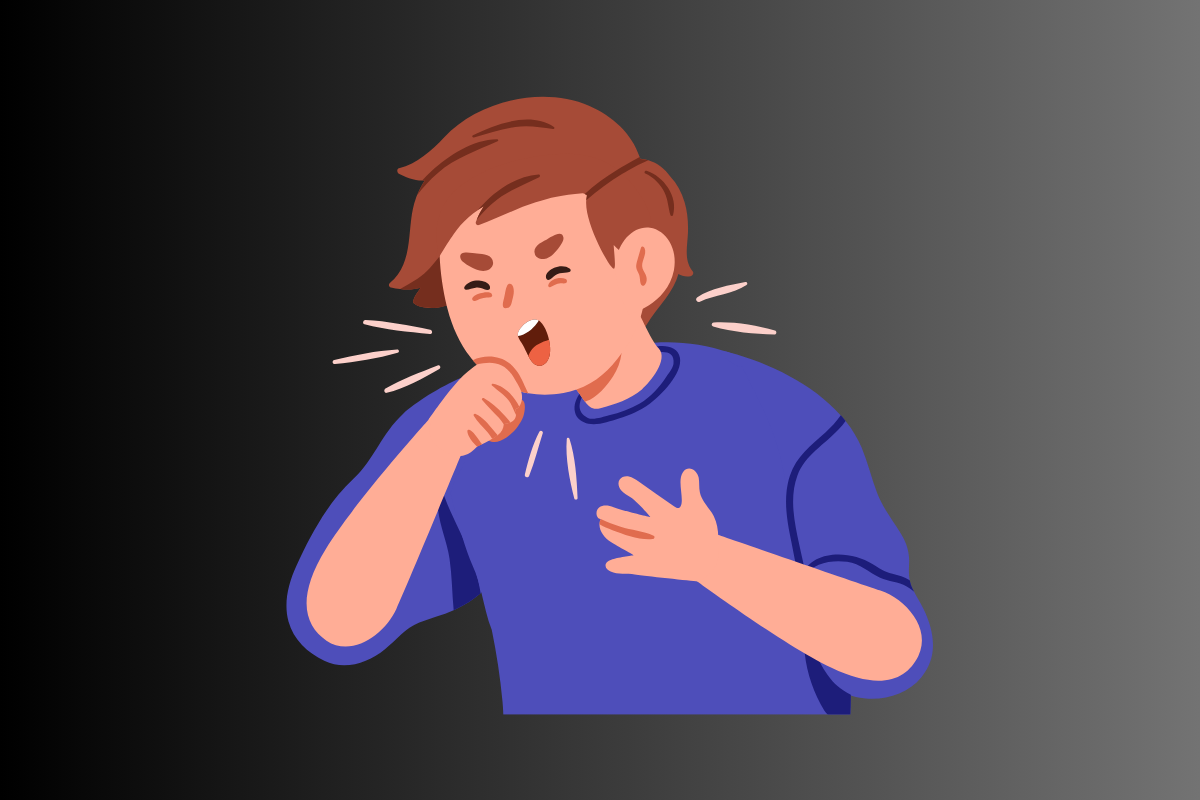
Whooping cough (pertussis) is a highly contagious bacterial respiratory infection caused by Bordetella pertussis. It often begins like a cold but progresses to intense coughing fits that can last for weeks; young infants are at highest risk for severe complications. Early medical diagnosis and treatment are critical.
Key fact sources: CDC & WHO — see references at the end. :contentReference[oaicite:1]{index=1}
Typical symptoms
- Starts with mild fever, runny nose and cough (like a cold).
- Progresses to paroxysms (rapid, repeated coughs) often followed by a high-pitched “whoop” on inspiration in some patients.
- Posttussive vomiting (vomiting after coughing), exhaustion, difficulty breathing, and prolonged cough lasting 4–8 weeks are common.
- Infants may show apnea (pauses in breathing), poor feeding, cyanosis or severe illness without classic whoop.
Contagiousness & complications
Pertussis is very contagious, usually most infectious during the early coughing stage; complications can include pneumonia, seizures and — rarely — brain injury, especially in infants. Vaccination prevents many cases; antibiotics reduce transmission and should be started early when pertussis is suspected. :contentReference[oaicite:2]{index=2}
Critical Medical Safety Note
If pertussis is suspected (intense cough with paroxysms, whoop, or any infant with cough/apnea), seek prompt medical evaluation. Antibiotics (macrolides such as azithromycin/clarithromycin/erythromycin) are the recommended treatment to reduce severity and prevent spread; infants and high-risk patients may need urgent hospital care. Vaccination (DTaP/Tdap) is the primary prevention strategy. Ayurvedic measures below are supportive and must never replace indicated antibiotic or emergency care. :contentReference[oaicite:3]{index=3}
Ayurvedic Supportive Strategy (Complementary)
- Medical-first approach: Confirm diagnosis, begin antibiotics if indicated and follow public health guidance; Ayurveda supports symptom relief, respiratory hygiene and recovery after or alongside medical care.
- Dosha focus: Coughs are typically treated as Vata/Kapha disturbances with localized Pitta effects (inflammation). Goal: soothe airway irritation, reduce mucus/stagnation, calm paroxysms and support rest & immunity.
- Safe herbal medicines & diet: Short-term demulcent and anti-tussive remedies (honey-based syrups for >1 year age where permitted, licorice, pippali) and easily digestible diet — only under clinician supervision and not for infants without paediatric advice.
- Therapies below: Select only those safe for an infectious respiratory condition and suitable for the patient's age/state (examples below). Therapies are individualized and require clinician oversight.
Ayurvedic therapy descriptions are evidence-informed traditional uses; for respiratory-specific benefits see Ayurveda respiratory therapy references. :contentReference[oaicite:4]{index=4}
Ayurvedic Therapies Useful in Whooping Cough — with reference images
Only the therapies below are listed because they directly support airway hygiene, expectoration, chest comfort, vagal balance and recovery. Each therapy should be used with infection-control measures (isolation when contagious) and medical coordination.
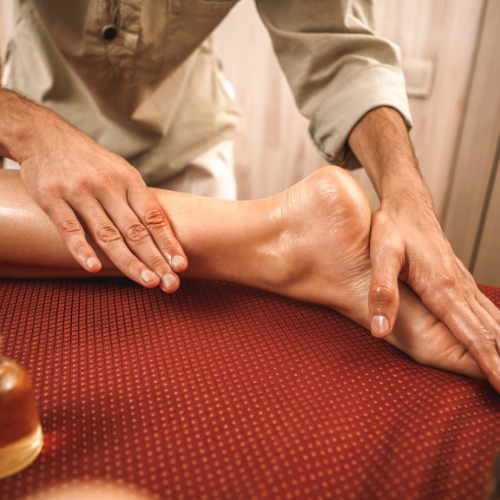
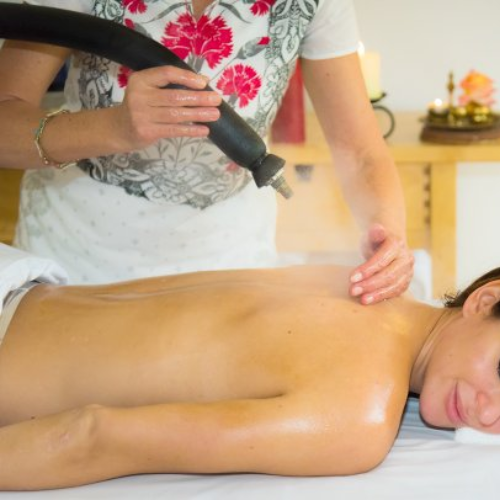
Abhyanga (Warm Oil Massage)
Why useful: Gentle warm oil massage soothes the nervous system, improves circulation, reduces exhaustion after intense coughing and supports lymphatic drainage.
- Use mild, warming oils and gentle strokes; avoid deep, vigorous pressure during acute respiratory distress.
- Can help improve sleep and general strength during recovery phase.
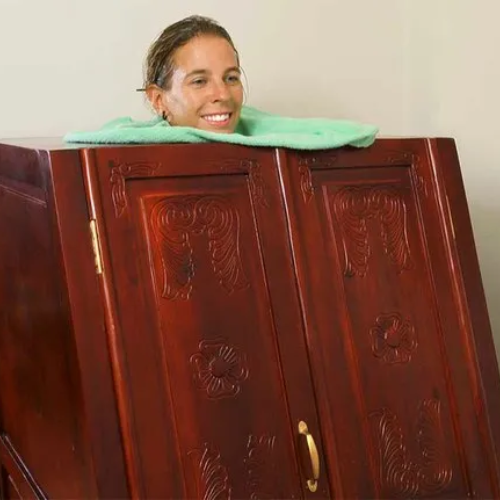
Swedan (Therapeutic Steam)
Why useful: Controlled steam (herbal vapour) helps loosen mucus in the airways, eases expectoration and relieves chest congestion when used safely.
- Applied locally (inhalation / mild steam tents) with caution—avoid excessive heat or prolonged steam in infants and frail patients.
- Always perform with infection-control and under clinician guidance.
Nadi Swedan (Localized Steam)
Why useful: Focused warm steam applied to chest and back to loosen phlegm and relieve localized congestion.
- Preferred over whole-body sweating in acute infection; gentle sessions help sputum mobilization.
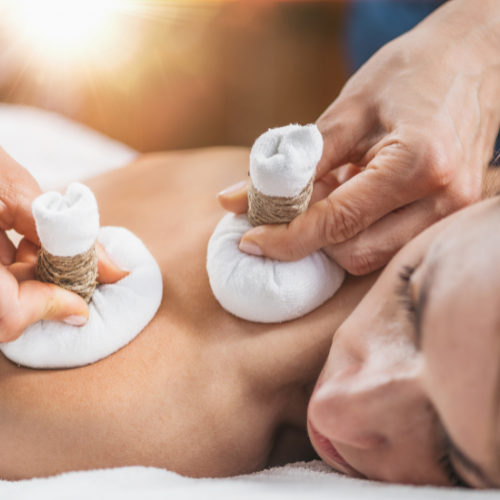
Patra Potli (Herbal Poultice)
Why useful: Warm herbal boluses applied to the chest and back to relieve congestion, reduce localized inflammation and ease cough-related muscle soreness.
- Herbs chosen for expectorant and anti-inflammatory action; applied warm for short durations.
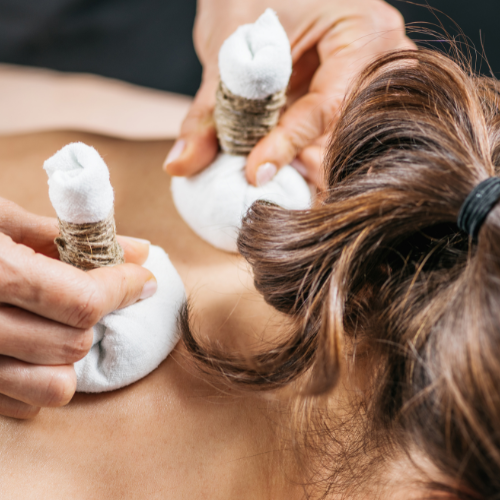
Churn Potli (Powdered Herbal Poultice)
Why useful: Similar to Patra Potli but with powdered/herbal mixes — used externally on chest to ease congestion and relieve intercostal soreness from violent coughing.
- Helpful for symptomatic comfort and easing muscular pain from coughing spells.
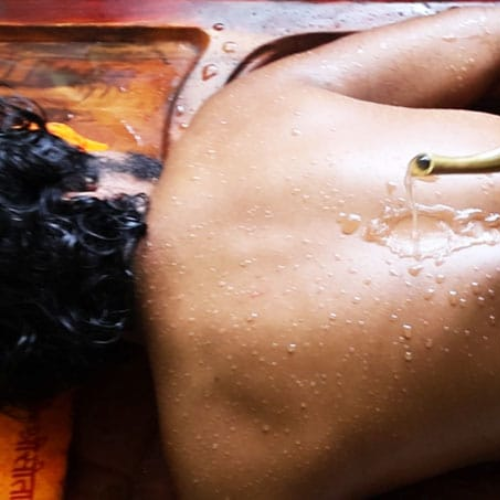
Kashaya Dhara (Warm Herbal Decoction Pouring)
Why useful: Warm decoction poured over the chest/upper back (administered carefully) soothes local irritation, reduces inflammation and supports expectoration.
- Decoctions and duration are chosen for respiratory safety; contraindicated in unstable patients.
Lepam (Herbal Paste / Chest Rub)
Why useful: External application of medicated pastes on the chest can relieve congestion, reduce cough-triggering irritation and soothe sore chest muscles.
- Non-invasive and often useful for symptomatic relief at home or clinic.
Nasyam (Nasal Therapy)
Why useful: Nasya (instillation of gentle medicated oils/drops into the nose) supports upper airway clearance, reduces nasopharyngeal irritation and may help reduce the upper airway triggers of paroxysmal coughing.
- Given only in stable patients (not during acute severe respiratory distress) using liver- and respiratory-safe formulations and under clinician supervision. Useful as an adjunct to other supportive care. :contentReference[oaicite:5]{index=5}
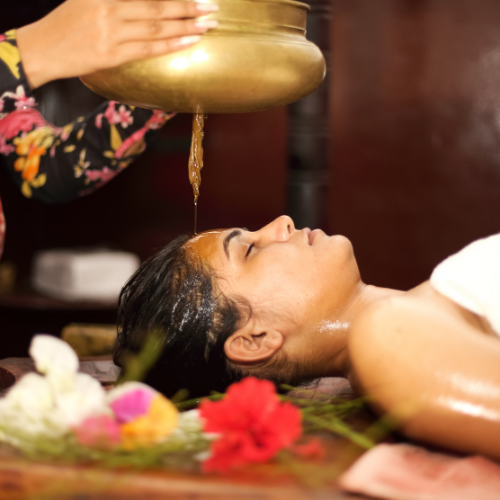
Shirodhara (Forehead Pouring)
Why useful: Calms the nervous system, reduces stress and insomnia which commonly worsen cough frequency/intensity; helpful during recovery to normalize sleep and autonomic balance.
- Adjunctive therapy focused on rest and nervous-system regulation rather than direct expectoration.
Oil Bath (Medicated Bath)
Why useful: A warm medicated oil bath can relax chest musculature after severe coughing, support sleep and improve overall comfort during convalescence.
- Used as supportive care; avoid overly hot baths in febrile or unstable patients.
Herbal Remedies & Nutrition (Adjuncts)
Complementary herbal measures (only with clinician oversight): demulcents and mild expectorants such as licorice (Yashtimadhu), pippali (Piper longum), mulethi-based syrups and warm herbal teas with ginger and honey (for children older than 1 year where allowed). Emphasize easy-to-swallow, warm, nourishing liquids and soft foods; avoid cold, heavy dairy and mucus-promoting foods during active cough. These are supportive measures — do not delay medical treatment.
Herbal formulations must be chosen carefully for safety, interactions and patient age — infants need paediatric medical care and not all herbs are safe for infants.
Sample Clinic Support Plan (example)
Acute suspected/confirmed pertussis- Immediate medical evaluation, start antibiotics if indicated
- Isolation / respiratory hygiene to prevent spread
- Only gentle supportive Ayurveda (rest, warm fluids); avoid detox procedures during acute infection
Early recovery & symptomatic care- Targeted therapies: Nadi Swedan / Swedan (gentle steam), Patra/Churn Potli for chest comfort, Lepam chest rub
- Nasya in selected stable patients, Abhyanga for rest & strength
- Herbal demulcents & nutritional rehab under clinician supervision
Rehabilitation- Shirodhara for sleep & autonomic balance, oil-baths and strengthening measures
- Monitor cough frequency; coordinate with paediatrician/physician for follow-up
All therapies are individualized. For infants and high-risk patients, Ayurveda is strictly adjunctive and must be coordinated with paediatric/medical care.
Quick Reference — Therapies & Roles
| Therapy | Primary role | Notes |
|---|
| Swedan / Nadi Swedan | Loosen mucus, aid expectoration | Use gentle, localized steam; avoid in infants without supervision |
| Patra / Churn Potli | Chest decongestion, reduce soreness | External, warm herbal boluses |
| Nasyam | Upper airway clearing, reduce nasopharyngeal triggers | Adjunct in stable patients only |
| Lepam / Chest rub | Symptomatic relief of cough-triggered chest pain | Non-invasive; useful at home/clinic |
| Abhyanga / Shirodhara | Support sleep, reduce exhaustion | Focus on recovery and nervous-system balance |
Need a coordinated Ayurvedic plan for cough recovery?
Book a consultation — we will review medical records, ensure coordination with your physician, and design a safe, stepwise Ayurvedic support plan.
Book ConsultationAyurvedic care is provided by qualified practitioners and is always coordinated with medical advice for infectious respiratory illnesses.