What is LADA?
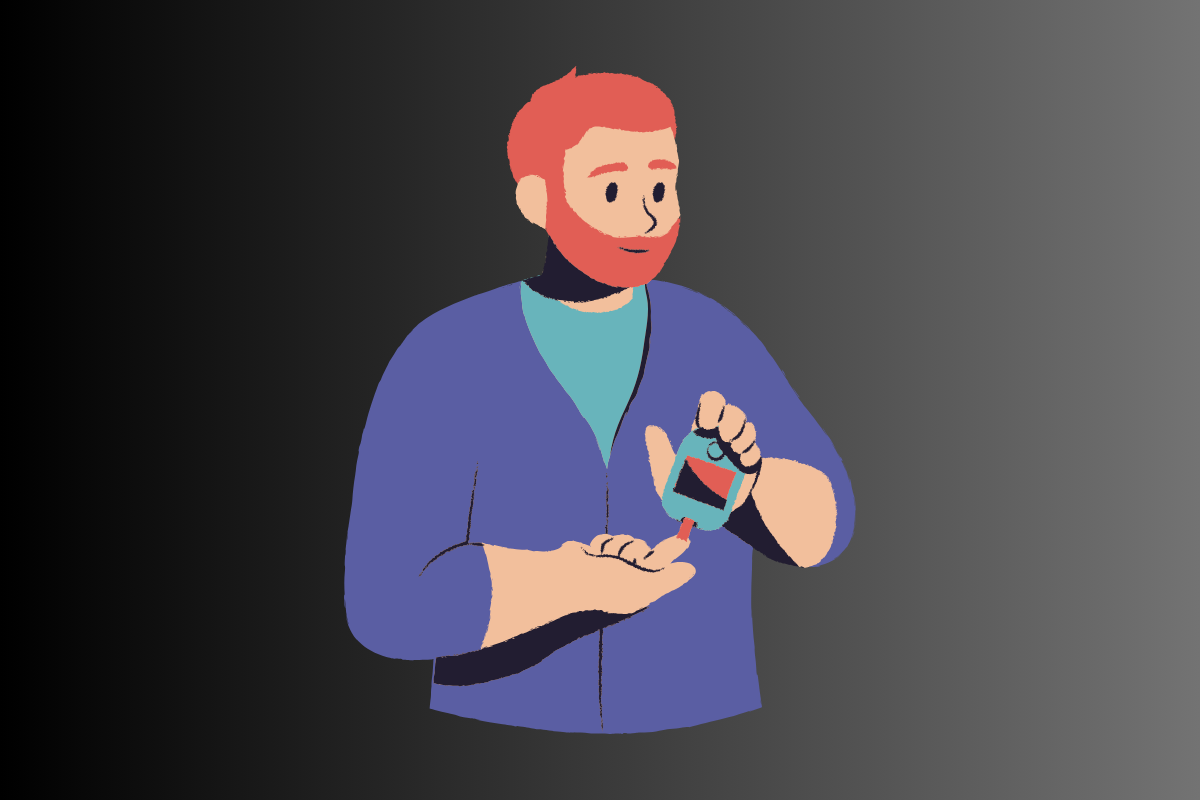
Latent Autoimmune Diabetes in Adults (LADA) is an autoimmune form of diabetes that begins in adulthood and progresses more slowly than classic type 1 diabetes. Because it initially resembles type 2 diabetes, LADA is commonly misdiagnosed. Over time autoimmune destruction of pancreatic beta cells causes reduced insulin production and progressive hyperglycaemia; many people eventually require insulin therapy. Accurate diagnosis (autoantibody testing, C-peptide, glucose monitoring) and close endocrinology follow-up are essential.
Critical medical safety note
LADA is an autoimmune, progressive condition that can lead to insulin deficiency. Ayurvedic care should be strictly complementary to conventional endocrinology: continue prescribed medications, glucose monitoring and specialist follow-up. Any Panchakarma or internal medicines must be coordinated with the treating endocrinologist, and blood glucose / C-peptide / relevant labs should be monitored during therapeutic changes.
Ayurvedic supportive approach (what we aim for)
- Stabilize glycaemia: avoid interventions that destabilise blood glucose; maintain medication where required.
- Reduce Ama & rebalance Agni: improve digestion and metabolic clarity with dietary changes and selected herbs under supervision.
- Support tissues (Dhatus) & immunity: nourishing/rejuvenative (Brimhana) therapies to reduce catabolism, improve vitality and support pancreatic health.
- Panchakarma selectively: certain detox procedures are used in metabolic disorders to reduce toxic load and improve tissue metabolism — only after full assessment and specialist clearance.
Clinic therapies we use for LADA (selected)
Below are therapies commonly used by Ayurvedic clinics to support metabolic and pancreatic health in suitable LADA patients. Each entry includes a reference photo. Therapies are individualized and only delivered after medical/endocrine clearance.
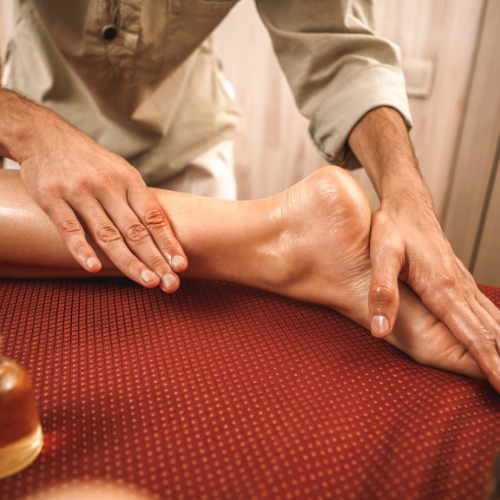
Abhyanga (Warm oil massage)
What it is: Gentle, rhythmic whole-body oil massage tailored to the patient's constitution.
- Provides nervous-system calm, improves peripheral circulation and supports overall nourishment.
- Used regularly in rehabilitation to reduce stress-related glycaemic variability and support tissue health.
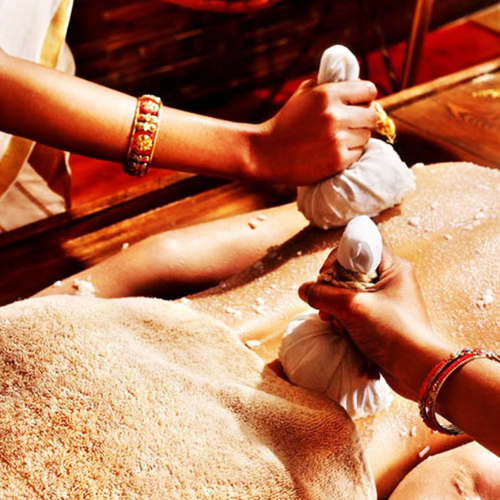
Njavara Kizhi (Nourishing bolus therapy)
What it is: Warm boluses of Njavara rice cooked in herbal decoctions applied across the body.
- Deeply nourishing (Brimhana) — used where weight loss, weakness or tissue depletion are present.
- Supports appetite, metabolic strength and overall recovery in prolonged metabolic conditions.
Virechana (Therapeutic purgation) — selective
What it is: Supervised herbal purgation to remove Pitta-related toxins via the bowel.
- Used selectively to address Pitta/Ama patterns affecting metabolism and hepatic function — only after careful assessment.
- Requires preparatory internal oleation (Snehapana), monitoring of glucose and lab clearance; not used if unstable glycaemia.
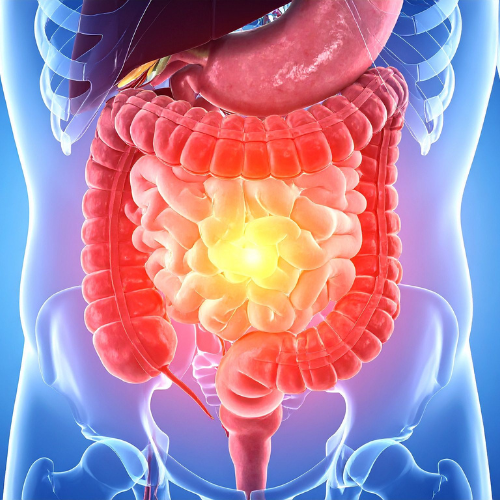
Basti (Medicated enema) — selected use
What it is: Medicated decoction or oil administered rectally to balance Vata and improve gut metabolism.
- In metabolic disorders Basti may be used to regulate the gut–metabolism axis and improve nutrient assimilation.
- Prescribed only when clinically appropriate and after coordination with medical team.
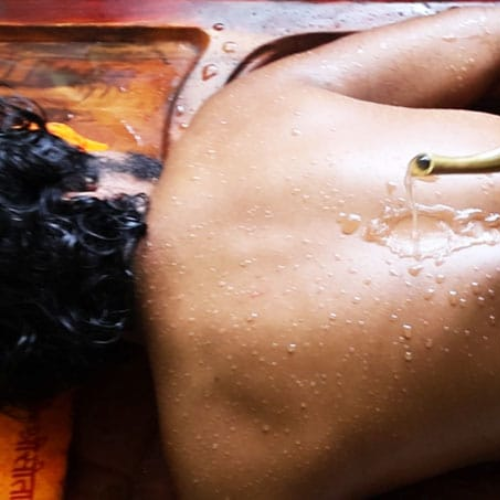
Kashaya Dhara (Herbal decoction pouring)
What it is: Continuous pouring of warm herbal decoction on the abdomen or upper body.
- Used as a calming/supportive therapy; decoctions chosen to be metabolically balancing and safe for glucose control.
- Adjunct to systemic therapies to soothe discomfort and support digestion.
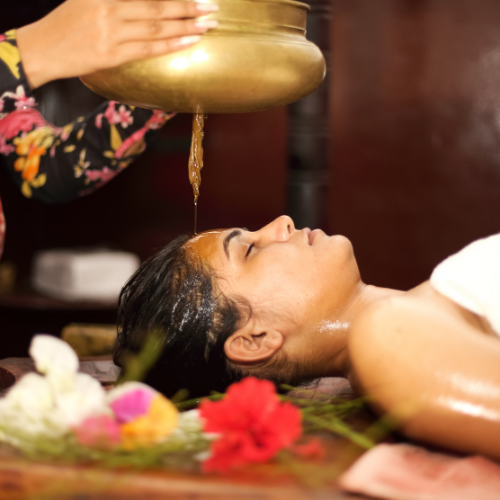
Shirodhara (Forehead pouring)
What it is: Slow, continuous pouring of warm oil or decoction on the forehead to calm the nervous system.
- Reduces stress, improves sleep and helps stabilise autonomic drivers of glucose variability.
- Useful adjunct when stress and sleep disruption are affecting metabolic control.
Lepam (Herbal paste on the abdomen)
What it is: Warm herbal pastes applied topically over the abdomen to stimulate local circulation and digestion.
- Used as supportive local therapy when gastrointestinal digestion (Agni) needs gentle stimulation without systemic stress.
Herbal & nutritional considerations
- Herbs used under supervision: Guduchi, Bhumyamalaki, Amla, and carefully selected formulations that support digestion and metabolic regulation — all prescribed after clinical review.
- Note: Several herbs interact with glucose or drugs — never start internal herbal therapy without clinician approval and glucose monitoring.
- Diet: Regular, balanced meals focused on gentle carbohydrates (whole grains), adequate protein, small meals to stabilise blood glucose, and avoidance of refined carbohydrates and alcohol.
- Lifestyle: Moderate daily activity, sleep hygiene and stress-reduction (yoga/meditation) to help stabilise glycaemia.
All internal and external medicines must be individually dosed, and any changes to diabetic medications or insulin must be done by the treating endocrinologist. Ayurveda supports metabolic health but is not a substitute for necessary insulin in insulin-deficient states.
Sample clinic plans (illustrative)
Stabilisation & coordination- Full endocrine assessment, autoantibody tests and glucose control plan
- Start supportive Abhyanga, dietary rehab and stress management
- No detox procedures until glucose stable and medical consent
Support & rehabilitation (when stable)- Selected Brimhana therapies (Njavara Kizhi), Kashaya Dhara, Shirodhara
- Consider Virechana / Basti only after multidisciplinary clearance
- Herbal formulas chosen for metabolic and hepatic safety
Long-term- Periodic supportive sessions, lifestyle adherence
- Regular lab monitoring and endocrinology follow-up
Quick reference — therapies & roles
| Therapy | Primary role | Notes |
|---|
| Abhyanga | Stress reduction, circulation, nourishment | Safe supportive therapy |
| Njavara Kizhi | Rejuvenation & tissue nourishment | Used in depleted states |
| Virechana | Detoxify Pitta / metabolic cleansing | Only after full clearance |
| Basti | Regulate gut–metabolism axis | Selected use; medical coordination |
| Shirodhara | Autonomic & sleep support | Adjunct to stabilise glycaemia |
Need an integrated plan for LADA?
Book a consultation — we coordinate with your endocrinologist, review labs and design an individualized Ayurvedic plan to safely support metabolic health.
Book ConsultationMedical clearance and ongoing glucose monitoring are mandatory before any Panchakarma or medicine-based changes.