What is Type 2 Diabetes (Madhumeha)?
Type 2 diabetes is a chronic metabolic disorder characterised by insulin resistance and relative insulin deficiency leading to elevated blood glucose. Common symptoms include polyuria (frequent urination), polydipsia (excessive thirst), polyphagia (increased hunger), fatigue, slow wound healing, blurred vision and weight changes. Long-term complications affect nerves, eyes, kidneys, heart and circulation.
Key clinical points
- Diagnosis: fasting plasma glucose ≥126 mg/dL, 2-hour OGTT ≥200 mg/dL, or HbA1c ≥6.5% (confirm per local guidelines).
- Management requires regular monitoring of blood glucose/HbA1c, medication when prescribed, diet, exercise and risk-factor control.
- Early and integrated lifestyle changes can achieve remission in some patients—medical supervision is essential when medications are modified.
Ayurvedic view (brief)
Ayurveda describes diabetes under Madhumeha, a subtype of Prameha. It involves deranged Dhatvagni, Kapha–Meda predominance (and sometimes Vata involvement in complications), impaired metabolism and accumulation of ama. Treatment aims to correct Agni, reduce Meda/Kapha, improve glucose metabolism, remove toxins and strengthen tissues.
Important Safety Note
Do NOT stop prescribed diabetes medications without medical supervision. Ayurvedic therapies can complement conventional care and in some cases reduce medication needs under coordinated supervision. Frequent glucose monitoring and clinician oversight are mandatory when applying detox or intensive lifestyle interventions.
Ayurvedic Care Strategy for Type 2 Diabetes
- Medical coordination: baseline labs (FBG, PPBG, HbA1c, lipids, kidney function) and medication review before starting therapies.
- Metabolic correction: digestive fire (Agni) restoration, reduction of Kapha & Meda, and clearance of ama through internal medicines and targeted Panchakarma when indicated.
- Detox & balancing: selected Shodhana (Virechana) and course of therapeutic Basti are often central in classical protocols for Madhumeha.
- Supportive therapies: Abhyanga, Udvartana (herbal powder massage) and Shirodhara to improve circulation, reduce Kapha, support nervous system and enhance insulin sensitivity indirectly through stress reduction and improved sleep.
- Rehabilitation & maintenance: rejuvenative therapies (e.g., Njavara Kizhi in selected cases), consistent diet, physical activity (yoga/walking), herbs and follow-up monitoring.
Therapies Useful in Type 2 Diabetes — with reference images
Only therapies commonly used for metabolic balance and Madhumeha are included below. All therapies are individualized and require clinician assessment and glucose monitoring.
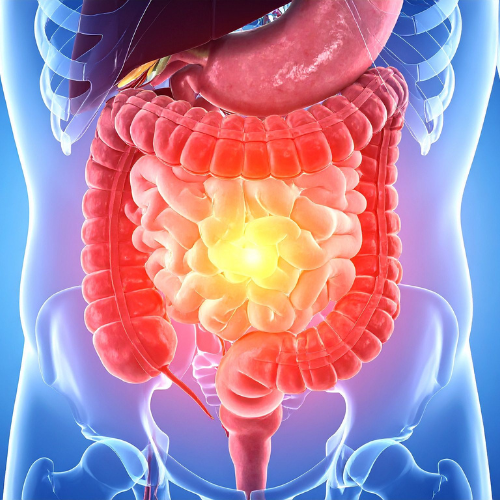
Virechana (Therapeutic Purgation) Key
What it is: Controlled herbal purgation to remove excess Kapha/Medas and metabolic toxins that contribute to insulin resistance.
- Classically indicated in Prameha with Kapha dominance to clear metabolic stagnation and improve Agni.
- Requires preparatory internal oleation (Snehapana) and fomentation (Svedana), and careful glucose monitoring during the process.
Basti (Medicated Enema) — Important in Madhumeha
What it is: Series of medicated enemas (Anuvasana and Niruha) to correct Vata, remove ama and improve metabolic regulation.
- Considered a cornerstone therapy in classical Madhumeha management for restoring digestive/metabolic vigor and supporting insulin sensitivity.
- Given as a course under supervision with attention to fluid and electrolyte balance and glucose monitoring.
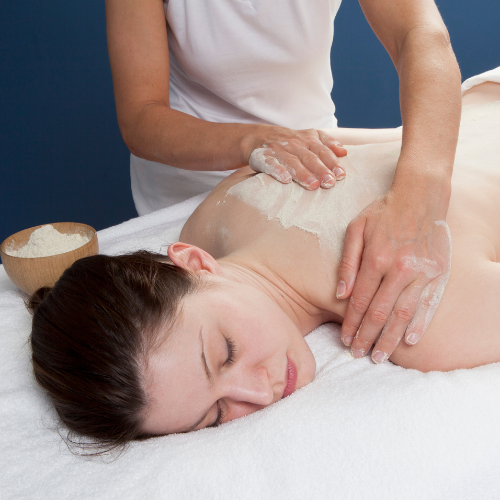
Udvartana (Herbal Powder Massage)
What it is: Dry herbal powder massage targeting reduction of Meda (adipose tissue) and improving lymphatic flow and circulation.
- Helps reduce subcutaneous fat, improves metabolism and skin health; used often in combination with Abhyanga and lifestyle changes.
- Therapist technique and vigor are adapted according to patient's health and glucose control.
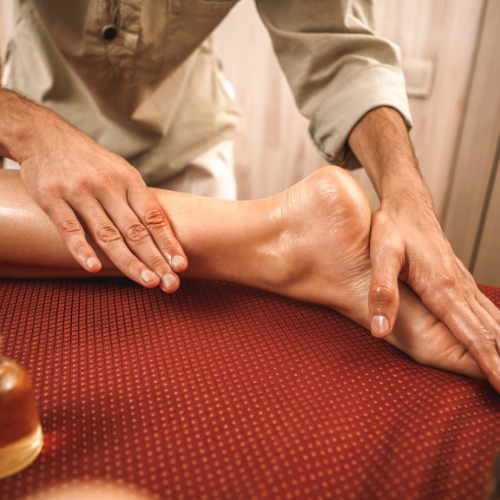
Abhyanga (Warm Oil Massage)
What it is: Regular gentle massage with medicated oils to improve circulation, support nervous system and ease stiffness often present with diabetes.
- Supports circulation to peripheral tissues (important for neuropathy prevention/management) and enhances lymphatic drainage.
- Combined with other measures, contributes to improved metabolic comfort and reduced stress.
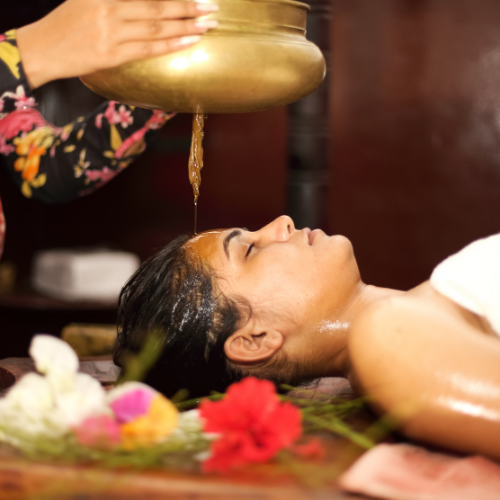
Shirodhara (Stress & Sleep Support)
What it is: Gentle, continuous oil pouring on the forehead to calm the nervous system and improve sleep/stress — factors that affect glucose control.
- Helps reduce cortisol-driven insulin resistance by improving autonomic balance and sleep quality.
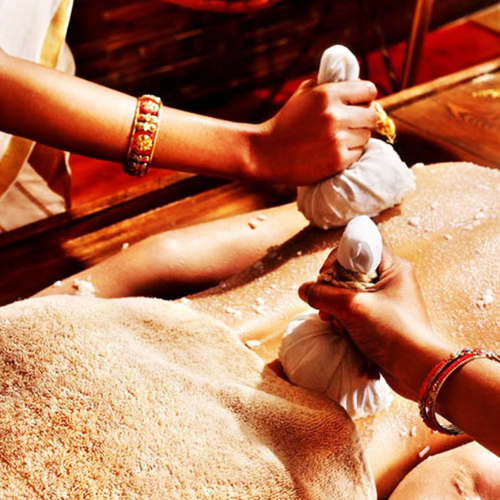
Njavara Kizhi (Rejuvenative Bolus Therapy)
What it is: Warm bolus therapy using Njavara rice cooked in herbal decoctions to nourish tissues and improve metabolic resilience.
- Used selectively for patients with weakness, slow recovery or to rebuild tissues after detoxification phases.
Herbs, Diet & Lifestyle (Core Recommendations)
All internal medicines should be prescribed and dosed by a qualified Ayurvedic physician in coordination with medical monitoring.
- Commonly used herbs (examples):
- Vijaysar (Pterocarpus marsupium): classically used in Madhumeha for glucose modulation.
- Guduchi (Tinospora cordifolia): metabolic support and immunomodulation.
- Gurmar / Gymnema sylvestre: supports reduction of sweet cravings and glycemic control.
- Fenugreek (Methi) & Bitter Melon: supportive dietary herbs that may aid glucose regulation.
- Note: Herbs can interact with glucose-lowering drugs; always coordinate with the prescribing physician.
- Dietary principles: Regular small meals, low refined carbohydrates, include whole grains, millets, legumes, plenty of non-starchy vegetables, adequate protein and healthy fats in moderation.
- Lifestyle: Daily physical activity (brisk walking, yoga), weight management, adequate sleep and stress reduction.
- Monitoring: Self-monitoring of blood glucose as advised and regular HbA1c checks to guide therapy adjustments.
Ayurvedic medicines and intensive Panchakarma must be integrated carefully with conventional diabetes therapies to avoid hypoglycaemia and electrolyte/fluid imbalances. Supervision is essential.
Sample Clinic Plans for Type 2 Diabetes (examples)
Stabilize & Educate- Confirm baseline labs and medication review with physician
- Begin dietary correction, supervised exercise plan and stress-management (Shirodhara sessions optional)
- Short course of Abhyanga & Udvartana to initiate metabolic activation
Detox & Correct (after review)- Preparatory regimen followed by Virechana (if Kapha/Medaja dominance) and a supervised Basti course
- Regular monitoring of glucose and electrolytes during Panchakarma
- Adjunct herbs prescribed with attention to drug interactions
Rehabilitation & Maintenance- Njavara Kizhi or targeted nourishing therapies if needed
- Long-term diet, exercise, herbal regimen, periodic follow-up labs
- Foot care, neuropathy screening and cardiovascular risk management
Each plan is tailored to the individual's constitution, disease stage and concurrent medical treatment. In high-risk or complicated patients, we co-manage with endocrinology/cardiology as required.
Quick Reference — Therapies & Roles
| Therapy | Primary role | When used / notes |
|---|
| Virechana | Metabolic detox; reduce Kapha/Medas | Key in Kapha-dominant Madhumeha; monitor glucose closely |
| Basti | Restore Agni & gut–metabolic balance | Cornerstone in classical management; given as a supervised course |
| Udvartana | Reduce Meda (fat) & improve lymphatic flow | Useful adjunct to diet/exercise |
| Abhyanga | Circulation, neuropathy support, relaxation | Regular supportive therapy |
| Shirodhara | Stress & sleep modulation | Adjunct to improve autonomic balance |
| Njavara Kizhi | Rejuvenation & tissue nourishment | Used in rehabilitation phase when indicated |
Seeking an integrated Ayurvedic plan for Type 2 Diabetes?
Book a consultation — we will review your labs, coordinate with your physician, and design a safe, stepwise plan to improve metabolic control and quality of life.
Book ConsultationAll procedures are performed by qualified Ayurvedic physicians. Medication changes must be done only under medical supervision.