What is Diabetes Mellitus?
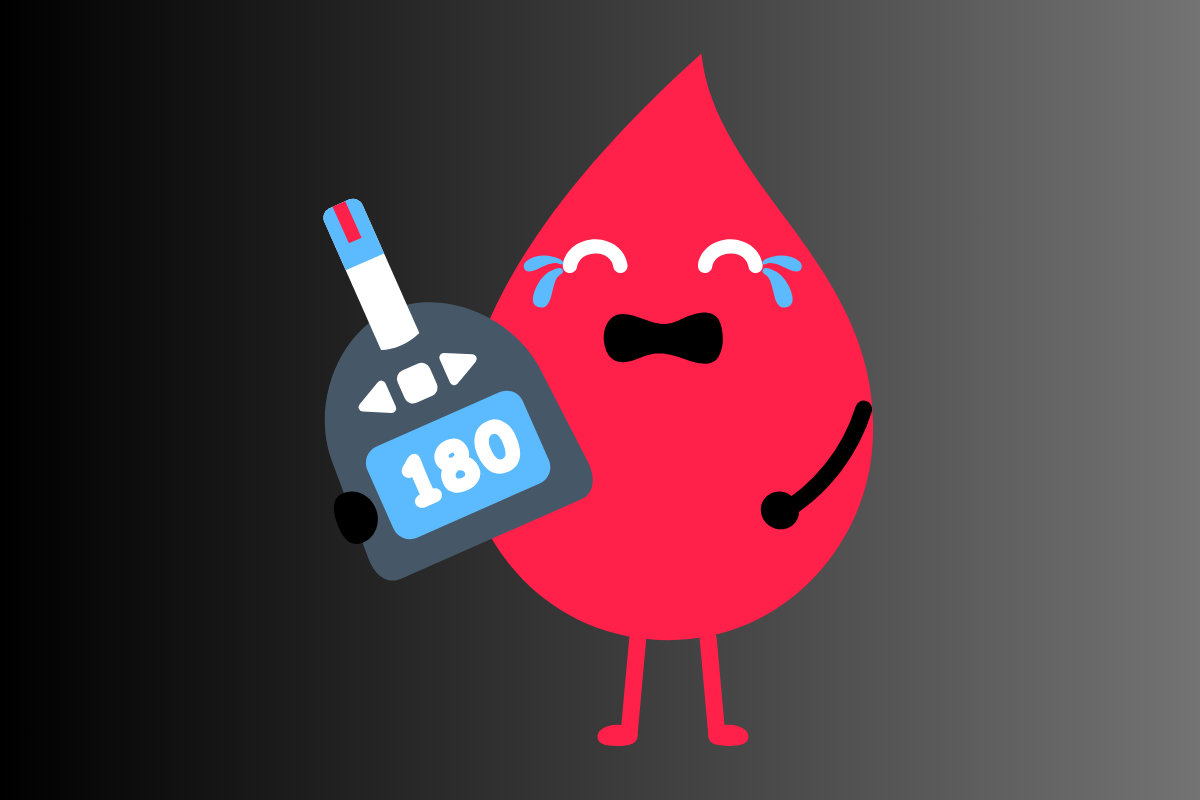
Diabetes mellitus (commonly called diabetes) is a metabolic condition characterised by raised blood glucose due to insulin deficiency, resistance, or both. Symptoms include excessive thirst, frequent urination, fatigue, slow wound healing and neuropathy. Long-term complications affect eyes, kidneys, nerves and circulation. Accurate medical diagnosis (fasting/post-prandial glucose, HbA1c) and appropriate conventional care are essential.
Common signs & investigations
- Symptoms: polydipsia, polyuria, polyphagia, unexplained weight change, fatigue, numbness/tingling in limbs, slow-healing ulcers.
- Important tests: fasting glucose, PP glucose, HbA1c, lipid profile, renal function, foot & eye checks.
- Complication screening: neuropathy, peripheral vascular disease, retinopathy, nephropathy.
Ayurvedic perspective
In Ayurveda, diabetes corresponds to Madhumeha (a subset of Prameha). It is considered a metabolic imbalance often involving Kapha and Meda (adipose tissue) with subsequent involvement of Vata in chronic stages. Treatment targets metabolic correction (Agni), proper derangement of Kapha/Medas, improving insulin sensitivity, reducing excessive urination/sweetness, and protecting tissues (dhatus).
Critical Safety Note
Do not stop or change prescribed antidiabetic medication without your physician's approval. Ayurveda can provide safe complementary support for glycemic control, weight management, neuropathy and wound care, but all interventions should be coordinated with your medical team and guided by regular glucose/HbA1c monitoring.
Ayurvedic Care Pathway (Integrated)
- Medical coordination: Baseline glycemic profile, renal function and complication screening before procedures.
- Shamana (metabolic support): Oral herbal formulations and dietary/lifestyle correction to improve Agni, reduce Kapha/Medas and support insulin sensitivity (e.g., Guduchi, Vijaysaar, bitter herbs) under a physician's guidance.
- Shodhana & selected therapies: Panchakarma procedures such as Basti (medicated enemas) and, in selected cases, Virechana for metabolic resetting — only after medical clearance and careful selection.
- Supportive external therapies: Abhyanga, Udvartana, Kati/Janu Vasti, Njavara Kizhi, Lepam and Shirodhara to improve circulation, neuropathy symptoms, tissue nutrition and stress reduction.
- Diet & lifestyle: Low glycemic, high-fiber, controlled carbohydrate intake, regular exercise, weight reduction, and habits to stabilise blood sugar.
Therapies We Use for Diabetes (Madhumeha) — with reference images
Below are clinic therapies particularly helpful in managing diabetes, improving metabolic control, reducing Kapha/Medas, easing neuropathic symptoms and aiding wound care. Each therapy includes a reference photo. All procedures require individual assessment and medical clearance.
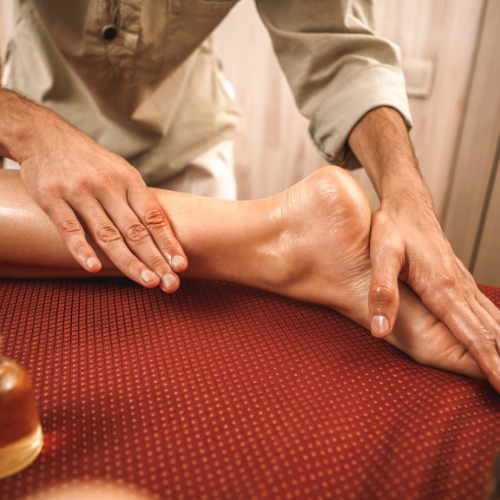
Abhyanga (Warm Oil Massage)
What it is: Full-body herbal oil massage using medicated oils chosen to reduce Kapha/Medas and nourish tissues.
- Improves circulation and lymphatic drainage, supports metabolism and reduces stiffness.
- Helps with neuropathic discomfort, improves sleep and reduces stress — gentle techniques preferred for frail patients.
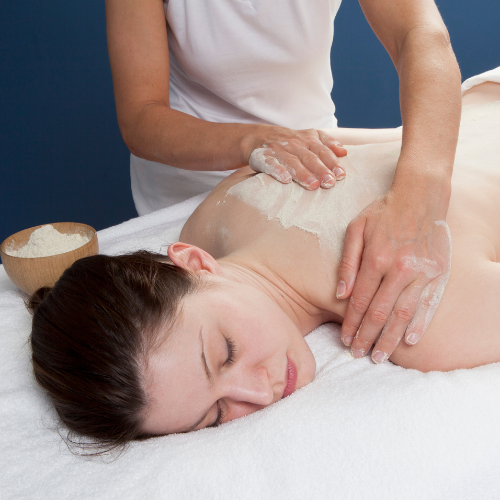
Udvartana (Herbal Powder Massage)
What it is: Stirring/firm powder massage with specific herbal powders to reduce Kapha, adipose tissue and stimulate microcirculation.
- Useful for weight reduction, improving insulin sensitivity and reducing body fat (Medas).
- Often used before detox procedures to mobilize Kapha and fatty tissue.
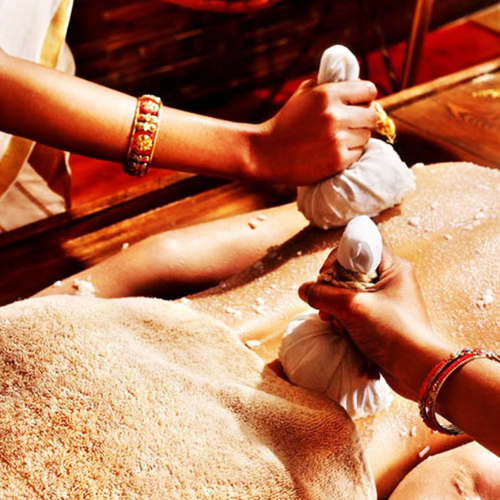
Njavara Kizhi (Rejuvenative Bolus Therapy)
What it is: Warm boluses of Njavara rice cooked in decoction applied over the body to nourish dhatus and improve strength.
- Helps rebuild tissues, supports recovery from chronic weakness and aids neuropathy rehabilitation.
- Used in rejuvenation phase after metabolic stabilization.
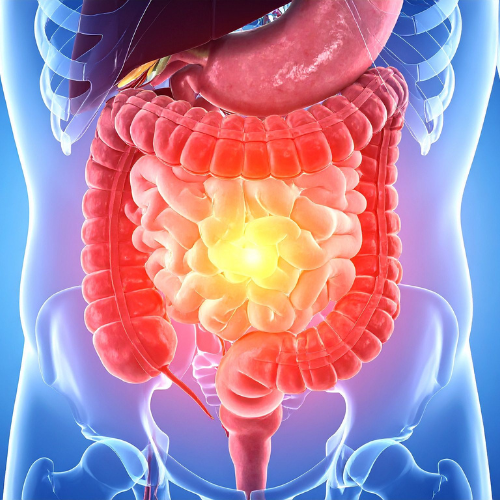
Basti (Medicated Enema) Core
What it is: Medicated oil or decoction enemas administered rectally to balance Vata and influence systemic metabolism.
- Considered a key therapy for Prameha/Madhumeha in many classical protocols — helps restore gut-liver axis, reduce Vata-related complications and improve metabolism.
- Prescribed and tailored (Anuvasana/Gutika/Decoction) after careful assessment and only when clinically appropriate.
Virechana (Therapeutic Purgation) — Selective
What it is: Supervised purgation to expel aggravated Pitta/Kapha and help reset metabolic pathways in selected cases.
- Used selectively when Kapha/Pitta predominance and metabolic toxemia are identified; requires preparatory oleation and steam and strict monitoring.
- Not appropriate for all patients — performed only after medical clearance and close monitoring of glucose and vitals.
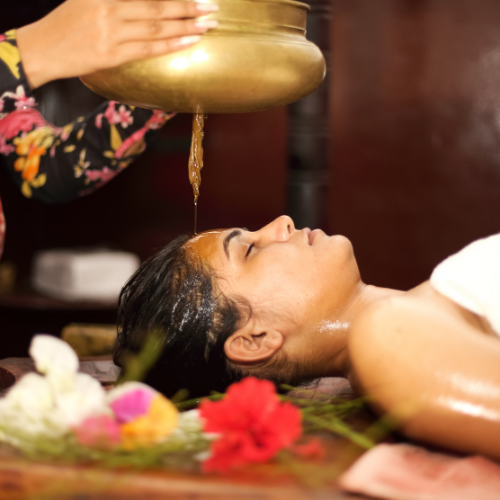
Shirodhara (Nervous System & Stress Support)
What it is: Continuous pouring of warm medicated oil on the forehead to calm the nervous system.
- Reduces stress, improves sleep and may help lower stress-related glycemic fluctuations.
- Useful adjunct for anxiety, poor sleep and autonomic symptoms in diabetic patients.
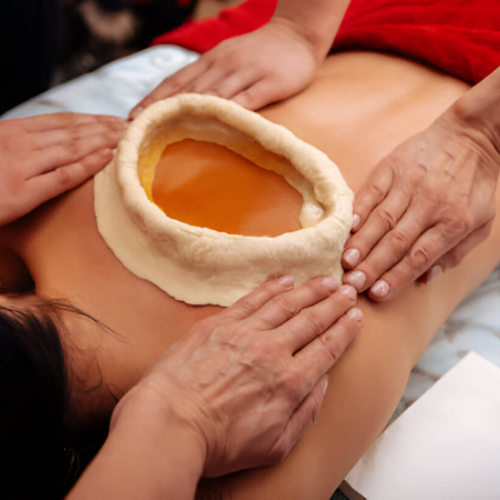
Kati Vasti (Local Oil Retention) & Janu Vasti (Knee)
What they are: Localized retention of warm medicated oil over lower back (Kati) or knee (Janu) to nourish joints and nerves.
- Helps neuropathic pain, muscle stiffness and local circulation — helpful for diabetic neuropathy and joint stiffness.
- Given as adjunct therapy focused on symptomatic relief and tissue nutrition.
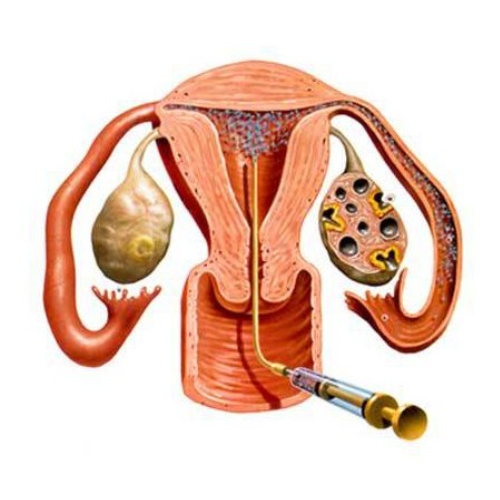
Uttara Basti (Genitourinary Medicinal Instillation)
What it is: Medicinal oil or decoction instillation into the urinary tract (male/female specific) for local support.
- May be considered for diabetic urinary complications or recurrent urinary problems — used selectively and with urological/medical coordination.
Lepam (Topical Herbal Pastes)
What it is: Application of targeted herbal pastes for ulcers, poor-healing wounds and skin problems.
- Used as part of wound care (e.g., diabetic foot ulcers) alongside proper medical wound management and infection control.
- Formulations chosen for antiseptic, wound-healing and tissue-regenerating properties; used under clinician supervision.
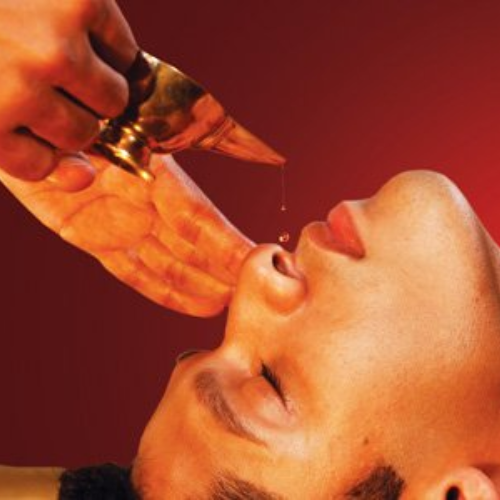
Nasyam (Nasal Therapy) — Adjunct
What it is: Therapeutic nasal instillation of mild herbal oils/powders to balance head, digestion and autonomic function.
- May help appetite regulation, taste changes and autonomic balance that indirectly supports glycemic control.
- Used selectively in stable patients with appropriate formulations.
Herbal Medicines & Nutritional Support
Oral herbs and diet are core to Ayurvedic management of diabetes. Remedies are personalised and chosen with safety and current medicines in mind.
- Guduchi (Tinospora cordifolia): Metabolic support and immune modulation — used under supervision.
- Vijaysaar (Pterocarpus marsupium): Traditionally used for glycemic support and pancreatic nourishment in classical texts.
- Neem, Bitter Melon (Karela) & Fenugreek: Commonly used bitter agents to support blood sugar regulation (clinician-guided).
- Diet: Low glycemic index foods, controlled portions, increased fiber (whole grains, legumes), avoid refined sugar and excessive carbs.
- Lifestyle: Regular exercise, weight management, sleep hygiene and stress reduction to improve insulin sensitivity.
- Monitoring: Regular blood glucose and HbA1c checks; coordinate any herbal therapy with your treating physician.
Ayurvedic herbs can interact with conventional medicines — close coordination and blood monitoring is mandatory. Wound care for diabetic foot must follow standard medical protocols alongside topical Ayurvedic measures.
Sample Clinic Plans (examples)
Glycemic Stabilization & Education- Review of medications with physician; baseline labs
- Dietary planning, walking/exercise prescription
- Mild supportive Abhyanga/Udvartana and stress management
Metabolic Reset (selected patients)- Preparatory measures → Basti protocols and selective Virechana when indicated
- Supervised herbal medicines to support pancreatic and metabolic function
- Regular glucose/HbA1c monitoring during the program
Rehabilitation & Complication Care- Njavara Kizhi, Kati/Janu Vasti for neuropathy/joint issues
- Topical Lepam and wound protocols with medical wound care for ulcers
- Long-term lifestyle & follow-up plan with periodic supportive therapies
All procedures (Basti, Virechana, Uttara Basti) require careful selection, informed consent and medical coordination. We will not perform detox procedures without clearance and glycemic stability.
Quick Reference — Therapies & Roles
| Therapy | Primary role | Notes |
|---|
| Basti | Gut-liver metabolic regulation; core for chronic Prameha | Tailored enemas after assessment |
| Abhyanga | Circulation, tissue nourishment, neuropathy support | Gentle oils; adjunctive |
| Udvartana | Reduce Kapha/Medas; aid weight & metabolic health | Good for overweight, Kapha-dominant patients |
| Njavara Kizhi | Rejuvenation & strength | Rehab phase after stabilization |
| Lepam | Wound & ulcer management (topical) | Used with medical wound care |
| Shirodhara | Stress & autonomic balance | May reduce glycemic variability from stress |
Looking for a safe, integrated Ayurvedic plan for diabetes?
Book a consultation — we review your labs, coordinate with your physician, and design a stepwise Ayurvedic plan to support metabolic health, complications prevention and rehabilitation.
Book ConsultationAll procedures are performed by qualified Ayurvedic physicians. Medical clearance and ongoing monitoring (blood glucose, HbA1c, renal function) are mandatory before therapies.