What is Hypertensive Nephropathy?
Hypertensive nephropathy (hypertensive kidney disease) is kidney injury caused by long-standing high blood pressure. It leads to progressive loss of kidney filtration, proteinuria (albuminuria), and — if uncontrolled — chronic kidney disease (CKD) and eventual kidney failure. Controlling blood pressure, reducing proteinuria and protecting kidney function are clinical priorities; Ayurveda can play a complementary role in rehabilitation, symptom relief and slowing progression when coordinated with conventional care.
Critical Safety Note
Hypertensive nephropathy is a medical condition with potentially serious outcomes. Medical diagnosis, ongoing nephrology follow-up, and guideline-directed blood-pressure control (antihypertensives, lab monitoring) are primary. Ayurvedic therapies and internal herbs may complement conventional care — but never replace indicated medical treatment. We always require baseline labs (creatinine, eGFR, electrolytes, urine albumin) and written clearance before scheduling detox or Panchakarma procedures.
Ayurvedic Perspective & Care Pathway
Ayurveda often views chronic kidney disease and hypertensive damage in terms of Vata imbalance (structural/degenerative changes), impaired Rasa-rakta and aggravated Pitta affecting microcirculation. Therapeutic focus is on:
- Stabilize blood pressure and hemodynamics (coordinated with physician).
- Support renal tissue (Grahani/Yakrit/Mutra dhatu care) with gentle nourishing and rejuvenative therapies.
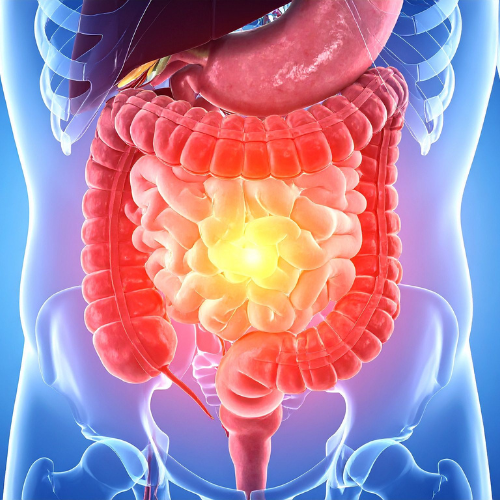
- Restore gut-kidney axis and Vata balance (Basti protocols are commonly used for Vata disorders).
- Stress & autonomic regulation (to reduce sympathetic overdrive contributing to hypertension).
Clinic strategy (integrated): medical clearance → gentle supportive sessions (massage, nervine therapies) → rehabilitative nourishing therapies (Njavara Kizhi, medicated Basti) → monitored detox (selective) only when safe → ongoing diet, herbs and lifestyle to control BP and protect kidneys.
Therapies We Use for Hypertensive Nephropathy — with reference images
Only the therapies listed below are included here because they are commonly used in Ayurvedic clinical practice to support blood-pressure control, Vata balance and renal rehabilitation. Each entry shows a clinic reference image.
Basti (Medicated Enema) Core
What it is: Therapeutic administration of medicated oil (Anuvasana) or decoction (Niruha) per rectum to correct Vata, improve gut-kidney axis and systemic regulation.
- Used in Vata-predominant degenerative kidney patterns and to improve systemic elimination and autonomic balance.
- Formulations (e.g., medicated oils with specific herbs) and course length are prescribed after clinical and lab clearance.
- Shown in clinical reports to be useful as part of integrative hypertension and CKD management (given selectively and under supervision).
Virechana (Therapeutic Purgation) — Selective Use
What it is: Supervised therapeutic purgation that removes Pitta-related toxins via the bowel and can help reduce systemic vascular inflammation in Pitta-dominant patterns.
- Considered only when clinical pattern supports Pitta removal and after medical stability and careful monitoring.
- Has been reported in Ayurveda literature to reduce blood-pressure measures when used as part of an integrated program.
Abhyanga (Warm Oil Massage)
What it is: Tailored full-body oil massage to improve circulation, reduce sympathetic tone, support lymphatics and help with blood-pressure regulation as an adjunct.
- Useful for stress reduction, improving sleep and enhancing the effect of other restorative therapies.
- Gentle strokes and lighter oils preferred in patients with advanced renal impairment; practitioner tailors pressure and frequency.
Shirodhara (Nervous System & BP Support)
What it is: Continuous warm oil (or decoction) pouring on the forehead to calm the nervous system and autonomic dysregulation that contributes to high blood pressure.
- Used as an adjunct to reduce stress, lower sympathetic overdrive and improve sleep — supportive for BP control when combined with other measures.
Njavara Kizhi (Rejuvenative Bolus Therapy)
What it is: Warm boluses of Njavara rice cooked in herbal decoction applied externally to nourish tissues and improve systemic strength and recovery.
- Used in rehabilitative phase to restore strength, reduce fatigue and support tissue regeneration after periods of illness or instability.
Kati Vasti (Lumbar Oil Retention)
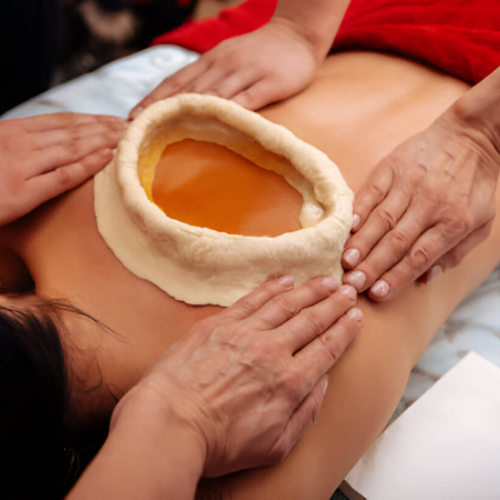
What it is: Localized oil retention on the lower back to relax paraspinal muscles, improve local circulation and reduce Vata-related low-back discomfort.
- Supportive therapy when low-back or renal colic-like discomfort occurs; considered adjunctive rather than primary for renal protection.
Kashaya Dhara (Herbal Decoction Pouring)
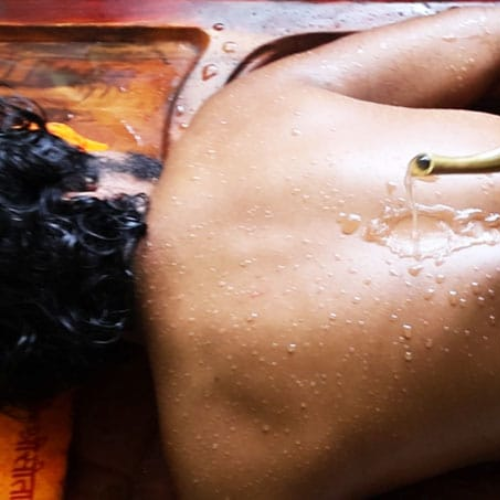
What it is: Continuous pouring of warm, doctor-selected herbal decoction over the torso or lumbar area to reduce local inflammation and support circulation.
- Used as a symptomatic supportive measure in recovery phases; formulations selected for renal safety.
Nasyam (Nasal Therapy) — Adjunct
What it is: Administration of gentle, mild medicated oils or decoctions through the nose to modify autonomic tone and relieve head/neck symptoms that may influence systemic BP.
- Given selectively to help with headaches, sleep and autonomic balance; not a primary renal therapy but supportive in integrated care.
Herbal Medicines & Nutritional Support
Internal herbal medicines are chosen for cardiovascular support, diuresis when needed, and renal safety. All internal prescriptions require clinician supervision and renal-function monitoring.
- Terminalia arjuna (Arjuna): cardioprotective and antihypertensive properties; useful for cardiovascular support under supervision.
- Punarnava (Boerhaavia diffusa): traditionally used as a mild diuretic and to reduce tissue congestion (used cautiously in renal disease with supervision).
- Gokshura (Tribulus terrestris): used in urinary and renal support formulas (prescribed carefully based on labs).
- Guduchi (Tinospora cordifolia): immune-modulatory, adaptogenic herb often used in supportive regimens.
- Diet: Low-salt, moderated protein (as advised by nephrologist), warm cooked foods — whole grains, well-cooked vegetables, moong dal, soups; avoid excess processed foods and added sodium.
- Fluid & electrolytes: individualized based on kidney function and diuretics — follow nephrology guidance.
- Lifestyle: weight control, regular mild exercise, stress reduction (yoga, pranayama), and good sleep hygiene.
All herbs and doses must be decided in coordination with the patient's nephrologist — some herbs alter electrolytes or interact with conventional antihypertensives and diuretics.
Sample Clinic Plans (examples)
Stabilization & safety (acute/high BP)- Immediate medical stabilization and BP control with cardiology/nephrology.
- Start supportive herbal regimen only after clearance.
- Gentle Abhyanga and Shirodhara for autonomic stabilization; avoid cleansing procedures until stable.
Rehabilitation & restoration (after clearance)- Course of Basti (Anuvasana/Niruha) tailored to Vata/degenerative pattern.
- Njavara Kizhi, targeted local therapies (Kati Vasti) and Kashaya Dhara for symptomatic support.
- Herbal cardiotonic (Arjuna) and nephro-supportive formulas under supervision.
Maintenance & follow-up- Periodic restorative sessions, strict dietary salt control and lifestyle program.
- Regular monitoring of BP, serum creatinine/eGFR and urine albumin as advised by nephrology.
Detox procedures (Virechana, Basti) are administered only after multidisciplinary clearance and informed consent.
Quick Reference — Therapies & Roles
| Therapy | Primary role | Notes |
|---|
| Basti | Correct Vata, gut–kidney axis support | Core rehabilitative therapy (selective) |
| Virechana | Remove Pitta-toxins, reduce vascular inflammation | Selective; only when safe |
| Shirodhara | Reduce stress, lower sympathetic tone | Adjunct to help BP regulation |
| Abhyanga | Circulation, relaxation | Supportive; gentle technique |
| Njavara Kizhi | Rejuvenation & strength | Rehab phase therapy |
Need a safe, integrated plan for hypertensive kidney care?
Book a consultation — we will review your labs, coordinate with your nephrologist, and design a monitored Ayurvedic plan to support kidney protection and blood-pressure control.
Book ConsultationQualified Ayurvedic physicians work in coordination with medical teams. Renal labs and clinician clearance are mandatory before procedures.