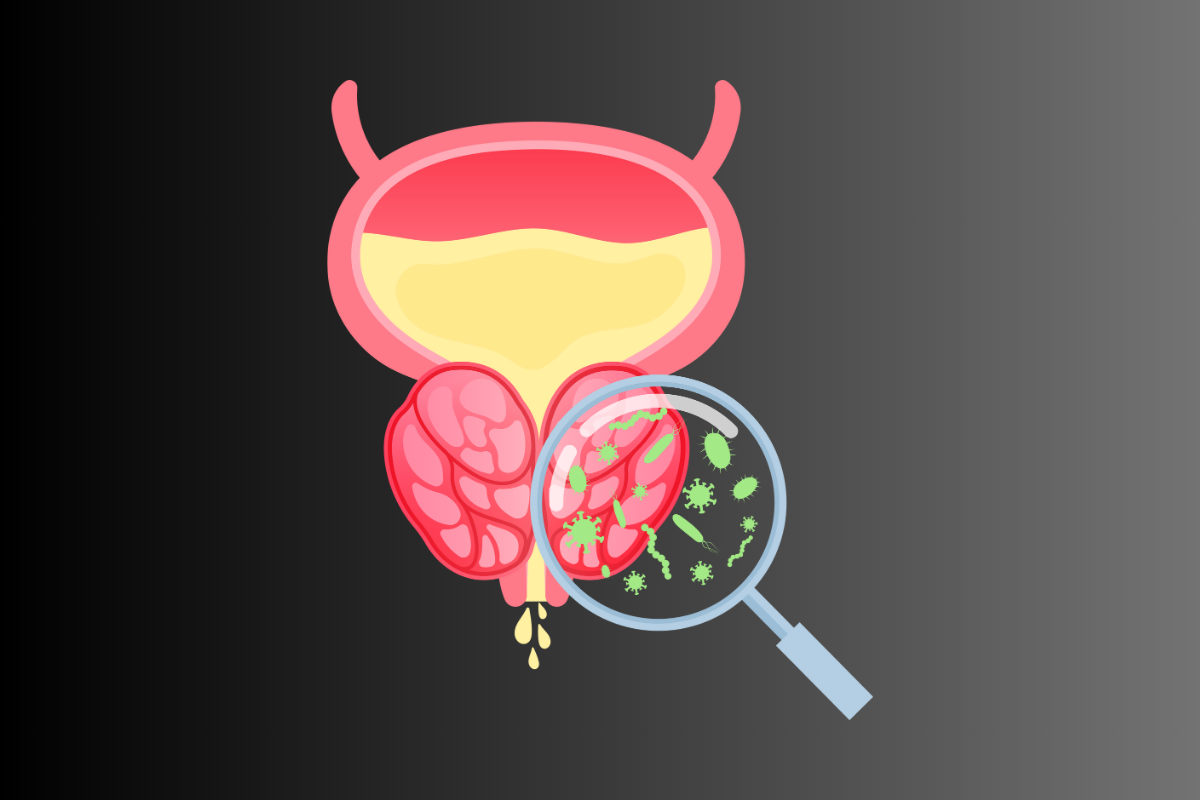
What are common prostate problems?
Prostate problems include prostatitis (infection/inflammation), benign prostatic hyperplasia (BPH — enlarged prostate causing urinary symptoms) and, rarely, prostate malignancy. Typical symptoms: urinary frequency, nocturia, poor stream, urgency, pelvic/perineal pain, sexual dysfunction. Accurate medical evaluation (urine tests, PSA, ultrasound, specialist review) is essential to rule out infection, obstruction or malignancy.
Signs & investigations
- Symptoms: dysuria, frequency, weak stream, sensation of incomplete emptying, perineal pain, sexual issues.
- Investigations: urine analysis & culture, serum PSA (when indicated), digital rectal exam, transrectal ultrasound/uroflow studies, and urology referral for persistent/worrisome findings.
- Infections and urinary obstruction must be ruled out and treated medically before procedural Ayurvedic interventions.
Ayurvedic perspective
Ayurveda views prostate/urinary complaints under Vataja and Mutraghata patterns, with involvement of Vata (voiding problems, pain) and sometimes Kapha/Pitta (congestion, inflammation). Treatment aims to correct the underlying dosha imbalance, remove local stagnation, reduce inflammation, restore urinary flow and nourish reproductive tissues (Shukra).
Critical Safety Note
If you have fever, severe pain, blood in urine, sudden urinary retention, or suspected malignancy — seek immediate medical/urological care. Ayurvedic therapies in our clinic are complementary and are performed only after medical assessment, appropriate tests, and when infection/obstruction have been addressed. We coordinate care with medical teams.
Ayurvedic Care Pathway (Integrated)
- Medical evaluation & coordination: Rule out acute infection, obstruction or cancer; obtain urine culture, PSA and imaging as needed.
- Local therapies: Procedures that act locally on lower abdomen, pelvis and sacral region (Uttara Basti, Kati Vasti, Prishtha Vasti) to relieve stagnation, reduce inflammation and improve pelvic circulation.
- Systemic support: Basti (medicated enemas) to correct Vata; Njavara Kizhi / Abhyanga and Lepams for nourishment and local anti-inflammatory effect.
- Adjunct care: Shirodhara for stress/sleep, oil baths and diet/lifestyle modifications to reduce aggravating factors.
- Herbal medicines: Evidence-informed hepatourogenital tonics and anti-inflammatory herbs prescribed after assessment (e.g., Gokshura, Punarnava, Varuna) — only under clinician supervision.
Therapies We Use for Prostate — with reference images
Below are clinic therapies particularly useful for supporting prostate health, reducing pelvic congestion/inflammation, improving urinary flow and rebuilding pelvic function. Images are for reference. Each therapy is individualized and requires prior medical clearance.
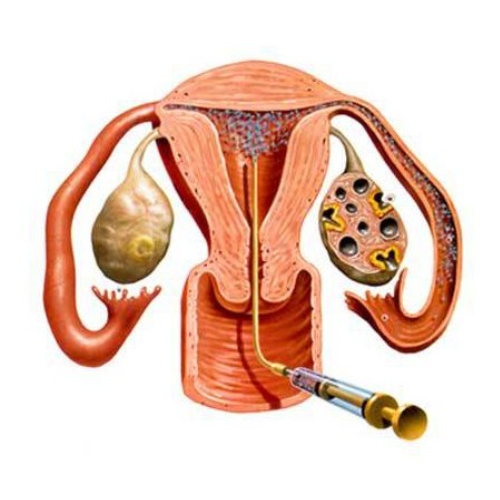
Uttara Basti Key
What it is: Medicated oil or decoction retained in the urinary tract (via urethra) — a specialized internal local therapy for lower urinary & reproductive organs.
- Direct local action on prostate, bladder neck and urethra — reduces inflammation, soothes mucosa and helps clear local stagnation.
- Given only after strict medical screening and under experienced Ayurvedic physicians in a sterile setting.
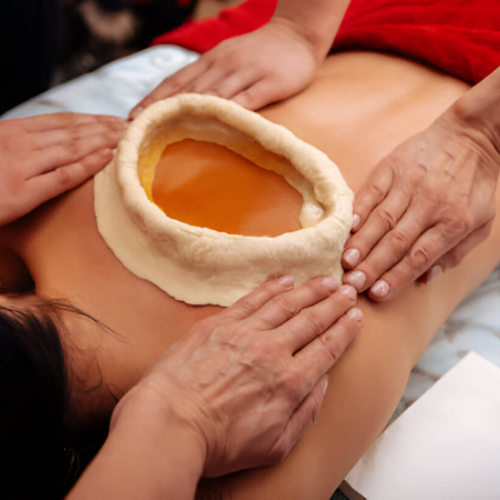
Kati Vasti (Pelvic / Low-back Oil Retention)
What it is: Warm medicated oil retained over the lower back / sacral region using a dough dam.
- Relieves pelvic and perineal pain, improves local circulation and calms Vata in the pelvic nerves that influence urinary flow.
- Often used in combination with Uttara Basti or Basti for synergistic effect.
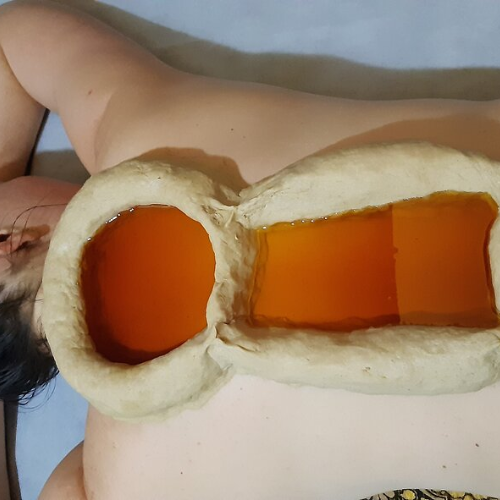
Prishtha Vasti (Sacral Oil Retention)
What it is: Similar to Kati Vasti but focused on the sacral region and lower pelvis to target pelvic nerve roots and local congestion.
- Helps with chronic pelvic pain, perineal discomfort and neuralgia that accompanies prostatitis/BPH.
- Used as a course of several sessions depending on response.
Basti (Medicated Enema)
What it is: Medicated oil or decoction administered rectally to pacify Vata and restore pelvic-gut axis.
- Powerful modality for correcting Vata-driven urinary dysfunction, improving pelvic nerve function and reducing referred pain.
- Selected and dosed carefully; part of a broader protocol (may follow Abhyanga, Svedana where indicated).
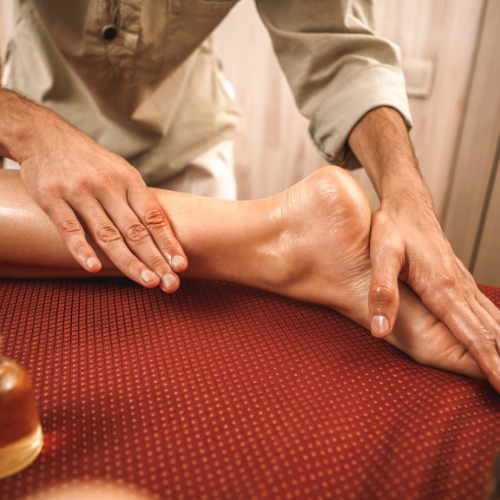
Abhyanga (Warm Oil Massage)
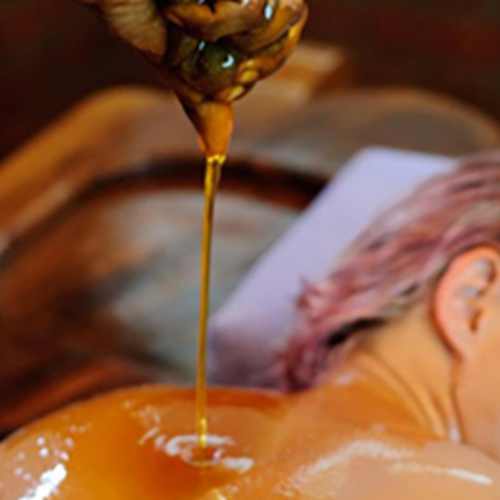
What it is: Gentle full-body herbal oil massage tailored to calm Vata and nourish tissues.
- Improves circulation, relaxes pelvic musculature and supports nervous system balance; prepares body for deeper procedures.
- Techniques focus on lower abdomen, sacrum and inner thighs when indicated (very gentle in acute inflammation).
Njavara Kizhi (Rejuvenative Bolus Therapy)
What it is: Warm Njavara rice boluses in herbal decoction applied over the pelvis and lower back to nourish tissues.
- Useful in convalescence and chronic conditions to rebuild pelvic tissue strength, reduce muscle spasm and improve local metabolism.
- Often applied as part of a rehabilitative phase after acute inflammation resolves.
Lepam (Topical Herbal Paste)
What it is: Cooling or anti-inflammatory herbal pastes applied over the lower abdomen/perineum.
- Helps reduce local inflammation, soothes tender areas and provides symptomatic relief of burning or pelvic discomfort.
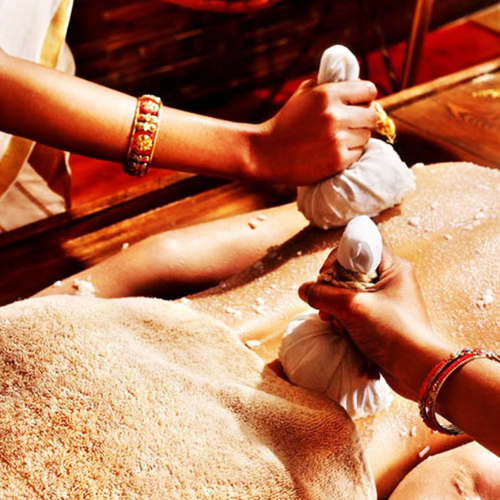
 Patra Potli
Churn Potli
Patra Potli
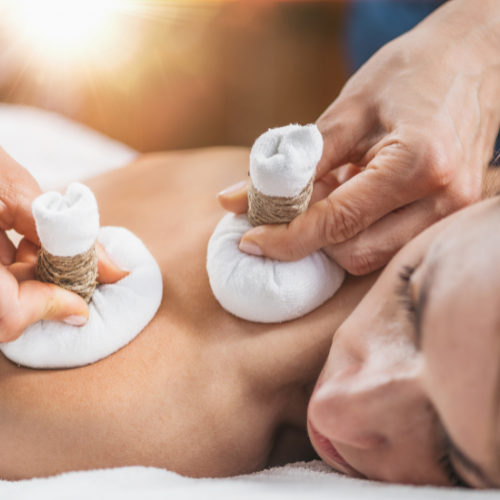
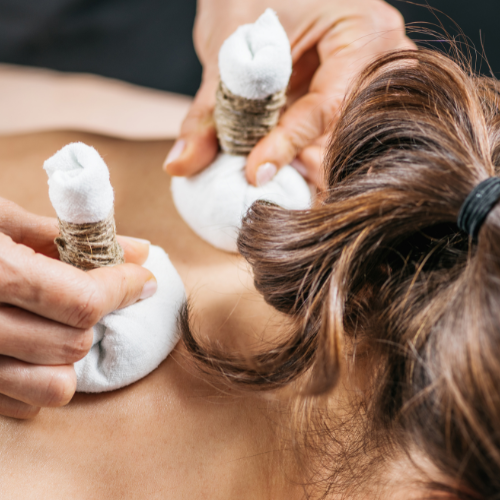
Churn Potli Patra Potli / Churn Potli (Herbal Fomentation)
What it is: Warm herbal poultices applied to the lower abdomen/perineum to relieve congestion and pain.
- Local heat and medicinal phytochemicals improve circulation and reduce pelvic stiffness and pain.
- Used as adjuncts during acute symptomatic relief and rehabilitation.
Oil Bath & Shirodhara (Adjunct Support)
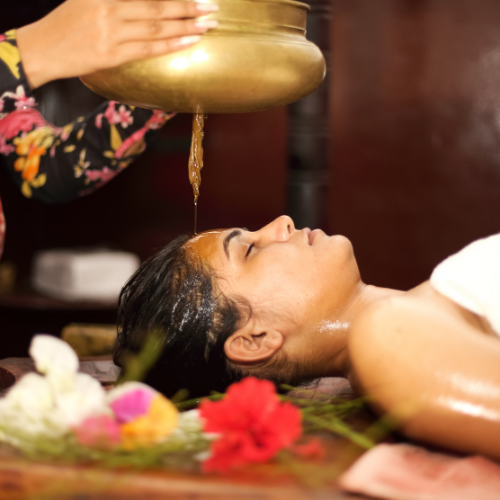
What they do: Oil baths (sitz-like warm oil immersion) and Shirodhara reduce stress, improve sleep and support autonomic balance which indirectly benefits pelvic function.
- Supportive therapies used during recovery to reduce sympathetic overactivity and improve healing.
Herbal Medicines & Nutritional Support
Herbs and formulations are selected for urinary tract safety and evidence-informed benefit. Internal medicines are prescribed after clinical assessment and tests.
- Gokshura (Tribulus terrestris): Traditionally used for urinary flow and strengthening urinary tissues (clinician-guided).
- Varuna (Crataeva nurvala): Used for urinary disorders and to support bladder function.
- Punarnava (Boerhaavia diffusa): Anti-inflammatory, decongestant effects for urogenital system.
- Diet: Warm, light, easily digestible meals; avoid excess caffeine, alcohol, spicy/irritating foods; emphasize hydration and bladder-friendly fluids.
- Lifestyle: Avoid prolonged sitting, practice pelvic floor relaxation and timed voiding; gentle pelvic physiotherapy may complement care.
Active infection, urinary retention or suspected malignancy must be treated with conventional medicine first. Ayurvedic treatments are adjunctive and coordinated with your physician.
Sample Clinic Plans (examples)
Acute infectious prostatitis (initial)- Immediate medical/urology care, antibiotics if indicated
- Pain control, hydration, temporary avoidance of invasive Ayurvedic procedures
- Supportive gentle Abhyanga and local Lepams once infection controlled
Subacute / chronic prostatitis or BPH (after clearance)- Course of Kati/Prishtha Vasti + Uttara Basti (selected), Basti for Vata correction
- Adjunct Njavara Kizhi and Abhyanga for nourishment; Patra/Churn Potli for symptomatic relief
- Herbal internal medicines (Gokshura/Varuna/Punarnava) and dietary rehab
Rehab & maintenance- Periodic supportive sessions (Abhyanga, oil baths), pelvic floor exercises
- Ongoing herbal support and lifestyle counseling
- Regular medical follow-up (urine tests, PSA as advised)
All internal and procedural therapies require informed consent and baseline tests. Therapies like Uttara Basti and Basti are performed only by trained clinicians in controlled settings.
Quick Reference — Therapies & Roles
| Therapy | Primary role | Notes |
|---|
| Uttara Basti | Direct local therapy for prostate/bladder | Specialized; requires sterile technique & clearance |
| Kati / Prishtha Vasti | Relieve pelvic congestion & nerve irritation | Targets lower back/sacral region |
| Basti | Correct Vata, restore pelvic-gut axis | Systemic Vata management |
| Abhyanga | Supportive nourishment & relaxation | Prepares for deeper procedures |
| Njavara Kizhi | Rejuvenation & tissue rebuilding | Used in rehabilitation |
| Lepam / Potli | Local anti-inflammatory & symptomatic relief | Useful for pain and congestion |
Need a safe Ayurvedic plan for prostate health?
Book a consultation — we’ll review your medical tests, coordinate with your doctor, and design a stepwise, monitored Ayurvedic plan tailored to your condition.
Book ConsultationProcedures such as Uttara Basti and Basti are performed only after medical clearance and under qualified supervision.