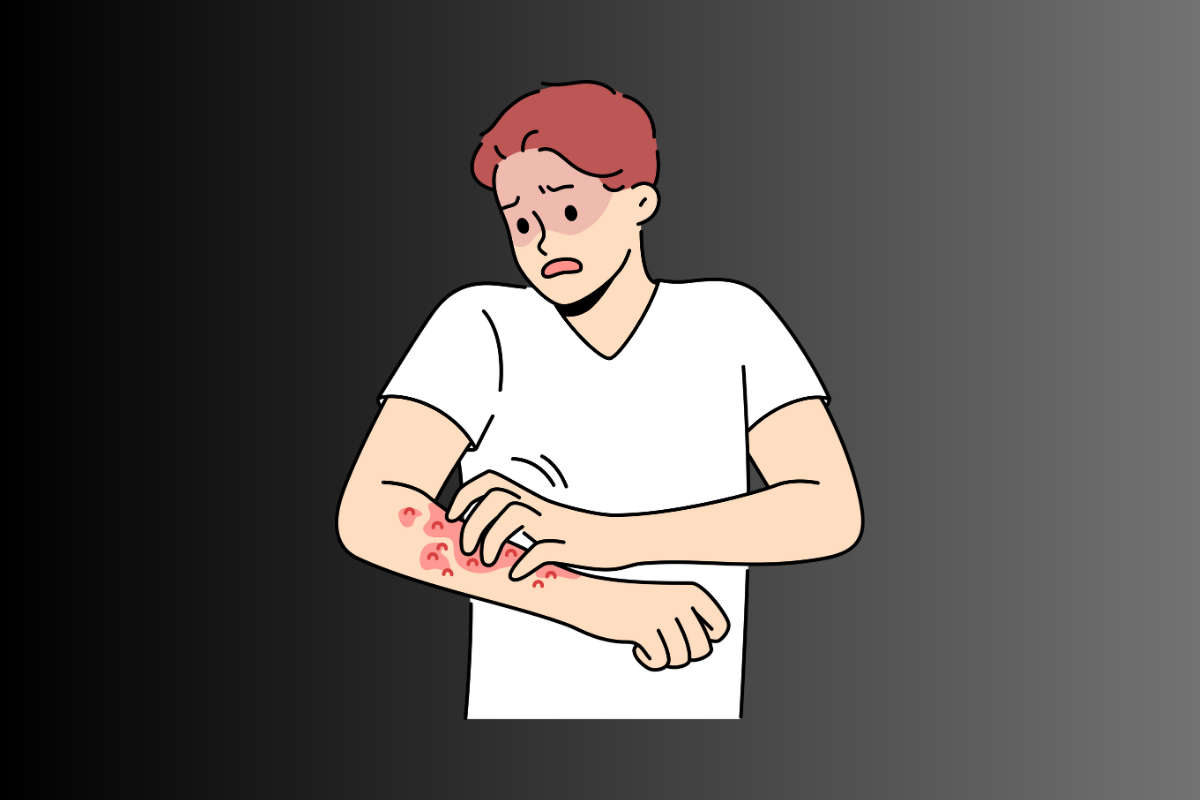
What is Scabies?

Scabies is contagious and can cause skin infection. Always consult a qualified physician/dermatologist for diagnosis and first-line scabicidal treatment (for example permethrin or ivermectin when prescribed). Ayurvedic therapies below are intended as complementary skin-healing and anti-parasitic support — they do not replace urgent medical scabicide in active infestations. Households and close contacts must be evaluated and treated per medical advice.

Ayurvedic Strategy (focused)

  • Confirm & treat medically first: ensure the mite is eradicated with appropriate scabicide under clinician guidance.
  • Topical Ayurvedic therapies: herbal lepas (lepam), medicated poultices (patra/churna potli), antiseptic oil baths and therapeutic oil massage to soothe skin, reduce itching and assist healing.
  • Skin cleansing & hygiene: medicated baths and hot water laundering of clothes/linens to prevent reinfestation.
  • Oral herbs & immunity: internal herbs that are safe for the liver and supportive of skin health (e.g., Neem, Manjistha, Guduchi) under clinician prescription.
  • Follow-up: repeat assessment to confirm mite clearance, treat secondary infection if present, and rehabilitate skin.

Clinic Therapies Useful for Scabies — with reference images

Below are topical and supportive therapies commonly used in Ayurvedic clinics to help relieve symptoms of scabies, promote skin healing and reduce secondary infection risk. Images are for reference.

Lepam herbal paste therapy

Lepam (Medicated Herbal Paste) Topical

What it is: Cooling/antiseptic herbal pastes (e.g., Neem, Manjistha, Turmeric based) applied to affected areas.

  • Direct antipruritic and antimicrobial effects when made from bitter and astringent herbs (Neem, Manjistha, Haridra).
  • Soothes itching, reduces inflammation and promotes healing of burrows and excoriations.
  • Applied for a defined period and washed off; not used on extensively weeping/infected skin without clinician review.
Patra Potli herbal leaf poultice

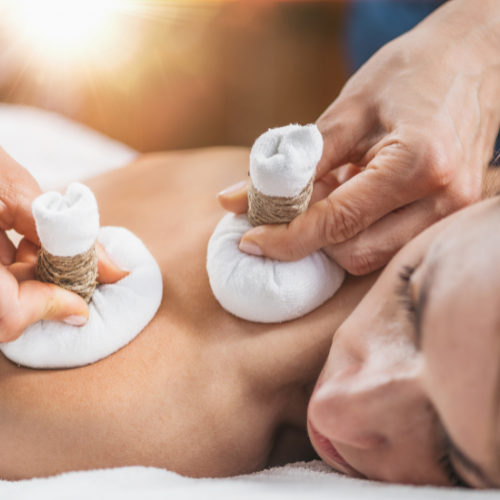
Patra Potli (Herbal Leaf Poultice)

What it is: Warm poultice of crushed medicinal leaves (for example Neem/Indian lilac leaves or other antipruritic leaves) applied locally.

  • Provides cooling, topical antiseptic and anti-parasitic action; relieves intense localized itching.
  • Used short-term; helpful on small patches or stubborn pruritic nodules.
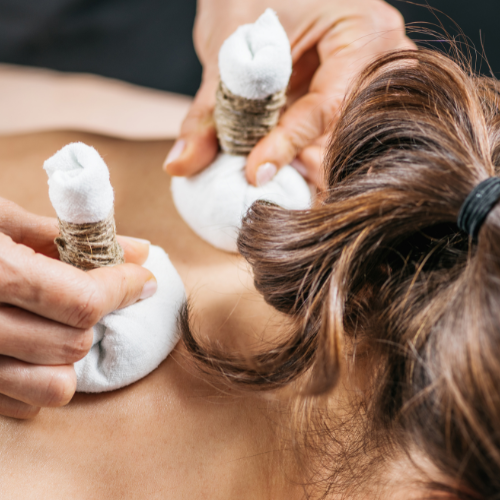
Churn potli herbal powder poultice

Churn Potli (Powder Poultice)

What it is: Heated herbal powders in a cloth poultice applied over scabietic lesions.

  • Drying, mildly exfoliating and soothing; useful when crusts and scaly lesions are present.
  • Combined with antiseptic herbs to reduce secondary bacterial colonization.
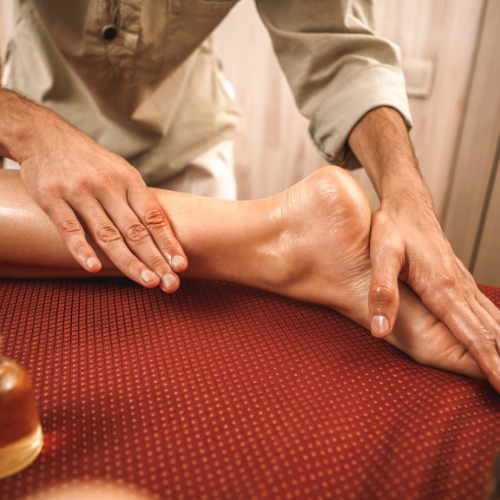
Abhyanga warm oil massage

Abhyanga (Therapeutic Oil Application)

What it is: Gentle local or full-body application of antiseptic oils (Neem oil mixes, Karanja oil) rather than heavy sesame when skin is inflamed.

  • Lubricates skin, reduces itch intensity, and helps carry herbal actives into superficial layers.
  • Used carefully: oily applications should be chosen to avoid worsening infection — clinician decides suitability.
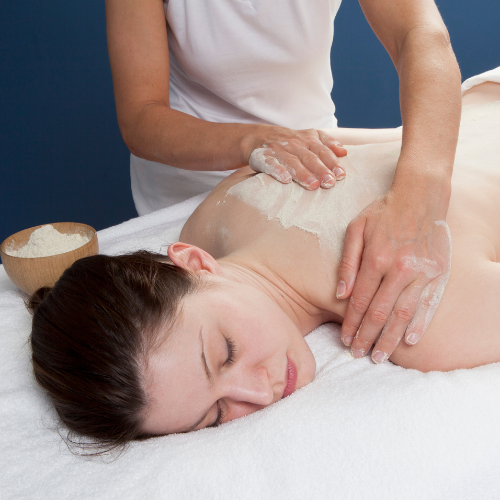
Udvartana powder massage

Udvartana (Powder Massage) — Selective

What it is: Mild dry powder massage using antiseptic herbal powders to exfoliate and improve skin turnover.

  • Used in recovery to remove crusts, help healing and improve local circulation.
  • Not used over open, infected wounds; avoid if skin is actively weeping or infected.
Herbal oil bath

Medicated Oil Bath / Sitz Baths

What it is: Short warm baths or local washes with diluted decoctions or medicated oils (Neem decoction, Triphala wash) for antiseptic cleansing.

  • Helps cleanse skin, reduce mite survival on skin surface and soothe inflamed areas.
  • Recommended alongside medical scabicide and under clinician guidance for frequency/strength.

Herbs, Topical Formulations & Hygiene

Topical & clinic formulations

  • Neem (Nimba): Antiparasitic and antiseptic — used in oils, lepas and washes.
  • Manjistha: Astringent, helps resolve stains/crusts and promotes healing.
  • Haridra (Turmeric): Antimicrobial and anti-inflammatory in lepas or washes.
  • Triphala wash: Gentle antiseptic wash for cleansing skin and clothes.

Essential hygiene measures

  • All close contacts and household members should be evaluated and treated per medical advice.
  • Wash linens, towels and clothing in hot water (≥60°C) and dry in sunlight; items that cannot be washed should be sealed in plastic for 72 hours.
  • Avoid close physical contact until prescribed scabicide course is complete and clinician confirms clearance.
  • Avoid scratching; treat secondary infection promptly if signs (increasing redness, pus, fever) appear.

Topical Ayurvedic medicines must be prepared and applied by trained practitioners — inappropriate formulations or prolonged oily applications can worsen infection or delay mite eradication.

Sample Clinic Plan (with medical coordination)

Immediate (Day 0–3)
  • Confirm diagnosis with dermatologist; begin prescribed scabicidal regimen.
  • Short medicated neem/triphala wash twice daily to soothe skin.
  • Advise household precautions and linen handling.
Early support (Day 4–14)
  • Topical Lepam sessions (clinic-applied) 2–4 times during week as indicated.
  • Gentle oil applications (neem-based) or short medicated baths for symptom relief.
  • Oral supportive herbs (Neem/Guduchi/Manjistha) only under clinician supervision.
Follow-up & rehabilitation (2–6 weeks)
  • Udvartana or churn-potli treatments to resolve scaling and aid skin regeneration.
  • Topical healing lepas until lesions fully resolve.
  • Address post-scabies nodules, pigmentation and itching with targeted therapies.

Frequency and selection of therapies are individualized — avoid aggressive treatments on acutely infected or extensively excoriated skin.

Quick Reference — Therapies & Roles

TherapyPrimary roleWhen to avoid
LepamTopical antipruritic, healingDo not apply to heavily weeping/infected wounds without review
Patra PotliLocal cooling antiseptic poulticeOpen/bleeding lesions
Churn PotliDrying/exfoliating poultice for crustsActive oozing or severe excoriation
Abhyanga (medicated oil)Soothe itching, nourish skinAvoid heavy oils on infected or oozing skin
UdvartanaExfoliation & skin regenerationNot for open sores
Medicated bathsCleansing, reduces mite survival on surfaceSevere dermatitis until stabilized

Need a safe, integrated plan to treat scabies?

Book a consultation — we will coordinate with your dermatologist, confirm mite eradication, and design a stepwise Ayurvedic plan to soothe skin and support healing.

Book Consultation

Important: Medical scabicidal treatment and household measures are mandatory first steps. Ayurveda complements recovery and skin rehabilitation only after or alongside medical clearance.