What is Eczema (Atopic Dermatitis)?
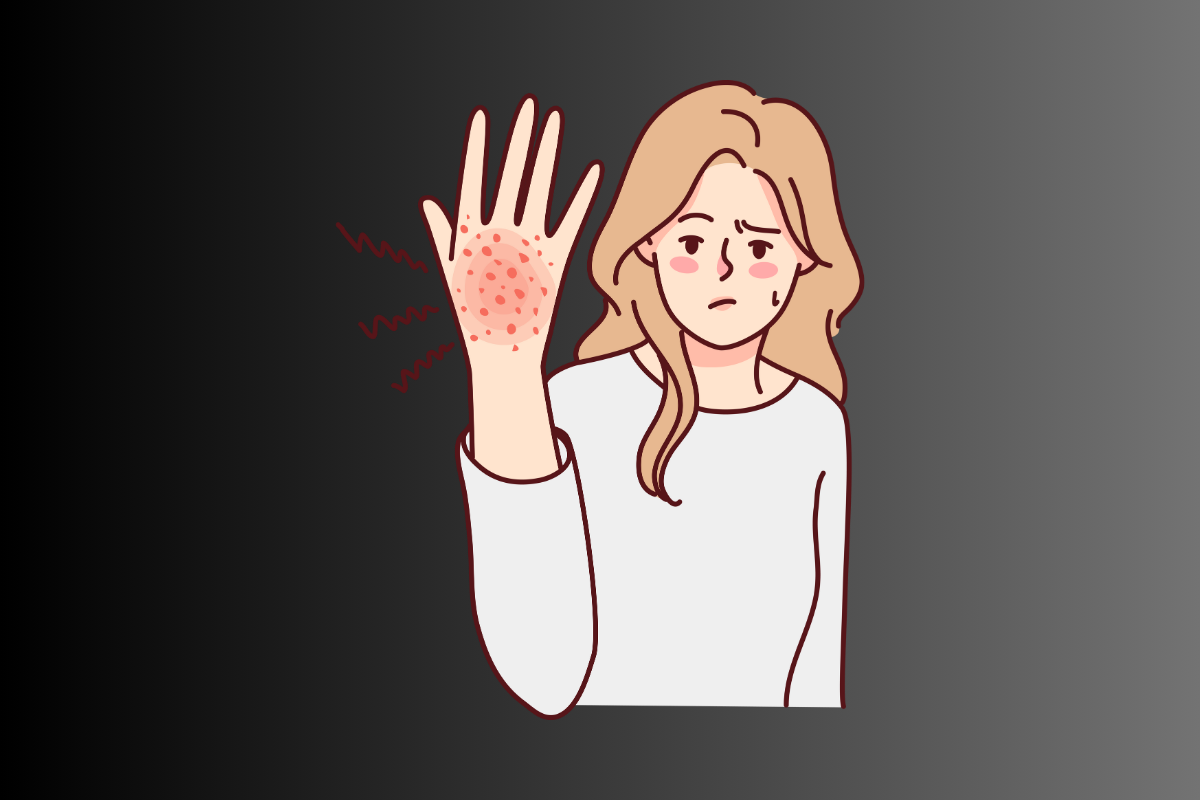
Eczema (commonly atopic dermatitis) is a chronic inflammatory skin condition characterized by dryness, intense itching, red/scaly patches, and recurrent flares. Triggers include genetics, allergens, irritants, stress, gut dysbiosis and immune imbalance. Conventional dermatology may use emollients, topical corticosteroids, immunomodulators or biologics for severe cases. Ayurveda treats eczema under Kustha / skin disorders — often with Pitta and Kapha involvement and secondary dryness from Vata.
Common symptoms & triggers
- Dry, itchy skin; redness; oozing/crusting in acute flares; lichenification (thickened skin) in chronic cases.
- Triggers: food allergens (milk, nuts), dust mites, harsh soaps, heat/sweat, stress and some medications.
- Complications: secondary bacterial/fungal infection from scratching; sleep disturbance from itching.
Ayurvedic perspective
In Ayurveda, eczema falls under Kushtha. Most common patterns are Pittaja Kushtha (inflammatory, red, hot, oozing) and Shushka/Vata-Kushtha (dry, cracked, itchy), with Kapha patterns causing weeping and thickening. Treatment aims to pacify doshas involved, remove toxins (Ama), restore skin nourishment (Rasdhatu/twak), and rebalance digestion and immunity (Agni & Ojas).
Important safety note
If eczema is severe, rapidly spreading, or has signs of infection (fever, increasing pain, pus), seek urgent medical care. Ayurvedic therapies can complement dermatological care for symptom control, reducing flares and long-term skin health — but do not replace indicated medical treatments. We co-manage with dermatologists and require evaluation before initiating in-clinic detox procedures.
Ayurvedic care pathway (skin-focused)
- Assessment: Identify dosha predominance (Pitta/Kapha/Vata), allergy history, skin infections and tests if needed.
- Topical & external therapies: Medicated oils, paste (lepam), poultices, and therapeutic baths to reduce inflammation and heal the barrier.
- Supportive internal medicines: Herbs that are blood-purifying and cool Pitta / reduce Kapha & inflammation (e.g., Neem, Manjistha, Haridra) under clinician supervision.
- Detox (selective): When indicated, mild shodhana such as Virechana may be used for chronic, Pitta-dominated, treatment-resistant cases — only after stabilization and clearance.
- Lifestyle & diet: Remove triggers, follow skin-friendly diet, sleep hygiene and stress reduction to reduce flares.
In-clinic therapies helpful for Eczema — with reference images
Below are clinic therapies commonly used to calm inflammation, remove surface toxins, nourish skin and reduce itching. Each card includes a reference photo. Therapies are selected and customized per patient after clinical assessment.
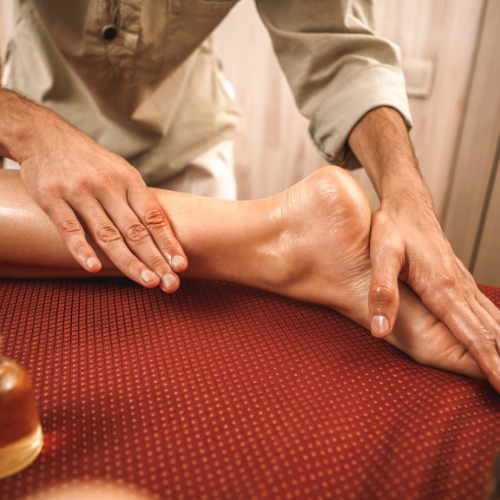
Abhyanga (Herbal Oil Massage)
What it is: Gentle full-body massage with medicated oils chosen for cooling and skin-nourishing properties.
- Soothes itching, reduces inflammation and improves skin hydration and circulation.
- Oils are selected to be non-comedogenic and cooling (e.g., coconut-based blends, neem or bhringraj preparations) for Pitta/Kapha skin types.
- Often used regularly during the treatment course to rebuild skin barrier and reduce relapse frequency.
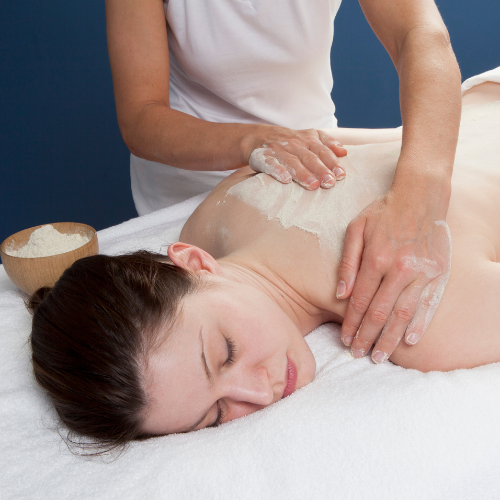
Udvartana (Herbal Powder Massage)
What it is: Dry powder massage using cooling, absorbent herbal powders and grain flours.
- Helps remove excess oil, mild crusts and superficial toxins; can reduce itching and scaling.
- Useful in Kapha-type and mixed presentations where oozing or thickening is present (performed gently on sensitive skin).
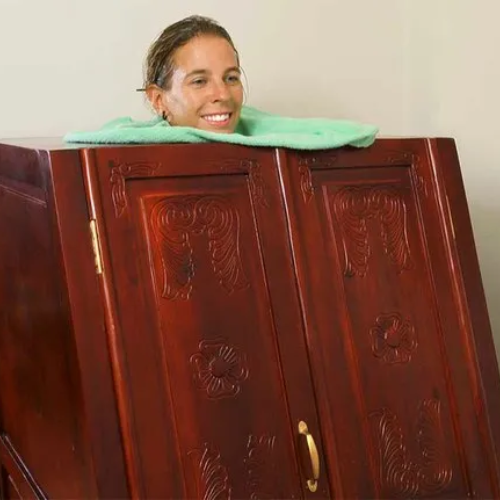
Swedan / Nadi Swedan (Steam Therapy)
What it is: Local or gentle whole-body steam to open pores and prepare skin for topical treatment.
- Helps soften crusts, enables better penetration of medicated oils or lepams.
- Nadi Swedan (targeted steam) can focus on affected areas — use cautiously if skin is very inflamed or has open wounds.
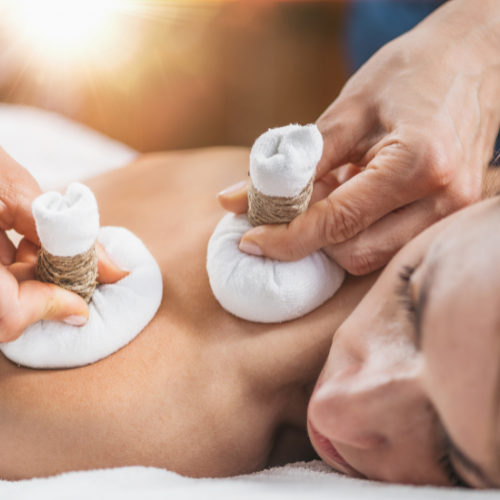
Patra Potli / Churn Potli (Herbal Poultices)
What it is: Warm poultices (potli) filled with topical herbs/leaves or powdered herbs applied to lesions.
- Delivers cooling, antiseptic and anti-inflammatory herbs directly to lesions — useful for oozing, weeping or painful patches.
- Poultice contents (e.g., neem, aloe, turmeric blends) are chosen to avoid irritation and promote healing.
Lepam (Topical Medicinal Pastes)
What it is: Topical pastes made from powdered herbs and cooling liquids applied to affected skin.
- Forms a protective, medicated layer — reduces itching, disinfects and promotes repair.
- Pastes are made fresh, patch-tested for sensitivity and removed after a prescribed duration.
Oil Bath (Therapeutic Oil Immersion)
What it is: Warm medicated oil baths or oil applications followed by a gentle cleanse.
- Deeply hydrates dry, cracked skin and restores lipid barrier; oils are selected for non-occlusive, cooling properties.
- Followed by mild herbal cleansers to avoid soap irritation.
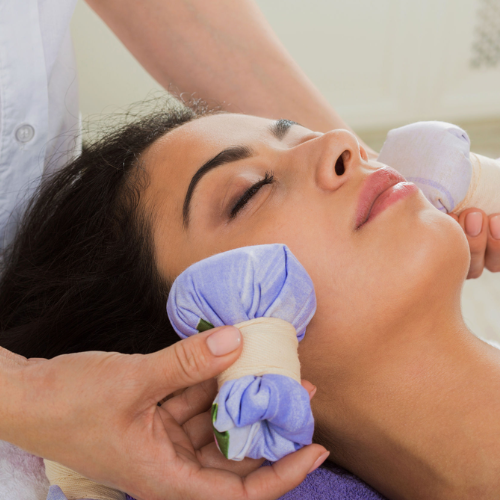
Navara Facial (Gentle Facial Rejuvenation)
What it is: Specialized mild facial therapy using Navara rice boluses or gentle medicated pastes for facial eczema.
- Soothes face skin, reduces erythema and supports barrier restoration in sensitive facial eczema.
- Always patch-tested; used with hypoallergenic, clinician-selected preparations.
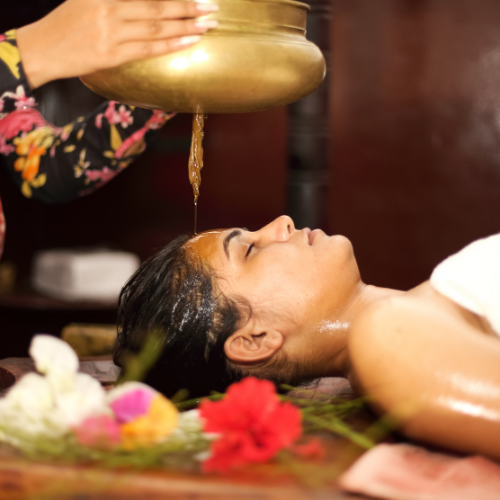
Shirodhara (Stress & Sleep Support)
What it is: Continuous pouring of warm oil on the forehead to calm nervous system.
- Reduces stress-driven flares and improves sleep — important because stress commonly worsens eczema.
- Used as an adjunct during the recovery phase to support overall healing.
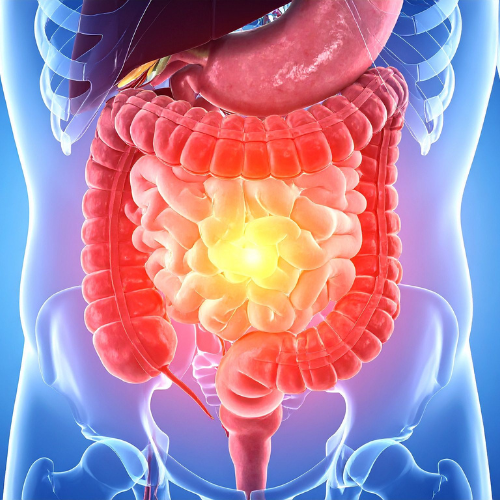
Virechana (Therapeutic Purgation) — Selective
What it is: Controlled purgation to remove Pitta-related toxins systemically.
- Considered in chronic, Pitta-predominant, treatment-resistant skin disorders after evaluation and stabilization.
- Requires preparatory oleation, steam and full medical clearance; performed under close monitoring.
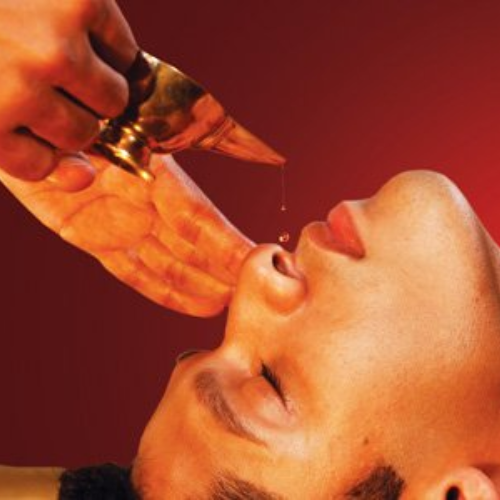
Nasyam (Nasal Therapy) — Adjunct
What it is: Administration of gentle medicated nasal drops or oils to balance head and autonomic functions.
- May help reduce itching perception, headaches and improve appetite/sleep — applied only when appropriate and with liver/skin-safe formulations.
Herbal medicines & nutritional guidance
Internal medicines are individualized. Below are commonly used, evidence-informed Ayurvedic herbs selected carefully for skin safety and anti-inflammatory effect — always under clinician guidance.
- Neem (Azadirachta indica): Antimicrobial and blood-purifying; useful topically and internally in selected formulations.
- Manjistha (Rubia cordifolia): Traditionally used as a blood purifier and for skin disorders; supports detoxification pathways.
- Haridra / Turmeric (Curcuma longa): Anti-inflammatory and wound-healing; used in low doses or topical preparations after patch testing.
- Guduchi (Tinospora cordifolia): Immunomodulatory and cooling — used when immune imbalance contributes to flares.
- Diet: Prefer cooling, simple foods — rice, steamed vegetables, moong dal, buttermilk (if tolerated); avoid known allergens (milk, nuts, shellfish) if they trigger you.
- Avoid: Excessive spicy/acidic foods, alcohol, processed foods and harsh topical cosmetics that strip skin oils.
- Skin care: Use gentle, pH-balanced cleansers; liberal emollients immediately after bathing; avoid hot water and rough scrubs.
If on systemic dermatology treatments (e.g., immunosuppressants, biologics) inform your Ayurvedic clinician — herbal medicines and detox procedures must be coordinated with your dermatologist and prescribing physician.
Sample clinic plans (examples)
Acute flare & symptom control- Mild topical medicated oil/paste, cool compresses and gentle cleansing
- Short course of soothing oil massage (Abhyanga) and Navara facial for face involvement
- Avoid detox procedures until infection/inflammation subside
Stabilization & repair- Regular Abhyanga, Oil baths and Lepam applications to restore barrier
- Udvartana or Potli for scaling/crust management; targeted Swedan as needed
- Oral herbal support (neem, manjistha) & diet/lifestyle counseling
Chronic management & relapse prevention- Maintenance skin oiling, trigger identification and avoidance
- Stress reduction (Shirodhara, breathing, sleep hygiene)
- Periodic follow-up and coordination with dermatologist for combined care
Major detox procedures (e.g., Virechana) are considered only for selected chronic cases after full evaluation and medical coordination. We obtain informed consent and provide pre/post care instructions.
Quick reference — therapies & roles
| Therapy | Primary role | Notes |
|---|
| Abhyanga | Hydration, itch reduction, barrier repair | Regular gentle oiling recommended |
| Udvartana | Remove crusts, reduce scaling | Gentle technique on sensitive skin |
| Swedan / Nadi | Softens crusts, prepares for topical care | Use cautiously on open lesions |
| Patra/Churn Potli | Antiseptic, anti-inflammatory topical poultice | Herb mix chosen per lesion type |
| Lepam | Topical healing paste | Patch test before facial use |
| Oil Bath | Restore lipid barrier, hydration | Follow with mild cleanser |
| Shirodhara | Stress control, reduces flare triggers | Adjunct to other therapies |
| Virechana | Selective systemic detox for chronic Pitta cases | Only after clearance and monitoring |
| Nasyam | Adjunct for autonomic/sensory symptoms | Used selectively, clinician-applied |
Need a safe Ayurvedic plan for eczema?
Book a consultation — we will review your history, coordinate with any treating dermatologist, and design a stepwise, monitored plan to calm flares, repair skin and reduce relapses.
Book ConsultationAll procedures are provided by qualified Ayurvedic physicians. Medical/dermatology clearance is recommended before some procedures.