What is Psoriasis?
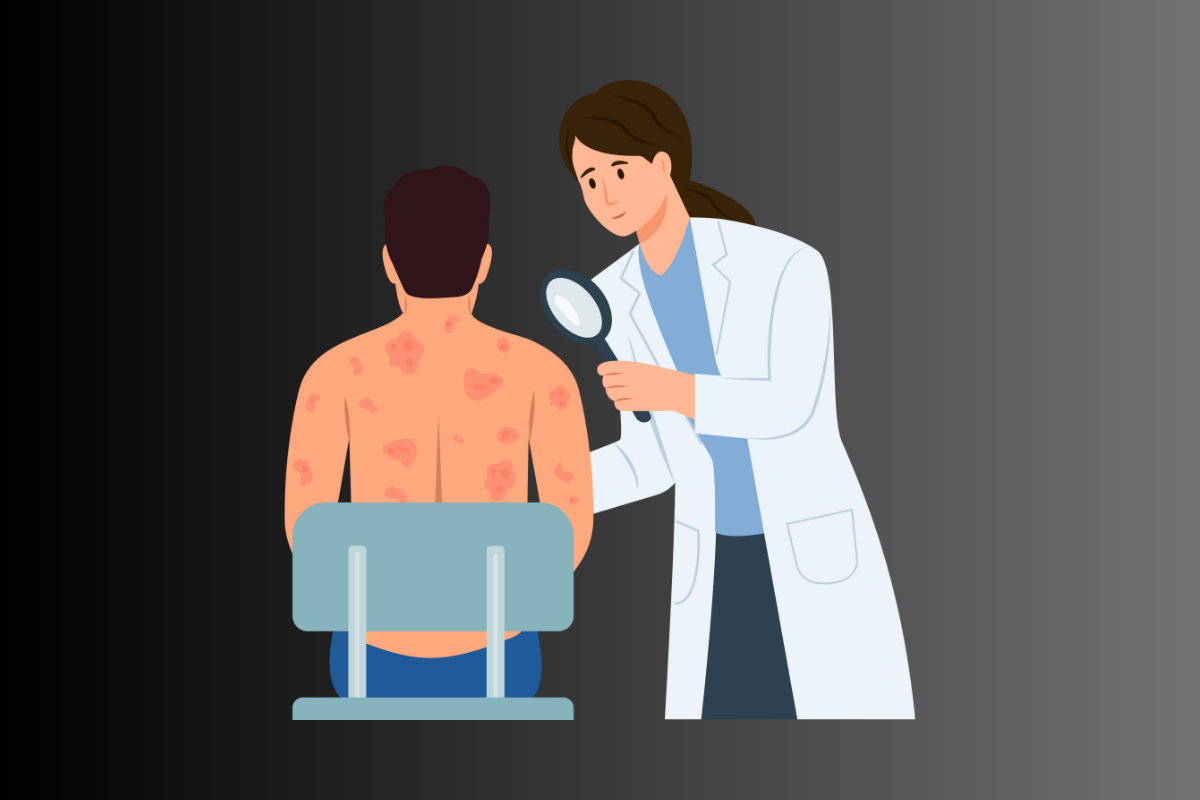
Psoriasis is a chronic inflammatory skin condition characterized by red, scaly, often itchy plaques due to rapid skin cell turnover and immune dysregulation. Severity ranges from small localized patches to widespread involvement. Triggers include stress, infections, certain medications, alcohol, metabolic factors and genetic predisposition.
Common signs & investigations
- Symptoms: well-defined red plaques with silvery scales, itching, bleeding on scraping, nail changes (pitting), joint pain (psoriatic arthritis) in some patients.
- Important tests: dermatologist evaluation, sometimes biopsy, screening for metabolic comorbidities (glucose, lipids), and rheumatology referral if joint symptoms.
- Severity assessment guides therapy choice — topical care for mild disease, systemic or procedural support for moderate–severe disease (only after medical coordination).
Ayurvedic perspective
Kushtha (skin disorders) in Ayurveda include presentations similar to psoriasis. The condition is commonly described as a multi-doshic imbalance (Pitta + Kapha ± Vata), with accumulation of Ama (metabolic toxins) and impaired Agni (digestive/metabolic fire). Treatment aims to remove toxins (Shodhana), normalize digestion (Agni), pacify offending doshas, repair skin tissues (Twak), and support systemic immunity.
Critical Safety Note
Psoriasis can be associated with systemic disease (metabolic syndrome, psoriatic arthritis). Always coordinate with a dermatologist and relevant physicians. Ayurvedic therapies are supportive and aimed at symptom control and remission; they should complement — not replace — indicated medical treatments, especially for moderate–severe disease or systemic therapies.
Ayurvedic Strategy (Integrated)
- Clinical evaluation & coordination: Assess extent, joint involvement, comorbidities and current meds; baseline blood tests as needed.
- Shodhana (selective detox): Virechana (therapeutic purgation) and Basti (medicated enemas) are commonly used in chronic skin disorders after proper assessment.
- Local & systemic care: Topical lepas (herbal pastes), medicated oil baths and external poultices (patra/churn potli) to remove scales and soothe inflammation.
- Supportive therapies: Abhyanga, Udvartana (powder massage), Kashaya Dhara and Shirodhara/Nasyam as adjuncts — chosen per patient needs.
- Herbs & diet: Anti-inflammatory, immunomodulatory and liver-supportive herbs plus a Pitta/Kapha-balancing, anti-inflammatory diet.
Therapies We Use for Psoriasis — with reference images
Below are clinic therapies that are particularly useful in managing psoriasis. Each therapy includes a reference image. All procedures are individualized and require prior medical clearance.
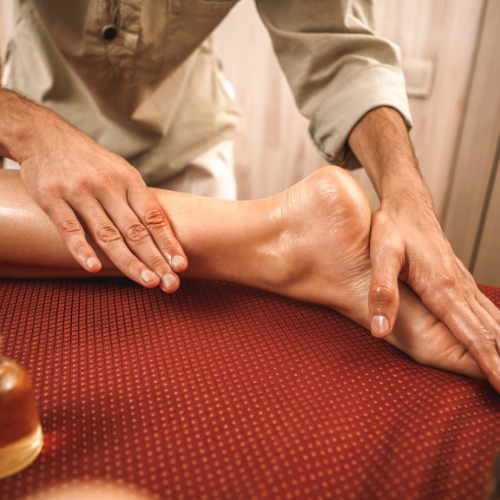
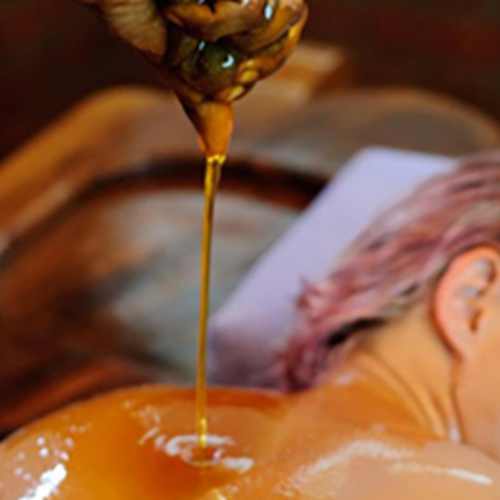
Abhyanga (Therapeutic Oil Massage)
What it is: Full-body warm herbal oil massage using selected oils that reduce inflammation and nourish skin.
- Improves circulation, supports lymphatic clearance and softens scales for easier removal.
- Prepares the body for other procedures (Svedana, Virechana) and calms Pitta-related symptoms.
- Technique and oil choice tailored to skin sensitivity — gentle strokes preferred on active plaques.
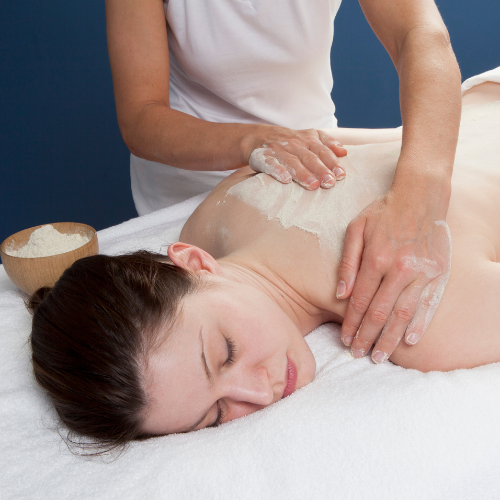
Udvartana (Herbal Powder Massage)
What it is: Dry herbal powder massage to exfoliate, improve microcirculation and reduce Kapha stagnation.
- Helps remove scales, promotes desquamation and improves local circulation to plaque areas.
- Used carefully over chronic lesions; avoids traumatizing inflamed, bleeding plaques.
Lepam (Topical Herbal Pastes)
What it is: Medicinal pastes made from cooling, antiseptic and keratolytic herbs applied directly to lesions.
- Reduces scaling, soothes inflammation and decreases itching.
- Formulations customized to skin sensitivity and tested for safety before wider use.
Oil Bath (Sneha Snana)
What it is: Warm herbal oil or medicated oil bath to moisturize and soften plaques.
- Softens scales and reduces dryness and cracking; often combined with gentle exfoliation and lepam afterwards.
- Performed with oils suited to sensitive or inflamed skin to avoid irritation.
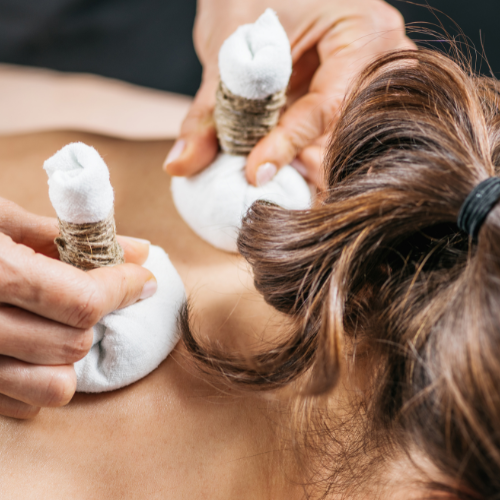
Churn / Patra Potli (Herbal Poultices)
What it is: Warm herbal poultices (herbal powders or leaf bundles) applied locally to reduce inflammation and scale.
- Local anti-inflammatory and soothing action; can help loosen scales and reduce erythema.
- Chosen herbs and temperature are matched to lesion type and patient tolerance.
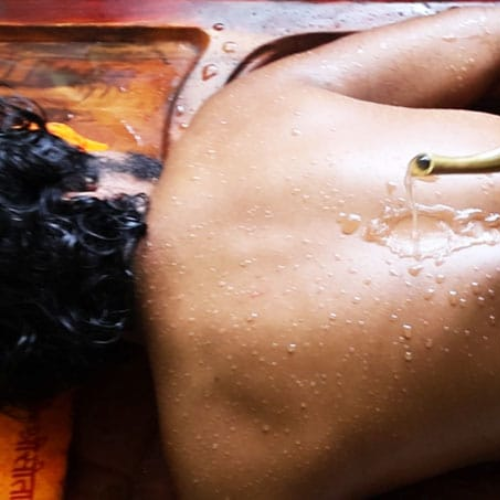
Kashaya Dhara (Herbal Decoction Pouring)
What it is: Continuous gentle pouring of warm herbal decoctions over affected areas (or general body) to reduce inflammation.
- Provides a soothing local anti-inflammatory effect and helps with symptomatic relief of itching and burning.
- Used in sub-acute or recovery phases with liver-safe decoctions chosen by clinician.
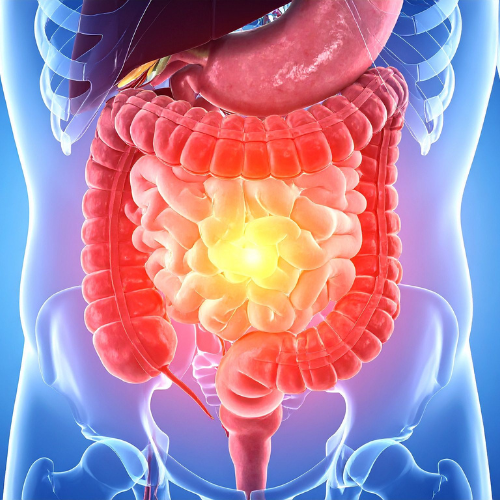
Virechana (Therapeutic Purgation)
What it is: Supervised purgation to remove Pitta and Ama from the gastrointestinal tract — commonly used in chronic skin diseases after assessment.
- Can reduce systemic inflammation and improve skin outcomes when performed in appropriate candidates.
- Requires preparatory internal oleation (snehapana), steam (svedana) and full medical clearance; monitoring of vitals and labs is mandatory.
Basti (Medicated Enema)
What it is: Medicated oil or decoction enemas to pacify Vata and restore gut-skin axis; often integral to chronic skin therapy plans.
- Helps correct digestive and Vata-related factors that perpetuate chronic skin disease.
- Prescribed selectively after full assessment and performed by experienced clinicians.
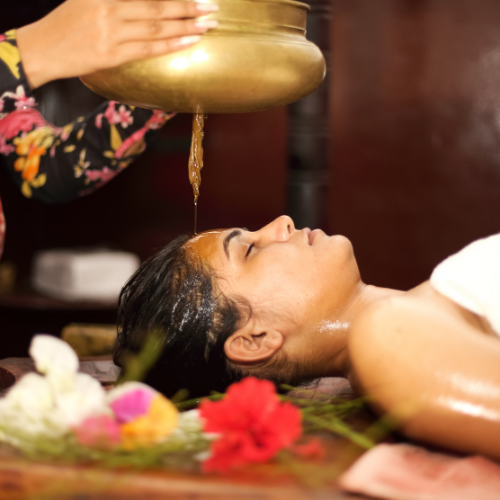
Shirodhara (Nervous System Support)
What it is: Gentle pouring of oil on the forehead to reduce stress, improve sleep and modulate neuro-immune responses.
- Helpful as an adjunct when stress is a trigger or perpetuating factor for psoriasis flares.
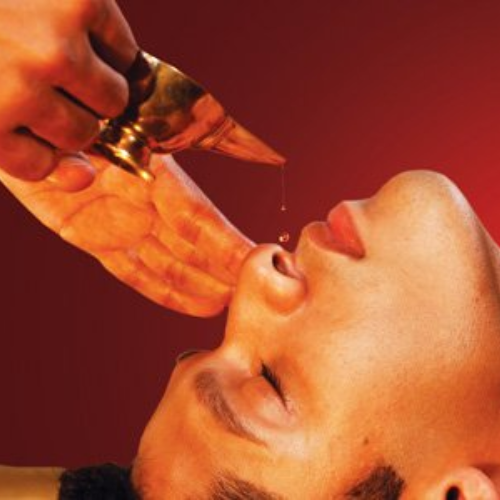
Nasyam (Nasal Therapy) — Adjunct
What it is: Application of mild medicated oils or drops into the nose to balance head & autonomic function; used when indicated.
- Adjunctive therapy to improve systemic regulation and reduce neurogenic triggers for skin inflammation.
Herbal Medicines & Nutritional Support
We prioritize herbs and formulations with anti-inflammatory, immune-modulatory and skin-healing properties while ensuring safety and compatibility with any concurrent medications.
- Neem (Azadirachta indica): Antimicrobial and anti-inflammatory; used topically and in internal formulations under supervision.
- Guduchi (Tinospora cordifolia): Immune-modulatory and detox-supportive; frequently used in chronic inflammatory skin conditions.
- Manjistha (Rubia cordifolia): Blood-purifying and skin-tonic properties commonly used in kushtha management.
- Aloe vera, turmeric (internal/topical), licorice: Selected for soothing and anti-inflammatory effects.
- Diet: Anti-inflammatory, light-to-moderate meals — cooked vegetables, whole grains (if tolerated), lean protein; avoid processed foods, excessive alcohol, refined sugar and food triggers identified for the patient.
- Avoid: Known triggers (alcohol, smoking, certain meds), heavy fried/greasy foods and extremes of temperature.
- Hydration & lifestyle: Adequate water, stress management, regular sleep and gentle exercise; identify and manage triggers (infections, stress).
All internal medicines are prescribed after clinical assessment and with attention to drug interactions and lab monitoring when needed.
Sample Clinic Plans (examples)
Mild / Localized Psoriasis- Topical lepam & medicated oil baths for plaques
- Udvartana or gentle exfoliation to reduce scales
- Herbal topical washes and systemic mild immunomodulators as needed
Moderate / Recurrent Psoriasis- Comprehensive assessment, rule out psoriatic arthritis and metabolic comorbidity
- Combined plan: Abhyanga → Svedana (steam) → Virechana or Basti (selected) under monitoring
- Topical lepam, potli therapies and oral herbal support (Guduchi, Manjistha) plus dietary rehab
Flare Management & Maintenance- Acute flare: gentle topical soothing, avoid aggressive exfoliation; medical coordination for systemic therapy if severe
- Maintenance: periodic oil baths, targeted lepam, lifestyle & trigger management
- Stress-reduction therapies (Shirodhara, counseling) to reduce relapse risk
Procedures like Virechana and Basti require careful selection, preparatory measures and informed consent. We work with dermatology for patients on systemic or biologic medications.
Quick Reference — Therapies & Roles
| Therapy | Primary role | Notes |
|---|
| Abhyanga | Nourish skin, improve circulation | Prepares skin for topical care |
| Udvartana | Exfoliation, circulation | Use cautiously on active lesions |
| Lepam | Topical anti-inflammatory & keratolytic | Customized formulations |
| Oil Bath | Moisturize & soften scales | Often combined with lepam |
| Churn/Patra Potli | Local anti-inflammatory poultice | Useful for inflamed plaques |
| Kashaya Dhara | Local soothing pouring | Supportive therapy in recovery |
| Virechana | Systemic Pitta/Ama removal | Requires prep & monitoring |
| Basti | Correct gut-skin axis, Vata balance | Part of chronic management protocols |
| Shirodhara / Nasyam | Stress & neuro-immune modulation | Adjuncts for trigger control |
Want an Ayurvedic plan to manage psoriasis safely?
Book a consultation — we will review your skin, any joint symptoms, current medicines and design a stepwise, monitored Ayurvedic plan to reduce flares and support remission.
Book ConsultationAll procedures performed by qualified Ayurvedic physicians. Dermatology coordination and medical clearance are mandatory for selected detox procedures.