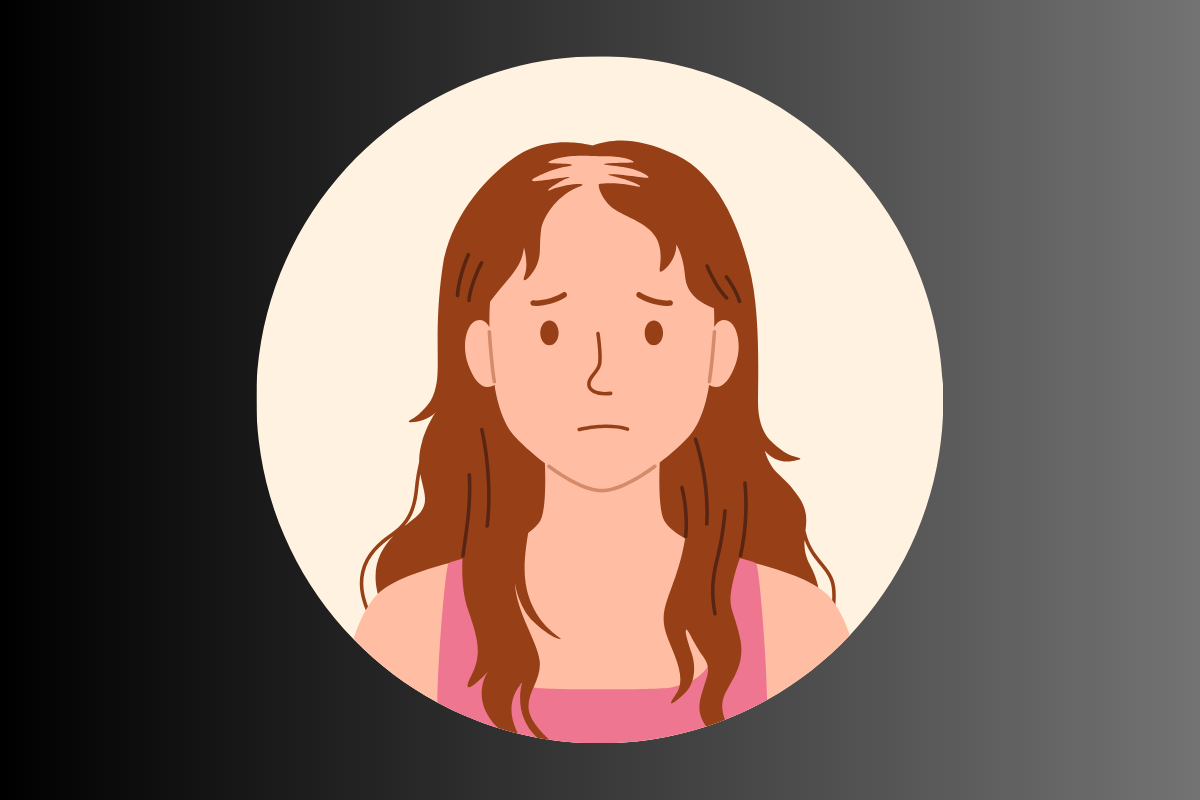
What is Alopecia?

Alopecia refers to hair loss that may be localized (patchy) or diffuse. Causes include genetic predisposition (androgenetic alopecia), autoimmune forms (alopecia areata), telogen effluvium (stress / systemic illness), nutritional deficiencies, endocrine disorders and scalp inflammation or infections. Accurate diagnosis (clinical exam, blood tests, scalp evaluation) guides appropriate therapy.

Common presentations & investigations

  • Patterns: patchy circular bald patches, diffuse thinning, or receding hairline.
  • Important tests: CBC, thyroid profile, ferritin, vitamin B12/D, scalp examination and trichoscopy; skin biopsy in unclear cases.
  • Course: some forms are reversible with proper care (telogen effluvium, alopecia areata), while others may need long-term management (androgenetic alopecia).

Ayurvedic perspective

In Ayurveda hair health (Kesha) is linked to Bala (strength), Rakta, Pitta and Vata balance and proper Dhatu nourishment (Rasa, Rakta, Mamsa). Hair loss is commonly seen as a combination of Vata (dryness, hair fall), Pitta (inflammation) and impairment of Ras/Rakta Dhatu. Treatment focuses on pacifying aggravated doshas, strengthening scalp tissues, improving circulation and correcting underlying metabolic or nutritional deficits.

Safety & Clinical Note

Identify and treat any underlying medical causes first (thyroid disease, iron deficiency, autoimmune illness). Ayurvedic therapies below are supportive and often combined with topical formulations and internal Rasayana (rejuvenatives). Always consult both your dermatologist/hepatologist/endocrinologist and an Ayurvedic physician for coordinated care where relevant.

Ayurvedic Treatment Strategy for Hair Loss

  • Assessment: Diagnose the pattern (Vata/Pitta predominant hair loss, autoimmune features etc.) and run baseline investigations (iron, thyroid, B12, blood sugar).
  • Shodhana & Shamana: Mild detox if indicated (only after assessment) and oral herbs to improve scalp circulation and nourish hair (Bhringraj, Amla, Brahmi, Ashwagandha, Yashtimadhu etc.).
  • Local & clinic therapies: Targeted external therapies to stimulate scalp microcirculation, reduce inflammation, and nourish hair follicles (see therapies below).
  • Diet & lifestyle: Balanced protein, iron and vitamin-rich diet, stress reduction, adequate sleep and scalp hygiene.

Clinic Therapies Helpful in Alopecia — with reference images

The selected therapies below are commonly used in Ayurvedic clinics to support hair regrowth, reduce scalp inflammation, improve circulation to hair follicles and nourish the tissues that make hair. Each entry includes a reference photo.

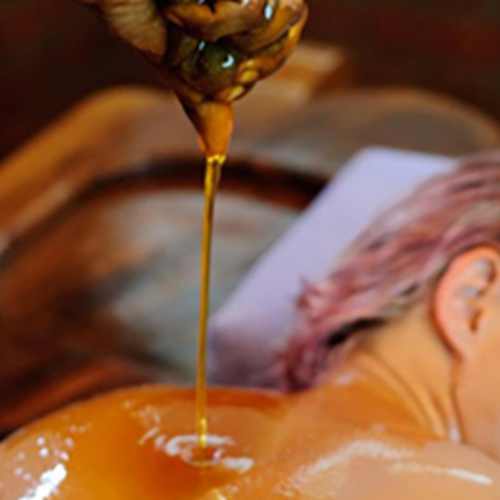
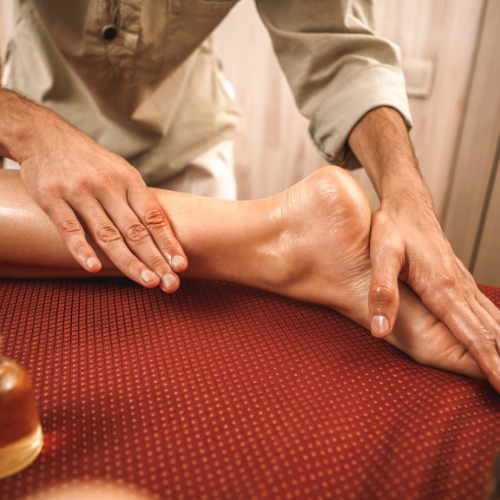
Abhyanga warm oil massage

Abhyanga (Tailored Head/Full-body Oil Massage)

What it is: Warm herbal oil massage; for alopecia we emphasize scalp/medhya techniques and mild full-body oiling to improve circulation and calm Vata.

  • Benefits: stimulates scalp circulation, conditions follicles, calms nervous system and supports overall tissue nourishment.
  • Clinic practice: performed with hair-growth supportive oils (Bhringraj, Amla, Brahmi blends) and gentle scalp strokes.
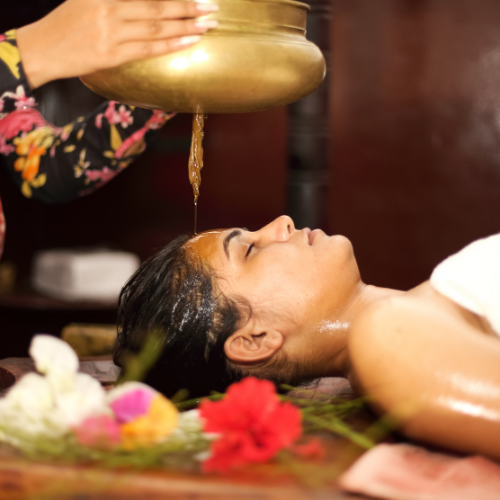
Shirodhara continuous oil pouring on forehead

Shirodhara (Nervous-system & Scalp Support)

What it is: Continuous warm oil or medicated decoction poured on the forehead; reduces stress and Pitta-related inflammation that can worsen hair loss.

  • Benefits: improves sleep, reduces stress-triggered shedding (telogen effluvium) and supports hormonal balance indirectly.
  • Used as an adjunct to scalp therapies in recovery and chronic cases.
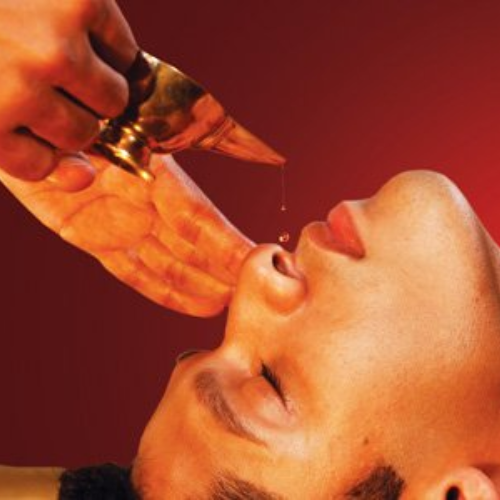
Nasyam nasal therapy

Nasyam (Medicated Nasal Therapy)

What it is: Administration of specific medicated oils/drops via the nose to balance cranial circulation and doshas affecting the scalp and hair roots.

  • Benefits: can improve head/scalp nourishment and reduce Pitta/Vata disturbances affecting hair growth.
  • Given in clinic by trained practitioners; formulations chosen for hair/scalp safety.
Herbal lepam paste application

Lepam (Herbal Pastes / Scalp Packs)

What it is: Topical herbal pastes using cooling and nourishing herbs applied to the scalp to reduce inflammation and feed follicles.

  • Common herbs: bhringraj, amla, neem, yashtimadhu — combined into a paste and applied for a set period.
  • Benefits: reduces local inflammation (Pitta), soothes scalp, and directly nourishes hair roots.
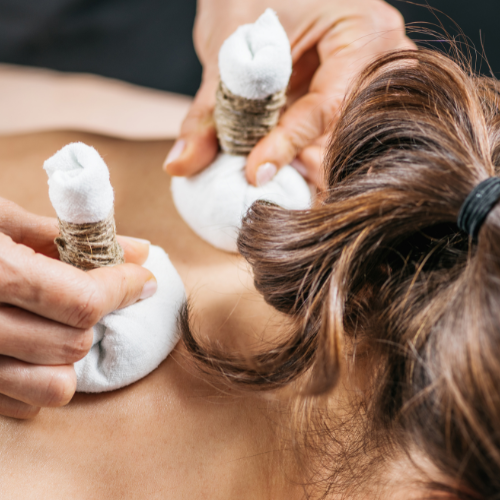
Churn potli herbal poultice

Churn Potli / Patra Potli (Herbal Bolus Massage)

What it is: Warm herbal boluses (kizhi-style) or leaf boluses applied with massage to stimulate scalp circulation and deliver herbal actives.

  • Benefits: mechanical stimulation plus herb infusion improves local blood flow and encourages follicular activity.
  • Often combined with Abhyanga or after Lepam for deeper effect.
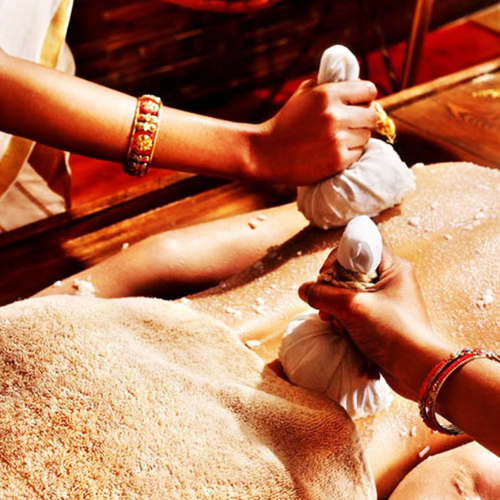
Njavara Kizhi rice bolus therapy

Njavara Kizhi (Rejuvenative Bolus Therapy)

What it is: Warm Njavara rice boluses cooked in herbal decoction applied on the body; systemic nourishment that supports hair regrowth in chronic weakness states.

  • Benefits: systemic Rasayana effect — strengthens Dhatus (tissues) and improves overall nourishment that reflects in healthier hair over time.
Oil bath and rinsing therapy

Oil Bath / Local Scalp Oiling

What it is: Application of medicated oils followed by gentle warm steam or warm water wash as indicated — used to deeply condition scalp and follicles.

  • Benefits: nourishes scalp, prevents dryness (Vata), and improves follicle environment for regrowth.

Herbs, Oils & Nutritional Support

Internal and topical remedies are combined for best outcomes. All internal medicines should be prescribed after assessment and necessary blood tests.

  • Bhringraj (Eclipta alba): Traditional Keshya herb used as oil and internal tonic to support hair growth.
  • Amla (Indian gooseberry): Vitamin C rich, antioxidant, used internally and in oil preparations for strengthening hair.
  • Brahmi & Yashtimadhu: Support scalp health, reduce inflammation and nourish follicles.
  • Topical oils: Medicated oils (Bhringraj, Reetha, Amla blends) applied as scalp oil or for Abhyanga.
  • Diet: Adequate protein, iron, zinc, vitamins (D, B12) and omega-3s. Include lentils, green leafy vegetables, nuts, seeds and adequate hydration.

If autoimmune alopecia areata or systemic causes are present, coordinate care with dermatology; Ayurveda may be used adjunctively to support recovery and reduce relapse risk.

Sample Clinic Plans (examples)

Initial (4–6 weeks)
  • Assessment & baseline tests (iron, thyroid, vitamins).
  • Weekly Abhyanga + scalp Lepam; topical medicated oil daily at home.
  • Oral Rasayana herbs and nutritional correction.
Intensive (6–12 weeks)
  • Shirodhara sessions (2–3 per week) + Churn/Patra Potli scalp stimulation.
  • Nasyam sessions if indicated; targeted Lepam and oil-bath protocols.
  • Regular follow-up and lab monitoring.
Maintenance & Preventive
  • Monthly supportive Abhyanga or single-day rejuvenation.
  • Continued dietary advice and periodic herbal tonics.
  • Stress management (yoga, meditation) to reduce relapse risk.

Timelines are illustrative — personalization based on the cause, extent of hair loss and patient response is essential.

Quick Reference — Therapies & Roles

TherapyPrimary roleNotes
AbhyangaScalp circulation & nourishmentUse hair-specific oils, gentle strokes
ShirodharaStress reduction, Pitta calmingHelpful in telogen effluvium and stress-related shedding
NasyamCranial circulation, dosha balanceAdministered by clinician only
LepamTopical anti-inflammatory & nourishmentHerb-specific pastes for scalp
Churn/Patra PotliScalp stimulation and herb infusionUsed as scalp massage bolus
Njavara KizhiSystemic nourishmentGood for chronic weakness and rebuilding
Oil BathDeep conditioning & follicle environmentSupportive after topical therapies

Want a personalised Ayurvedic plan for hair recovery?

Book a consultation — we will review your history and tests, and design a stepwise, monitored program combining clinic therapies, topical oils and internal herbs.

Book Consultation

Therapies are performed by qualified Ayurvedic practitioners. Medical evaluation is required before initiating intensive procedures.