What is Hormonal Imbalance?
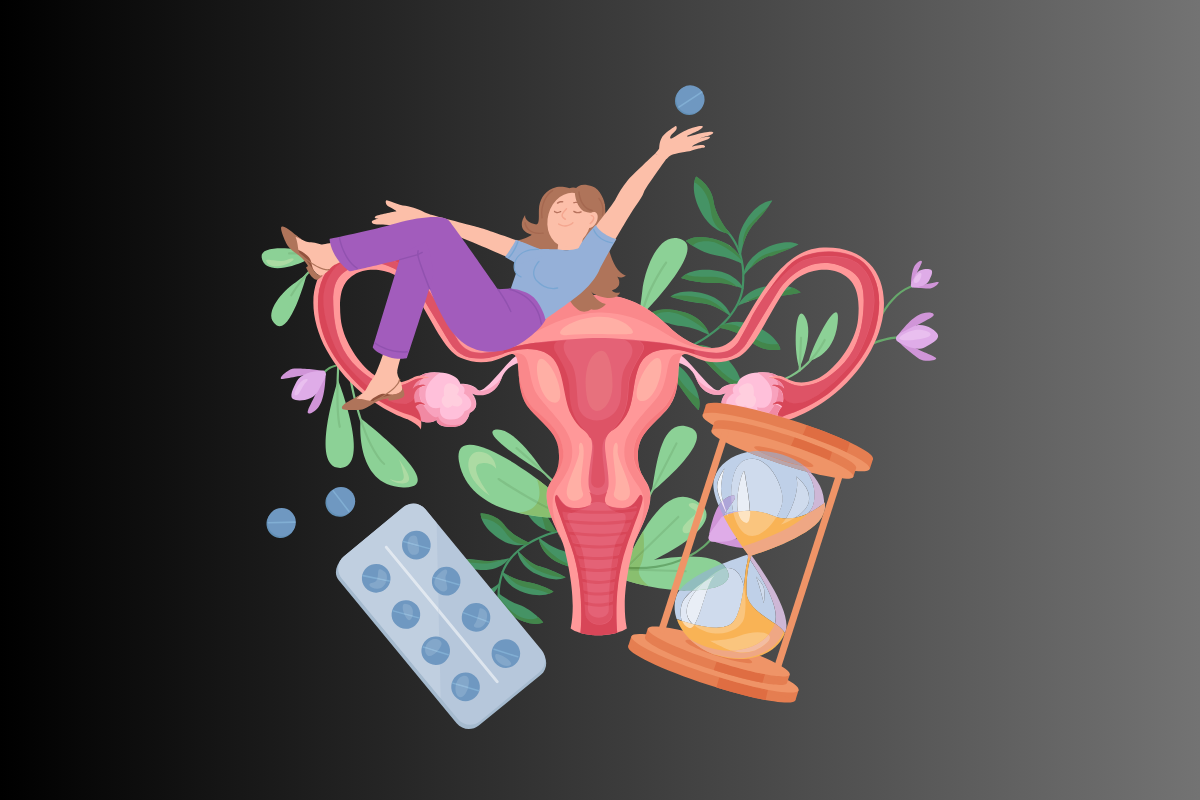
Hormonal imbalance refers to disturbances in endocrine hormones (thyroid, adrenal, sex hormones — estrogen, progesterone, testosterone, insulin, cortisol) that lead to symptoms such as irregular periods, PMS, infertility, weight changes, fatigue, mood swings, hair loss, acne, low libido, menstrual disorders, thyroid dysfunction and metabolic changes.
Common signs & investigations
- Symptoms vary by hormone: irregular cycles, heavy or scanty bleeding, hot flashes, unexplained weight gain/loss, fatigue, insomnia, anxiety/depression, acne, hair thinning.
- Key tests: thyroid profile (TSH, free T4/T3), sex hormones (FSH, LH, estradiol, progesterone, testosterone), cortisol, fasting insulin, HbA1c, pelvic ultrasound, and relevant targeted tests.
Ayurvedic perspective
Ayurveda approaches hormonal disorders as disturbances of Doshas (often Vata and Kapha/Pitta interactions), impaired Agni (metabolic fire), and reproductive tissue (Shukra/Artava/Upadhatu) dysfunction. The focus is on restoring systemic balance (Dosha), improving digestion and metabolism, regulating reproductive tissues and calming the nervous-endocrine axis.
Important Safety Note
Hormonal disorders often require hormone assays and may need endocrine/gynecologic care. Ayurvedic therapies can complement medical treatment but should be coordinated with your endocrinologist/gynecologist — especially when on hormone replacement, thyroid medications, insulin or other prescription drugs. Lab monitoring is recommended while receiving detox or hormonal-supportive therapies.
Ayurvedic Care Strategy
- Medical evaluation & coordination: baseline endocrine tests, imaging and medication review before starting therapies.
- Address root causes: correct Agni, remove Ama, rebalance Doshas (often Vata/Kapha/Pitta interplay), and support reproductive tissues.
- Therapies selection: use stress-reducing and reproductive-nourishing therapies that modulate the neuro-endocrine axis and strengthen reproductive tissues (Shukra/Artava).
- Herbs & nutrition: use adaptogenic, reproductive-tonic and metabolism-supporting herbs under physician supervision (e.g., Ashwagandha, Shatavari, Gokshura) with attention to interactions and safety.
- Rehabilitation: rejuvenation (Rasayana) therapies and lifestyle modifications to sustain hormonal balance long-term.
Therapies Useful in Hormonal Imbalance — with reference images
The therapies below are commonly used in clinic protocols for hormonal balance (selected to target stress, neuro-endocrine regulation, reproductive tissue nourishment and metabolic correction). All therapies are individualized and require prior medical clearance.
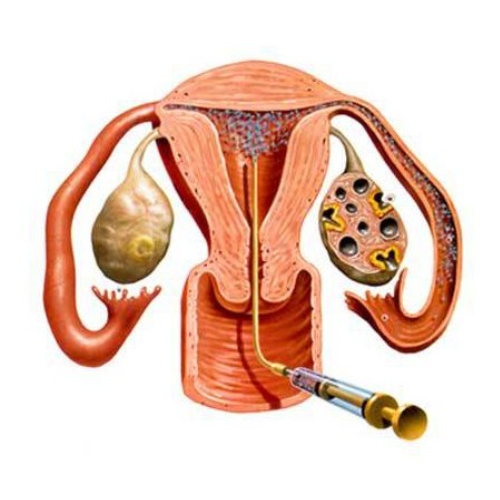
Uttara Basti (Uterine / Genital Instillation) Key for gynecologic balance
What it is: Instillation of medicated oils/decoctions into the uterine or bladder canal (female/male variations) under specialized supervision.
- Used in menstrual irregularities, endometrial support, recurrent infertility, pelvic pain and disorders related to Artava (female reproductive tissue).
- Powerful local therapy—requires expert clinician, sterile procedures and clear indications; not used in active infection or undiagnosed bleeding.
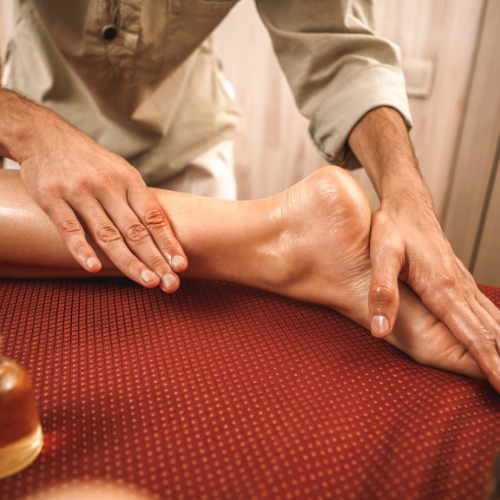
Abhyanga (Warm Oil Massage)
What it is: Full-body herbal oil massage tailored to the individual's constitution and hormonal pattern.
- Calms the nervous system (reduces stress hormone/cortisol), improves circulation, supports lymphatic and endocrine function and prepares the body for deeper therapies.
- Regular sessions help reduce anxiety, improve sleep and regulate menstrual-related symptoms.
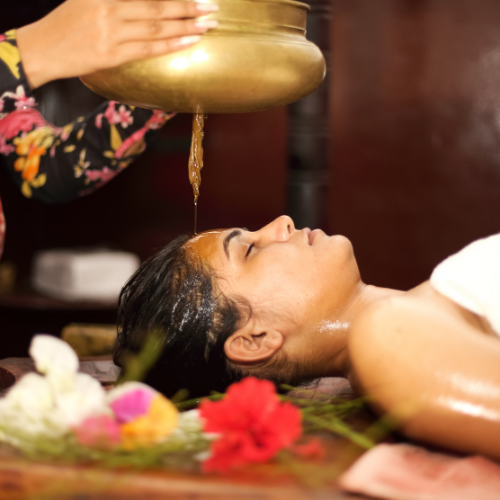
Shirodhara (Neuro-endocrine calming)
What it is: Continuous warm oil or decoction flow on the forehead to soothe the brain and autonomic system.
- Effective for HPA-axis related imbalances (stress, insomnia, mood swings) that indirectly disturb hormonal rhythms.
- Improves sleep, reduces cortisol, and supports better endocrine regulation when combined with lifestyle changes.
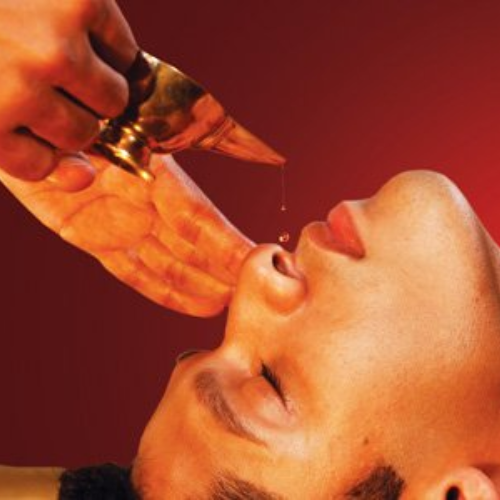
Nasyam (Nasal Therapy)
What it is: Administration of medicated oils/medicated powders via the nasal route to influence the head, neuro-endocrine axis and sense organs.
- Used to positively influence hypothalamic-pituitary function, improve appetite, smell, and autonomic balance—beneficial in certain endocrine patterns.
- Given carefully with liver/thyroid-safe formulations and after clinical assessment.
Basti (Medicated Enema) — Selected Use
What it is: Medicated oil or decoction administered rectally to balance Vata and support systemic regulation.
- Helpful when Vata-related hormonal dysregulation (irregular cycles, infertility due to Vata) is evident — supports gut-endocrine axis and nervous system.
- Prescribed selectively and as part of a broader treatment course.
Njavara Kizhi (Rejuvenative Bolus Therapy)
What it is: Warm boluses of Njavara rice cooked in decoction applied to the body to provide deep nourishment (Rasayana).
- Rebuilds strength, supports reproductive tissue nourishment and helps restore metabolic balance during rehabilitation.
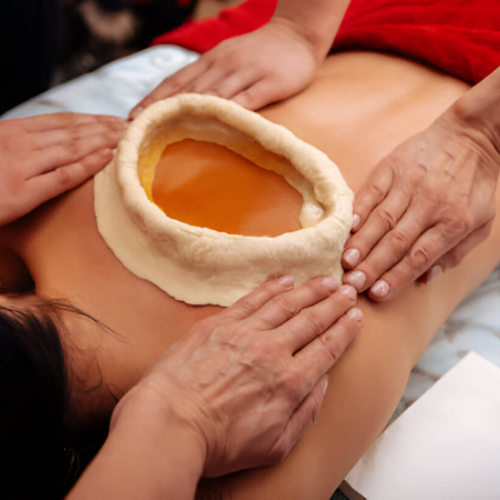
Kati Vasti (Local Pelvic/Lower Back Nourishment)
What it is: Warm medicated oil retained over the lower back/pelvic region to soothe local tissues and support reproductive organs.
- Useful for menstrual cramps, pelvic discomfort and improving local circulation to reproductive structures.
Herbal Medicines & Nutritional Support
Herbs are prescribed after assessment and with attention to drug interactions and endocrine diagnoses. Below are commonly used herbs in Ayurvedic hormonal support (physician-prescribed).
- Ashwagandha (Withania somnifera): Adaptogen — supports adrenal function, reduces stress and may improve thyroid and reproductive resilience.
- Shatavari (Asparagus racemosus): Reproductive tonic for female hormonal regulation, lactation support and balancing estrogen-related symptoms.
- Gokshura (Tribulus terrestris): Supports male reproductive health and libido; used carefully in metabolic/endocrine patterns.
- Diet: Regular warm meals, easily digestible proteins, whole grains, healthy fats (ghee in moderation), seasonal vegetables and fruits. Avoid excess sugar, processed foods and stimulants.
- Lifestyle: Sleep hygiene, stress management (breathwork, yoga), regular gentle exercise and weight management as advised.
- Monitoring: Coordinate herb use with blood tests (thyroid, sex hormones, glucose/cortisol) and prescription medications.
Do not start/stops prescription hormones or endocrine medicines without your prescribing doctor. Herbs can interact with medications — always use under clinician supervision.
Sample Clinic Plans (examples)
Stress-dominated imbalance (HPA axis)- Shirodhara + Abhyanga + Nasyam to calm nervous system
- Ashwagandha-based protocol, sleep & stress counselling
- Monitor cortisol, TSH and glucose as needed
Reproductive (female) imbalance- Uttara Basti (where indicated) + Abhyanga + Kati Vasti
- Shatavari formulations, dietary rehabilitation and fertility counselling
- Coordinate with gynaecology and baseline hormonal tests
Vata-related menstrual irregularities- Selected Basti protocols + Njavara Kizhi for nourishment
- Warm diet, regular routine and Vata-pacifying herbs
- Follow-up hormone panels to measure response
All plans are individualized. Invasive/local therapies (Uttara Basti, Basti) require sterile technique, clear indications and informed consent.
Quick Reference — Therapies & Roles
| Therapy | Primary role | Notes |
|---|
| Uttara Basti | Local uterine/genital nourishment & regulation | Key for many gynecologic hormonal issues; specialist procedure |
| Shirodhara | Neuro-endocrine calming (stress regulation) | Helpful for HPA axis related symptoms |
| Abhyanga | Systemic nourishment, circulation & stress relief | Good preparatory and maintenance therapy |
| Nasyam | Influence hypothalamic-pituitary axis | Adjunct for appetite, smell and autonomic balance |
| Basti | Vata correction & gut-endocrine support | Selected use for Vata predominance |
| Njavara Kizhi | Rejuvenation & tissue nourishment | Used in rehabilitation phases |
| Kati Vasti | Local pelvic/back nourishment | Relieves cramps and pelvic discomfort |
Need a personalised Ayurvedic plan for hormonal balance?
Book a consultation — we will review your tests, coordinate with your physician, and design a stepwise Ayurvedic plan tailored to your hormonal profile.
Book ConsultationTherapies are performed by qualified Ayurvedic clinicians. Medical and laboratory clearance is mandatory before invasive or detox procedures.