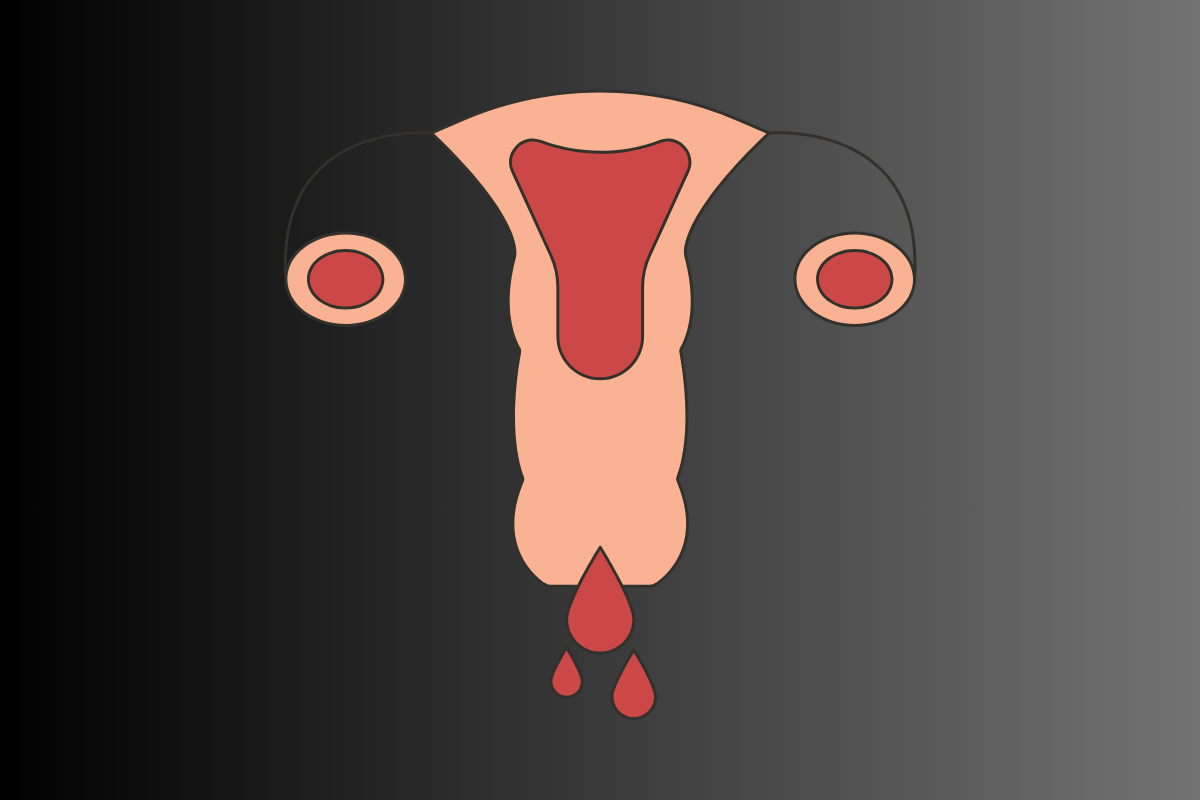
What is Vaginitis?
Vaginitis refers to inflammation or infection of the vagina causing abnormal discharge, itching, burning, pain or odour. Common causes include bacterial vaginosis, yeast (Candida) infection, trichomonas, or irritant/allergic reactions. Accurate diagnosis (wet mount, culture/PCR where appropriate) and targeted medical therapy are important when infectious causes are suspected.
Ayurveda describes similar conditions under Yoni Vyapad or Yoni Srava / Kandu — management focuses on removing local pathogens/toxins, reducing inflammation, restoring healthy local tissue and supporting systemic immunity and digestion. :contentReference[oaicite:0]{index=0}
Important Safety Note
If you have fever, severe pelvic pain, foul-smelling discharge, blood between periods, pregnancy, or signs of systemic infection — seek immediate medical/gynaecological care. Ayurvedic local therapies can complement conventional care for recurrent or chronic cases but should be guided by a qualified Ayurvedic physician and coordinated with your clinician.
Ayurvedic Care Strategy for Vaginitis
- Diagnose & rule out emergencies: wet mount / microscopy, tests for STIs, pregnancy check as needed — treat acute infections medically first if indicated.
- Local therapies: Yoni prakshalana (vaginal washes), Yoni pichu (tampon-like medicated cotton), Uttara Basti (internal instillation) and topical poultices/lepams to clear local pathology and soothe mucosa.
- Supportive external procedures: Gentle sitz fomentation (local swedana), Patra/Churna potli for local inflammation, Kashaya Dhara over pelvis in selected cases to reduce local heat/inflammation.
- Systemic support: Oral herbs that are antimicrobial/anti-inflammatory (e.g., Neem preparations, Triphala washes internally/externally, Lodhra/Manjistha in classical formulations) and digestive/immune support to prevent recurrence. :contentReference[oaicite:1]{index=1}
- Hygiene & lifestyle: avoid irritant soaps, wear breathable cotton, avoid douching with harsh agents; follow physician-prescribed topical and oral regimens.
Therapies Useful for Vaginitis — with reference images
The list below focuses only on therapies commonly used for yoni disorders (vaginitis). Every therapy is individualized and requires prior clinical assessment and consent. Images are for clinic reference (provided). Clinical protocols vary depending on cause (infective vs non-infective) and patient status. Selected evidence and classical support are cited where applicable. :contentReference[oaicite:2]{index=2}
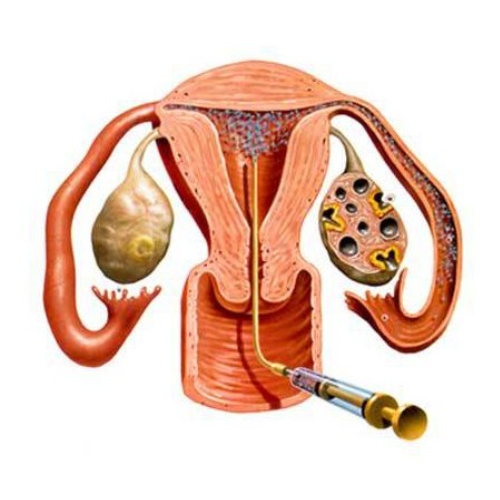
Uttara Basti (Vaginal/Uterine Instillation) Primary
What it is: A therapeutic instillation of medicated oils, ghee or decoctions into the uterine/vaginal canal (Uttara marga) for local cleansing, soothing and tissue healing.
- Used in many gynecological conditions — including chronic discharge (yoni srava), pelvic inflammatory sequelae and recurrent local problems — to pacify local Vata, promote healing and deliver topical medicine. :contentReference[oaicite:3]{index=3}
- Given in cycles (timing often after menstrual bleeding) and always performed by trained clinicians using sterile technique. Contraindicated during active severe infection without systemic control or during pregnancy unless specifically indicated. :contentReference[oaicite:4]{index=4}
Yoni Prakshalana (Medicated Vaginal Wash) — Triphala / Guduchyadi Kwath
What it is: Short-duration vaginal washes with cooled medicated decoctions such as Triphala or Guduchyadi kwatha to cleanse, reduce microbes and soothe mucosa.
- Clinical studies and classical protocols report Triphala or Guduchyadi washes as effective supportive measures in local fungal/bacterial conditions when used correctly and under guidance. :contentReference[oaicite:5]{index=5}
- Typically performed for limited days; avoid aggressive/chemical washes and ensure sterile preparation and correct temperature/ concentration.
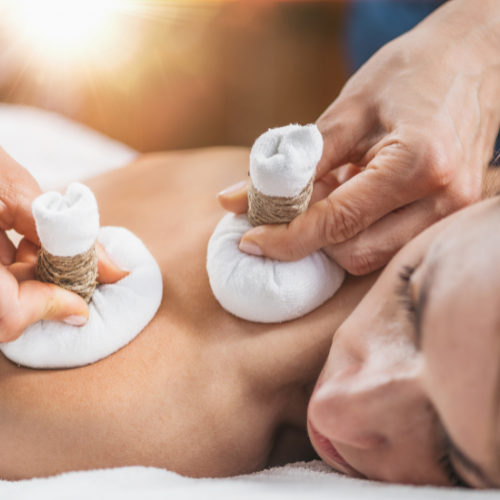
Patra Potli (Herbal Bolus Fomentation)
What it is: Warm herbal boluses (leaf/ herb-filled potli) applied externally to the lower abdomen/pelvis to reduce local inflammation and provide soothing heat.
- Helpful for pelvic heaviness, local congestion and pain; promotes circulation and assists in local drainage when used as part of a supervised protocol. :contentReference[oaicite:6]{index=6}
- Used cautiously in active open lesions; external application only — not a substitute for internal vaginal treatments where indicated.
Lepam (Medicated Paste / Poultice)
What it is: Topical application of cooled herbal paste (e.g., Triphala, Lodhra-based kalka) to the external vulvar area to reduce itching, inflammation and odour.
- Used for symptomatic relief and to deliver local herb actives; always applied under hygienic conditions and removed after advised duration.
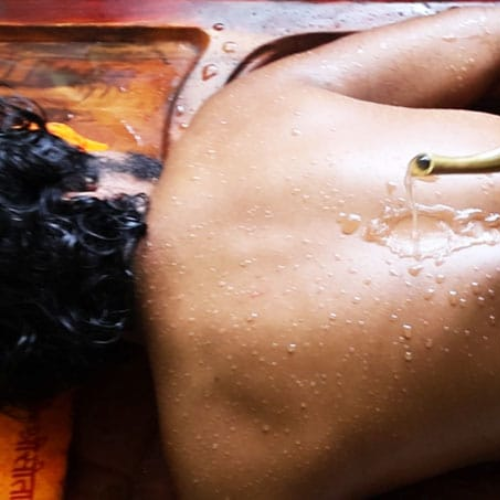
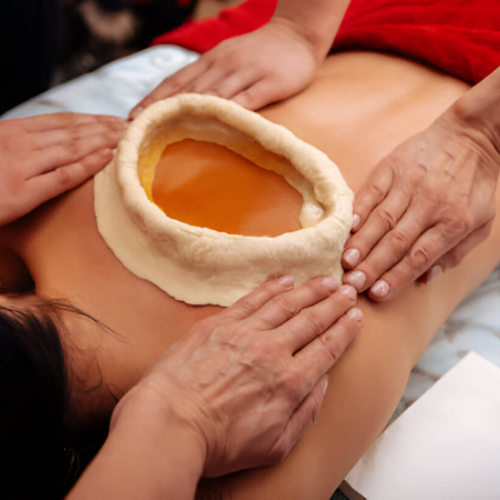
Kati Vasti (Local Oil Retention over Lower Abdomen/Back)
What it is: Warm medicated oil retained over the lower lumbar / sacral / pelvic region to ease pelvic congestion, pain and improve local circulation.
- Can be supportive in pelvic inflammatory states and chronic pelvic discomfort as an adjunct to local vaginal therapies; not a primary anti-infective. :contentReference[oaicite:7]{index=7}
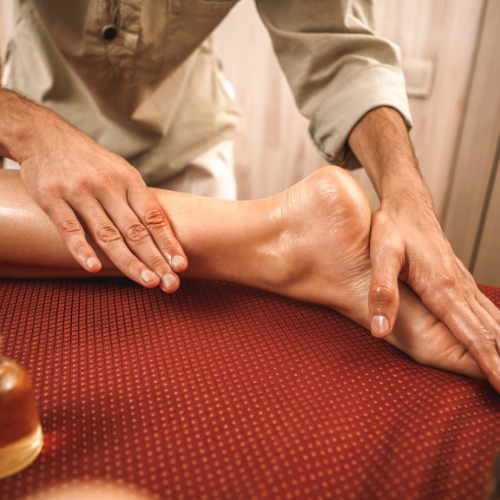
Abhyanga (Gentle Full-Body Oil Massage)
What it is: Gentle, Pitta/Vata-pacifying oil massage to reduce systemic inflammation, improve circulation and support immune recovery.
- Used as preparatory/supportive therapy — helps general wellbeing and recovery but does not replace targeted local treatments.
Herbs, Local Formulations & Hygiene
The following are commonly used in Ayurvedic practice for yoni disorders — chosen for antimicrobial, anti-inflammatory and tissue-soothing properties. All internal or local formulations must be prescribed by a qualified physician with attention to pregnancy and concomitant medications. :contentReference[oaicite:8]{index=8}
- Neem (Azadirachta indica): traditionally used for its antimicrobial and anti-inflammatory actions (topical washes / sitz baths / internal formulations where appropriate). :contentReference[oaicite:9]{index=9}
- Triphala: used as yoni wash (prakshalana) and systemic gentle detoxifier — supports mucosal healing and local microbial balance. :contentReference[oaicite:10]{index=10}
- Lodhra & Manjistha: classical herbs used to tone vaginal tissues and reduce abnormal discharge / odour.
- Panchavalka / Panchavalkala kwath: classical decoction used as vaginal wash & sitz bath in many protocols for yoni srava and kandu. :contentReference[oaicite:11]{index=11}
- Topical care: clean water, mild non-soap cleansers, breathable cotton, avoid irritants and unnecessary aggressive douches.
Where microbial infection is confirmed (bacterial vaginosis, Candida, trichomonas or STIs), targeted antimicrobial or antiparasitic therapy per standard guidelines may be necessary; Ayurvedic local measures are supportive and often adjunctive. Always coordinate care with a gynaecologist when infection is suspected.
Sample Clinic Plans (examples)
Acute symptomatic care- Immediate diagnostic tests (wet mount / pH / culture as indicated)
- Short course topical/local washes (Triphala/Nimbadi/Panchavalkala) & symptomatic relief
- Medical antibiotic/antifungal therapy if indicated
Targeted Ayurvedic local therapy (after initial control)- Yoni Prakshalana (medicated washes) → Yoni Pichu / Uttara Basti cycles (when indicated)
- Topical Lepam and Patra Potli for local soothing and decongestion
- Oral supporting herbs (Neem, Lodhra, Manjistha) and digestive/immune tonics
Maintenance & recurrence prevention- Dietary & hygiene counselling, probiotic / gut-support strategies
- Periodic Yoni prakshalana or local care for recurrent discharge
- Follow-up testing and coordination with gynecology for persistent/refractory cases
All plans are individualized. Intravaginal instillations like Uttara Basti must only be performed by trained clinicians using sterile technique and after appropriate diagnostic evaluation and consent. :contentReference[oaicite:12]{index=12}
Quick Reference — Therapies & Roles
| Therapy | Primary role | Notes |
|---|
| Uttara Basti | Local instillation for yoni disorders | Primary local therapy; clinician-administered; post-menses timing often used. :contentReference[oaicite:13]{index=13} |
| Yoni Prakshalana | Medicated vaginal washes | Triphala/Guduchyadi washes for cleansing and symptomatic relief. :contentReference[oaicite:14]{index=14} |
| Patra Potli | Local fomentation & decongestion | External bolus application for pelvic soreness/inflammation. :contentReference[oaicite:15]{index=15} |
| Lepam | Topical soothing paste | Applied to vulvar area to reduce itching/irritation. |
| Kati Vasti | Pelvic circulation & pain relief | Supportive adjunct for pelvic discomfort. :contentReference[oaicite:16]{index=16} |
Need a safe Ayurvedic plan for vaginitis?
Book a consultation — we will review your history and tests, rule out urgent causes, and design a stepwise, hygienic Ayurvedic plan using targeted local therapies and safe herbs.
Book ConsultationProcedures like Uttara Basti are clinician-administered and require sterile technique, appropriate timing (post-menstrual when indicated) and informed consent. :contentReference[oaicite:17]{index=17}