What are Menstrual Disorders?
Menstrual disorders include a range of menstrual cycle irregularities — painful periods (dysmenorrhea), heavy bleeding (menorrhagia), scanty cycles (oligomenorrhea), absent periods (amenorrhea), irregular cycles, and symptoms associated with hormonal imbalances such as PMS and PCOS. Causes can be hormonal, structural, metabolic, infectious or stress-related. A thorough medical evaluation is essential before starting therapies.
Common symptoms & investigations
- Symptoms: pelvic pain/cramps, heavy bleeding, irregular cycle length, clotting, fatigue, bloating, mood swings, acne, weight changes.
- Investigations: pregnancy test, CBC (to check anaemia), hormonal profile (TSH, prolactin, FSH/LH), pelvic ultrasound, and specialist assessment for structural causes.
Ayurvedic perspective
In Ayurveda menstrual disorders are often described under Yonivyapat and gynecological disorders related to doshic imbalances (Pitta, Vata, Kapha) and srotorodha (channel obstruction). Imbalanced Vata commonly causes scanty or painful menses, Pitta causes heavy/irregular bleeding and inflammation, and Kapha contributes to stagnation or delayed cycles. Treatment aims to correct dosha imbalance, remove blockages, strengthen reproductive tissues and restore regular ovulatory cycles.
Safety & Coordination
Before any Ayurvedic procedure, obtain a medical diagnosis to exclude pregnancy, infections, structural lesions (fibroids/polyps), or malignancy. Some Panchakarma procedures are contraindicated during pregnancy, active heavy bleeding, acute infection or severe anaemia. We coordinate care with gynecologists and require appropriate tests prior to invasive or detox therapies.
Ayurvedic Care Pathway
- Diagnostics & coordination: Rule out red flags (pregnancy, large fibroids, infection, severe anaemia) and liaise with gynecology.
- Shamana (pacifying) therapies: Herbs and internal medicines to normalize hormones, reduce inflammation and regulate menses (e.g., Ashokarishta, Lodhra, Shatavari) under physician guidance.
- Panchakarma & local therapies: Selected local procedures such as Uttara Basti, Kati Vasti and targeted fomentation (Nadi Swedan, Patra/Churn Potli) for pain relief, decongestion and strengthening pelvic tissues.
- Supportive therapies: Abhyanga, Lepam, Shirodhara and Nasyam for nervous system support, stress reduction and systemic balance.
- Diet & lifestyle: Cycle-supportive diet, adequate sleep, stress management and gradual exercise; avoid cold/alcohol/overly processed foods when treating reproductive imbalance.
Therapies Useful in Menstrual Disorders — with reference images
Therapies below are those commonly used in clinical practice to address menstrual pain, irregularity, heavy bleeding, and reproductive weakness. Each therapy is individualised and requires medical clearance where appropriate.
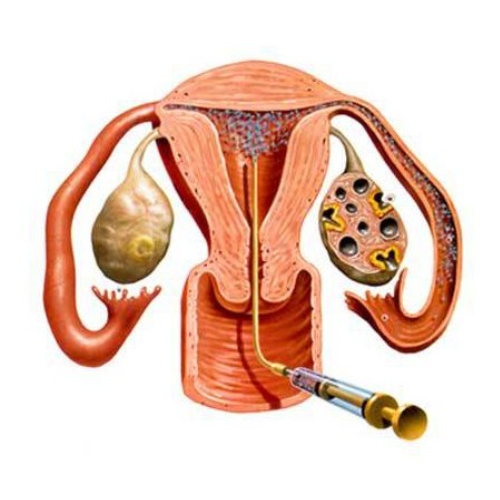
Uttara Basti (Uterine Medicated Enema) Key
What it is: Medicinal oil or decoction administered into the uterus/vagina or via the natural orifice under expert supervision to directly nourish and pacify the uterine tissues.
- Highly effective for amenorrhea, irregular cycles, infertility support, and pelvic pain when used appropriately.
- Strengthens the uterine mucosa (yoni) and supports local tissue healing; given only after careful evaluation and when not contraindicated (no active infection or pregnancy).
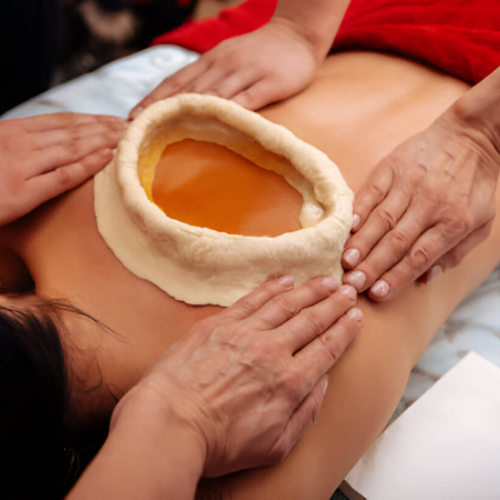
Kati Vasti (Lower Back Oil Retention)
What it is: A warm medicated oil is retained over the lower abdomen/lumbar region inside a dough ring, providing sustained local heat and nourishment.
- Excellent for relieving pelvic and low-back pain associated with dysmenorrhea and muscular spasm.
- Improves local circulation, relaxes pelvic muscles and calms aggravated Vata causing cramping.
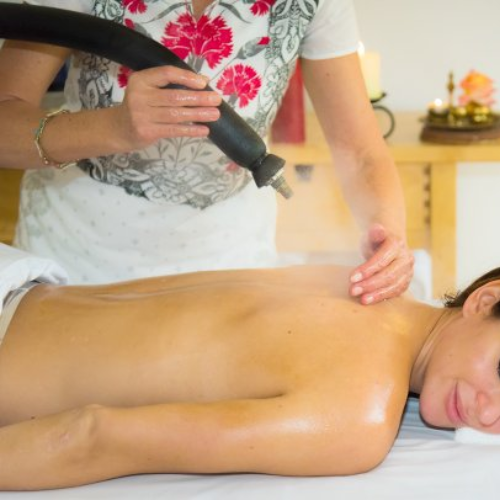
Nadi Swedan (Localized Steam)
What it is: Targeted steam fomentation over the lower abdomen using herbal steam to relieve cramps and ease flow.
- Helps relax uterine muscles, reduces pain and promotes clearance of pelvic congestion.
- Used before or after other local therapies to enhance penetration of medicines.
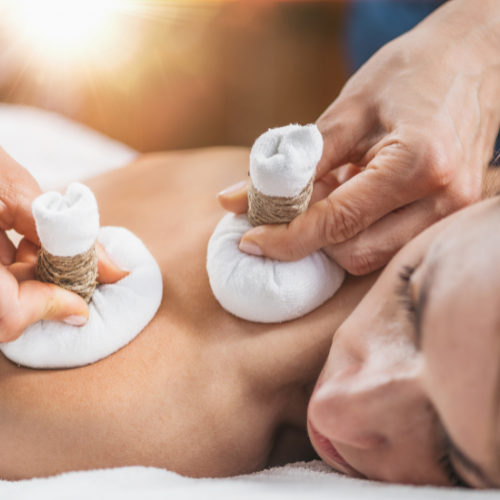
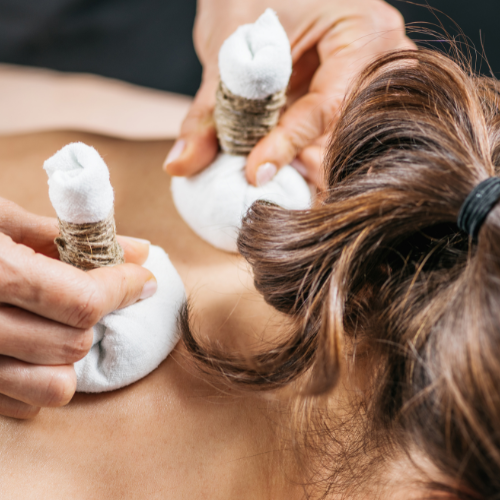
Patra Potli (Herbal Leaf Bolus)
What it is: Heated poultices made from medicinal leaves applied to the lower abdomen to reduce pain and inflammation.
- Useful for dysmenorrhea and pelvic discomfort — gentle, warming and anti-spasmodic.
- Often combined with oil or decoctions tailored to the patient's dosha.
Churn Potli (Herbal Powder Bolus)
What it is: Boluses filled with powdered herbs heated and applied locally for deeper penetration and relief.
- Effective for pelvic pain and to reduce muscular tension; chosen herbs depend on the condition (Vata/Pitta/Kapha patterns).
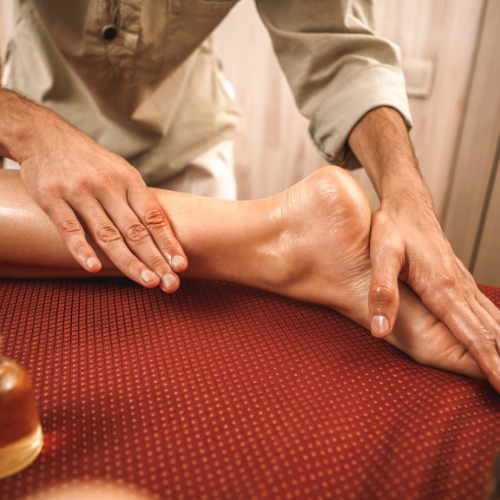
Abhyanga (Warm Oil Massage)
What it is: Gentle full-body herbal oil massage to pacify Vata, improve circulation and reduce pain and anxiety.
- Improves relaxation, reduces stress-related cycle irregularities and supports hormonal balance when combined with internal herbs.
Lepam (Topical Herbal Paste)
What it is: Cooling or warming herbal pastes applied on the lower abdomen to reduce pain, bleeding or inflammation depending on formulation.
- Certain lepams help control heavy bleeding (Pitta-pacifying) while others relieve cramps (Vata-relieving).
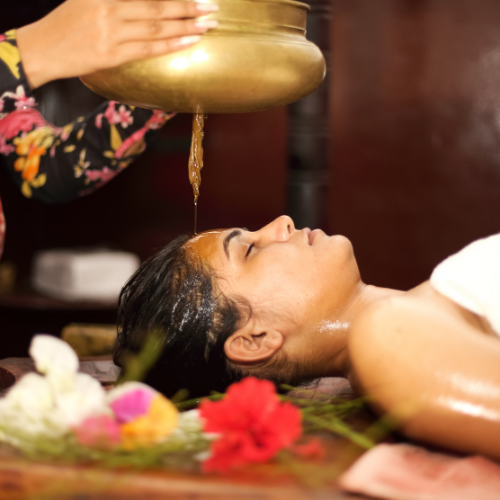
Shirodhara (Nervous System Support)
What it is: Continuous pouring of warm herbal oil on the forehead to calm the nervous system and regulate neuro-hormonal function.
- Beneficial where stress, insomnia or PMS-like symptoms contribute to menstrual irregularities.
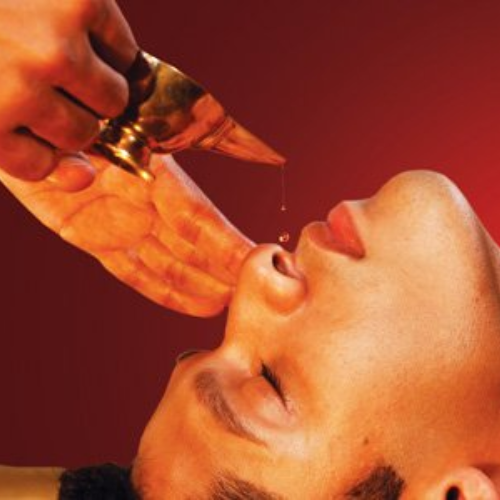
Nasyam (Nasal Therapy) — Adjunct
What it is: Therapeutic nasal instillations to balance the head, hormonal axis and autonomic nervous system.
- Used as an adjunct when headaches, poor appetite or autonomic imbalance accompany menstrual issues.
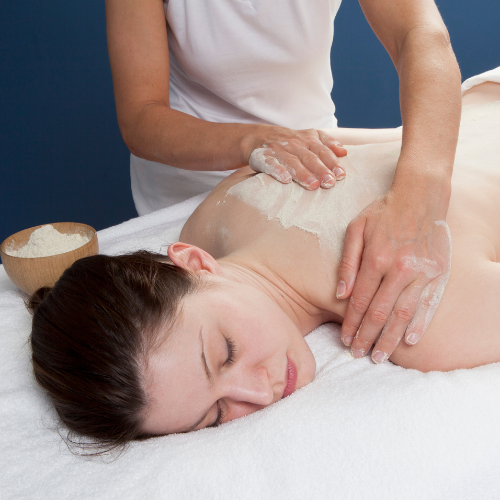
Udvartana (Herbal Powder Massage) — for metabolic/PCOS patterns
What it is: Dry herbal powder massage that reduces Kapha, improves circulation and assists metabolic balance.
- Helpful in overweight/PCOS-related menstrual irregularities as part of a broader plan including diet, exercise and internal medicines.
Herbs & Nutritional Support
Medicinal herbs are chosen based on dosha pattern and safety. Commonly used herbs in menstrual support (under clinician supervision) include:
- Ashoka (Saraca asoca): Traditionally used for uterine health and to regulate bleeding.
- Shatavari (Asparagus racemosus): Reproductive tonic to nourish and support hormonal balance.
- Lodhra (Symplocos racemosa): Useful in Pitta-related heavy bleeding and uterine inflammation.
- Diet: Warm, easily digestible foods, include whole grains, steamed vegetables, mung dal, cooling herbs for Pitta and warming foods for Vata imbalance.
- Avoid: Excessive caffeine, alcohol, very cold foods and heavy fried meals during treatment.
- Supportive lifestyle: Regular gentle exercise, sleep hygiene and stress-reduction practices (yoga, pranayama, meditation).
All internal medicines must be prescribed by an Ayurvedic physician after assessment and in coordination with medical tests where needed.
Sample Clinic Plans (examples)
Acute Dysmenorrhea (pain relief)- Local Kati Vasti + Nadi Swedan around menses
- Patra/Churn Potli for abdominal application
- Short course of pain-relieving herbs and rest
Irregular cycles / Amenorrhea- Uttara Basti (when indicated) + Abhyanga and Shirodhara for systemic balance
- Herbal menstrual regulators (Ashoka/Shatavari) and dietary rehab
PCOS / Metabolic pattern- Diet & lifestyle changes, Udvartana + selected Basti protocols
- Longer-term metabolic support herbs and monitoring
Treatment is individualised — invasive procedures (Uttara Basti) require strict indication, consent and exclusion of pregnancy or infection.
Quick Reference — Therapies & Roles
| Therapy | Primary role | Notes |
|---|
| Uttara Basti | Direct uterine nourishment & regulation | Used selectively; contraindicated in pregnancy/infection |
| Kati Vasti | Pain relief, pelvic muscle relaxation | Very useful in dysmenorrhea |
| Nadi Swedan | Local heat & decongestion | Adjunct to reduce cramps |
| Patra / Churn Potli | Local anti-spasmodic & analgesic | Good for acute pelvic pain |
| Abhyanga | Systemic relaxation & Vata pacification | Supports hormonal balance |
| Shirodhara | Stress reduction & neuro-hormonal support | Useful for PMS/insomnia-related issues |
Need an individualised Ayurvedic plan for menstrual health?
Book a consultation — we will review your history, relevant tests and design a stepwise plan (local therapies, oral medicines, diet & lifestyle) focused on safe, evidence-informed menstrual recovery.
Book ConsultationProcedures are performed by qualified Ayurvedic physicians. Medical exclusion of pregnancy and infections is mandatory before undertaking uterine or internal procedures.