What is Infertility?
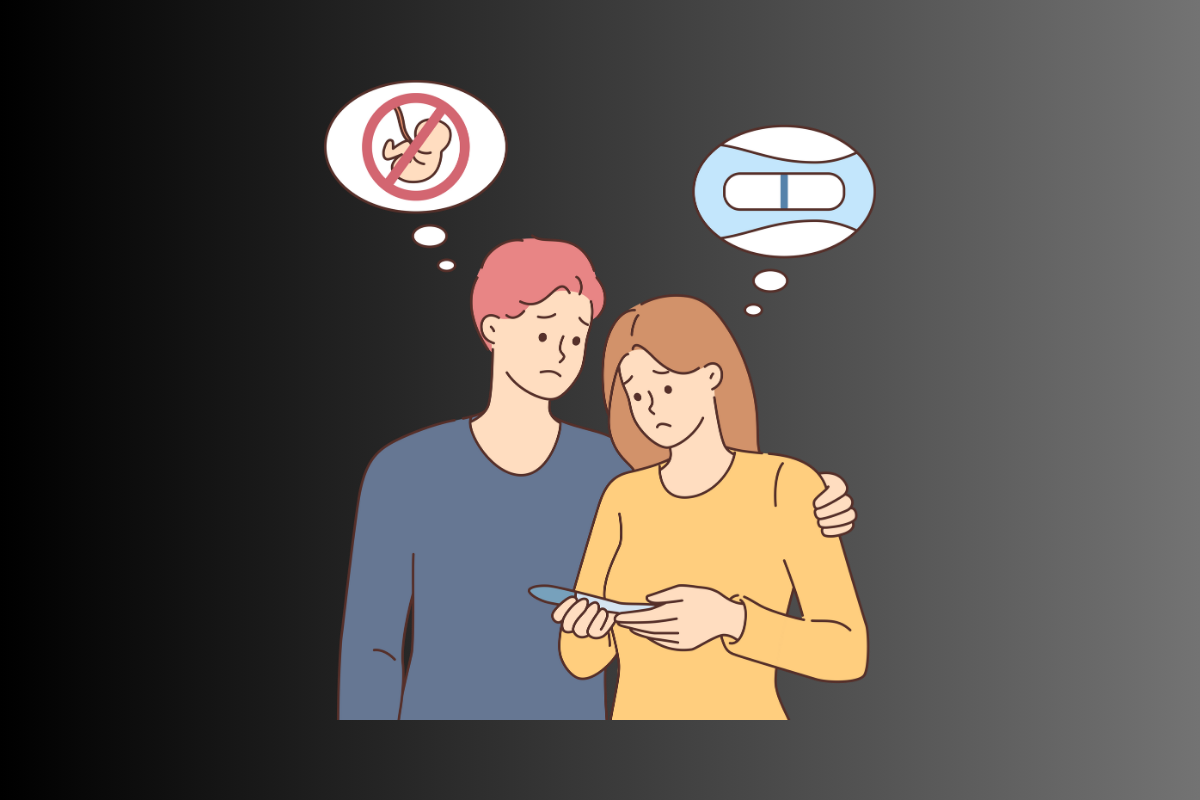
Infertility is defined as the inability to conceive after 12 months of unprotected regular intercourse (or 6 months for women over 35). Causes can be male, female or mixed — ovulatory disorders, tubal pathology, endometrial factors, uterine structural problems, low sperm count/motility, hormonal imbalances, lifestyle factors and unexplained causes. A careful, integrative assessment (fertility tests, hormonal profile, semen analysis, imaging) is essential before starting any therapy.
Common medical workup
- Female: hormonal panel (FSH, LH, Prolactin, TSH), mid-luteal progesterone, pelvic ultrasound, hysterosalpingography/sonosalpingography where indicated.
- Male: semen analysis (count, motility, morphology), hormonal testing if abnormal.
- Both: screen for systemic conditions, infections and lifestyle factors (weight, smoking, alcohol, stress).
Ayurvedic perspective
Infertility (Sutika- and Vandhyatva-related conditions) is often viewed as Vata and Kapha imbalance, Dhatukshaya (tissue depletion) or Srotorodha (channel obstruction). Treatment aims to balance Vata, strengthen reproductive tissues (Shukra and Artava), remove Ama, restore agni (digestion), and rejuvenate the body with Rasayana therapies to improve gamete quality and uterine receptivity.
Critical Safety Note
Infertility requires coordinated care. Ayurvedic therapies can complement medical fertility treatments (IUI, IVF, hormonal therapy) but should be integrated with a fertility specialist's plan. We always review diagnostic reports, avoid contraindicated procedures in active pelvic infections or uncontrolled endocrine disorders, and obtain informed consent before invasive therapies (for example, Uttara Basti).
Ayurvedic Strategy for Fertility
- Full fertility evaluation: review of all medical tests (hormones, imaging, semen analysis) and lifestyle factors.
- Corrective & supportive measures: Digestive correction (Agni), Ama clearance, hormone-balancing herbs and targeted Rasayana (rejuvenation) medicines such as Shatavari, Ashwagandha, Guduchi, and specific formulations chosen after labs.
- Panchakarma & clinic therapies: Selected detox (when appropriate), local uterine therapies (Uttara Basti) and systemic rejuvenation (Njavara Kizhi, Basti) to restore reproductive tissue quality and balance Vata.
- Stress & nervous-system support: Shirodhara, Abhyanga and lifestyle counselling to reduce stress and improve sleep — important for hormonal regulation.
- Nutrition & lifestyle: Pitta–Vata stabilising diet, ideal body weight, moderate exercise, avoid tobacco/alcohol and timed sexual health counselling.
Therapies We Use for Infertility — with reference images
Below are the clinic therapies commonly used to support conception and reproductive health. Each therapy includes a reference photo. Treatments are individualized and depend on the patient's diagnosis and concurrent medical care.
Uttara Basti (Uterine/Vaginal Instillation) Key
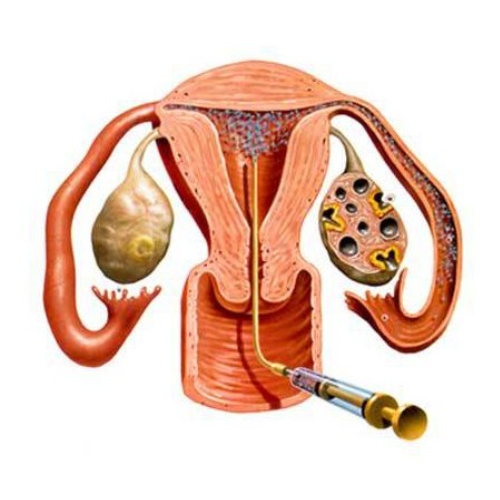
What it is: Controlled administration of medicated oils or decoctions into the uterine cavity (for women) or urinary tract (for men, via specific procedures) to nourish and cleanse the reproductive channels.
- Considered one of the most effective Ayurvedic treatments for female infertility, recurrent implantation failure, endometrial insufficiency and certain forms of menstrual dysfunction (given only after careful assessment).
- Improves local circulation, uterine lining quality (endometrial receptivity) and mucosal health; used in rehabilitative phase after infection and after diagnostic clearance.
- Requires strict asepsis, specialist administration and prior medical clearance.
Basti (Medicated Enema)
What it is: Medicated oil or decoction administered rectally to pacify Vata and support systemic detoxification and nourishment.
- Important for correcting Apana Vata (pelvic-vagal functions) — often implicated in infertility and menstrual irregularities.
- Used as a preparatory or rejuvenative therapy to restore pelvic nerve tone, regulate cycles and support reproductive tissue health.
- Prescribed selectively and only in appropriately assessed patients.
Abhyanga (Warm Oil Massage)
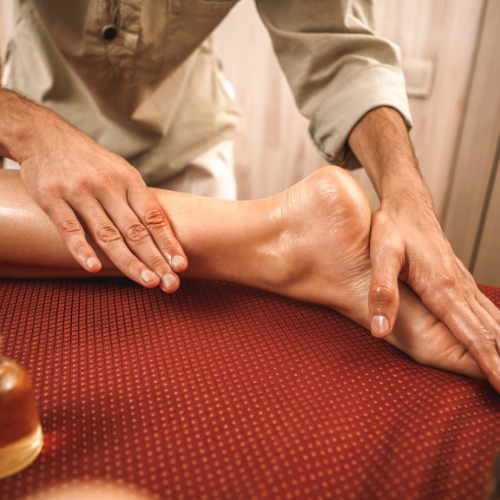
What it is: Systemic warm herbal oil massage tailored to pacify Vata, nourish Dhatus and improve circulation.
- Improves circulation to pelvic organs, calms nervous system and reduces stress — all supportive for fertility.
- Often used daily or several times a week in preparatory/rejuvenative phases, combined with gentle fomentation.
Shirodhara (Nervous System & Stress Support)
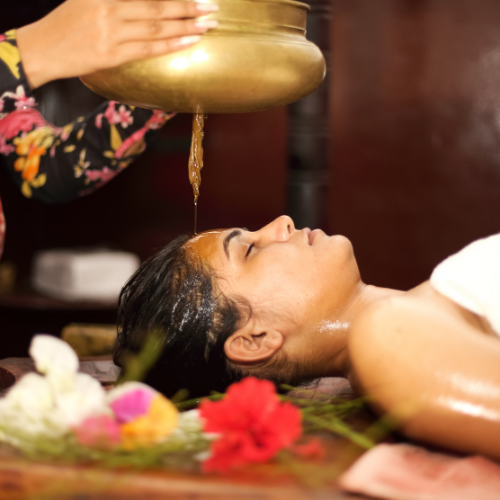
What it is: Continuous pouring of warm herbal oil or decoction on the forehead to calm the mind and autonomic nervous system.
- Useful to reduce chronic stress, anxiety and sleep disturbances that negatively affect hormonal balance and ovulation/spermatogenesis.
- Often paired with Abhyanga and counseling for best outcomes.
Njavara Kizhi (Rejuvenative Bolus Therapy)
What it is: Warm Njavara rice boluses cooked in herbal decoction applied over the body to provide deep nourishment and rejuvenation.
- Supports tissue-building (Dhatu Pushti), improves overall vitality and reproductive tissue quality — especially helpful in low-nourishment states.
- Used as part of Rasayana (rejuvenation) protocols to enhance gamete quality and general health prior to conception attempts.
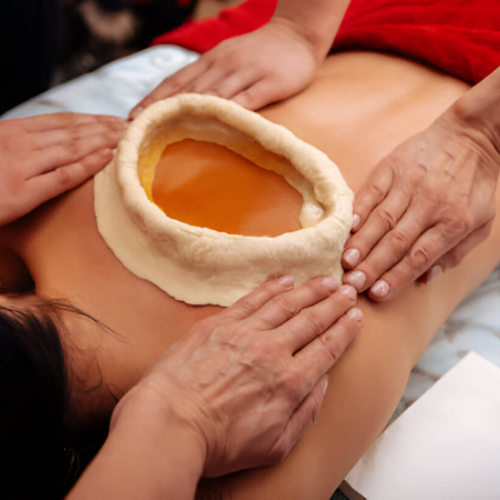
Kati Vasti (Local Lumbar Oil Retention)
What it is: Localized retention of medicated oil on the lower abdomen/lumbar region to improve local circulation and relieve pelvic tension.
- Helps reduce pelvic congestion, scarring-related discomfort and supports pelvic organ function when used alongside internal therapies.
- Useful where low-back/pelvic tension or Vata imbalance affects reproductive function.
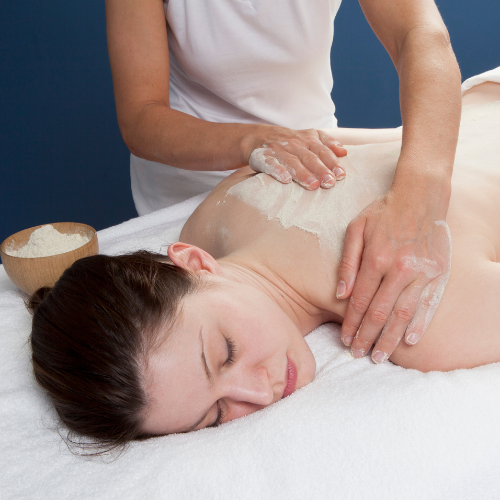
Udvartana (Herbal Powder Massage)
What it is: Vigorous medicinal powder massage that reduces excess Kapha and localized fat, and improves microcirculation.
- Helpful in overweight or metabolic syndrome patients where obesity and Kapha excess impair ovulation or sperm health.
- Used as part of preconception weight management and detoxification plan.
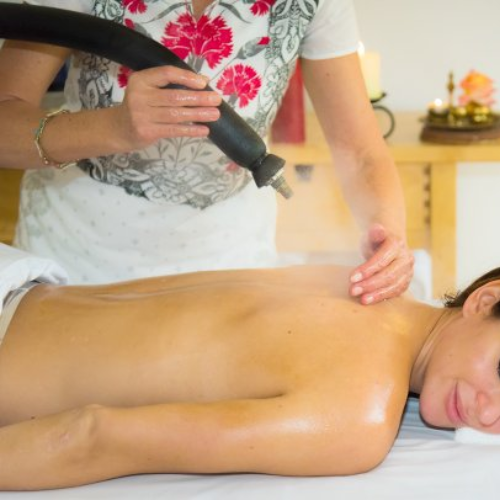
Nadi Swedan / Swedan (Localized Steam Therapy)
What it is: Localized or whole-body fomentation with steam to loosen stagnation and improve local circulation.
- Used to reduce pelvic congestion, relieve menstrual pain and enhance tissue receptivity when combined with oil therapies.
- Selected approach depending on patient tolerance and diagnosis.
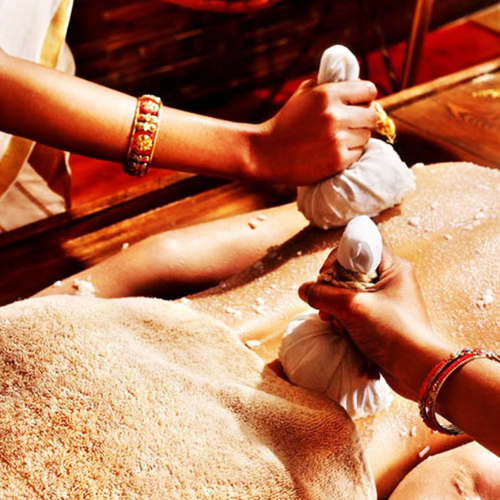
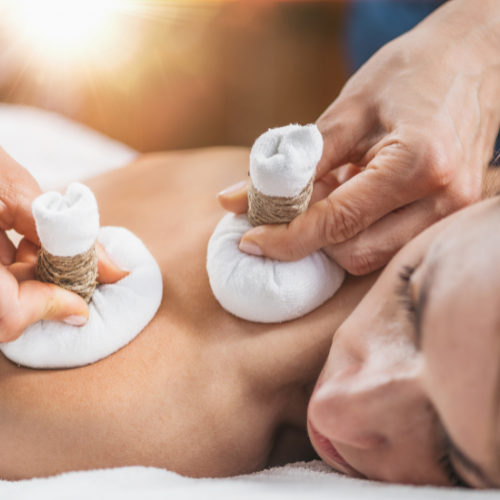
Patra Potli & Churn Potli (Herbal Bolus Massage)
What they are: Warm herbal boluses (Patra/leaf bolus or powdered churn-potli) applied over the lower abdomen and pelvic region to relieve stiffness and improve local nourishment.
- Used to relieve pelvic adhesions, improve circulation and support uterine health as an adjunct to internal therapy and Uttara Basti.
- Selected herbs and heat levels are chosen carefully for reproductive safety.
Lepam (Medicinal Pastes)
What it is: Topical medicinal pastes applied to lower abdomen or lumbar areas to reduce inflammation, improve circulation and break down localized stagnation.
- Often used with fomentation or after Abhyanga to enhance local effects on pelvic organs.
- Formulations chosen for safety and reproductive compatibility.
Oil Bath (Sneha Snana)
What it is: Warm medicinal oil bath or sitz-bath used to deeply nourish tissues and relax pelvic musculature.
- Supports circulation and pelvic relaxation, often part of preparatory regimen before Uttara Basti or Basti.
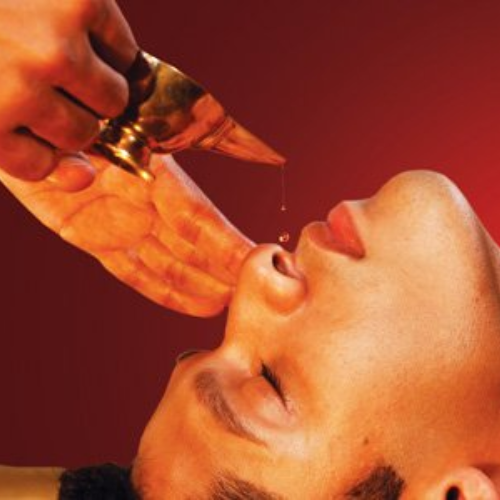
Nasyam (Nasal Therapy)
What it is: Administration of gentle, restorative medicated oils/powders via the nose to balance autonomic function and improve neuro-hormonal regulation.
- Helps regulate hypothalamic–pituitary axis indirectly by improving autonomic balance and reducing stress responses.
- Given carefully and only when indicated.
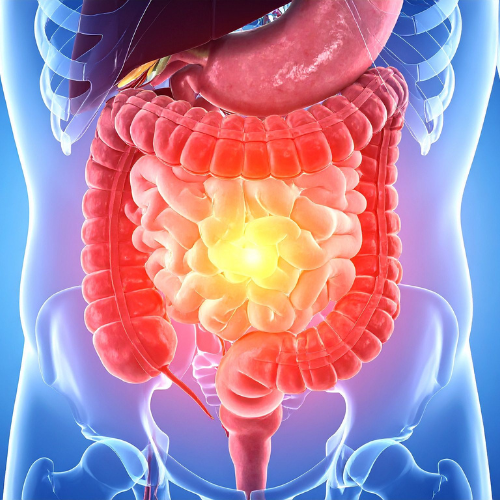
Virechana (Therapeutic Purgation) — Selective
What it is: Supervised purgation to remove Pitta-related toxins; used selectively when Pitta/Ama patterns are identified and patient is appropriate.
- May be used as part of a broader Panchakarma regimen to normalise metabolic and hormonal balance — only after thorough assessment and stabilization.
- Requires medical and Ayurvedic oversight; not used in acute illness or during active infection.
Herbal & Nutritional Support
Herbal medicines are selected after clinical assessment and coordinated with medical tests. Typical herbs used (as doctor-prescribed formulations) include:
- Shatavari (Asparagus racemosus): Promotes female reproductive tissue nourishment, supports ovulation and lactation-related functions.
- Ashwagandha (Withania somnifera): Supports male fertility (sperm quality), reduces stress and improves endocrine balance.
- Gokshura (Tribulus terrestris): Used in male sexual health and sperm support (used under supervision).
- Diet: Warm, nourishing, easily digestible meals; include whole grains, ghee in moderation, milk-based tonics (if tolerated), nuts and seeds, and fresh vegetables.
- Avoid: Excessive caffeine, alcohol, smoking, highly processed foods and extreme dieting — all of which impair fertility.
All internal herbs and tonics should be prescribed by a qualified Ayurvedic physician after review of blood tests and fertility reports. Avoid self-medication during fertility treatments.
Sample Clinic Plans (Illustrative)
Initial 4–6 week optimization- Medical fertility workup review & baseline labs
- Digestive correction, Abhyanga, Shirodhara for stress and sleep
- Targeted herbs for cycle regulation and semen quality
Detox & Rejuvenation (6–8 weeks)- Preparatory oils, selected Basti series and Njavara Kizhi
- Uttara Basti cycle (if indicated) administered by specialists
- Diet & lifestyle coaching for weight and metabolic balance
Pre-conception & Maintenance- Rasayana tonics (physician-prescribed), follow-up semen analysis/cycle monitoring
- Gentle maintenance therapies and periodic assessment
These plans are examples — individual protocols vary based on cause (ovulatory, tubal, male-factor, unexplained) and concurrent fertility procedures (IUI/IVF). We coordinate closely with reproductive specialists.
Quick Reference — Therapies & Roles
| Therapy | Primary role | Notes |
|---|
| Uttara Basti | Local uterine rejuvenation & receptivity | Key therapy; specialist & aseptic administration |
| Basti | Correct Apana Vata; pelvic nerve & gut-liver support | Part of systemic rejuvenation |
| Abhyanga | Systemic nourishment; stress reduction | Good preparatory therapy |
| Njavara Kizhi | Deep nourishment & tissue rebuilding | Rasayana for Dhatu quality |
| Shirodhara | Stress & hormonal regulation | Supportive adjunct |
| Udvartana | Manage Kapha/obesity-related infertility | Used in weight-management protocols |
Planning for conception? Get a safe Ayurvedic plan.
Book a consultation — we'll review your fertility reports, coordinate with your reproductive specialist, and design an evidence-minded, stepwise Ayurvedic plan to support conception and reproductive health.
Book ConsultationAll procedures are performed by qualified Ayurvedic physicians. Medical and fertility-specialist clearance (reports, labs) is mandatory before invasive or internal therapies.