What is an Ovarian Cyst?
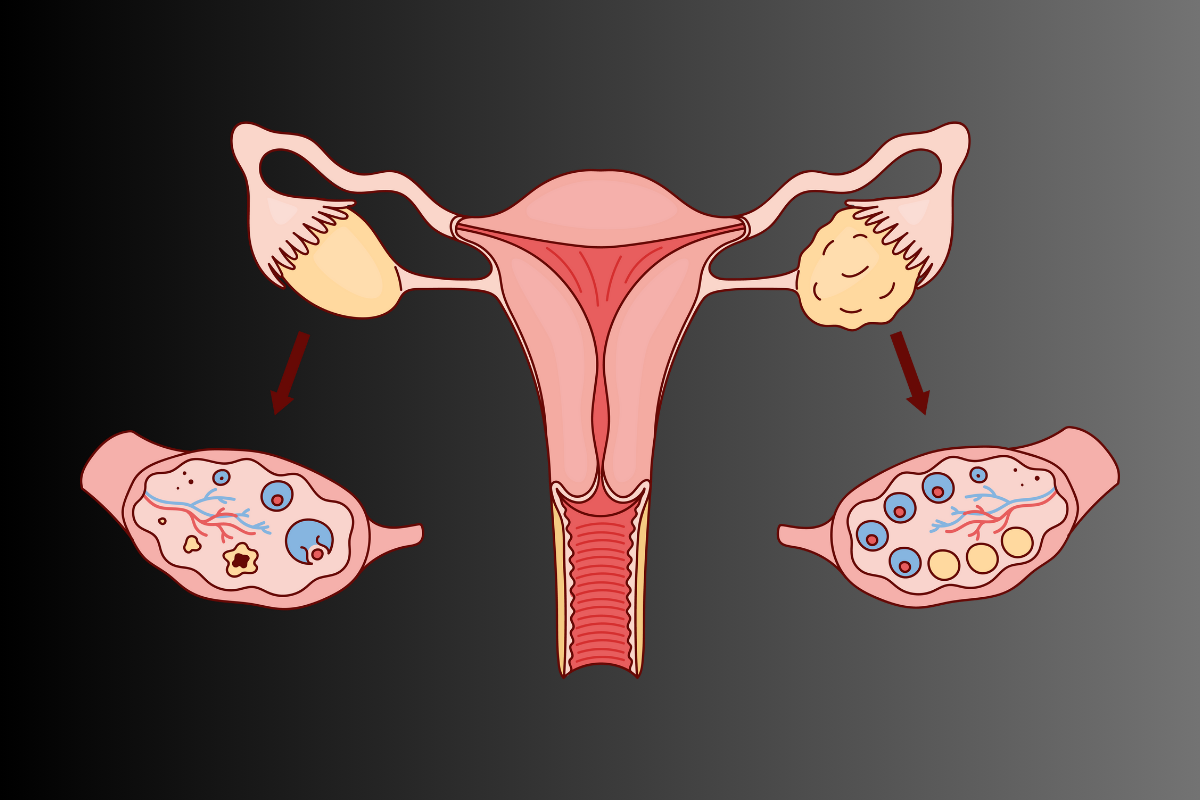
An ovarian cyst is a fluid-filled sac (or sometimes a semi-solid formation) that develops on or within an ovary. Many ovarian cysts are harmless and resolve on their own, but some can cause symptoms such as pelvic pain, bloating, menstrual irregularities or complications if large or persistent. :contentReference[oaicite:0]{index=0}
Common signs & investigations
- Pelvic or lower abdominal pain or heaviness, especially before/during menstruation. :contentReference[oaicite:1]{index=1}
- Menstrual disturbance (irregular periods, delayed cycles), fullness, bloating. :contentReference[oaicite:2]{index=2}
- Investigations: Ultrasound of pelvis/ovaries, hormonal markers, clinician review to rule out complications (rupture, torsion). :contentReference[oaicite:3]{index=3}
Ayurvedic perspective
In Ayurveda, ovarian cysts are often correlated with Kaphaja Granthi (nodular swellings due to Kapha Dosha) or Beejakosha Granthi (cystic growth in the ovary region). Therapies focus on balancing Kapha/Vata/Pitta, cleansing the channels (Srotas – especially Artavavaha, Rasa, Rakta) and resolving stagnation, inflammation and nodular growth. :contentReference[oaicite:6]{index=6}
Critical Safety Note
If a cyst is large, persistent, causing severe pain, rapid growth, suspicious imaging features or complications (rupture, torsion), urgent gynecological/surgical evaluation is required. Ayurvedic therapies are **complementary** and **not a substitute** for indicated conventional care. :contentReference[oaicite:7]{index=7}
Ayurvedic Care Pathway (Integrated)
- Medical evaluation & coordination: Confirm diagnosis (ultrasound/hormonal tests) and rule out urgent surgical need.
- Shamana (palliative) & supportive care: Herbal medicines to support hormonal balance, reduce inflammation, encourage healthy tissue metabolism. :contentReference[oaicite:8]{index=8}
- Shodhana (detox) / cleansing treatments: In select cases, therapies like Virechana (therapeutic purgation) or enema therapies may be indicated to cleanse the channels. :contentReference[oaicite:10]{index=10}
- Supportive external therapies: External treatments to improve circulation, reduce stagnation, support reproductive organs and relieve symptoms.
- Diet & lifestyle: Balanced diet low in heavy/fatty foods, regular exercise, stress-management, healthy weight and hormonal health as part of prevention. :contentReference[oaicite:11]{index=11}
Therapies We Use for Ovarian Cyst — with reference images
Below are the clinic therapies most relevant in managing ovarian cyst conditions — each includes an image for reference. All procedures are individualised and require prior medical/gynecological clearance.
Basti (Medicated Enema Therapy) Key
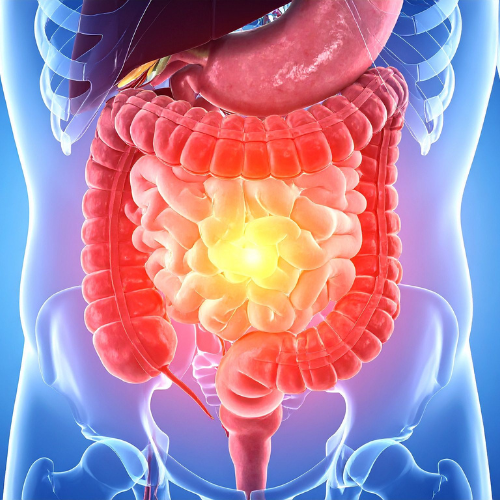
What it is: Therapeutic oil or decoction administered rectally (and/or certain uterine enemas in select cases) to cleanse and pacify Vata/Kapha and restore Apana Vayu in the pelvic region.
- Considered highly effective in gynecological disorders including cysts, prolapse, menstrual irregularities. :contentReference[oaicite:12]{index=12}
- Helps restore flow in Artavavaha Srotas (channels carrying menstrual/blood flows) and reduce nodular swelling (Granthi). :contentReference[oaicite:13]{index=13}
Virechana (Therapeutic Purgation) — Selected Use
What it is: A supervised purgation protocol aimed at eliminating aggravated Pitta (and associated toxins) and clearing the channels, particularly when Kapha/Vata dominance has led to cystic swelling.
- Clinical study in ovarian cysts showed reduction in size in many patients when Virechana + supportive medicines used. :contentReference[oaicite:14]{index=14}
- Careful selection required: patient should be stable, under supervision and ideally coordinated with gynecology.
Abhyanga (Warm Oil Massage)
What it is: Full-body warm herbal oil massage, emphasising the lower abdomen, flanks and pelvic region, to improve circulation, reduce stiffness and support reproductive-organ health.
- Helps relieve pelvic heaviness, improves lymphatic and blood flow, supports hormonal and tissue health in ovarian cyst conditions.
- Used as an adjunct especially during the initial and rehabilitation phases of treatment.
Shirodhara (Forehead Oil Pouring)
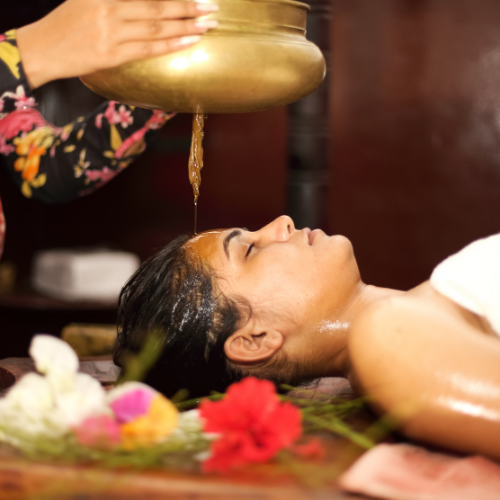
What it is: Gentle steady stream of warm herbal oil poured over the forehead to calm the nervous system, reduce stress and support hormonal balance.
- Stress, insomnia and hormonal imbalance often accompany ovarian cysts; Shirodhara is beneficial as a supportive therapy during the recovery phase.
- Not for immediate resolution but plays a key role in lifestyle/hormone support and preventing recurrence.
Herbal Medicines & Nutritional Support
Medicines and diet are tailored in ovarian cyst management to reduce Kapha/Vata imbalance, support hormone regulation, improve Agni (metabolic fire) and dissolve or shrink cystic tissues. Always under physician supervision.
- Kanchanar Guggulu: Traditionally used in nodular/cystic growths (Granthi) with Kapha/Vata dominance. :contentReference[oaicite:15]{index=15}
- Processed Guggulu with Triphaladi Kashaya: Clinical study showed reduction in cyst size (60 %) and resolution (≈27 %) in ovarian cysts after Virechana followed by these medicines. :contentReference[oaicite:16]{index=16}
- Herbs for hormonal & cyst support: Example – Turmeric (Curcuma longa) for inflammation; herbs like Triphala, Ashoka bark, etc. :contentReference[oaicite:17]{index=17}
- Diet: Balanced, light, easy to digest; emphasise whole-grains, vegetables, moderate protein, low in heavy oils/fats; avoid refined sugars and processed foods.
- Avoid: Excessive fatty foods, frequent snacking, large meals late at night, high-stress lifestyle, skipping rest during menstruation. :contentReference[oaicite:18]{index=18}
- Lifestyle: Regular moderate exercise (yoga, walking), stress management, proper sleep, avoid weight gain and maintain healthy hormonal/metabolic state. :contentReference[oaicite:19]{index=19}
If the cyst is large, persistent, symptomatic or has suspicious features (solid components, rapid growth) then surgical/gynecological care may be required — Ayurveda can complement but not replace such interventions. :contentReference[oaicite:20]{index=20}
Sample Clinic Plans (examples)
Initial Stabilisation & Symptom Relief- Gynecological assessment, ultrasound review.
- Supportive therapies: Abhyanga, Shirodhara, diet & herbal support.
- Avoid heavy detox until safe, no surgery substitution without assessment.
Detox & Cyst-Support (after clearance)- Preparatory therapies → Virechana (if indicated) → followed by oral medicines (Kanchanar Guggulu etc).
- Supportive external therapies: Basti, Abhyanga.
- Diet, lifestyle overhaul, hormone-balancing herbs.
Maintenance & Follow-up- Periodic check-ups, ultrasound monitoring.
- Lifestyle & diet reinforcement, stress/hormone support.
- Prevent recurrence: maintain healthy weight, avoid stagnation, keep Agni strong.
All detox or Panchakarma procedures (especially Basti, Virechana) require qualified Ayurvedic physician supervision, prior medical clearance and pre/post-procedure instructions. :contentReference[oaicite:21]{index=21}
Quick Reference — Therapies & Roles
| Therapy | Primary Role | Notes |
|---|
| Basti | Restore Apana Vayu, cleanse pelvic channels | Key therapy for gynecological cysts |
| Virechana | Expel aggravated Pitta/Kapha, clear nodular swelling | Selected use, requires clearance |
| Abhyanga | Improve circulation, relieve pelvic heaviness | Supportive in initial & rehab phase |
| Shirodhara | Calm nervous system, support hormones | Adjunct recovery/support role |
Need a safe Ayurvedic plan for ovarian cyst support?
Book a consultation — we will review your ultrasound/hormonal report, coordinate with your gynecologist if needed, and design a step-wise, monitored Ayurvedic plan to support ovarian health and cyst management.
Book ConsultationAll procedures are performed by qualified Ayurvedic physicians. Medical clearance (imaging, labs, clinician review) is mandatory before detox therapies.