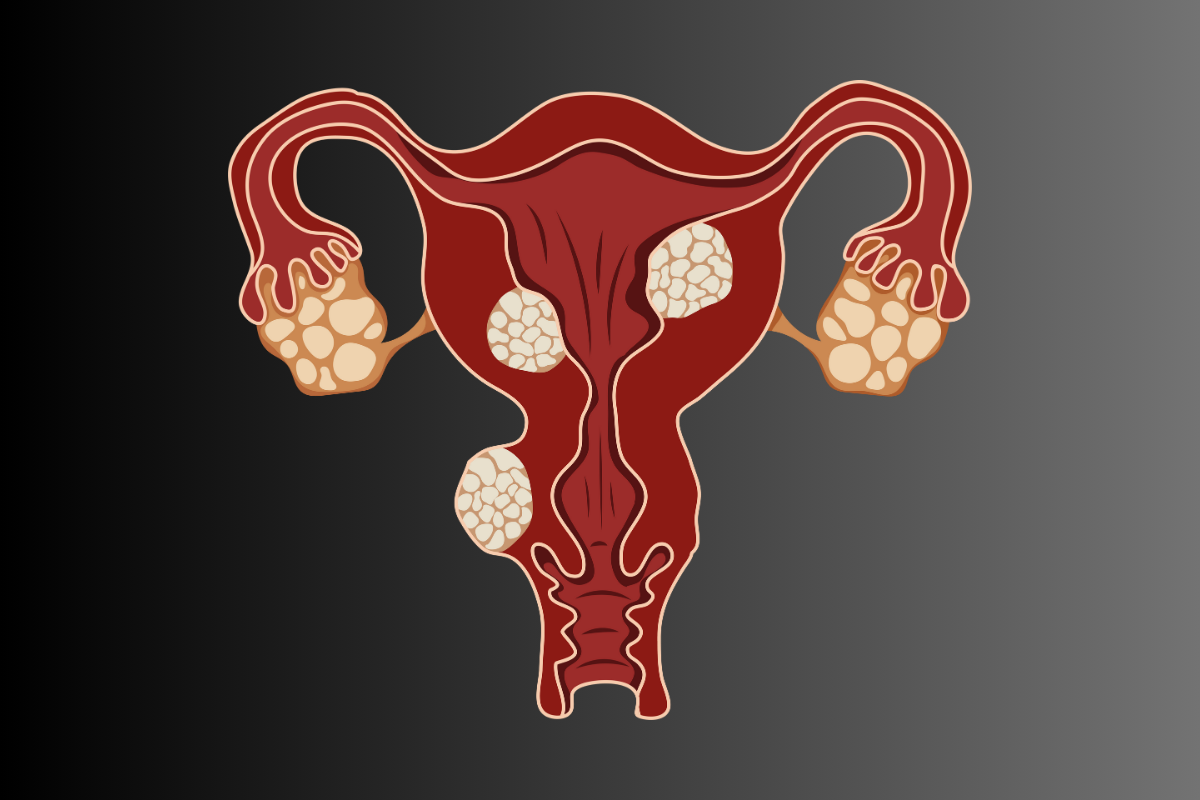
What are Uterine Fibroids?
Uterine fibroids (leiomyomas) are benign growths of the uterine muscle that may cause heavy menstrual bleeding, pelvic pain/pressure, urinary symptoms and fertility issues. Size, number and location determine symptoms and management choices. Medical/surgical evaluation (ultrasound, gynecologic exam) is essential to decide the correct pathway.
Clinical points
- Common symptoms: heavy/prolonged periods, pelvic pain, pressure on bladder/bowel, anemia, infertility in some cases.
- Investigations: pelvic ultrasound, hemoglobin, and gynecologist-led assessment to rule out red-flag causes.
Ayurvedic view (brief)
Ayurveda classifies fibroid-like growths under Granthi/Arbuda/Garbha granthi-related disorders, often involving Kapha (stagnation, growth) and Vata (distortion, pain). Treatment aims to reduce mass effect, normalize bleeding, remove Ama, balance Doshas and strengthen uterine tissues (Yoni/Vakra chikitsa).
Important Safety Note
Fibroids may require conventional medical or surgical management (e.g., when causing severe bleeding, rapid growth, or fertility issues). Ayurveda can be an adjunct or conservative option for symptom control and size-reduction protocols in selected patients — only under gynecologic oversight and ultrasound monitoring. Any Panchakarma or intra-uterine procedure (Uttara Basti) is given only after careful screening and informed consent.
Ayurvedic Care Strategy for Fibroids
- Medical coordination: baseline ultrasound, hemoglobin and gynecologic review before starting Ayurvedic interventions.
- Conservative medical (Shamana): internal herbal formulations (Ashoka, Lodhra, Kanchanar Guggulu, Shatavari, Triphala) to reduce bleeding, inflammation and support uterine tone.
- Panchakarma & local therapies: procedures that reduce local congestion, break Ama and normalize local circulation — especially Uttara Basti (selected gynecological instillation), Basti (systemic enemas), Patra/Churna potli & external lepa, Kati Vasti for pelvic pain and Swedana to reduce congestion.
- Rehabilitation: nourishing and rejuvenating therapies, diet correction and periodic ultrasound follow-up to assess size and symptoms.
Therapies Useful in Fibroid Management — with reference images
Only therapies commonly used for fibroid symptom relief and uterine support are listed below. All treatments are individualized and require gynecologic clearance and monitoring.
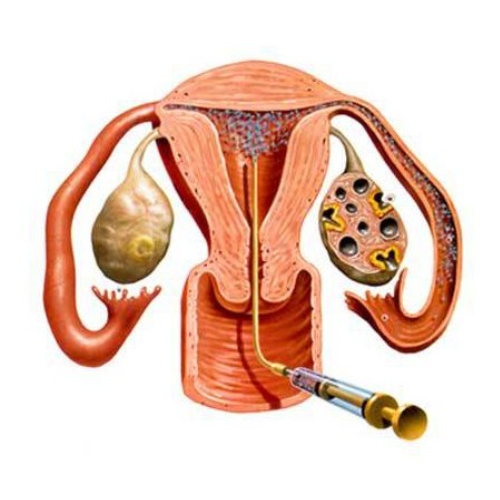
Uttara Basti (Intra-uterine/Urogenital Instillation) Key
What it is: A medicated oil or decoction delivered into the uterine cavity/vaginal route under strict conditions to target local pathology.
- Used in many Ayurvedic gynecologic protocols for fibroids, heavy bleeding and infertility-related conditions when indicated by the physician.
- Requires sterile technique, correct patient selection (not done during pregnancy, active infection, or heavy anemia) and ultrasound/clinical oversight.
Basti (Medicated Enema) — Systemic Support
What it is: Medicated oil (Anuvasana) or decoction (Niruha) enemas to balance Vata, clear pelvic stagnation and improve gut-uterine axis.
- Used as a systemic part of Panchakarma protocols to help correct pelvic doshic imbalance and reduce stagnation that contributes to growths.
- Prescribed selectively and after full evaluation; helps as preparatory or post-procedural therapy alongside Uttara Basti.
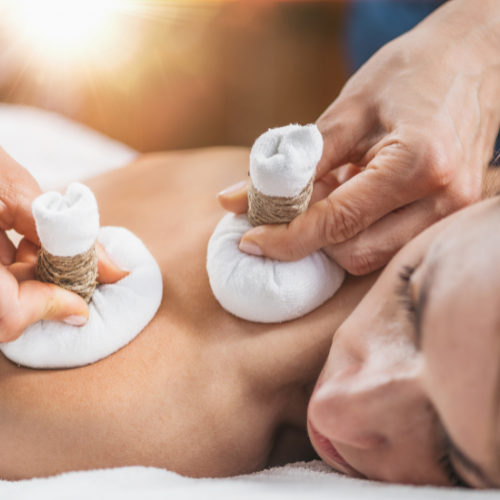
Patra Potli / Churn Potli (Herbal Poultices)
What it is: Warm herbal boluses (potli) of leaves/powder applied over the lower abdomen to reduce local congestion and pain.
- Used to improve local circulation, reduce pelvic congestion and relieve cramps/pressure sensations.
- Formulations chosen to be Lekhaniya (scraping/reducing) and anti-inflammatory where appropriate.
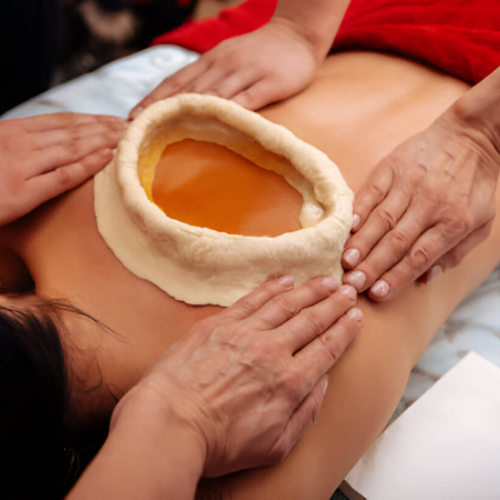
Kati Vasti (Local Oil Retention on Lower Abdomen/Pelvis)
What it is: Warm medicated oil held over the pelvic/lumbar region in a dough dam to target pain and local Vata-Kapha tension.
- Helpful for pelvic/back pain and to reduce stiffness; supports circulation to pelvic organs.
Lepam (Herbal Pastes)
What it is: Topical pastes with herbal powders to apply over the lower abdomen to reduce local swelling, heat and pain.
- Used alongside potli therapies to provide local Lekhana (reducing) and soothing effects.
Swedana / Nadi Swedan (Herbal Steam)
What it is: Local or systemic steam therapies to liquefy and mobilize stagnation and improve tissue perfusion.
- Useful to reduce pelvic congestion before local therapies; done under careful monitoring, avoiding excess heat if significant inflammation exists.
Abhyanga (Gentle Warm Oil Massage)
What it is: Gentle, Pitta/Kapha-balancing massage to improve circulation, reduce stress and prepare the body for deeper procedures.
- Used as preparatory conditioning and to relieve cramps, anxiety and insomnia related to heavy bleeding or pelvic pain.
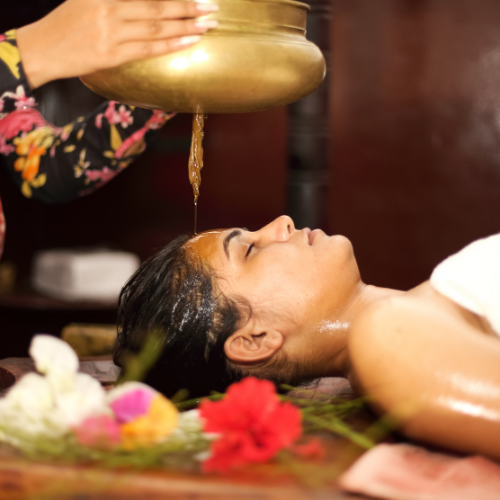
Shirodhara (Nervous System Support) — Adjunct
What it is: Continuous gentle pouring of oil to reduce stress, sleep disturbance and systemic tension that may worsen symptoms.
Herbal Medicines & Nutritional Support
Herbal choices focus on reducing bleeding, reducing congestion (Kapha), providing Lekhana (scraping/reducing) and uterine tonics. Always prescribed and dosed by an Ayurvedic physician with gynecologic coordination.
- Ashoka (Saraca asoca): classical uterine tonic that helps regulate menses and reduce bleeding.
- Lodhra (Symplocos racemosa): used for uterine bleeding and inflammation control.
- Kanchanar Guggulu: classical formulation for growths, glandular swellings and lymphatic/pitta-kapha reduction.
- Shatavari (Asparagus racemosus): uterine nutritive and hormonal-support herb.
- Adjuncts: Triphala for digestive support and mild cleansing; Guggulu preparations for Lekhana action when appropriate.
- Diet: Light, warm, easily digestible food; avoid excess cold/raw, heavy oily foods and reduce kapha-promoting items (excess sweets/dairy) while correcting anemia if present.
- Monitoring: follow-up ultrasound and blood tests (Hb, iron, other labs) as advised by your care team.
Herbal medicines and internal formulations must be chosen with attention to interactions, pregnancy status and concurrent conventional treatments — always prescribed by a clinician.
Sample Clinic Plans for Fibroids (examples)
Conservative symptom control- Gynecologic assessment & ultrasound
- Herbal Shamana therapy (Ashoka, Lodhra, Shatavari) + iron correction if anemic
- Diet, rest and periodic monitoring
Integrated Panchakarma approach- Preparatory Abhyanga & mild Swedana → Systemic Basti protocols (as indicated)
- Uttara Basti series under sterile/monitoring conditions (selected cases)
- Local potli / Lepam / Kati Vasti for pain and congestion
Rehabilitation & maintenance- Njavara-type nourishing therapies if required, lifestyle and dietary rehab
- Long-term herbal support, exercise and follow-up ultrasound
All plans are individualized. If fibroids are large, symptomatic or affecting fertility, surgical/gynecological options should be discussed and coordinated with your care team.
Quick Reference — Therapies & Roles
| Therapy | Primary role | Notes |
|---|
| Uttara Basti | Direct uterine/local therapy | Primary intra-uterine/uterine instillation; strict selection required |
| Basti | Systemic pelvic balance | Part of Panchakarma – supports gut-uterine axis |
| Patra / Churna Potli | Local decongestion & pain relief | Warm herbal poultices applied to lower abdomen |
| Kati Vasti | Lower back / pelvic pain relief | Local oil retention; helps pelvic perfusion |
| Lepam | Local anti-inflammatory & reducing | Topical herbal pastes to reduce swelling |
| Abhyanga / Swedana | Preparatory & circulation support | Gentle techniques to prepare for deeper therapies |
Want a safe, individualized Ayurvedic plan for fibroids?
Book a consultation — we will review your ultrasound, labs and symptoms, coordinate with your gynecologist, and design a monitored plan combining herbal and procedural care where appropriate.
Book ConsultationAll procedures are performed by qualified Ayurvedic physicians. Gynecologic clearance (ultrasound, clinician review) is mandatory before intra-uterine or Panchakarma therapies.