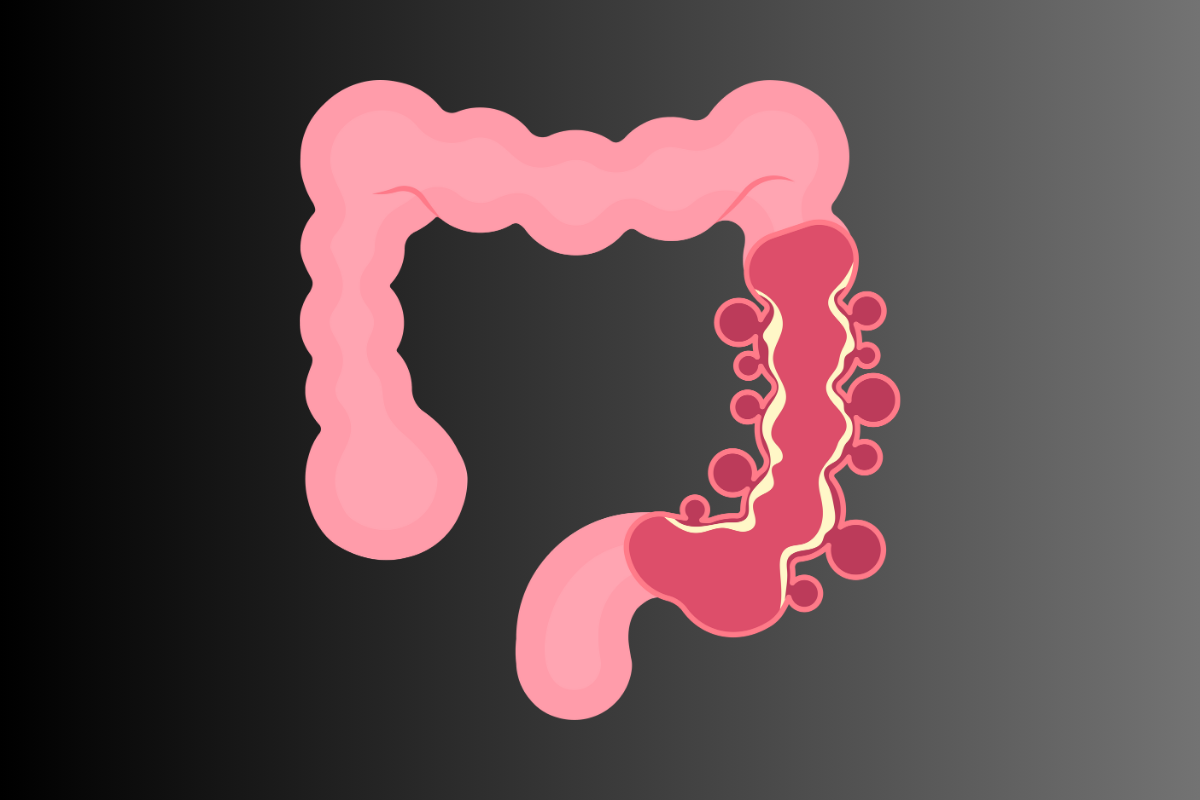
What is Irritable Bowel Syndrome (IBS)?
Irritable Bowel Syndrome (IBS) is a functional gastrointestinal disorder marked by recurrent abdominal discomfort or pain, associated with altered bowel habits (such as constipation, diarrhea, or mixed pattern) and no identifiable structural cause. :contentReference[oaicite:1]{index=1}
Common signs & investigations
- Abdominal pain or discomfort, bloating, urgency or incomplete evacuation. :contentReference[oaicite:2]{index=2}
- Changes in stool frequency or form (diarrhea predominant, constipation predominant, mixed). :contentReference[oaicite:3]{index=3}
- Investigations typically aim to exclude structural disease; management focuses on symptoms and quality of life. :contentReference[oaicite:4]{index=4}
Ayurvedic perspective
In Ayurveda, IBS is often conceptualised as Grahani or disturbances in the annavaha srota (digestive channel) with vitiation of Vata (and often Pitta/Kapha) and compromised Agni (digestive fire) leading to Ama (undigested toxins) accumulation. :contentReference[oaicite:6]{index=6} Treatment therefore focuses on rebuilding digestive fire, regulating bowel movements, clearing Ama, calming Vata & Pitta, supporting gut-nerve axis. :contentReference[oaicite:7]{index=7}
Critical Safety Note
If you experience alarming symptoms such as blood in stool, unintentional weight loss, persistent severe pain, or signs of systemic disease — you must seek conventional medical evaluation first. Ayurvedic therapies may complement care but do **not** replace specialist gastroenterology evaluation. :contentReference[oaicite:8]{index=8}
Ayurvedic Care Pathway (Integrated)
- Medical evaluation & coordination: Rule out organic pathology (ultrasound/colonoscopy etc) before commencing detox or deep therapies.
- Shamana & supportive care: Gentle herbs and diet to restore Agni, digest Ama, regulate bowel habits. :contentReference[oaicite:9]{index=9}
- Shodhana / cleansing (selective): Procedures like medicated enemas (Basti) or mild purgation may be considered in suitable patients. :contentReference[oaicite:10]{index=10}
- External & supportive therapies: Oil therapies, herbal steam, abdominal support therapies to calm Vata, reduce spasm & bloating. :contentReference[oaicite:11]{index=11}
- Diet & lifestyle: Scheduled meals, warm easily digestible foods, avoidance of aggravating foods & stress-management through yoga/meditation. :contentReference[oaicite:12]{index=12}
Therapies We Use for IBS — with reference images
Below are therapeutic procedures particularly supportive in the management of IBS. Each therapy includes an image for reference. All procedures are patient-specific and require prior evaluation. :contentReference[oaicite:13]{index=13}
Abhyanga (Warm Oil Massage)
What it is: Full-body herbal oleation that calms Vata, improves circulation, relaxes abdominal muscle tension and supports gut-nerve axis.
- Reduces stress and tension associated with IBS. :contentReference[oaicite:14]{index=14}
- Prepares body for deeper therapies and improves lymphatic/intestinal motility.
Swedana (Herbal Steam / Warm Decoction Steam)
What it is: Warm steam therapy to relieve abdominal stagnation, reduce bloating, relax spasms and facilitate digestive fire.
- Helps relieve abdominal discomfort, gas, bloating in IBS. :contentReference[oaicite:15]{index=15}
- Improves circulation and supports gentle detoxification of Ama.
Shirodhara (Forehead Oil Pouring)
What it is: Warm herbal oil gently poured over forehead to calm nervous system, relieve stress, support gut-brain axis which is key in IBS.
- Stress and nervous-system disturbances often accompany IBS — this therapy helps regulate them. :contentReference[oaicite:16]{index=16}
- Improves sleep and overall nervous relaxation, beneficial in IBS management.
Basti (Medicated Enema) — Selected Use
What it is: Medicated oil or decoction enema designed to normalise bowel movements, soothe intestines, clear Ama and balance Vata/Kapha.
- Used in chronic IBS cases under physician supervision. :contentReference[oaicite:17]{index=17}
- Aims to regulate stool pattern (constipation/diarrhea) and rehabilitate gut lining.
Herbal Medicines & Nutritional Support
Internal herbal medicines and food-lifestyle support are core parts of IBS management in Ayurveda — selected carefully per individual. :contentReference[oaicite:18]{index=18}
- Ginger: Improves digestion, relieves abdominal cramps and bloating. :contentReference[oaicite:19]{index=19}
- Fennel / Coriander: Carminative herbs that relieve gas, support Agni in IBS. :contentReference[oaicite:20]{index=20}
- Licorice, Aloe Vera: Demulcent & soothing for gut mucosa especially in IBS with irritative symptoms. :contentReference[oaicite:21]{index=21}
- Diet: Warm, easily digestible meals; avoid heavy/spicy/fried/ cold foods; regular meal timing helps. :contentReference[oaicite:22]{index=22}
- Avoid: Processed foods, high-FODMAP triggers, raw/cold food, excessive caffeine, irregular meals. :contentReference[oaicite:23]{index=23}
- Lifestyle: Stress management, yoga, pranayama, regular routine & sleep. These are essential because gut-brain axis is important in IBS. :contentReference[oaicite:24]{index=24}
In cases of severe or refractory IBS, combining conventional care with Ayurveda may be beneficial; always coordinate with your physician. :contentReference[oaicite:25]{index=25}
Sample Clinic Plans (examples)
Initial supportive phase- Assessment & baseline (bowel pattern, diet, lifestyle, stress).
- Gentle therapies: Abhyanga, Swedana, diet correction & herbs.
- Avoid aggressive cleansing until gut is stable.
Therapy & clearing phase- Targeted therapy: Basti (if suitable), deeper oil/steam therapies, herbals for Ama and bowel regulation.
- Integrate yoga/pranayama and stress-management.
Maintenance & follow-up- Regular diet/lifestyle adherence, occasional supportive therapies.
- Monitor bowel pattern, manage triggers, maintain gut-health and prevent recurrences.
Therapies like Basti should only be performed when patient is clinically stable, with informed consent and by qualified Ayurvedic physician. :contentReference[oaicite:26]{index=26}
Quick Reference — Therapies & Roles
| Therapy | Primary role | Notes |
|---|
| Abhyanga | Relax Vata, improve circulation & gut-nerve axis | Gentle full-body oil massage |
| Swedana | Relieve stagnation, bloating & reset Agni | Warm steam therapy for abdomen |
| Shirodhara | Calm nervous system, reduce stress-triggered IBS | Forehead oil pouring |
| Basti | Regulate bowel movement, clear Ama, support gut lining | Medicated enema under supervision |
Need a safe Ayurvedic plan for IBS?
Book a consultation — we will review your bowel-pattern, diet, lifestyle, coordinate with your physician and design a step-wise, monitored Ayurvedic plan to support gut health and relief from IBS symptoms.
Book ConsultationAll procedures are performed by qualified Ayurvedic physicians. Medical evaluation and coordination are recommended before deep therapies.