What is Gastritis?
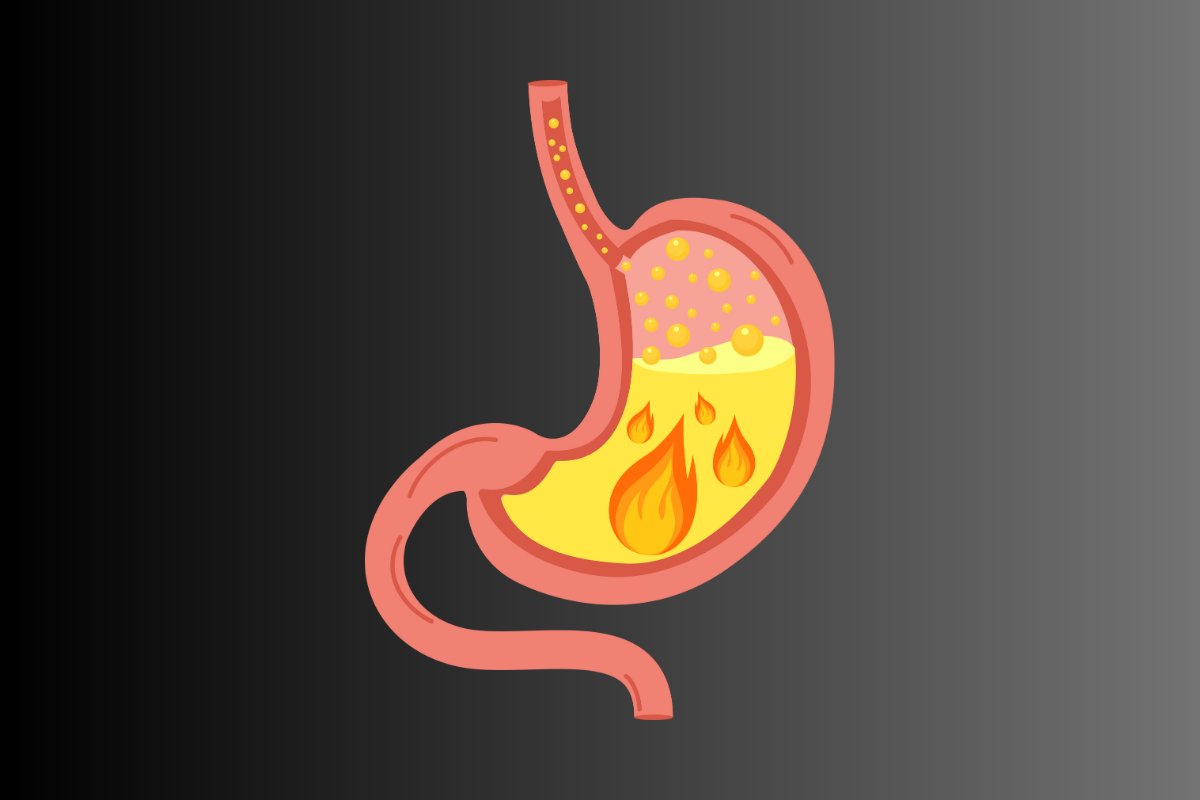
Gastritis is inflammation of the stomach lining (gastric mucosa) which can be acute or chronic. Causes include infections (Helicobacter pylori), long-term NSAID use, alcohol, stress, autoimmune conditions, or dietary irritants. Symptoms commonly include upper abdominal pain, burning, nausea, bloating, early satiety and sometimes vomiting or bleeding.
Common signs & investigations
- Symptoms: burning epigastric pain, heartburn, nausea, belching, loss of appetite, bloating, occasional vomiting, melena or hematemesis in severe cases.
- Important tests: upper GI endoscopy (to visualise mucosa), H. pylori testing (urea breath/stool/biopsy), CBC (for anaemia), LFTs, abdominal ultrasound if indicated.
- Acute severe bleeding, suspected perforation or severe dehydration require immediate medical attention.
Ayurvedic perspective
Gastritis maps to Amavata/Vyadhi related to Agni disturbances and Pitta/kapha imbalance in the stomach (Antravaha Srotas). It is commonly seen as aggravated Pitta with accumulated Ama (undigested toxins) and impaired Jatharagni (digestive fire). Treatment aims to remove Ama, pacify Pitta, strengthen Agni and restore mucosal health.
Critical Safety Note
If you have severe abdominal pain, vomiting blood, black stools, high fever or signs of shock — seek emergency medical care immediately. Ayurvedic therapies can safely support healing in mild–moderate and recovery phases, but they do not replace urgent medical interventions or specific eradication therapy (e.g., for H. pylori) when indicated. We coordinate care with medical teams and require relevant investigations before starting clinic procedures.
Ayurvedic Care Pathway (Integrated)
- Medical evaluation & coordination: Confirm cause (e.g., H. pylori, NSAID injury), rule out alarm features and stabilise before procedures.
- Remove Ama & rebalance Agni: Gentle digestive support, herbal medicines that are gastric-soothing and anti-inflammatory (under supervision).
- Pitta pacification & mucosal healing: Therapies that cool and soothe the gastric lining and reduce acid/irritation.
- Supportive local therapies: Kashaya Dhara (herbal decoction pouring), Patra/Churn Potli (warm poultices), Lepam (herbal pastes) and gentle Abhyanga/Swedan to relieve pain, spasm and improve digestion.
- Selective detox & gut–axis restoration: Basti or Virechana may be considered only after medical clearance and when clinical pattern indicates — chosen carefully depending on Dosha pattern and stability.
- Diet & lifestyle: Rebuilding with soothing, easy-to-digest foods, avoiding irritants and stress management (Shirodhara, counselling).
Therapies We Use for Gastritis — with reference images
The following clinic therapies are particularly helpful for reducing gastric inflammation, removing Ama, calming Pitta, soothing the mucosa and restoring digestive strength. Each therapy includes a reference image. All procedures are individualized and require prior medical clearance.
Kashaya Dhara (Herbal Decoction Pouring) Top
What it is: Continuous, gentle pouring of warm, stomach-soothing herbal decoction over the upper abdomen or chest area.
- Soothes inflamed gastric mucosa, reduces burning and local discomfort.
- Decoctions chosen for anti-inflammatory and mucoprotective effects (formulations selected for liver/gastric safety).
- Used in sub-acute and recovery phases to calm Pitta and improve local circulation.
Patra Potli (Herbal Leaf Poultice)
What it is: Warm poultices made with medicinal leaves and herbal decoctions applied gently over the epigastrium.
- Delivers localized warmth and phytochemical action to reduce spasm, pain and inflammation.
- Helps dislodge Ama and soothe the stomach lining when used with appropriate oils/decoctions.
- Safe, non-invasive adjunct in symptomatic relief and digestion support.
Churn Potli (Powdered Herb Poultice)
What it is: Warm boluses made with medicated powders and decoctions applied externally to the stomach area.
- Useful for reducing local inflammation, relieve mild spasms and support digestion.
- Chosen for gentleness — used in early recovery and to avoid irritating the mucosa.
Lepam (Herbal Paste Application)
What it is: Application of a cooled, medicated paste over the epigastrium to reduce burning and inflammation.
- Topical mucosal-cooling effect via transdermal action; useful for symptomatic relief of heartburn and burning pain.
- Formulations avoid irritant herbs; applied briefly with monitoring.
Abhyanga (Warm Oil Massage)
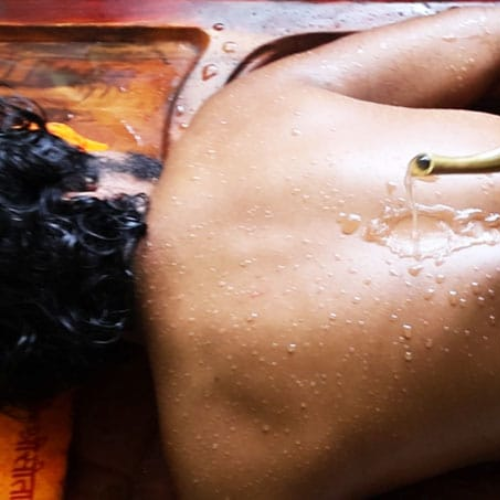
What it is: Gentle, warm herbal oil massage tailored to pacify Pitta and calm the nervous system.
- Reduces stress-driven gastric hyperacidity, improves circulation and promotes parasympathetic relaxation.
- Light, short sessions are preferred in active gastric irritation to avoid stimulating digestion excessively.
Swedan (Therapeutic Steam) — Local/General
What it is: Controlled steam therapy to promote gentle sweating and improve circulation.
- Local mild steam to the abdomen (Nadi Swedan style) can help relieve spasm and improve digestive circulation.
- Used cautiously — excessive heat or prolonged steam may aggravate Pitta; applied mildly and briefly for gastritis.
Shirodhara (Nervous System Support)
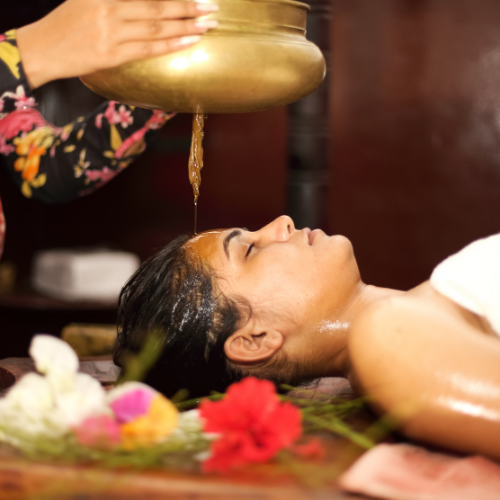
What it is: Continuous, gentle pouring of warm medicated oil on the forehead to calm the mind and nervous system.
- Reduces stress and anxiety — important because stress worsens acid secretion and delays healing.
- Helps restore sleep and normalize autonomic tone, aiding gastric recovery.
Nasyam (Nasal Therapy) — Adjunct
What it is: Administration of gentle medicated oils or herbal drops via the nose to harmonize head and digestion.
- Used when upper digestive symptoms (taste disturbance, decreased appetite) persist; supports autonomic balance and appetite regulation.
- Given only in stable, mild cases and using liver/gastric-safe formulations.
Basti (Medicated Enema) — Selected Use
What it is: Medicinal oil or decoction administered rectally to restore vata balance and improve gut–brain axis.
- Selected when Vata involvement/constipation perpetuates gastric symptoms or to restore gut motility after acute phase.
- Only performed after medical clearance and when patient is clinically stable.
Virechana (Therapeutic Purgation) — Selective
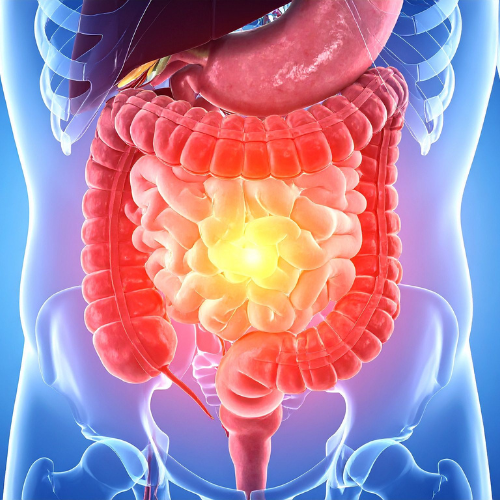
What it is: Supervised herbal purgation used in Pitta-dominant patterns to remove intestinal Pitta and reduce gastric acidity.
- May be considered for chronic Pitta-type gastritis after careful assessment and stabilization.
- Requires preparatory oleation, monitoring of vitals and labs; not for acute bleeding or severe gastric ulceration without medical clearance.
Herbal Medicines & Nutritional Support
We use evidence-informed, gentle herbs and dietary measures that prioritise mucosal protection and digestive recovery. All internal medicines are prescribed after clinical assessment and, if needed, in coordination with conventional care.
- Amlapitta & Pitta-pacifying herbs: Licorice (mulethi) in controlled forms for mucosal protection, Guduchi for immune support, and Aloe (in small, clinician-directed doses) for soothing. (Prescribed carefully depending on comorbidities.)
- Antimicrobial adjuncts: When H. pylori is present, Ayurvedic herbs may be used as supportive therapy alongside eradication therapy — only with coordinating physician consent.
- Diet: Small, warm, bland meals — rice gruel (kanji), moong dal khichdi, steamed vegetables, buttermilk (as advised), avoid coffee, alcohol, spicy fried foods and heavy sugars.
- Behavioural: Avoid late-night meals, sleep elevation for reflux, stress reduction (breathing, guided relaxation) and gradual reintroduction of restricted foods.
If ulceration, significant blood loss or H. pylori infection is diagnosed, follow indicated medical treatment; Ayurveda plays a supportive role in mucosal healing and relapse prevention under coordinated care.
Sample Clinic Plans (examples)
Acute symptomatic care- Medical evaluation (endoscopy/H. pylori testing as indicated)
- Rest, bland diet, short course of soothing herbal medicines
- Topical therapies (Kashaya Dhara, Lepam, Patra/Churn Potli) for quick symptomatic relief
Recovery & mucosal healing- Supportive Kashaya Dhara and short Abhyanga + mild Swedan
- Shirodhara for stress reduction and appetite normalization
- Targeted herbs (licorice, guduchi) and diet rehabilitation
Chronic management & prevention- Address contributing factors (NSAID use, alcohol, chronic stress)
- Periodic supportive sessions, lifestyle counselling and gut–microbiome care (Basti when indicated)
- Follow-up testing and medical coordination for eradication or ulcer healing confirmation
Any detox or purification procedures (Virechana, Basti) are considered only after clinical stability and test-based clearance. Written informed consent and pre/post procedure instructions are provided.
Quick Reference — Therapies & Roles
| Therapy | Primary role | Notes |
|---|
| Kashaya Dhara | Local gastric soothing & anti-inflammatory | Topical decoction pouring for epigastric relief |
| Patra / Churn Potli | Local poultices for spasm/pain relief | Gentle, warming topical applications |
| Lepam | Cooling herbal paste for burning & inflammation | Short duration topical use |
| Abhyanga & Swedan | Stress reduction, circulation & digestive regulation | Use mild techniques; avoid overstimulation |
| Shirodhara | Stress & autonomic balance | Adjunct for stress-driven gastritis |
| Nasyam | Appetite & autonomic support | Adjunct in selected, stable cases |
| Basti / Virechana | Selected gut-axis & Pitta clearance | Only after medical clearance and careful selection |
Need a safe Ayurvedic plan for Gastritis?
Book a consultation — we'll review your tests, coordinate with your physician, and design a stepwise, monitored Ayurvedic plan focused on mucosal healing and digestive restoration.
Book ConsultationAll procedures are performed by qualified Ayurvedic physicians. Medical clearance (tests, clinician review) is mandatory before certain therapies.