What is Acidity (Amlapitta)?
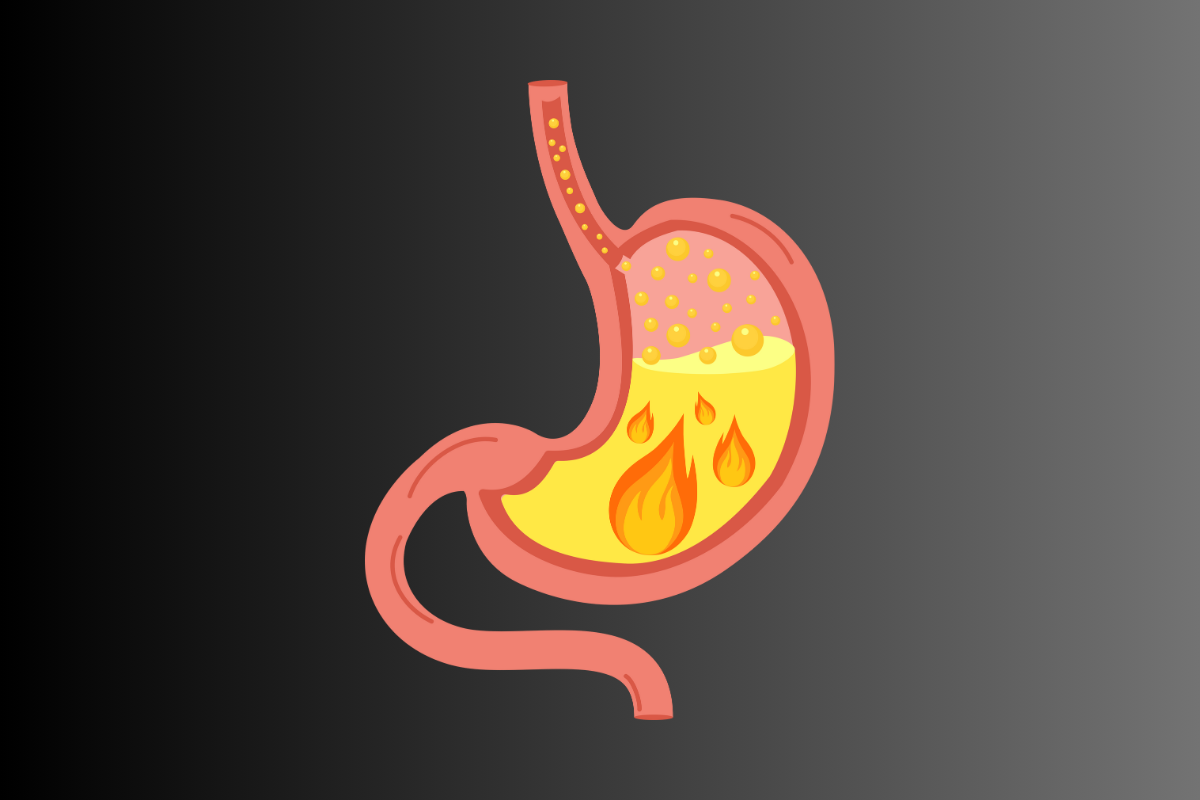
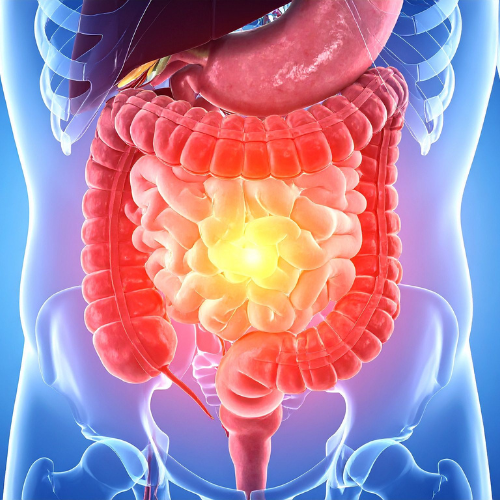
Acidity, commonly known as hyperacidity, heart-burn or acid-reflux, refers to an excess of gastric acid or its regurgitation into the oesophagus resulting in burning sensation, belching, bloating and discomfort. According to Ayurvedic understanding this is due to aggravated Pitta dosha and impaired Agni (digestive fire) leading to Ama (toxins) in the stomach. :contentReference[oaicite:0]{index=0}
Common signs & investigations
- Burning sensation in chest or epigastrium, belching, regurgitation of acid, bloating after meals. :contentReference[oaicite:1]{index=1}
- Nausea, indigestion, intolerance for fatty/spicy food, sometimes throat irritation or sour taste. :contentReference[oaicite:2]{index=2}
- Investigations: Clinical evaluation of symptoms, in some cases endoscopy or investigation for GERD if chronic. (General medical context)
Ayurvedic perspective
In Ayurveda, acidity is known as Amlapitta (āmla = sour/acid, pitta = fire). The condition arises when Pitta dosha aggravates and affects the stomach and upper digestive tract, often with involvement of Kapha and Vata, leading to excess acid, burning and regurgitation. Treatment focuses on calming Pitta, restoring Agni, clearing Ama and supporting the digestive channels. :contentReference[oaicite:3]{index=3}
Critical Safety Note
Persistent or severe symptoms of acidity (especially with weight loss, bleeding, swallowing difficulty, persistent vomiting or chest pain) should be evaluated by a physician. Ayurvedic therapies can complement conventional care but do not replace necessary medical diagnosis and management.
Ayurvedic Care Pathway (Integrated)
- Medical evaluation & coordination: Ensure other causes (ulcer, GERD, hiatal hernia) are ruled out.
- Shamana & supportive care: Herbs and diet aiming to pacify excess Pitta, enhance Agni and clear Ama. :contentReference[oaicite:4]{index=4}
- Shodhana / detoxification (as per case): In persistent cases panchakarma procedures like mild purgation (Virechana) may be considered. :contentReference[oaicite:5]{index=5}
- Preparatory & supportive therapies: Select external therapies to relieve stress, improve digestion, restore nervous system balance.
- Diet & lifestyle: Eating at regular times, avoiding trigger foods (spicy, sour, fried), managing stress and sleep to support digestive health. :contentReference[oaicite:6]{index=6}
Therapies We Use for Acidity — with reference images
Below are the clinic therapies particularly helpful for acidity / Amlapitta — each includes an image for reference. All procedures are personalised and require prior assessment.
Abhyanga (Warm Oil Massage)
What it is: Full‐body warm herbal oil massage to calm Pitta, relax nerves and support digestion.
- Improves circulation, reduces stress (which worsens acidity).
- Supports digestive fire (Agni) and helps in overall calming of the upper digestive tract.
Shirodhara (Forehead Oil Pouring)
What it is: Steady pouring of warm herbal oil over the forehead to calm the nervous system and Pitta dosha.
- Helps relieve stress and improve sleep, both of which contribute to acidity aggravation.
- Supports the relaxation of digestive system and reduces reflux triggers.
Virechana (Therapeutic Purgation) — Selected Use
What it is: Supervised herbal purgation to flush aggravated Pitta from the digestive channels. Advanced
- Considered when acidity persists despite basic care and internal medicines, and when Pitta & Ama are strongly involved. :contentReference[oaicite:7]{index=7}
- Requires medical clearance and careful supervision.
Herbal Medicines & Nutritional Support
Herbal support for acidity is focused on cooling Pitta, strengthening digestion and soothing the stomach lining. :contentReference[oaicite:8]{index=8}
- Licorice (Yashtimadhu): Mucilaginous herb that soothes stomach lining and reduces excess acid. :contentReference[oaicite:9]{index=9}
- Amalaki (Indian Gooseberry): Cooling, antioxidant rich, helps pacify Pitta and support digestion. :contentReference[oaicite:10]{index=10}
- Shatavari & Vidari: Pitta‐cooling herbs used in acid reflux and upper GI distress. :contentReference[oaicite:11]{index=11}
- Diet: Eat light, small frequent meals, avoid heavy, oily, spicy or sour foods; include cooling foods like coconut water, ripe bananas. :contentReference[oaicite:12]{index=12}
- Avoid: Alcohol, caffeine, late‐night meals, lying down immediately after eating. :contentReference[oaicite:13]{index=13}
- Lifestyle: Manage stress via yoga/meditation; maintain regular meals and sleep; practice posture for better digestion. :contentReference[oaicite:14]{index=14}
If symptoms are persistent or complicated (ulcers, GERD, reflux into throat) conventional medical care is required. Ayurveda complements but does not replace such care.
Sample Clinic Plans (examples)
Basic supportive care- Initial evaluation, lifestyle & diet correction
- Gentle Abhyanga, Shirodhara, cooling diet and herbs
- Avoid detox-purgation until stable
Intermediate therapy (if needed)- After assessment, moderate Ayurvedic procedures like Virechana
- Supportive external therapies + ongoing diet & herbs
Maintenance & Follow-up- Periodic check-ups, continued cooling diet, stress management
- Prevention of recurrence: keep Pitta in check, avoid triggers
All procedures should be supervised by qualified Ayurvedic physicians and customised based on individual assessment.
Quick Reference — Therapies & Roles
| Therapy | Primary role | Notes |
|---|
| Abhyanga | Stress relief, support digestion | Early/supportive phase |
| Shirodhara | Calm nervous system, balance Pitta | Adjunct therapy for reflux triggers |
| Virechana | Flush excess Pitta and Ama | Advanced, after assessment |
Need a safe Ayurvedic plan for acidity relief?
Book a consultation — we will review your symptoms, coordinate with your physician if needed, and design a step-by-step Ayurvedic plan to support your digestive health.
Book ConsultationAll procedures are performed by qualified Ayurvedic physicians. Medical assessment (if required) is recommended before advanced therapies.