What is Jaundice?
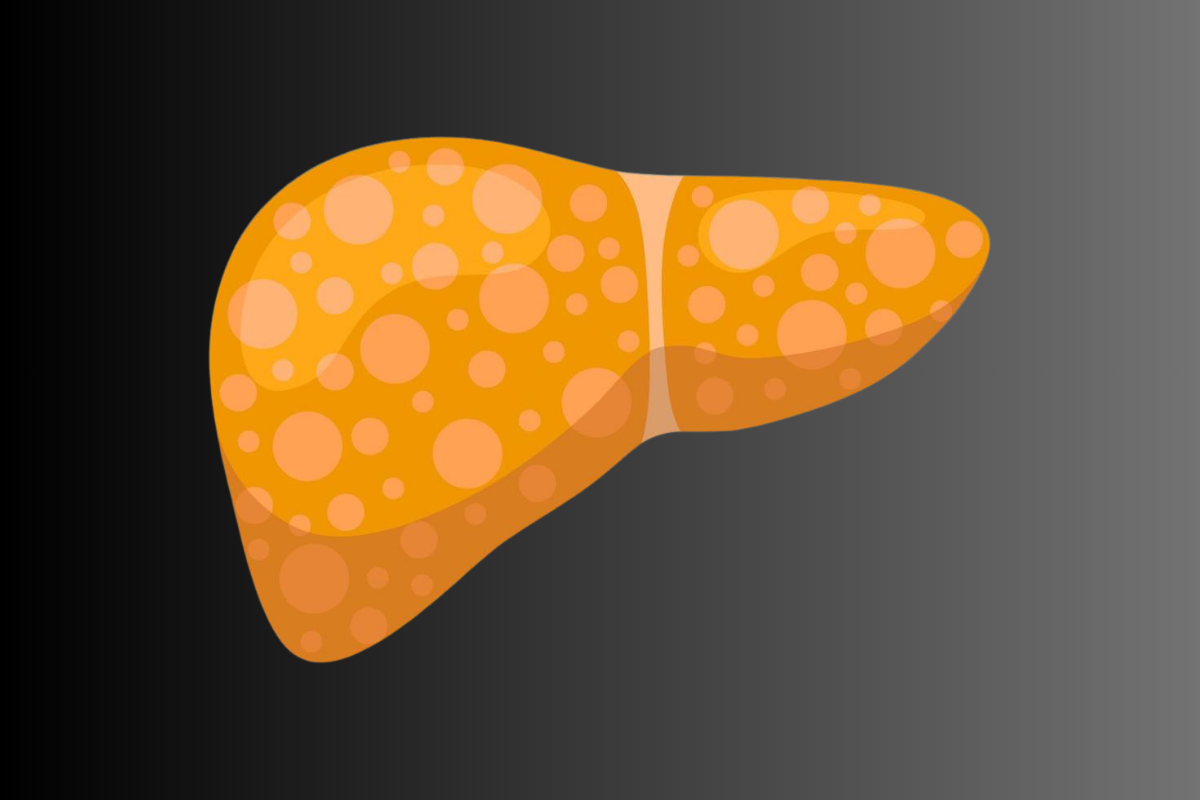
Jaundice (yellowing of skin, sclera and mucosa) results from elevated bilirubin due to liver dysfunction, biliary obstruction or haemolysis. Symptoms commonly include yellow eyes/skin, dark urine, pale stools, fatigue, nausea and abdominal discomfort. Prompt medical evaluation (LFTs, imaging) is essential to determine cause and urgency.
Clinical points
- Key tests: liver function tests (AST/ALT, bilirubin, ALP, GGT), viral serology, ultrasound abdomen; urgent referral for obstructive patterns or acute liver failure.
- Management depends on cause: viral, toxic, obstructive or haemolytic — some causes need immediate medical/surgical treatment.
Ayurvedic view (brief)
In Ayurveda jaundice is described as Kamala (Pittaja condition of Yakrit and Pleeha). Pathogenesis involves Pitta aggravation and impaired Agni and Pitta channels, often with Ama (toxins). Treatment goals: pacify Pitta, remove Ama, restore liver (Yakrit) function and strengthen digestion.
Important Safety Note
Jaundice can indicate serious disease. Ayurvedic therapies may support recovery but do NOT replace urgent medical care when indicated. All detox procedures require medical clearance, baseline and follow-up labs, and clinician coordination. We always prioritize safety and evidence-aligned monitoring.
Ayurvedic Care Strategy for Jaundice
- Medical coordination: confirm cause and severity; rule out obstructive causes and acute liver failure before proceeding with any Ayurvedic detox.
- Acute/supportive phase: rest, light Pitta-pacifying diet, fluids, and gentle supportive therapies to reduce symptoms and prevent deterioration.
- Detox & correction: when medically stable, selective Shodhana — especially Virechana — is the primary Panchakarma chosen for Pitta/Kamala patterns.
- Rehabilitation & nourishment: rejuvenative and nourishing therapies (e.g., Njavara Kizhi, selected Basti) and hepatoprotective herbs to rebuild strength and improve digestion.
- Long-term: dietary rehabilitation, herbs (liver-safe formulations), lifestyle modification and periodic monitoring of liver function.
Therapies Useful in Jaundice — with reference images
Below are the clinic therapies commonly used in jaundice management (only those relevant to jaundice). Each therapy includes a reference photo. All are individualized and only given after medical clearance.
Virechana (Therapeutic Purgation) Primary
What it is: Supervised herbal purgation to eliminate excess Pitta and toxins via the bowel.
- Preferred Shodhana for Pitta-dominant jaundice (Kamala) — aims to clear hepatic-Pitta and restore digestive balance.
- Given only after preparatory Snehapana (internal oleation) and Svedana (steam), with strict monitoring of vitals and LFTs.
- Contraindicated in uncontrolled acute liver failure, severe coagulopathy, dehydration or obstructive jaundice until corrected.
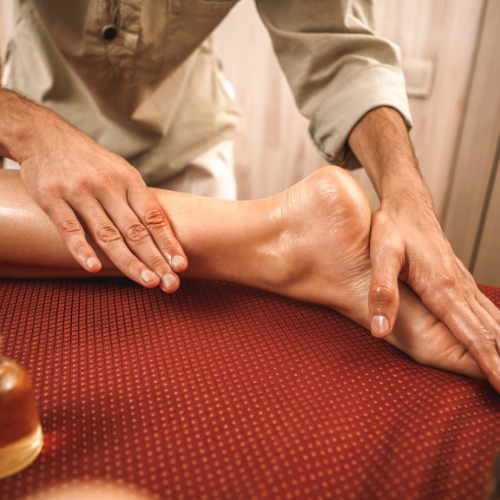
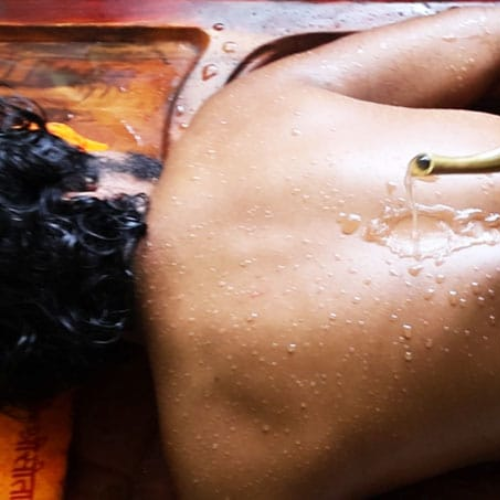
Abhyanga (Warm Oil Massage)
What it is: Gentle full-body massage with Pitta-pacifying herbal oils.
- Supports circulation, calms systemic Pitta, reduces fatigue and helps preparatory conditioning before detox procedures.
- Techniques are gentle and adapted for hepatic weakness — intensity reduced when the patient is frail.
Kashaya Dhara (Herbal Decoction Pouring)
What it is: Continuous pouring of a warm, liver-supportive herbal decoction over the abdomen/chest.
- Soothes hepatic discomfort, supports local circulation and helps reduce Pitta-associated inflammation.
- Herbal decoction composition is chosen for hepatic safety and clinical appropriateness.
Njavara Kizhi (Rejuvenative Bolus Therapy)
What it is: Warm boluses of Njavara rice cooked in herbal decoction, applied to the body to nourish tissues.
- Useful in the rehabilitative phase to rebuild strength, reduce weakness and improve appetite after acute illness.
- Helps restore dhatu nourishment (Ras/Prana) and supports recovery when patient is medically stable.
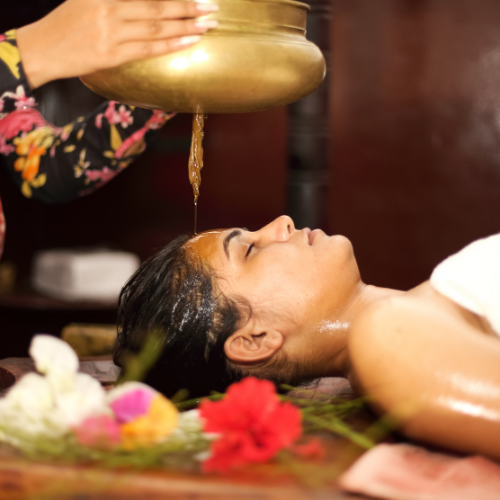
Shirodhara (Nervous-System & Sleep Support)
What it is: Continuous warm oil flow over the forehead to calm the nervous system and improve sleep.
- Adjunctive therapy — addresses sleep disturbance, irritability and neurovegetative symptoms that often accompany jaundice.
- Supports overall recovery and stress reduction during rehabilitation.
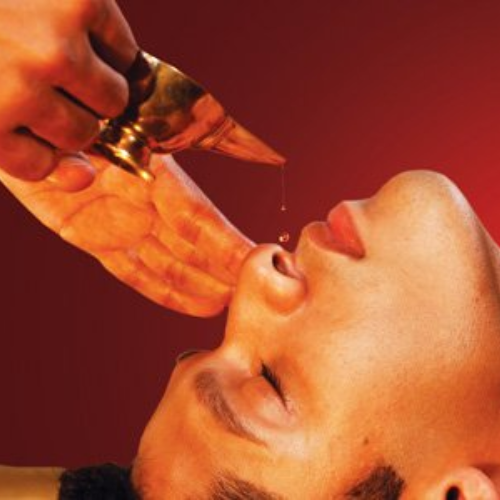
Nasyam (Nasal Therapy) — Adjunct
What it is: Administration of mild, liver-friendly herbal oils/powders via the nose in select patients.
- Can help improve appetite, taste, and autonomic balance during recovery; used only in stable patients with appropriate formulations.
Basti (Medicated Enema) — Selected Use
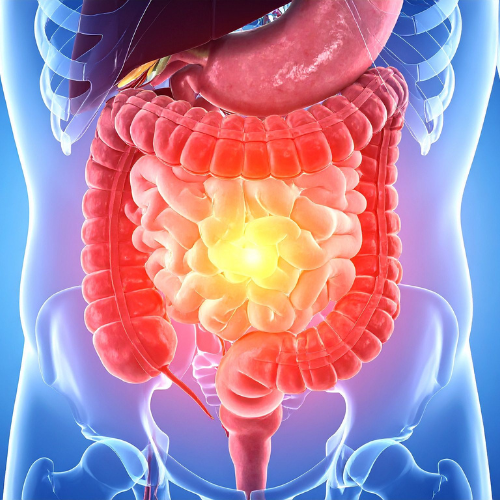
What it is: Medicated decoction or oil administered rectally to balance Vata and support gut-liver axis.
- Used selectively in rehabilitation protocols to restore digestion and systemic balance; only after full assessment and when patient is stable.
Herbal Medicines & Nutritional Support
Medicines are selected with strong attention to hepatic safety and in coordination with lab monitoring. Below are commonly used liver-supportive herbs in Ayurvedic practice — always prescribed by a qualified physician.
- Guduchi (Tinospora cordifolia): Immunomodulatory, anti-inflammatory and supportive for liver function when used appropriately.
- Kutki (Picrorhiza kurroa): Traditionally used as a hepatoprotective herb to support detoxification pathways.
- Bhringraj (Eclipta alba): Used as a liver tonic and to support tissue regeneration in controlled formulations.
- Diet: Small, frequent, warm, Pitta-pacifying and easy-to-digest meals — plain rice, moong dal, steamed vegetables, mild soups.
- Avoid: Alcohol, raw/very oily foods, heavy fried foods, excessive spices and unnecessary OTC analgesics during recovery.
- Hydration: Adequate fluids; avoid sugary or very cold drinks. Follow clinician advice on herbal teas.
If viral hepatitis or notable liver enzyme elevation is present, conventional antiviral or other medical therapies may be necessary — Ayurveda complements, but does not replace, indicated medical care.
Sample Clinic Plans for Jaundice (examples)
Acute & Supportive (initial)- Immediate medical assessment & baseline labs
- Rest, hydration, Pitta-pacifying diet and gentle Abhyanga for symptom relief
- No Panchakarma detox until medically stable
Detox (after clearance)- Preparatory Snehapana & Svedana (if indicated) → Virechana under monitoring
- Supportive Kashaya Dhara and Shirodhara during recovery
- Oral hepatoprotective herbs as prescribed and regular LFT monitoring
Rehabilitation- Njavara Kizhi or nourishing therapies to rebuild strength
- Selected Basti for gut-liver axis restoration if indicated
- Dietary & lifestyle counseling and periodic labs
All plans are individualized. Detox procedures are implemented only after informed consent and lab-based clearance.
Quick Reference — Therapies & Roles
| Therapy | Primary role | When used / notes |
|---|
| Virechana | Clear Pitta & hepatic toxins | Primary Panchakarma for Pitta/Kamala after clearance |
| Kashaya Dhara | Local anti-inflammatory support | Used in recovery and symptomatic relief |
| Abhyanga | Nourishment and circulation | Preparatory and supportive; gentle techniques |
| Njavara Kizhi | Rejuvenation and strength | Rehabilitation phase to rebuild strength |
| Shirodhara | Sleep & nervous system support | Adjunct during recovery |
| Nasyam | Appetite & autonomic support | Adjunct in stable patients |
Need a safe Ayurvedic plan for jaundice?
Book a consultation — we will review your labs, coordinate with your physician, and design a monitored, stepwise Ayurvedic plan to support liver recovery.
Book ConsultationAll procedures are performed by qualified Ayurvedic physicians. Medical clearance (labs, clinician review) is mandatory before detox therapies.